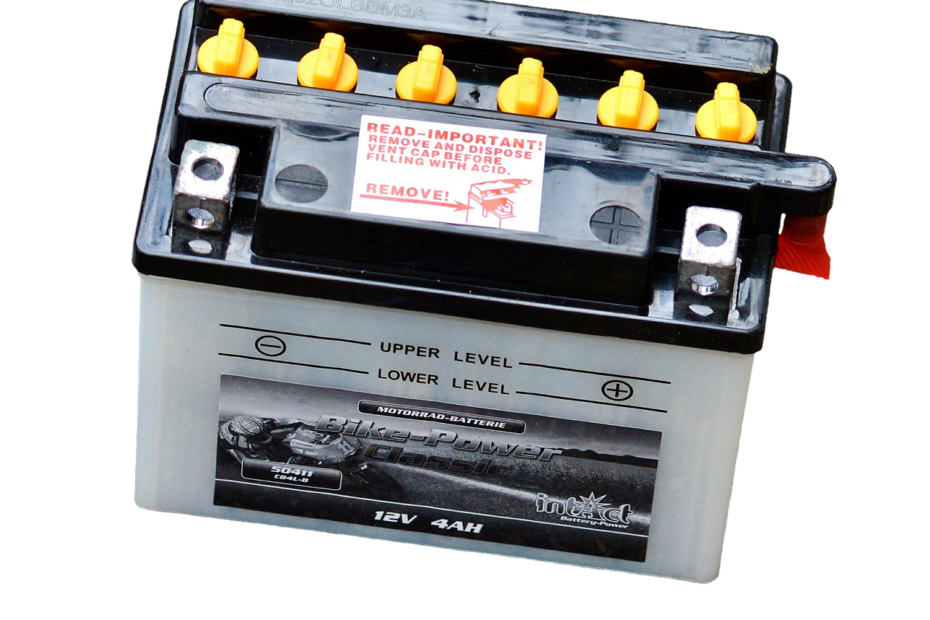
After dozens of identical partial-discharge-and-recharge cycles, NiCd cells can show a repeatable drop in discharge voltage. Your device can reach a familiar cutoff point while some stored energy remains, because its low-voltage threshold reacts before the cells are fully empty.
You’ll learn how NiCd chemistry differs from NiMH, lithium-ion, lithium-polymer, lead-acid, and vehicle batteries, along with practical charging habits for your device.
Memory Effect Differs From General Battery Wear
A voltage pattern differs from lost capacity
True memory changes the discharge curve at a repeated stopping point rather than removing all stored energy. A voltage dip appears near the same depth of discharge, and your device can shut down after sensing that lower voltage.
Capacity fade follows a different pattern. Heat exposure, overcharge, corrosion, age, and high-current loads reduce the energy a cell holds across its full range, so your runtime becomes shorter from a full charge onward.
| Battery problem | What changes | What you may see |
|---|---|---|
| True memory | A repeatable dip develops in the discharge-voltage curve. | Your device stops near the same point after highly similar cycles. |
| Voltage depression | Operating voltage falls sooner under load. | Your tool or radio signals low charge earlier than expected. |
| Capacity fade | Total energy storage declines through age or damage. | Your runtime shrinks across every use pattern. |
| Gauge error | The percentage estimate no longer matches pack condition. | Your display jumps from 30 percent to empty or rises after rest. |
A repeated shutdown point can mislead you
Consider an older NiCd emergency-light pack used for 20 minutes and placed on charge after every work shift. After repeated matching cycles, the lamp can dim near that same 20-minute mark even though some energy remains inside the cells.
That symptom needs evidence before you label it memory. A hot pack, leaking cell, cracked casing, or battery that will not accept charge points toward physical damage rather than a learned discharge pattern.
Once physical damage is ruled out, the discharge history becomes the meaningful clue.
Fixed-Depth Cycling Produces the Classic NiCd Pattern
The discharge routine must stay highly regular
Classic nickel-cadmium battery memory effect needs a narrow and repeated cycle. The pack discharges to nearly the same remaining-charge level, returns to charge, and repeats that routine under similar load conditions.
Your household use rarely follows that strict schedule. A cordless drill, portable radio, or emergency light used for different lengths of time creates less consistent cycling than the controlled conditions associated with classic memory.
- Fixed discharge depth: The NiCd pack supplies power until nearly the same remaining-charge point during each cycle.
- Prompt recharge: Charging starts before the cells travel through a broader discharge range.
- Repeated routine: The same partial discharge cycles recur under similar loads and temperatures.
- Cadmium crystal formation: Cadmium electrode crystals and reaction sites shift in response to repeated cycling depth.
- Voltage step: A depressed voltage plateau appears near the familiar discharge point during later use.
Electrode changes alter the discharge curve
Nickel-cadmium cells store energy through reactions at their electrodes. Repeated fixed-depth cycles can alter crystal morphology in the cadmium electrode, changing how the cell delivers voltage under load.
The battery does not record your habits like a digital log. Instead, its electrochemical response changes, and that altered response can form a recognizable voltage step near the repeated discharge point.
Controlled cycling can reveal true memory in NiCd cells, yet casual use of a cordless drill or portable radio does not automatically form it.
That voltage step explains the familiar symptom. A device does not measure stored energy like fuel in a clear tank; it responds to voltage, current, temperature, and elapsed time.
Voltage Depression Can Look Like an Empty Battery
Low-voltage cutoffs react to voltage under load
A cordless tool drawing several amps can pull pack voltage down as its motor starts. Your tool can stop after crossing its low-voltage cutoff, then show some voltage recovery after the trigger is released.
Battery voltage depression describes an earlier-than-expected fall in operating voltage. In a true NiCd pattern, the dip stays tied to a repeated discharge depth; in other cases, load stress or internal resistance creates a similar result.
Internal resistance causes a different voltage sag
Resistance inside an aging cell turns part of its stored energy into heat. A weak 12-volt pack can read near 12 volts at rest, then sag sharply while driving a power-tool motor.
Your runtime falls because current cannot move cleanly through the cell. That is different from a fixed voltage step linked to repeated partial discharge cycles.
| Example | Likely pattern | Useful clue for you |
|---|---|---|
| NiCd radio pack stops after the same 30-minute shift | Possible fixed-depth voltage dip | The stop point repeats after a highly regular work routine. |
| Old drill slows only while driving screws | Resistance-related voltage sag | Voltage rebounds after the motor load ends. |
| Phone falls from 25 percent to zero | Gauge or cell-aging concern | A lithium-ion pack does not show classic NiCd memory. |
The label on the pack, the device manual, and cell markings reveal more than old advice about draining every battery. Chemistry is the next filter because each battery type ages through different mechanisms.
Battery Chemistry Sets the Level of Memory Risk
Nickel-based cells need the closest inspection
NiCd is the chemistry most closely linked to the strict definition of memory effect. Nickel-metal hydride (NiMH) batteries can show voltage-depression-like behavior, yet their classic memory response is much weaker.
Your rechargeable AA cells are more likely to lose performance through age, heat, self-discharge, or poor charging than through a strict NiCd-style pattern. NiMH packs still benefit from a charger designed for their voltage and cell count.
Lead-acid batteries follow another failure path. Sulfation forms lead sulfate crystals during prolonged low-charge storage and blocks active plate area, reducing starting power without creating classic memory.
Lithium cells follow different charging rules
Lithium-ion (Li-ion) batteries, lithium-polymer (LiPo) batteries, and LiFePO4 power stations do not develop the classic NiCd pattern. Their battery management system (BMS) watches cell voltage and temperature to limit harmful charging and discharge conditions.
Your phone gains nothing from deliberate full drains. Lithium cells age through heat, time spent at high charge, deep depletion, and normal chemical aging rather than a repeated partial-use memory pattern.
| Chemistry | Classic memory susceptibility | More relevant concern |
|---|---|---|
| Nickel-cadmium, NiCd | High during repeated fixed-depth cycling | Voltage depression, crystal changes, and age-related decline |
| Nickel-metal hydride, NiMH | Low | Voltage depression, self-discharge, and heat damage |
| Lead-acid | None in the classic sense | Sulfation, plate corrosion, and deep-discharge damage |
| Lithium-ion and lithium-polymer | None in the classic sense | Heat, full-charge storage, deep depletion, and cell aging |
| LiFePO4 | None in the classic sense | Cold-weather charging limits and BMS cutoff behavior |
These chemistry differences keep an old NiCd habit from being forced onto every modern device. Your next step is separating a real pack fault from a meter that has lost track of remaining charge.
Runtime Notes Separate Memory From Aging and Meter Errors
Repeated symptoms matter more than one poor cycle
Start with runtime under a similar load. A genuine fixed-depth symptom repeats near the same point across several charge cycles, while a single weak day can come from temperature, load, or a low starting charge.
Your notes should list charge start, load type, runtime, shutdown behavior, and voltage recovery after a short rest. Three similar results are more useful than one sudden shutdown.
A phone that drops from 40 percent to 5 percent after a cold commute can have a gauge estimate distorted by temperature. A laptop that shuts down at 18 percent and restarts at 12 percent can have battery gauge calibration trouble.
Physical symptoms point toward decline or damage
- Shorter runtime: A steady decline across all workloads points toward lower usable capacity rather than a narrow voltage dip.
- Excess heat: A pack that becomes unusually hot during charging or use needs prompt removal from service.
- Physical swelling: Bulging lithium cells can damage a device enclosure and need professional handling.
- Liquid leakage: White crust or fluid around NiCd, NiMH, or lead-acid cells signals chemical damage.
- Charge refusal: A pack that will not charge normally can have failed cells, damaged contacts, or BMS lockout.
- Heavy-load sag: A large voltage collapse under a modest load points toward high internal resistance.
Stop using any battery that swells, leaks, smells sharp, becomes very hot, or has a damaged casing. Do not puncture, crush, or attempt cell-level repair.
Once your observations rule out a failing pack, charging habits become clearer. The right routine follows battery chemistry rather than a slogan from older rechargeable equipment.
Modern Charging Habits Follow Battery Chemistry
Lithium-ion accepts partial charging
Plugging in at 40% works well for lithium-ion phones, laptops, power tools, and electric vehicles. A charge-discharge cycle is counted by total energy moved through the pack, not by whether your cable stayed connected from 20 percent to 80 percent.
Your device can charge at 55 percent without developing a memory pattern. Partial charging is normal for lithium systems and does not require a forced trip to zero percent.
The 20/80 battery charging rule means keeping a lithium pack near 20 to 80 percent where practical. It is a longevity habit that reduces time at charge extremes, especially prolonged time near high voltage.
Your device does not need that range every day, and the 20/80 battery charging rule does not repair an existing fault. It addresses lithium aging pressure, not NiCd electrode behavior.
Use charging equipment made for the pack
- Follow device instructions: Use the charging method and temperature limits stated for your battery system.
- Avoid forced depletion: Do not run lithium packs to shutdown merely to prepare them for charging.
- Limit heat exposure: Remove a phone from direct sun and allow a hot tool pack to cool before charging.
- Match the charger: Use a charger suited to the battery chemistry, voltage, and cell count.
- Store sensibly: Keep long-stored lithium packs partly charged in a cool, dry place away from metal objects.
Removable NiCd and NiMH packs are a narrow exception. Your charger needs a conditioning setting and a suitable cutoff method before a deliberate discharge cycle belongs in the routine.
Conditioning Has a Narrow Role With Some NiCd Packs
Controlled cycling targets voltage behavior
A conditioning cycle discharges a suitable NiCd pack to its specified endpoint, then recharges it with compatible equipment. Your goal is to smooth a troublesome voltage pattern, not force a damaged battery back to its original capacity.
A charger that detects voltage change and temperature is safer than an improvised bulb, resistor, or motor load. That equipment can stop discharge before a weak cell in a series pack is pushed too far.
NiMH packs sometimes receive similar maintenance cycles in equipment with documented procedures. Repeated deep discharge still adds wear and can expose a weak cell in a series string.
Zero volts is not a useful target
A series pack can contain one weaker cell that empties ahead of its neighbors. Continued discharge can push that cell into reverse charge, damaging its electrodes and reducing later performance.
Your multimeter cannot remove that risk while the pack is under a real load. A rest-voltage reading also cannot reveal every weak connection, corroded tab, or dried electrolyte problem.
Age-related resistance, lost active material, corroded tabs, and dried electrolyte do not respond to cycling. Retire a degraded pack rather than repeating deep discharge after leakage, swelling, overheating, or physical impact.
Practical Battery Care Starts With Chemistry, Not Full Discharge
Old advice to drain every rechargeable device came from a narrow NiCd concern. Your phone, laptop, electric vehicle, and lithium power bank need suitable charging and temperature control rather than ritual depletion.
Car electrical memory creates a separate naming mix-up. Removing a lead-acid car battery can clear radio presets, clock settings, window calibration, or learned engine settings, yet the replacement battery does not gain electrochemical memory.
- Identify chemistry: Check the battery label before changing your charging routine or attempting conditioning.
- Record repeatability: Track shutdown points under comparable loads across several uses before naming the fault.
- Respect safety signs: Remove swollen, leaking, overheated, or cracked packs from service without recovery attempts.
- Match charging gear: Use charging equipment suited to the chemistry and pack design.
Practical Takeaways
After repeated identical partial discharges, NiCd electrodes can change and create a repeatable voltage drop. Your modern lithium-ion equipment faces different aging pressures, and forced full discharge can add wear rather than solve anything.
Identify the chemistry, track runtime under load, and watch for a repeated cutoff point. Heat, swelling, leakage, damaged casing, and severe voltage sag are reasons for you to stop using the pack.
FAQ
How does battery memory effect occur?
After a NiCd pack repeats nearly identical partial discharges and recharges, its discharge voltage can drop predictably. Repeated fixed-depth cycling can alter cadmium electrode behavior, producing a voltage dip near the familiar discharge point. Your device can then shut down before every remaining watt-hour is delivered.
What causes the memory effect in nickel-cadmium batteries?
Repeated fixed-depth cycling causes the classic NiCd pattern. Cadmium crystal formation and related electrode changes alter the discharge-voltage curve, creating a step near the repeated stopping point. Your pack needs highly regular cycling for that pattern to appear.
Do lithium-ion batteries have a memory effect?
No. Lithium-ion batteries do not develop the classic NiCd memory pattern. Your lithium pack can lose runtime through heat, age, deep depletion, high-charge storage, internal resistance, or gauge error instead.
Is battery memory still a problem in modern electronics?
Classic memory remains a narrow concern for older NiCd equipment. Your phone, laptop, electric vehicle, and many cordless tools use lithium-ion cells, so battery age, temperature, charging conditions, internal resistance, and percentage-meter accuracy matter more.
What is the difference between battery memory effect and voltage depression?
True memory is a repeatable NiCd discharge-voltage change tied to repeated fixed-depth cycles. Battery voltage depression is a broader symptom where operating voltage falls earlier than expected. Your battery can show voltage depression from resistance, temperature, or age without a true memory pattern.
Should you fully drain a battery before recharging it?
No for lithium-ion batteries. Your lithium-ion battery can be charged from any remaining level, while deliberate full depletion can stress cells or trigger protective shutdown. Suitable NiCd conditioning requires compatible equipment and a defined endpoint rather than a drain to zero volts.