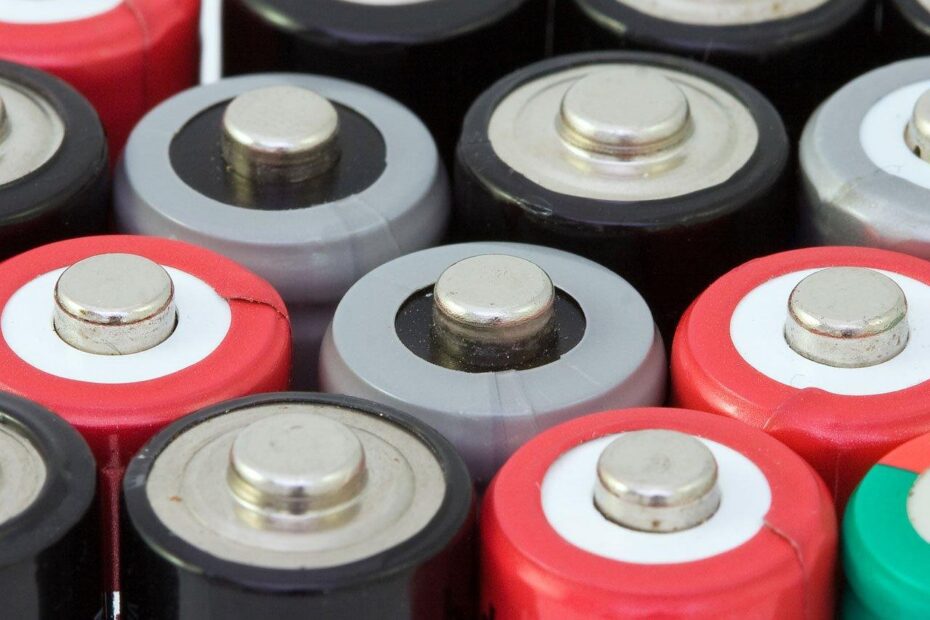
A TV remote typically runs on single-use primary cells, whereas high-drain toys benefit from cells built for repeated charging. Alkaline AA cells start near 1.5V, while nickel-metal hydride NiMH cells sit near 1.2V. That 0.3V gap affects device behavior, storage plans, and replacement spending.
You will compare voltage, storage life, recharge cycle life, mAh capacity, charger labels, and practical battery choices for controllers, lights, clocks, alarms, and household devices.
Alkaline Describes Chemistry, While Rechargeable Describes Reuse
A battery label can hide a major distinction. Alkaline describes a chemical system used in single-use primary cells, while rechargeable describes a cell designed to accept energy after discharge. Your AA battery can be a disposable alkaline cell or a rechargeable battery made with a different chemistry.
| Battery term | What it describes | Common household example |
|---|---|---|
| Alkaline | A primary chemistry intended for one discharge cycle | 1.5V AA cell for a remote |
| Rechargeable | A battery category designed for charging | 1.2V NiMH AA cell for a controller |
| Lithium-ion | A rechargeable chemistry used in phones and power tools | Built-in phone battery pack |
| Nickel-metal hydride | A rechargeable chemistry used in AA and AAA cells | NiMH AA battery for toys |
Nickel-metal hydride, written as NiMH, is the rechargeable chemistry found most widely in AA and AAA battery sizes. Lithium-ion batteries store substantial energy for their size, but they use different shapes, voltages, and charging controls from loose AA cells. Your phone battery pack and a rechargeable AA cell do not follow the same charging rules.
Rechargeable alkaline batteries exist, yet they are less common than ordinary alkaline cells. A Duracell alkaline AA marked for single use does not become rechargeable because another AA battery is rechargeable. Check the wording on the cell itself before placing any battery in a charger.
Voltage, Storage, and Reuse Separate the Main Battery Types
The same plastic AA shell can produce very different results in your device. Alkaline cells arrive ready for use, retain stored energy for long periods, and leave the device after depletion. NiMH cells need a battery charger, but repeated recharge cycles reduce the number of replacement cells your active devices consume.
| Feature | Alkaline AA | NiMH rechargeable AA |
|---|---|---|
| Rechargeability | No, single-use primary cell | Yes, with a compatible charger |
| Nominal voltage | 1.5V | 1.2V |
| Stored charge | Long shelf life and low self-discharge | Low-self-discharge versions retain charge well |
| Starting expense | Lower per set | Higher because cells and charger cost more |
| Long-run expense | Rises with each replacement set | Falls across repeated recharge cycles |
| Strong fit | Clocks, remotes, stored flashlights | Controllers, toys, handheld lights |
Most rechargeable AA and AAA batteries are NiMH, not lithium-ion. The word lithium can describe a non-rechargeable primary cell, a rechargeable lithium-ion battery pack, or a 1.5V lithium AA cell. Your device manual and the cell label answer that distinction more clearly than the word lithium alone.
- Alkaline cells: These suit low-power equipment that sits unused for long stretches.
- NiMH cells: These suit high-drain devices that empty batteries every few days or weeks.
- Primary lithium cells: These fit selected emergency gear needing long storage life and steady output.
- Rechargeable alkaline cells: These need their stated charging method and must not be confused with disposable alkaline batteries.
Battery Voltage Changes How Devices Behave
A fresh alkaline AA begins close to 1.5 volts, while a standard NiMH AA has a nominal battery voltage near 1.2 volts. Four cells in a toy create a 1.2V difference across the battery compartment. Your toy could run normally, flash a low-battery warning, or refuse to start.
NiMH Cells Hold Output More Steadily
NiMH cells hold a flatter voltage curve through much of their discharge. A game controller can feel strong through many sessions, then lose power with little warning. Alkaline voltage slopes downward from the start, so a flashlight can dim gradually and a camera can signal low power before the cell is empty.
Voltage-Sensitive Devices Need the Listed Cell Type
Some clocks, sensors, toys, medical equipment, and safety devices expect 1.5V disposable cells. Your 1.2V rechargeable cell can fall below the operating threshold despite holding stored energy. A manual that names 1.5V alkaline batteries gives you a direct operating requirement.
Use the battery type named by the manufacturer for smoke alarms, carbon monoxide alarms, medical devices, and equipment that guards property or personal safety.
Self-Discharge Rate Shapes Storage Choices
A wall clock can sip power for years, while an emergency flashlight can sit unused for 11 months before you need it. Alkaline batteries fit those roles because their self-discharge rate is low and their shelf life is long. Your stored equipment has a stronger chance of starting with usable power.
Older NiMH cells lose a meaningful share of their charge during storage. A charged set left in a kitchen drawer can lose enough power to disappoint you during an outage. Low-self-discharge NiMH cells reduce that loss and suit devices used every few weeks.
Check stored cells twice each year, especially in flashlights and seasonal decorations. Alkaline batteries can leak after deep discharge or extended storage, and corrosive residue can damage battery contacts. Remove cells from equipment that will sit unused for months unless the manual states otherwise.
Frequent use changes the calculation, because discharge performance matters more than how long a spare sits unused.
High-Drain Devices Favor Rechargeable Cells
Repeated discharge changes the spending math. A game controller needing fresh AA batteries each month can consume 24 cells in a year, while a charged NiMH set returns to service after every cycle. Your battery charger turns repeated replacement into a familiar routine.
Digital cameras, radio-controlled toys, wireless accessories, handheld lights, and game controllers draw power quickly. NiMH chemistry works well in high-drain devices because you restore capacity rather than discard the cell after one run. Higher milliamp-hours, written as mAh, can extend runtime, though device demand and voltage cutoff still affect the result.
- Game controllers: Regular play drains pairs of AA cells quickly, making recharge cycles practical.
- Motorized toys: Motors draw bursts of current that add up across repeated play sessions.
- Camera flashes: NiMH cells can deliver current with less voltage sag during flash recycling.
- Handheld lights: Weekly flashlight use suits rechargeables better than emergency-only storage.
- Wireless accessories: Daily keyboards, mice, and headsets can benefit from charged spare cells.
But rechargeable batteries do not suit every device. Your infrequently used sensor, voltage-sensitive tool, or safety device can need alkaline or another manufacturer-specified cell. Reuse pays off only where repeated discharge happens.
Device Role Directs the Practical Battery Choice
The device’s power draw and storage role matter more than the label on the package. A remote control and a racing toy both use AA batteries, but they place opposite demands on a cell. Your choice gets simpler once you match battery chemistry to the job.
| Device or use | Practical battery direction | Reason |
|---|---|---|
| TV remote or wall clock | Alkaline | Low drain and long intervals between battery changes |
| Game controller or active toy | Low-self-discharge NiMH | Frequent use can repay the higher setup expense |
| Emergency flashlight | Alkaline or primary lithium | Long storage life matters more than repeated charging |
| Smoke alarm | Manual-specified battery | Safety function and voltage requirements control the choice |
| Wireless mouse used daily | Low-self-discharge NiMH | Repeat charging reduces replacement-cell use |
Primary lithium AA cells can suit gear that needs long storage and cold-weather performance, but they are not interchangeable with every battery compartment. Check polarity, stated voltage, and manufacturer requirements before loading a cell. Your manual outranks a general battery rule.
Reuse Determines the Break-Even Point
A charger and four NiMH AA cells can cost more at the start than one pack of alkaline batteries. The break-even point comes from avoided replacement sets rather than the label at checkout. Your heavily used controller reaches that point far sooner than a clock that runs for years on one set.
Use a simple calculation: divide your rechargeable setup expense by the expense of the alkaline set you would otherwise replace. A $24 charger-and-cell setup divided by a $6 replacement set reaches break-even after four avoided sets. That example excludes electricity, which is small for household charging but not zero.
Battery recycling also changes the waste side of the choice. Rechargeable cells reduce the number of batteries you discard during their usable recharge cycle life, while exhausted alkaline and rechargeable batteries still need proper local disposal. Your county recycling program or battery collection point can list accepted chemistries.
Cost savings and responsible disposal only matter when cells survive use without damage from improper charging or mixing.
Charging and Mixing Rules Limit Battery Damage
The most serious mistake is placing a disposable alkaline battery into a conventional charger. Ordinary alkaline cells are not designed to accept charge, and pressure can build inside the sealed case. Leakage, overheating, rupture, and charger damage can follow.
Look at the label before charging an AA or AAA battery. Rechargeable cells state rechargeable, identify NiMH or another chemistry, list mAh capacity, and commonly show 1.2V. Your charger must match the chemistry, size, voltage, and stated charging requirements of that cell.
- Match the charger: Use a charger designed for the exact rechargeable chemistry in your cells.
- Keep sets together: Charge and use paired or grouped cells with similar age and condition.
- Avoid chemistry mixing: Never place alkaline, NiMH, lithium, and zinc-carbon cells together in one device.
- Avoid age mixing: Do not pair a new battery with an old battery or a full cell with a drained cell.
- Inspect damaged cells: Remove swollen, leaking, hot, or corroded cells without attempting to recharge them.
Zinc-carbon batteries are another disposable type and should not enter a charger. Alkaline vs rechargeable batteries becomes a safer choice after you identify the chemistry in your hand and follow the device and charger instructions.
Bottom Line
Choose alkaline batteries for low-drain gear and stored emergency items where long shelf life and 1.5V output matter. Put low-self-discharge NiMH cells in equipment that drains batteries repeatedly, such as controllers and active toys. Your device manual settles every safety-critical or voltage-sensitive case, while the cell label tells you whether charging belongs in the plan.
FAQ
What is the main difference between alkaline and rechargeable batteries?
After each discharge, nickel-metal hydride cells can accept new energy, unlike single-use alkaline cells. Alkaline AA cells start near 1.5V, and standard NiMH AA cells have a nominal voltage near 1.2V. Your device’s power draw and voltage needs determine which cell fits.
Are rechargeable AA and AAA batteries interchangeable with alkaline batteries?
Standard AA and AAA dimensions let rechargeable cells fit many devices designed for alkaline batteries. Their lower 1.2V nominal voltage can affect voltage-sensitive devices, though. Your manual should control the choice for alarms, sensors, medical equipment, and equipment with stated 1.5V requirements.
Why do rechargeable batteries often have a lower voltage than alkaline batteries?
Standard NiMH rechargeable batteries use a chemistry with a nominal voltage near 1.2V. Alkaline cells use a different chemical system and start near 1.5V. Your device may work normally with NiMH cells, but equipment built around 1.5V cells can show low-power behavior earlier.
Which devices should use alkaline batteries instead of rechargeable batteries?
Alkaline batteries suit wall clocks, TV remotes, stored flashlights, and other low-drain equipment that can sit unused for months. Safety devices and medical equipment should use the cell type named in the manufacturer instructions. Your stored device benefits from alkaline cells’ low self-discharge rate.
When do rechargeable batteries become cheaper than buying alkaline batteries?
After dozens of recharge cycles, avoided replacement sets can offset the upfront cost of cells and a charger. A
What is the main difference between alkaline and rechargeable batteries?
After each discharge, nickel-metal hydride cells can accept new energy, unlike single-use alkaline cells. Alkaline AA cells start near 1.5V, and standard NiMH AA cells have a nominal voltage near 1.2V. Your device’s power draw and voltage needs determine which cell fits.
Are rechargeable AA and AAA batteries interchangeable with alkaline batteries?
Standard AA and AAA dimensions let rechargeable cells fit many devices designed for alkaline batteries. Their lower 1.2V nominal voltage can affect voltage-sensitive devices, though. Your manual should control the choice for alarms, sensors, medical equipment, and equipment with stated 1.5V requirements.
Why do rechargeable batteries often have a lower voltage than alkaline batteries?
Standard NiMH rechargeable batteries use a chemistry with a nominal voltage near 1.2V. Alkaline cells use a different chemical system and start near 1.5V. Your device may work normally with NiMH cells, but equipment built around 1.5V cells can show low-power behavior earlier.
Which devices should use alkaline batteries instead of rechargeable batteries?
Alkaline batteries suit wall clocks, TV remotes, stored flashlights, and other low-drain equipment that can sit unused for months. Safety devices and medical equipment should use the cell type named in the manufacturer instructions. Your stored device benefits from alkaline cells’ low self-discharge rate.
When do rechargeable batteries become cheaper than buying alkaline batteries?
After dozens of recharge cycles, avoided replacement sets can offset the upfront cost of cells and a charger. A $24 charger-and-cell setup divided by a $6 replacement set reaches break-even after four avoided sets. Your controller can reach that point quickly, while a wall clock can take years.
How can I tell whether an AA battery is rechargeable?
Look for the word rechargeable, a chemistry label such as NiMH, and a capacity figure measured in mAh. Many rechargeable AA cells also display 1.2V. Your charger instructions should list the battery chemistry it accepts.
Do rechargeable batteries lose their charge while sitting unused?
Rechargeable batteries lose charge during storage because of self-discharge. Older NiMH cells can lose a meaningful share of their stored energy in a drawer. Low-self-discharge NiMH cells hold charge better and suit devices used every few weeks.
Can alkaline batteries be recharged?
Charging an ordinary disposable cell can cause leakage, overheating, or rupture because its chemistry is not built for it. Charging them can produce leakage, overheating, rupture, or damage to your battery charger. Only a cell clearly marked rechargeable alkaline belongs in equipment made for that chemistry and charging method.
When should you not use rechargeable batteries?
Rechargeable batteries fit poorly in low-drain devices that sit unused for long periods, such as wall clocks and some emergency flashlights. Your setup expense can take years to recover there, and stored NiMH cells can lose charge before the device needs power.
How do I know if an AA battery is rechargeable?
A rechargeable AA battery states rechargeable on its label and identifies its chemistry, such as NiMH. It also commonly lists milliamp-hours and 1.2V. Your battery charger should name the compatible chemistry before you charge the cell.
Can rechargeable batteries be used instead of regular batteries?
Game controllers, toys, lights, and wireless accessories often run well on rechargeable cells rather than regular ones. Some equipment needs 1.5V cells or has manufacturer battery rules. Your manual should direct the choice for sensors, alarms, and voltage-sensitive devices.
Why should you not recharge ordinary alkaline batteries?
Ordinary alkaline batteries are single-use primary cells rather than cells built for repeated charging. Charging can build pressure inside the sealed case. Leakage, overheating, rupture, and charger damage can result.
How can I tell whether an AA battery is rechargeable?
Look for the word rechargeable, a chemistry label such as NiMH, and a capacity figure measured in mAh. Many rechargeable AA cells also display 1.2V. Your charger instructions should list the battery chemistry it accepts.