Anyone who’s stocked a junk drawer knows the quiet frustration: the remote dies mid-show, the smoke detector chirps at 2 a.m., and the one trusted pack is suddenly empty. Picking the right AA cells, lithium or alkaline, turns that scramble into a non-event. The right choice depends on how you use them: high-drain cameras and outdoor sensors reward lithium chemistry, while low-drain remotes and clocks run fine on standard alkalines. This shortlist breaks down eight solid options across both chemistries, so your next drawer refill matches the devices you actually own.
How The Shortlist Stacks Up

Energizer AA and AAA Batteries 48-Count Combo
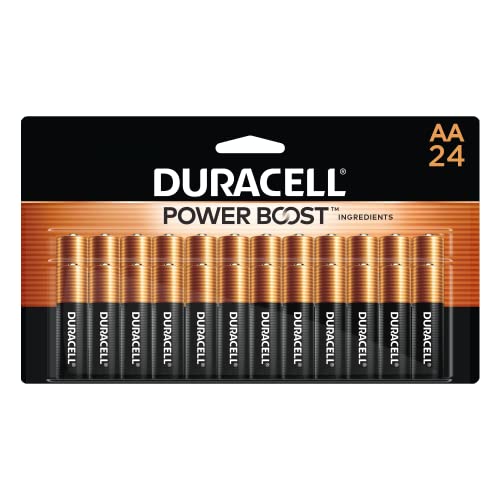
Duracell Coppertop AA Batteries 24-Count

Energizer Alkaline Power AA Batteries 20-Pack

Energizer Ultimate Lithium AA and AAA Variety Pack 48-Count
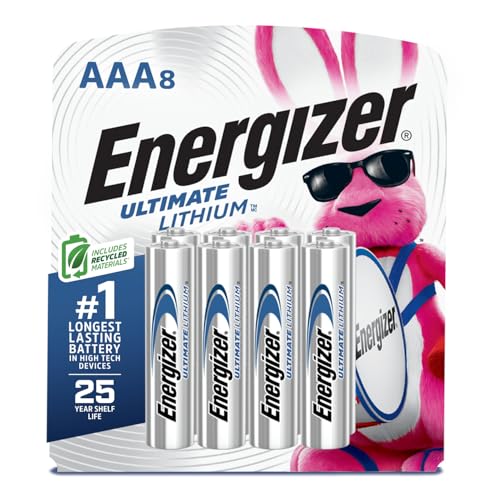
Energizer Ultimate Lithium AAA Batteries 8-Pack

Duracell Optimum AA Batteries 28-Count Re-closable Pack
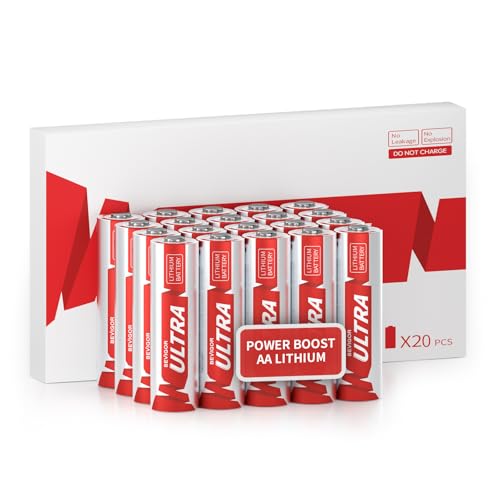
BEVIGOR 1.5V AA Lithium Batteries 20-Pack

BEVIGOR 1.5V AA Lithium Batteries 24-Pack
The Picks, Examined More Closely
Most households run a mix of devices: a TV remote here, a digital thermometer there, a wireless mouse at the desk. The Energizer AA and AAA Batteries 48-Count Combo solves that reality by bundling 24 Max AA cells with 24 Max AAA cells under one purchase. It removes the second trip to the store for the smaller size. You end up with one drawer that handles most of the everyday gear.
This pack uses standard alkaline chemistry, so it’s well-matched to low-to-moderate drain devices like remotes, clocks, and basic toys. If your setup leans heavily on outdoor sensors or trail cameras, you’ll want a lithium option instead. As a baseline refill, though, this combo carries a household through months of routine swaps.
What Helps Most
- Two common cell sizes in a single 48-count box
- Long storage window keeps spare cells usable over time
- Alkaline chemistry handles remotes, clocks, and small electronics
- Cuts down on repeat store runs for the smaller AAA size
Things To Consider
- Alkaline output drops under heavy, continuous drain in devices like game controllers or digital cameras
- Larger pack takes up more drawer space than single-format options
Who Should Grab It
Households juggling a real mix of AA and AA-powered gadgets who want one restock to cover several months.
Swap It Out When
Shoppers running mostly high-drain electronics should reach for the Energizer Ultimate Lithium AA and AAA Variety Pack, which handles tough loads far longer.
The Duracell Coppertop line is one of the most recognized alkaline names on store shelves, and the 24-Count pack keeps that legacy intact. Standard AA cells work across remotes, baby monitors, smoke detectors, and game controllers, making this a sensible all-rounder for a family household. You get predictable output without needing to think about chemistry.
The 12-year storage window means you can tuck a few packs in a closet and trust them years later, which matters for emergency flashlights and seasonal gear. For outdoor sensors that see cold winters, lithium chemistry outperforms alkaline, but for indoor household devices, this pack covers the routine swaps comfortably.
The Upside
- Broad device compatibility across home electronics
- Long storage life suits backup and emergency use
- Recognized quality from a long-running battery brand
Honest Caveats
- Alkaline cells can leak if left sitting in an unused device for years, a known concern with all alkaline chemistry
- Heavier drain devices like digital cameras will drain these faster than lithium alternatives
Right Fit For
Families running a steady rotation of remotes, toys, and indoor electronics who want one reliable AA pack to keep on hand.
Look Elsewhere When
Anyone powering a smart-home camera setup outdoors will get longer runtime from the BEVIGOR 1.5V AA Lithium Batteries 24-Pack.
When the goal is simply to fill a junk drawer without overthinking it, the Energizer Alkaline Power AA Batteries 20-Pack delivers steady alkaline performance at a sensible count. Twenty cells covers a typical household’s AA devices for several months, and Energizer’s alkaline line has a long track record in everyday electronics.
Compared to the Duracell Coppertop option reviewed earlier, this is a more modest count aimed at lighter users. If you only need a handful of spares for remotes and a flashlight, 20 cells keeps the budget reasonable. For year-round heavy use, step up to a 24 or 28-count option.
Everyday Advantages
- Manageable count suits smaller households and apartment dwellers
- Up to 10 years of storage keeps spares ready over time
- Alkaline chemistry matches typical low-drain indoor devices
Points To Note
- Smaller pack means more frequent restock for high-use homes
- Alkaline chemistry still trails lithium for cold-weather and high-drain performance
Best Suited To
Light-to-moderate AA users who want a reliable alkaline refill without committing to bulk quantities.
Another Choice May Suit
Gamers and high-drain device owners should consider the Duracell Optimum AA Batteries 28-Count, which is built for tougher loads.
Lithium chemistry changes the equation for power-hungry devices. The Energizer Ultimate Lithium AA and AAA Variety Pack delivers 24 AA and 24 AAA cells, all using lithium technology built for serious endurance. Lithium cells weigh less than alkalines, run farther in demanding gear, and tolerate wide temperature ranges that would weaken standard cells. For trail cameras, GPS units, and outdoor smart-home gear, this is the chemistry that pays off.
You may find the upfront cost steeper than alkaline, but the runtime advantage is real, especially in devices left unattended for months. The combo format also means you don’t need a separate AAA purchase for slim electronics. It’s a single bulk solution for a serious device fleet.
What It Does Well
- Lithium output holds up in extreme cold and heat
- Lightweight cells help in portable gear like headlamps and GPS units
- Combo count covers both AA and AAA high-drain devices
- Long shelf life for backup or seasonal equipment
Practical Considerations
- Higher upfront cost than equivalent alkaline packs
- Overkill for low-drain devices like basic TV remotes
Who Will Love This
Outdoor enthusiasts, smart-home owners, and anyone running trail cameras or weather stations needs this kind of endurance.
Consider Something Else When
Anyone powering only basic remotes and clocks will find the Duracell Coppertop AA Batteries 24-Count a more economical fit.
Some devices only take AAA cells, and the slim electronics that use them, like TV remotes, small flashlights, and certain game controllers, often need cells that hold up under frequent use. The Energizer Ultimate Lithium AAA Batteries 8-Pack brings lithium endurance to that smaller format. The cells weigh less than alkalines, which matters in lightweight handheld gear where every gram shifts balance.
For outdoor headlamps or portable electronics exposed to temperature swings, lithium chemistry handles the conditions that drain standard cells quickly. An 8-count is enough for one household’s worth of AAA-powered devices without committing to a large bulk pack.
What Makes Sense
- Lithium cells tolerate wide temperature swings better than alkaline
- Lightweight design suits handheld and portable electronics
- Long storage life supports backup and emergency use
- Compact count matches AAA-only households
Where It May Fall Short
- Small 8-count may run out quickly for AAA-heavy households
- Premium cost doesn’t pay off in low-drain devices like basic remotes
Perfect Match For
Owners of outdoor headlamps, portable electronics, and slim gear who want AAA endurance without buying in bulk.
Reach For A Different Pick When
Households needing a combined AA and AAA lithium refill should pick up the Energizer Ultimate Lithium AA and AAA Variety Pack instead.
For shoppers who want alkaline chemistry but with more output behind it, the Duracell Optimum AA Batteries 28-Count steps up from the standard Coppertop line. The re-closable pack is a small but practical touch: cells stay organized between uses, and the box lives in a drawer without becoming a clutter magnet. It’s a thoughtful upgrade for anyone tired of loose cells rolling around the junk drawer.
Optimum aims at devices that ask more of alkaline chemistry, things like motorized toys, handheld game systems, and wireless peripherals. It still won’t match lithium in extreme cold or in long-draw outdoor sensors, but for indoor devices that need a bit more punch, it bridges the gap between standard alkaline and lithium pricing.
The Case For It
- Upgraded alkaline formula suits higher-drain household devices
- Re-closable packaging keeps spare cells organized and accessible
- 28-count covers a busy household without frequent restock
- 12-year storage guarantee fits backup and emergency planning
Trade Offs
- Pricier than standard Coppertop alkaline packs
- Still trails lithium chemistry for sustained cold-weather use
Feature Snapshot
Whose Shelf It Belongs On
Busy households running motorized toys, wireless peripherals, and handheld electronics that need more output than entry-level alkaline delivers.
A Better Fit Elsewhere
Anyone running trail cameras or outdoor smart-home sensors in cold climates should consider the Energizer Ultimate Lithium AA and AAA Variety Pack.
Smart-home gear has its own battery logic. Blink cameras, wireless doorbells, and similar devices sip power steadily for months, and they benefit from cells that hold a stable voltage rather than slowly fading. The BEVIGOR 1.5V AA Lithium Batteries 20-Pack is built around that steady-output idea, supplying lithium power to devices that don’t tolerate the gradual drop-off of alkaline chemistry.
With up to 20 years of shelf life, you can stash spares in a drawer and trust them when a sensor finally chirps. The 20-count suits a focused smart-home or sensor-heavy household. It pairs naturally with the lithium variety pack reviewed earlier for users who want both chemistries covered.
Why It Works Well
- Stable 1.5V output suits smart-home sensors and cameras
- Ultra-low self-discharge keeps spares ready for up to 20 years
- Leak-resistant valve design protects sensitive electronics
- Lighter than alkaline cells, useful in mounted or portable devices
Factors To Consider
- Premium cost over alkaline alternatives
- Overkill for basic TV remotes and clocks
Built With In Mind
Smart-home users and security camera owners who want reliable lithium output without paying for a combo AA and AAA pack.
Where A Sibling Pick Shines
Anyone also needing AAA lithium cells should look at the BEVIGOR 1.5V AA Lithium Batteries 24-Pack or the Energizer lithium variety for a combined purchase.
The BEVIGOR 1.5V AA Lithium Batteries 24-Pack doubles down on the same steady-output formula as the smaller 20-count, just with more cells in the box. Twenty-four cells is a comfortable number for a household running several smart-home devices, flashlights, and outdoor sensors. The 20-year shelf life means buying once and trusting the spares for a long stretch.
Like the 20-count, the appeal is steady voltage across the cell’s life rather than the gradual fade alkalines deliver. That makes these a sensible pick for anything that complains about low battery before fully dying. It’s the kind of purchase you make once, then forget about.
What Pays Off
- 24-cell count suits multi-device smart-home setups
- Stable voltage output for sensitive electronics
- 20-year shelf life supports emergency and backup planning
- Low self-discharge keeps stored spares functional long term
Trade-Offs To Consider
- Pricier than alkaline equivalents on a per-cell basis
- Returns on investment drop in low-drain devices that don’t benefit from steady voltage
Feature Snapshot
Made For
Smart-home owners and preppers who want a larger lithium AA reserve that will sit in storage and still work when needed.
Not Your Match When
Shoppers running mostly basic remotes and clocks will overspend on lithium chemistry and should choose the Energizer Alkaline Power AA 20-Pack instead.
What Matters Most Before Choosing Aa Lithium Batteries
Chemistry Comes First
Alkaline and lithium look identical from the outside, but the cells behave very differently. Alkaline cells lose voltage gradually as they drain, which works fine for remotes, clocks, and low-draw toys. Lithium cells hold a flatter voltage curve and tolerate wider temperatures, which suits outdoor sensors, flashlights, and any device that sits unattended for months. Match the chemistry to your most demanding device, not your easiest one.
Cell Count and Format
A 48-count combo only makes sense if you actually use both AA and AAA cells. Households running mostly AA-powered gear should buy a single-format pack and skip the wasted AAA cells. Smaller counts suit light users; larger packs make sense when a drawer refill is a rare event. Storage space matters too, since bulky packs need a real spot in a closet or pantry.
Shelf Life and Storage Behavior
Most quality cells today store for a decade or more without meaningful power loss, which matters for emergency kits and seasonal gear. Lithium packs from brands like BEVIGOR push shelf life further, into the 20-year range. If you buy in bulk and stash spares, verify the storage claim matches your actual rotation speed, since cells left in a device for years can leak regardless of chemistry.
Real-World Use Case
The honest read is that no single pack fits every device in your home. A layered approach, one lithium pack for outdoor and high-drain gear plus one alkaline pack for indoor basics, covers most households well. Spending more on lithium only pays off when the device actually benefits from it.
Key Considerations Across These Picks
Pitfalls Shoppers Hit
The most common mistake is buying the cheapest alkaline pack and expecting it to power a smart-home sensor for a year. Alkaline cells lose voltage steadily, and many sensors misread that fade as a low-battery warning months before the cell actually dies. Lithium chemistry is the better fit there. The flip side mistake is the opposite: paying a premium for lithium cells that go into a basic TV remote, where the chemistry never gets a chance to shine.
What Separates Premium From Basic
The extra money on premium lithium packs buys three things: flatter voltage under load, longer shelf life, and better performance in temperature extremes. For indoor remotes and clocks, none of those matter. For trail cameras, outdoor sensors, and emergency flashlights, all three make a real difference over months of unattended use. The upgrade pays off when the device asks more of the cell than a remote ever would.
Frequently Asked Questions
Are lithium AA batteries better than alkaline?
Lithium AA cells hold voltage more steadily, weigh less, and tolerate wider temperatures than alkaline cells. They cost more per cell but last far longer in demanding devices. For basic remotes and clocks, alkaline chemistry still does the job at a lower cost.
Can I mix lithium and alkaline batteries in the same device?
Mixing chemistries in a single device is not recommended. Different voltage curves and discharge rates can cause one cell to drain faster, leak, or damage the device. Stick to one chemistry per device for safe, predictable performance.
How long do lithium AA batteries really last in storage?
Quality lithium AA cells from brands like Energizer and BEVIGOR can hold usable charge for 10 to 20 years when stored at room temperature. Actual life in a device depends on drain rate, temperature, and how often the device wakes up.
Are lithium batteries safe for smoke detectors?
Yes, lithium AA cells are widely used in smoke detectors and often outperform alkaline thanks to their stable voltage and long shelf life. Always check your detector manufacturer’s battery recommendations before swapping chemistry.
Do lithium batteries leak less than alkaline?
Generally yes. Lithium chemistry is less prone to the corrosive leaks that alkalines can develop when left sitting in an unused device for years. That said, no cell is leak-proof, and removing cells from unused devices is still smart practice.
Wrap Up
The best AA cell is the one that matches your most demanding device. Lithium earns its premium in outdoor sensors, smart-home cameras, and gear exposed to temperature swings. Alkaline still handles the everyday remotes, clocks, and toys at a friendlier cost. Stock a layered drawer with both chemistries, and the next low-battery chirp stops being a problem.