Stop buying disposable cells for the TV remote, the game controller, and the kid’s toy box. A solid AA battery charger turns a pile of dead cells into a rotating stockpile, and the right setup pays for itself in a few months. This list breaks down nine options for different households, from a single four-bay starter kit to a full benchtop station for households that go through cells like water.
The Choices Worth Comparing
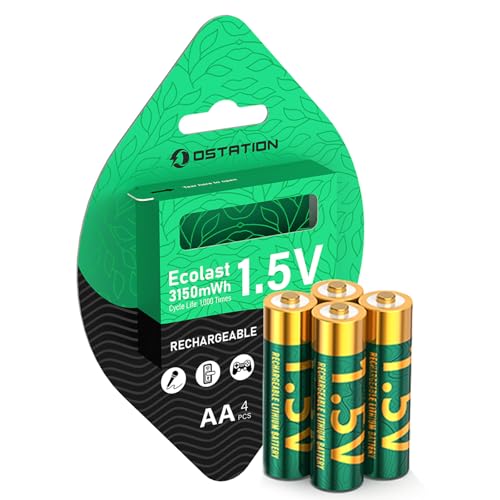
Ostation 1.5V AA Rechargeable Lithium Batteries 2100mAh 4 Pack

Eneloop K-KJ55MCA4BA Quick Charger with 4 AA Batteries

Ostation 2 Pro AA AAA Battery Charging Station w/ 24 Batteries

Ostation 1.2V AAA Rechargeable Batteries 800mAh NiMH
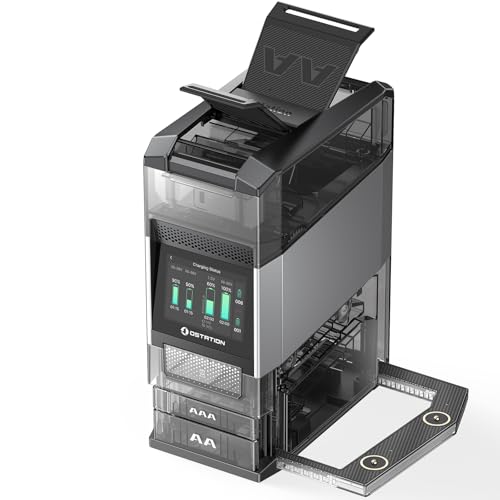
Ostation 2 Pro AA AAA Charging Station (NiMH and Lithium)

Ostation 2 Smart AA AAA Charging Station 3-in-1

Eneloop BQ-CC55KSBHA Pro Charger with AA and AAA Batteries

Ostation Rechargeable AA/AAA Bundle with 2 Pro Charger

Ostation 2 AA AAA Charging Station with 24 Batteries
Meet The Standout Selections
These Ostation AA cells are not the typical NiMH chemistry that powered the Eneloop charger earlier. They run at a steady 1.5V output, which matters for high-drain gear that browns out when standard rechargeables sag under load. Each cell packs 2100mAh (3150mWh total energy) and carries a built-in BMS (Battery Management System) chip that talks to Ostation 2 series chargers.
For smart-home sensors and game controllers that get punishing daily cycles, that constant voltage curve keeps response snappy instead of sluggish. The trade-off is that you need a compatible Ostation 2 charger to unlock the smart regulation, and these cells cost more up front than a NiMH four-pack. Owners chasing steady voltage for demanding electronics get the cleanest experience.
What Earns Its Place
- Constant 1.5V output prevents device brownout during heavy use
- Built-in BMS chip communicates with Ostation 2 series chargers for safer, more efficient cycles
- 2100mAh per cell gives serious runtime in gamepads and flashlights
- Lithium chemistry handles high-drain devices better than standard NiMH
Things To Consider
- Smart charging features only activate with Ostation 2 series chargers
- Higher per-cell cost than a basic NiMH four-pack
Feature Snapshot
Best Suited To
Tech-heavy households running smart-home gear, wireless controllers, and high-drain devices that suffer when voltage sags.
Where Another Pick Suits Better
The Eneloop K-KJ55MCA4BA Quick Charger with 4 AA Batteries is the friendlier starting point for someone buying their first rechargeable setup on a tighter budget.
The Eneloop K-KJ55MCA4BA is the classic starter kit most people picture when they hear “rechargeable AA”. It bundles four pre-charged NiMH (Nickel-Metal Hydride) AA cells with a four-bay wall charger that tops off in roughly three hours per slot. Cells arrive ready to drop into a remote or a mouse.
These are low-self-discharge NiMH cells, meaning they hold their charge sitting in a drawer for months. Compared to the lithium cells reviewed above, voltage drops gradually under load, so ultra-high-drain flashes may dim sooner. For everyday remotes, clocks, and game controllers, the Eneloop name is hard to argue with.
Real Benefits
- Pre-charged at the factory using solar energy, so they work straight from the box
- Low self-discharge chemistry holds up to 70% charge after long storage
- Three-hour individual bay charging fits a typical overnight routine
- Cells are rated for thousands of recharge cycles
Worth Noting
- Only four charging slots limits batch turnaround for big households
- No AAA support, even though Panasonic sells matching cells separately
- Voltage tapers under heavy load, unlike 1.5V lithium alternatives
Made For
First-time rechargeable shoppers who want a recognizable brand, a simple wall charger, and cells that arrive ready to use.
Skip It When
The Ostation 2 Smart AA AAA Charging Station 3-in-1 makes more sense for families juggling dozens of cells at once across both AA and AAA formats.
Think of the Ostation 2 Pro as a benchtop command center for cells. It handles up to 24 batteries in one dock, doubles as a tester, and doubles as an organizer so cells stop migrating between junk drawers. Smart sorting routes power where it is needed, and real-time monitoring shows charge progress without guesswork.
The two extra magnetic ports on the side are a quietly brilliant addition for Olight flashlight owners, since specific Baton and Warrior series lights dock right onto the station. This is a real upgrade over the small Eneloop four-bay wall unit above, though it demands counter space and a power outlet. Power users with deep battery inventories get the most mileage.
What Helps Most
- 24-slot capacity means a full household rotation stays topped off
- Built-in tester identifies weak cells before they ruin a device
- Dual MCC magnetic ports charge Olight Baton and Warrior flashlights
- Thermal-adaptive charging protects cells during long sessions
Trade Offs
- Takes up meaningful counter or shelf real estate
- Premium pricing compared to four-bay starter kits
- Magnetic flashlight ports only help Olight owners with compatible lights
The Right Fit
Pros, content creators, and gear-heavy households who burn through cells weekly and want one dock to rule them all.
Look Elsewhere When
The Eneloop K-KJ55MCA4BA Quick Charger is a smarter pick for a small apartment that just needs to keep four remote batteries alive.
AAA cells tend to disappear faster than AA, because remotes, small electronics, and many TV remotes lean on them. These Ostation AAA cells deliver 800mAh of low-self-discharge NiMH capacity and survive up to 300 recharge cycles per the IEC 61951-2 standard (an industry benchmark for rechargeable cell endurance).
They pair cleanly with the Ostation 2 Pro and Smart stations covered elsewhere in this list, which is the main reason to grab them. As a standalone purchase without a compatible dock, the appeal drops since you will need your own NiMH charger. For remotes, small toys, and flameless candles, the runtime is solid and predictable.
Everyday Advantages
- 800mAh capacity handles typical AAA electronics for weeks at a time
- Low self-discharge chemistry sits patiently in a drawer for months
- Rated for up to 300 recharge cycles under IEC 61951-2 standards
- Plugs into the same Ostation 2 ecosystem as the AA cells above
Honest Caveats
- Requires a separate NiMH-compatible charger to use
- Lower capacity than some premium AAA cells aimed at camera gear
Whose Shelf It Belongs On
Anyone who already owns an Ostation 2 series station and needs reliable AAA cells to round out the rotation.
Reach For A Different Pick When
The Ostation Rechargeable AA/AAA Bundle with 2 Pro Charger ships both formats and the dock in one box, saving the separate purchase for households starting fresh.
Most of the Ostation entries in this list bundle batteries with the dock. This listing is the bare station, intended for shoppers who already own a stockpile of NiMH and Ostation lithium cells and just need the charging hub. It accepts up to 24 cells across AA and AAA slots, with smart sorting and thermal-adaptive charging.
The trade-off is obvious: no cells ship in the box, so the dock sits empty until you supply your own. It is also the only way to add Olight flashlight magnetic charging without re-buying the bundled version covered earlier. The honest read is that this is the right call for upgrading households and the wrong one for true beginners.
Where It Delivers
- 24-slot capacity matches the Pro version with batteries bundled
- Compatible with both NiMH and Ostation 1.5V lithium cells
- Smart sorting and thermal-adaptive charging protect older cells
- Dual MCC magnetic ports for compatible Olight flashlights
Possible Compromises
- No cells included, so the dock is useless on day one without backup batteries
- Counter footprint is the same as the bundled Pro version
Built With In Mind
Existing Ostation users upgrading from an older dock or migrating from a different brand of rechargeable setup.
A Better Fit Elsewhere
The Ostation 2 Smart AA AAA Charging Station 3-in-1 covers similar ground with a friendlier entry price and the same polarity-free slot design for new shoppers.
The Smart version of the Ostation 2 strips away the extras to focus on the everyday family use case. The standout feature is polarity-free slots, meaning you can drop a cell in either direction and the charger figures it out. For households where kids and partners grab batteries without looking, that single detail prevents a lot of frustration.
It still functions as a charger, tester, and organizer for up to 24 cells, and it accepts any brand of NiMH plus Ostation 1.5V lithium cells. Compared to the Pro version covered above, you lose the magnetic Olight flashlight ports, which most households will not miss. Auto detection and fast charging round out a polished first dock.
Strengths Worth Knowing
- Polarity-free slots accept cells in either direction, no fumbling required
- Auto detection identifies NiMH versus lithium chemistry on the fly
- 24-slot organizer doubles as drawer-style storage when not charging
- Compatible with any brand of NiMH plus Ostation lithium cells
Points To Note
- No magnetic flashlight ports like the Pro version offers
- Fast charging generates more heat than trickle modes on legacy NiMH cells
Right Fit For
Families and shared living spaces that want one easy-to-use dock everyone can operate without thinking about orientation.
Not Your Match When
The Ostation 2 Pro AA AAA Battery Charging Station w/ 24 Batteries makes more sense for Olight flashlight owners who want the magnetic dock built in.
The Eneloop BQ-CC55KSBHA is the company’s higher-tier quick charger, paired here with a full set of pro-grade AA and AAA cells rated for 2100 charge cycles. The big upgrade over the basic K-KJ55 reviewed above is per-cell monitoring: four independent LED indicators (green, orange, red) tell you exactly how charged each bay is, so you can pull the cells that finish first and keep the rest going.
AA cells deliver up to 2000mAh typical capacity, and AAA cells follow the same pro-grade chemistry. The trade-off is a higher per-cell cost than the standard Eneloop white-label cells, and the charger only handles four bays at a time. Households that prize longevity and per-cell health visibility get the cleanest experience here.
The Good Stuff
- Four independent LEDs report remaining charge per slot in three color stages
- Pro cells rated for up to 2100 recharge cycles each
- AA cells deliver up to 2000mAh typical capacity for demanding devices
- Works with both eneloop and eneloop pro AA and AAA cells
Things To Weigh
- Only four charging slots compared to the 24-slot Ostation stations
- Pro-grade cells cost more per cell than standard Eneloop white-label cells
Quick Facts
Who Will Love This
Photographers, audio gear users, and pros who need reliable cells with clear health diagnostics and long cycle life.
Swap It Out When
The Ostation 2 Smart AA AAA Charging Station 3-in-1 wins for larger families who need to rotate dozens of cells rather than charge four at a time.
This bundle is the full meal: the Ostation 2 Pro dock, 24 AA lithium cells, and 24 AAA NiMH cells, totaling 48 cells ready to deploy. It is the most complete kit on this list, designed for households, offices, and creator studios that burn through cells faster than a single four-bay charger can keep up.
The 2 Pro dock stores 12 AA and 12 AAA at once, doubling as the testing and sorting hub from the review above. The AA lithium cells are rated for up to 1000 recharge cycles, and the AAA NiMH cells match the 800mAh Ostation pack covered earlier. For most shoppers, the size is overkill, but for a busy home it eliminates battery anxiety entirely.
Good Reasons To Consider
- 48 cells included means an entire household rotation is covered from day one
- 2 Pro dock with smart sorting handles 12 AA plus 12 AAA at once
- AA lithium cells rated for up to 1000 recharge cycles
- Eliminates the need to ever buy disposable batteries again
Factors To Consider
- Bulk purchase is overkill for a one- or two-person apartment
- Higher total cost than any individual dock or battery pack on this list
Feature Snapshot
Perfect Match For
Large families, home offices, and creator studios that consume batteries weekly and want to lock in one bulk purchase.
Consider Something Else When
The Eneloop BQ-CC55KSBHA Pro Charger with AA and AAA Batteries is the cleaner choice for a single user who values per-cell health diagnostics over bulk capacity.
Think of this as the middle child between the Smart dock and the full Pro bundle. It pairs the standard Ostation 2 charging station with 24 cells included, giving mid-size families a workable starter ecosystem without the 48-cell commitment of the bundle reviewed just above. The dock covers all the basics: charger, tester, and organizer for AA and AAA.
It accepts any brand of NiMH and Ostation 1.5V lithium cells, which is the same compatibility story as the rest of the Ostation 2 line. You miss out on the magnetic Olight flashlight ports that come with the Pro version, but most households will not notice. The practical read is that this is the everyday workhorse pick, balanced between capacity and cost.
Features That Help
- 24 cells included, covering both AA and AAA formats from the start
- Standard Ostation 2 dock with charger, tester, and organizer in one
- Smart sorting routes power to cells that need it most
- Compatible with any brand of NiMH plus Ostation lithium cells
Details To Watch
- No magnetic flashlight ports compared to the Pro version
- 24 cells is a smaller starting pool than the 48-cell bundle
Who Should Grab It
Mid-size families who want a complete dock-and-cells package without committing to the full 48-cell bundle.
Where A Sibling Pick Shines
The Ostation 2 Pro AA AAA Battery Charging Station w/ 24 Batteries adds Olight flashlight magnetic ports for users who want that extra feature baked in.
What Matters Most When Picking A Rechargeable Setup
Choosing a charger comes down to three honest questions: how many cells do you actually use each month, and what chemistry does your gear need? NiMH cells (like the Eneloop lines covered above) are affordable, well-understood, and work in nearly every AA and AAA device. 1.5V lithium cells (like the Ostation AA pack) hold their voltage steady under heavy load, which matters for game controllers and smart-home gear that browns out when standard rechargeables sag.
Capacity Versus Cell Count
Capacity in mAh (milliampere-hours) tells you how long a cell runs on a single charge, while the slot count tells you how many cells you can keep ready at once. A 2100mAh AA cell outlasts a 2000mAh cell in the same device, but the difference often matters less than cycle life. Cells rated for 1000 to 2100 cycles last years before noticeable degradation, and that is the number worth chasing over a small capacity bump.
Charging Speed And Safety Features
Fast chargers save time but generate more heat, which can shorten cell lifespan over years of use. Look for chargers with thermal-adaptive regulation (the Ostation stations reviewed above all do this) and per-cell monitoring (the Eneloop CC55 with its color-coded LEDs is a strong example). Trickle or maintenance modes help cells that sit in the dock for days without use.
Format Flexibility
Most households need both AA and AAA, so chargers that accept both save the hassle of buying two docks. Polarity-free slots (a Smart station feature covered above) remove a small but real friction point when the kids grab a cell without looking. Magnetic flashlight ports only matter if you already own compatible Olight lights, so most shoppers can skip that feature without a second thought.
Key Considerations Across These Picks
Pitfalls Shoppers Hit
The most common mistake is buying cells without confirming the charger accepts that chemistry. NiMH and 1.5V lithium cells are not interchangeable, and a mismatched setup can refuse to charge or underperform. Another trap is underestimating slot count. A four-bay charger sounds fine until a household with three game controllers and a wall full of remotes drains everything overnight, leaving nothing ready the next morning. Plan for at least double the cells you think you need, so a charged rotation is always available while yesterday’s cells are refilling.
Why Top Tier Costs More
The jump from a basic four-bay wall charger to a 24-slot station reflects real engineering, not just branding. Smart sorting, thermal-adaptive regulation, per-cell monitoring, and built-in testers all require extra circuitry and firmware, which raises the bill of materials. For shoppers who burn through cells weekly, the upgrade pays off in time saved and weak cells caught early. For a small apartment that uses eight cells a year, the basic kit is plenty, and spending more does not change the experience.
Frequently Asked Questions
How long do rechargeable AA batteries actually last per charge?
Most modern NiMH AA cells run for several weeks in low-drain remotes and a few days in game controllers. The 1.5V lithium cells reviewed above hold their voltage flat, so high-drain devices feel snappy until they cut off suddenly rather than gradually fading.
Can I mix brands of rechargeable cells in the same charger?
In most cases, yes, the Ostation 2 series stations and similar smart chargers accept NiMH from any brand alongside their own lithium cells. Mixing old and new cells of the same chemistry is generally safe, but check the charger’s manual for any brand-specific restrictions.
How many charge cycles should I expect before replacement?
Cycle life varies widely by chemistry and brand. The Eneloop pro cells reviewed above are rated for 2100 cycles, while the Ostation lithium cells are rated for up to 1000 cycles. In real-world terms, that translates to several years of daily charging before noticeable capacity loss.
Do I need a separate charger for AAA and AA cells?
No, most modern multi-format chargers handle both sizes in the same slots, and the Ostation 2 series stations covered in this list accept up to 24 mixed AA and AAA cells at once. Dedicated single-format chargers still exist, but they are becoming rare outside specialty photography gear.
Is a smart charging station worth the higher cost over a basic wall charger?
For households that go through cells regularly, a smart station with per-cell monitoring, testing, and thermal regulation pays for itself in convenience and longer cell life. For a one- or two-cell-per-month use case, a basic four-bay wall charger is plenty and saves meaningful money up front.
Wrap Up
The right AA battery charger depends entirely on your cell volume and chemistry needs. Small households with light remote use get plenty from a basic four-bay kit, while busy families and creator studios benefit from a 24-slot smart station that doubles as an organizer and tester. Match the dock to your real consumption, not the worst-case week, and your drawer stops filling with dead disposables within a few months.