A chirping smoke detector at 2 a.m. is one of those small headaches that costs real sleep, and the fix usually takes less than a minute once you have the right cells on hand. Most ionization and photoelectric units built in the last decade run on either a 9V or a pair of AAs, and the AA models are everywhere from hallway ceilings to basement workshops.
The honest read is that any fresh alkaline cell will technically power a smoke alarm, but shelf life, leak resistance, and voltage stability under low drain matter more than people expect. A battery that quietly self-discharges in the junk drawer for three years won’t help you when a detector starts chirping on a holiday weekend.
Below are eight solid AAs worth keeping on your shelf, organized so you can match them to the detectors in your home, your climate, and how often you actually remember to test them.
Your Options, Compared

Duracell Coppertop AA Batteries 24 + 16 Pack

KODAK AA Alkaline Batteries 24 Pack LR6

Energizer AA Alkaline Power 32 Pack

Duracell Coppertop AA 28 Count Storage Tray

Energizer MAX AA and AAA 48 Pack
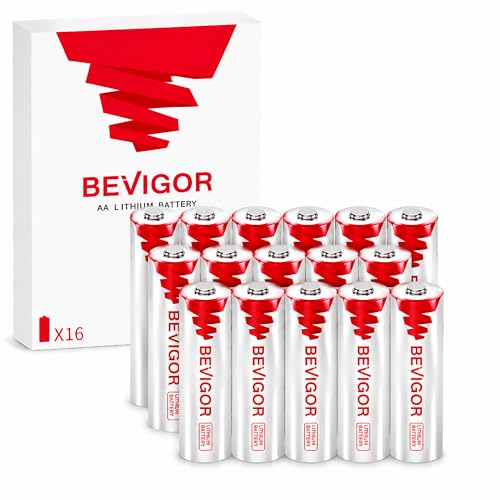
BEVIGOR 1.5V Lithium AA 16 Pack

BEVIGOR High-Capacity Lithium AA 24 Pack

BEVIGOR Ultra Long-Lasting Lithium AA 8 Pack
What Each Pick Brings To The Table
A household with three or four AA-powered smoke detectors will burn through cells faster than most people expect, especially if a unit sits near a kitchen and chirps during cooking incidents. The Duracell Coppertop AA Batteries 24 + 16 Pack solves the bulk problem in one go, giving you 40 fresh alkalines plus the brand recognition that most homeowners already trust.
For most families replacing batteries on a yearly cycle, this bundle covers a couple of full rotations across multiple detectors plus the remote controls, flashlights, and toys that share the same drawer. It is the kind of purchase you make once and forget about.
What Works In Its Favor
- 40 total cells, which keeps detectors and remotes covered for roughly two replacement cycles.
- Power Boost ingredients designed to hold voltage under the low, steady drain of a smoke alarm.
- Recognized alkaline chemistry, meaning broad compatibility with photoelectric and ionization units.
- Comes in two inner packs, useful for splitting between a kitchen drawer and a hallway closet.
Things To Consider
- Alkaline cells can swell or leak if left installed past their useful life, so a date-marking habit helps.
- Bulk alkaline is heavier than lithium, which matters if you carry spares in a small emergency kit.
Who It Suits Best
Multi-detector households that want one trip to cover a full year of detector swaps and the rest of the AA-powered gear on the shelf.
Consider Something Else When
Cold garages or sheds will get longer life from the BEVIGOR 1.5V Lithium AA 16 Pack, since lithium chemistry tolerates sub-freezing temperatures far better than alkaline.
KODAK’s Xtralife line tends to fly under the radar compared to the household-name alkalines, but the AA Alkaline Batteries 24 Pack LR6 hits a useful middle ground. You get 24 fresh AAs rated at the standard 1.5V, sized for the LR6 form factor, which is what most residential smoke detectors expect.
This is the right shape for a small apartment or a backup drawer where you want a single pack that will not expire before you use it. Owners who rotate batteries seasonally will find the count lands right between minimal and excessive.
Good Reasons To Consider
- 24-pack size covers roughly one full detector rotation for a two to three unit home.
- Standard LR6, 1.5V alkaline chemistry, universally accepted by AA-powered alarms.
- Cost per cell lands lower than name-brand 4-packs.
- Slim retail box, easier to tuck into a closet shelf than bulkier multipacks.
Worth Noting
- Self-discharge in storage is faster than lithium, so writing the purchase date on the box protects you from grabbing expired cells.
- Less widely distributed for in-store replacement, which means you rely on shipping if a detector chirps unexpectedly.
Made For
Renters or smaller households with one or two AA smoke detectors who want a tidy 24-pack and do not need 40 cells crowding the drawer.
Skip It When
A whole-home rotation is on the agenda, in which case the larger Duracell Coppertop AA 28 Count Storage Tray is the more efficient grab.
Energizer has built its reputation in low-drain household devices, and the Energizer AA Alkaline Power 32 Pack leans into that heritage. Thirty-two cells land in that sweet spot where you are covered for a yearly rotation plus the smaller electronics that share the same drawer.
Unlike the bulk Duracell bundle that opened this list, this pack feels right for a mid-size family that uses a handful of AA devices but does not want to commit to 40 cells at once. The brand consistency across the kitchen, garage, and bedside remotes is a quiet plus.
The Upside
- 32-count format hits a middle ground, useful for households with two to four detectors.
- Alkaline Power chemistry tuned for the slow drain typical of alarms and remotes.
- Wide retail availability, so you can replace a depleted pack on short notice.
- Compatible with virtually every AA-powered smoke alarm on the market.
Trade Offs
- Alkaline cells can leak if a detector sits untouched for years, so replacement scheduling matters.
- Heavier to ship in a single large box compared with a smaller 8-pack.
Right Fit For
Mid-size households replacing detectors every 12 months and running several AA-driven remotes alongside them.
Look Elsewhere When
Cold-storage detectors are the priority, in which case the BEVIGOR High-Capacity Lithium AA 24 Pack outperforms alkaline in unheated spaces.
The Duracell Coppertop AA 28 Count Storage Tray borrows the same Power Boost ingredient list as the larger bundle but wraps it in a hard plastic organizer instead of two soft packs. That tray is genuinely useful in a kitchen drawer where loose cells rattle around and slip behind the oven.
Compared to the 40-count bundle earlier, this 28-cell version trades eight cells for a tidier storage footprint. For homeowners who care about labeling and rotation, the tray acts as a built-in date-tracking grid.
Points In Its Favor
- Hard storage tray doubles as a date-tracking grid and a travel case.
- 28 cells cover most households for a full detector rotation plus spares.
- Power Boost ingredients maintain voltage under the long, low draws of a smoke alarm.
- 12-year storage claim matches the longest alkaline shelf lives in the category.
Honest Caveats
- Tray is bulky, so it fits a kitchen drawer better than a small shelf or emergency go-bag.
- Alkaline, not lithium, so sub-freezing garages and sheds will drain it faster than a lithium pack.
Best Suited To
Homeowners with multiple detectors who want an organized, date-markable alkaline stash they can rotate through year after year.
A Better Fit Elsewhere
Single-detector replacement in a cold garage is better served by the compact BEVIGOR Ultra Long-Lasting Lithium AA 8 Pack.
Smoke detectors are not the only AA-powered device in a typical home, and most remote controls have moved to AAA. The Energizer MAX AA and AAA 48 Pack addresses both, giving you 24 AAs and 24 AAAs in one box for the mixed-fleet household.
This is the kind of bundle that makes sense for new homeowners replacing every battery on day one. Anyone with a smart-home hub, a thermostat remote, and a couple of detectors will use the whole pack within a year.
Standout Benefits
- Combo pack covers both AA detectors and AAA remotes in a single purchase.
- Energizer MAX alkaline chemistry is tuned for the long shelf life that alarms and remotes need.
- Single shipment replaces a full household’s worth of spares.
- Plastic case inside the box keeps cells separated by size, reducing mix-ups.
Small Caveats
- Half of the cells are AAA, so households running only AA-powered alarms may prefer a dedicated AA pack.
- Alkaline shelf life still trails lithium in extreme cold, which matters for unheated spaces.
Whose Shelf It Belongs On
New homeowners or renters who want a one-time purchase to cover detectors, remotes, and small electronics across the whole home.
Swap It Out When
Garage and attic detectors are the priority, since the BEVIGOR 1.5V Lithium AA 16 Pack is better tuned for cold, unheated locations.
Garages, attics, and detached workshops punish alkaline batteries. Cold drains them faster, and heat speeds up self-discharge. The BEVIGOR 1.5V Lithium AA 16 Pack addresses that directly with a chemistry rated for a much wider temperature range and a claimed 20-year shelf life.
You may find lithium priced higher than alkaline on a per-cell basis, but the long shelf and cold tolerance justify it for any detector in an unconditioned space. Sixteen cells cover four detectors with spares left over.
Where It Delivers
- Lithium chemistry performs far better in cold garages and unheated attics than alkaline.
- 20-year shelf claim, double the typical alkaline rating, ideal for emergency stashes.
- Lightweight cells, easier on ladders and tall ceilings.
- Stable 1.5V output across most of the discharge curve, which smart detectors respond to well.
Practical Considerations
- Per-cell cost runs higher than alkaline, so whole-home rotations can add up.
- Some older detectors specify alkaline only, so check your manual before swapping in lithium.
Key Specs
Perfect Match For
Garage, attic, and basement detectors running in unconditioned spaces, plus anyone stocking an emergency kit that may sit untouched for years.
Where A Sibling Pick Shines
Whole-home kitchen rotations at room temperature are more cost-efficient with the Duracell Coppertop AA Batteries 24 + 16 Pack.
The BEVIGOR High-Capacity Lithium AA 24 Pack is the brand’s larger step up from the 16-pack above, layering an upgraded cell design onto the same lithium platform. You get eight more cells and a slightly higher per-cell capacity, which translates into fewer swaps on multi-detector properties.
For most homeowners running six to ten detectors, this pack lands right. It is the kind of thing you buy when you have already done the first lithium swap and want to standardize going forward.
The Good Stuff
- Higher per-cell capacity than standard lithium AA, useful in high-drain smart detectors.
- 24 cells cover roughly four to six detectors with spares.
- 20-year shelf life keeps the pack viable as a long-term emergency supply.
- Lightweight design makes ladder work less of a strain.
Points To Note
- Per-cell cost is the highest in this roundup, so smaller households may not need 24.
- Some legacy alarms are designed around alkaline voltage curves, so confirm compatibility before fully converting.
Built With In Mind
Owners of multi-detector properties running smart alarms with frequent self-test chirps that drain alkaline cells quickly.
Reach For A Different Pick When
You only need to refresh one or two alarms and would rather not overbuy, in which case the compact BEVIGOR Ultra Long-Lasting Lithium AA 8 Pack is the tighter fit.
The BEVIGOR Ultra Long-Lasting Lithium AA 8 Pack is the right size when a single detector is chirping and you only want to buy what you need. Eight cells cover a typical AA-powered alarm (which runs on two or four cells) with backup for the next event.
Compared to the larger BEVIGOR bundles above, this one is closer to a just-in-time replacement. The same 20-year shelf claim and 1.5V lithium chemistry apply, just at a friendlier pack size.
Real Benefits
- Right-sized pack for a single-detector swap without buying dozens of extra cells.
- Lithium chemistry handles cold spots far better than alkaline.
- 20-year shelf claim makes leftovers useful long-term.
- Stable 1.5V output supports both legacy and modern alarm designs.
Less Ideal Details
- Eight cells limits the use to one or two detectors, so multi-detector homes will need multiple packs.
- Per-cell cost is higher than alkaline equivalents, a fair trade for the chemistry upgrade.
Key Specs
Who Will Love This
Homeowners facing a single chirping detector in a cold garage or attic who want lithium chemistry without buying a 24-pack.
Not Your Match When
You need a whole-home rotation, in which case the Duracell Coppertop AA Batteries 24 + 16 Pack remains the more efficient alkaline choice.
Picking The Right Cells For Your Detectors
Choosing AA cells for smoke detectors is mostly about matching chemistry to the room the alarm lives in. Alkaline cells, the most common household battery chemistry, work well in climate-controlled hallways and bedrooms where temperatures stay between roughly 60 and 80 degrees Fahrenheit. Lithium AA cells cost more per unit but tolerate the temperature swings of garages, attics, and sheds, and they hold their charge for years on a closet shelf.
Pack size is the second decision. A 24 to 32 pack fits a small apartment with two or three detectors, while homes with five or more alarms benefit from 28 to 40-count bundles. Date-marking the pack the day it arrives protects you from grabbing expired cells when a detector chirps three years later.
Finally, pay attention to the manual. Some older alarms explicitly call for alkaline and may interpret lithium’s flatter voltage curve differently. When in doubt, the manufacturer’s recommendation wins.
Key Considerations Across These Picks
Common Shopping Slip Ups
The most frequent mistake is buying the cheapest possible alkaline cells without checking the manufacture date. Old stock loses capacity sitting on a warehouse shelf, and a smoke detector installed with weak batteries will chirp within months. Look for fresh packaging and write the date on the cell before installing it.
Another trap is assuming lithium AA cells are interchangeable with alkaline in every alarm. Most modern units accept both, but a handful of legacy models calibrate their low-battery alerts to alkaline voltage curves. Check the manual before fully converting a home.
Why Top Tier Costs More
Premium lithium chemistry costs more because the raw materials and manufacturing tolerances are tighter than alkaline production. The result is wider operating temperature ranges, much longer shelf life, and a flatter voltage curve that smart detectors read more accurately. For unheated spaces or emergency kits that may sit untouched, the upgrade typically pays for itself in fewer false low-battery chirps and longer replacement intervals.
Frequently Asked Questions
How often should I replace AA batteries in a smoke detector?
Most manufacturers recommend a fresh set at least once a year, even if the chirp hasn’t started. Some newer 10-year sealed lithium units are designed differently, but for a standard AA-powered alarm, an annual swap during daylight saving time is a reliable habit.
Can I use rechargeable AA batteries in a smoke detector?
Rechargeable NiMH cells self-discharge faster than alkaline or lithium and often drop below the voltage a smoke alarm considers “low” while still holding a usable charge. Most detector manuals specifically warn against them, so stick with primary (non-rechargeable) cells.
Are lithium AA batteries safer than alkaline in smoke alarms?
Lithium cells are less likely to leak alkaline electrolyte, a common cause of corroded battery compartments in detectors that have sat untouched for years. They also maintain voltage better in cold spaces, which reduces nuisance low-battery chirps in garages and attics.
What is the difference between AA and LR6 batteries?
LR6 is simply the IEC designation for an AA-sized alkaline cell. When a smoke detector manual lists LR6, any standard AA alkaline or lithium battery that meets the same 1.5V specification will fit.
Is it worth paying more for name-brand batteries?
For high-stakes devices like smoke alarms, name-brand cells typically deliver more consistent quality control and longer shelf life than off-brand alternatives. The cost difference per cell is small relative to the safety role the battery plays.
Wrap Up
A working smoke detector depends entirely on the cells inside it, and a five-minute annual swap is the cheapest safety upgrade in any home. Match the chemistry to the room, pick a pack size that matches the number of detectors you maintain, and write the date on the cells before they go in.