Trail cameras live a hard life. They sit in freezing mornings, sweltering afternoons, and weeks of rain between the moment you mount them and the moment you actually check the SD card. The AA cells powering them take every one of those weather swings head-on, which is exactly why the choice matters more than most folks realize. Alkaline cells handle mild weather fine, but lithium chemistry tends to outlast cold snaps and humid months by a wide margin. This roundup covers the most dependable AA options for hunters, wildlife watchers, and property owners who need their cameras to stay awake all season.
The Main Contenders

Energizer AA Alkaline Power 32-Pack


Energizer MAX AA and AAA 48-Count Combo

Duracell Coppertop AA 24-Pack MN1500

Duracell Coppertop AA + AAA 56-Count

Duracell Coppertop AA 28-Pack with Power Boost
BEVIGOR 1.5V Lithium AA 16-Pack

BEVIGOR High-Capacity Lithium AA 24-Pack

BEVIGOR Ultra Lithium AA 8-Pack
Thirty-two alkaline cells in a single box is a comfortable starting point for someone running a couple of cameras through spring scouting season. Alkaline chemistry, the most common type in household batteries, trades raw endurance for an approachable cost, and Energizer’s Power line sits at a familiar middle of the road. For property owners who swap cells monthly rather than stretching intervals, this 32-pack keeps the rotation simple.
Bulk counts matter when every camera chews through eight AAs at a time. A modest two-camera setup resets with a single box, leaving spares in the truck for unplanned top-offs. The trade-off compared to the lithium options lower on this list shows up the moment temperatures drop near freezing.
Positive Points
- Large count covers two to four full camera swaps without restocking.
- Familiar alkaline chemistry works in any standard AA compartment.
- Accessible price per cell makes seasonal replacement painless.
- Wide retailer availability means emergency top-offs stay easy.
Points To Keep In Mind
- Alkaline cells lose usable capacity in cold weather, so winter hunters may see shorter runs.
- Higher self-discharge than lithium means spares stored in the truck lose charge over months.
Feature Snapshot
Right Fit For
Beginners running a pair of cameras through mild-weather scouting months who value simple restocking over extended runtime.
Look Elsewhere When
Cold-weather hunters in northern climates should consider the BEVIGOR 1.5V Lithium AA 16-Pack for steadier winter output.
Duracell’s Coppertop tray leans hard into the “stockpile and forget” use case. Twenty-eight cells arrive in a resealable storage tray rather than a blister pack, which is a small touch that pays off when you tuck the extras in a closet for next season. The advertised twelve-year shelf life (a measure of how long cells retain usable charge sitting unused) puts these batteries on par with the best long-storage alkaline options on the market.
Compared to the Energizer Alkaline Power 32-Pack above, you trade four cells for a tray that actually helps you stay organized. Hunters who prep a year in advance and only deploy cameras seasonally get the most out of that storage design.
A Few Strong Suits
- Resealable tray keeps unused cells organized between seasons.
- Twelve-year storage rating covers multi-year planning without recharging.
- Duracell’s POWER BOOST additive blend supports steadier output across the cell’s life.
Trade-Offs To Consider
- Alkaline chemistry still lags behind lithium in freezing temperatures.
- Slightly smaller count than the 32-pack option above at a similar price tier.
Feature Card
Built With In Mind
Seasonal hunters who store batteries for months between trips and want their stash organized and ready.
Reach For A Different Pick When
Anyone running year-round cameras in cold climates should weigh the BEVIGOR High-Capacity Lithium AA 24-Pack instead.
Mixing camera batteries with TV remotes and headlamps happens more than most people would like to admit. The MAX combo splits 24 AAs and 24 AAAs into a single purchase, removing the guesswork from the junk drawer. Both sizes carry Energizer’s leak-resistant seal claim, which matters when spare cells sit in a hot truck for weeks.
Where the Duracell Coppertop tray leans into long-term storage, this combo leans into daily versatility. Hunters who also run smaller gear around camp get the cleanest one-stop restocking option in this roundup.
What Stands Out
- Two common sizes in a single order simplify restocking.
- Up to twelve-year storage retention matches the premium alkaline options.
- Leak-resistant design helps when cells sit in temperature swings.
Some Limits To Know
- Half the count is AAA, so pure trail-camera users see fewer usable AAs per pack.
- Alkaline voltage drops faster than lithium in sub-freezing weather.
Who Should Grab It
Households and hunters who run both AA trail cameras and AAA remotes or headlamps and want one purchase to cover both.
Skip It When
Pure trail-camera users who burn through AAs faster than AAAs should grab the Energizer AA Alkaline Power 32-Pack instead.
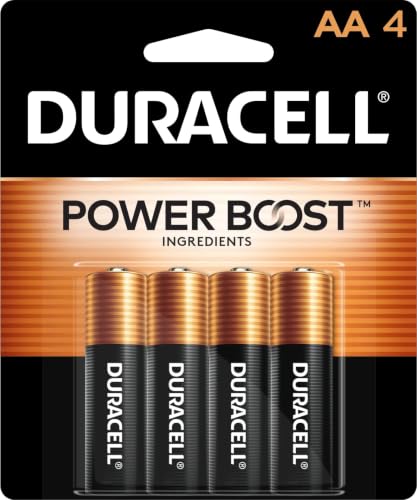
Sometimes a full multi-pack is overkill. The 4-count Coppertop fills the role of “two cells died and I need replacements before sunrise.” The retail-friendly 4-pack ships in compact packaging that fits in a glove box or jacket pocket, which makes it the smallest unit on this list by a wide margin.
It costs more per cell than any of the larger packs above, but the convenience shows up when one camera dies mid-trip and you only need to replace two cells. The alkaline chemistry holds the same dependable profile as the bulk Coppertop options.
Real-World Strengths
- Portable size fits in glove boxes and field bags for emergency swaps.
- Duracell’s alkaline formulation matches the bulk packs above for consistency.
- Rated for operation from -4°F to 129°F, which covers most field conditions.
Where It May Fall Short
- Cost per cell is much higher than bulk packs.
- Four cells won’t fully reset an 8-cell camera in one go.
Whose Shelf It Belongs On
Outdoors folks who want a small emergency pack riding in the truck or pack for unexpected dead cells.
A Better Fit Elsewhere
Anyone rotating multiple units at once should pick up the Duracell Coppertop AA 24-Pack MN1500 for better value.
Twenty-four cells land squarely in the sweet spot for most two-camera setups. The MN1500 model number is the workhorse Duracell spec most folks have relied on for decades, and the ten-year in-storage guarantee (a published shelf-life window) keeps the backup box useful season after season.
Compared to the 28-count tray above, this 24-pack costs less per cell in many retail listings but ships without the resealable tray. For users who already own a battery organizer, that packaging difference matters less than the price spread.
Key Advantages
- Workhorse MN1500 spec trusted for everyday alkaline performance.
- Ten-year storage rating covers multi-season planning.
- Engineered for household items like remotes, toys, and trail cameras alike.
Practical Considerations
- Bulk packaging without the resealable tray means you may want your own organizer.
- Alkaline chemistry drains faster than lithium below freezing.
Made For
Multi-camera owners who want dependable alkaline cells without paying for tray-style packaging.
Consider Something Else When
Cold-climate hunters will see longer runtimes from the BEVIGOR 1.5V Lithium AA 16-Pack.
This is the bulk bin of the lineup, with 56 cells split between AA and AAA sizes in a single organized pack. Households running multiple cameras alongside flashlights, game controllers, and remotes can pull from one source for months. The re-closable packaging keeps the unused cells from rolling around the garage.
Where the smaller packs above target specific gaps, this one targets “I don’t want to think about batteries for a long time.” For trail cameras specifically, the AA half of the count covers three full 8-cell reloads.
Useful Touches
- Highest total cell count on this list keeps a household stocked for months.
- Re-closable pack design prevents loose cells from scattering.
- Twelve-year shelf life matches the premium alkaline tier.
Points To Note
- Larger up-front cost than smaller packs, even with better per-cell economics.
- Half the cells are AAA, which trail cameras do not use.
Best Suited To
Families and small property owners who want one annual battery purchase to cover both trail cameras and household gadgets.
Another Choice May Suit
Camera-only buyers without AAA demand should consider the Duracell Coppertop AA 28-Pack with Power Boost for a tighter fit.
The Power Boost ingredient blend is Duracell’s term for the additive chemistry that helps cells hold a steadier voltage (the electrical pressure a battery delivers) across their life. For trail cameras that wake up intermittently to take photos, that steadier curve can mean more consistent trigger timing late in the cell’s life. Twenty-eight AAs in a single pack covers three and a half camera reloads with spares to spare.
Pack sizes from 10 up to 20 are listed for this same product family on the retailer page, which lets shoppers scale the order to their exact need. That flexibility is genuinely useful for folks who want to test a small pack before committing to a larger one.
What Pays Off
- POWER BOOST blend supports stable voltage output across the cell’s life.
- Multiple pack sizes available let shoppers match their camera count.
- Twelve-year storage rating covers multi-year planning.
Honest Caveats
- Alkaline cells still struggle below freezing compared to lithium options.
- Cost per cell tends to run higher than the larger 56-count combo.
Perfect Match For
Standard trail-camera users in moderate climates who want dependable runtime without paying lithium prices.
Swap It Out When
Hunters deploying cameras in northern winters should consider the BEVIGOR Ultra Lithium AA 8-Pack for cold-weather reliability.
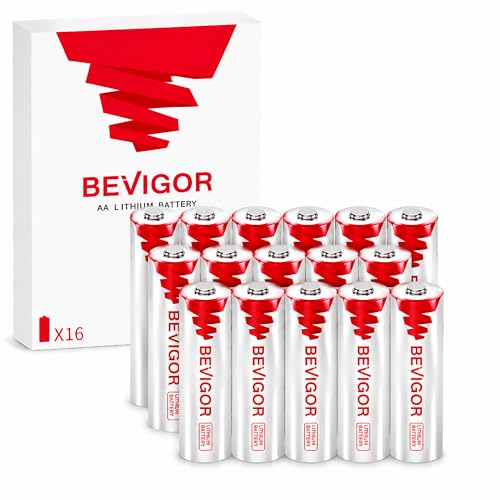
Lithium chemistry earns its premium in the conditions where alkaline cells quit early: cold mornings, damp nights, and long stretches between camera checks. BEVIGOR’s 16-pack delivers 1.5V lithium cells rated for a 20-year shelf life and a sub-1% annual self-discharge rate, which is the speed at which stored cells lose their charge while sitting unused. For remote properties where you cannot check cameras for weeks, that chemistry change often justifies the entire switch.
Compared to every alkaline option above, the lithium chemistry holds voltage better in freezing temperatures and weighs noticeably less. Hunters hauling gear into backcountry spots appreciate that weight savings on every trip.
The Helpful Details
- 20-year shelf life far exceeds any alkaline option on this list.
- Lithium chemistry maintains output in sub-freezing conditions.
- Lower weight than alkaline cells helps on backcountry trips.
- Marketed for trail cameras and smart-home devices alike.
Worth Bearing In Mind
- Higher cost per cell than alkaline alternatives.
- 16-pack covers only two full 8-cell camera reloads.
Quick Facts
Who Will Love This
Cold-weather hunters and remote-property owners who check cameras infrequently and need cells that keep working through winter.
Where A Sibling Pick Shines
Multi-camera owners with high cell turnover should step up to the BEVIGOR High-Capacity Lithium AA 24-Pack for better per-cell value.
The upgraded 1.5V lithium formula inside this 24-pack focuses on a more stable voltage curve, which means the cells deliver closer to full output for longer before tapering. For trail cameras that record high-resolution video or burst-mode photos, that steadier power often translates to fewer mid-season dropouts. Three full camera reloads fit in a single purchase.
Where the 16-pack above suits a two-camera setup, this 24-pack scales up to three or four units without forcing a second order. The same 20-year shelf life and sub-1% self-discharge apply, which keeps the spares ready when needed.
Where It Helps
- Higher capacity than the standard BEVIGOR lithium cells in similar sizes.
- Stable 1.5V output supports power-hungry trail camera features.
- 20-year shelf life beats every alkaline option on this list.
Factors To Consider
- Higher upfront cost than alkaline alternatives, even at bulk pricing.
- Lithium chemistry is not rechargeable, so spent cells go to recycling.
Core Details
Who It Suits Best
Long-deployment hunters running three or four cameras who want fewer mid-season battery runs and steadier voltage throughout.
Not Your Match When
Casual users running a single camera in mild weather will overpay for capacity they never tap into; the Energizer AA Alkaline Power 32-Pack fits better.
The Ultra line claims roughly 15% more usable capacity than standard lithium cells, which sounds modest until you stretch it across a full hunting season. Eight cells fit a single camera reload exactly, which makes this pack a clean “try lithium once” option for anyone curious about the upgrade. The same 20-year shelf life and sub-1% self-discharge apply.
Compared to the larger 16-pack and 24-pack lithium options above, this 8-pack trades bulk for accessibility. A single-camera owner who wants lithium chemistry without overstocking gets the cleanest entry point in this roundup.
Noteworthy Benefits
- Higher capacity than standard lithium cells extends per-cell runtime.
- Compact 8-pack suits single-camera owners without surplus.
- 20-year shelf life supports long-term backup storage.
Less Ideal Details
- Cost per cell is the highest among the BEVIGOR lineup.
- Eight cells cover only one full camera reload.
Right Fit For
Single-camera owners curious about lithium chemistry who want to test the upgrade without committing to a larger pack.
A Better Fit Elsewhere
Multi-camera users get better value from the BEVIGOR High-Capacity Lithium AA 24-Pack in the long run.
What Matters Most Before Choosing Aa Batteries For Trail Cameras
Match Chemistry To Your Climate
Alkaline cells handle moderate temperatures without complaint, but once a thermometer drops near freezing, their usable capacity shrinks fast. Lithium AA cells (a non-rechargeable chemistry built around lithium metal) keep a flatter voltage curve (the line of electrical pressure they deliver as they drain) across cold mornings and humid evenings, which is exactly the weather most trail cameras live in. Run a quick mental check on your lowest typical deployment temperature before choosing between the two chemistries.
Count Cells Against Your Camera Setup
Most trail cameras swallow eight AAs per load. A two-camera rotation needs sixteen cells per swap, a three-camera rotation needs twenty-four, and so on. Buying in multiples of eight removes guesswork and keeps spares aligned with real demand. The bulk packs on this list match that math cleanly, while smaller 4 and 8-count packs serve as emergency top-offs rather than full rotations.
Storage Life Affects Real Buying Habits
A twelve-year shelf life on alkaline cells and a twenty-year rating on lithium both buy you the freedom to stockpile ahead of season. If you only deploy cameras once a year, that storage rating matters more than per-cell price. Long-shelf options like the Duracell Coppertop tray and the BEVIGOR lithium lineup reward advance planning.
Weight Matters On Long Hikes
Lithium AA cells weigh noticeably less than alkaline equivalents. For hunters hauling gear into remote spots, that weight compounds across a full pack of spares. Backcountry users often pay the lithium premium for the weight savings alone, independent of the cold-weather performance.
Key Considerations Across These Picks
Common Buying Traps
Buying the cheapest bulk alkaline pack sounds sensible until you factor in the lithium runtime advantage during a cold week of scouting. Underbuying is the more common mistake: most users underestimate cell turnover and end up making a second purchase mid-season. Choosing a chemistry that does not match your climate quietly drains cells faster than expected, which is why a quick mental weather check matters before clicking add to cart.
Where The Extra Money Goes
Stepping up to lithium buys more than runtime. The premium covers flatter voltage output in cold weather, lighter pack weight, and a shelf life measured in decades rather than years. For hunters who deploy cameras once and check them months later, that combination pays for itself across a single season. For casual users in mild climates running cameras near the house, the premium rarely earns its keep, and the alkaline bulk options serve just as well.
Frequently Asked Questions
Are Lithium AA Batteries Better Than Alkaline For Trail Cameras?
Lithium AA cells hold voltage better in cold temperatures and weigh less than alkaline equivalents, which makes them a strong pick for remote or winter deployments. Alkaline cells cost less per cell and work fine in mild weather, so the better choice depends on your climate and how often you check cameras.
How Many AA Batteries Does A Typical Trail Camera Use?
Most consumer trail cameras run on eight AA cells per load. Cameras with higher-resolution sensors, video recording, or cellular uploads tend to drain cells faster, so rotation schedules should account for that extra draw in busy setups.
Can You Mix Old And New Batteries In A Trail Camera?
Mixing old and new cells in the same battery bank can cause uneven drain, where the weaker cells pull voltage down across the whole pack. Replacing all cells at once keeps the bank balanced and avoids surprise shutdowns in the field.
How Long Do AA Batteries Last In A Trail Camera?
Runtime varies by camera activity level, but alkaline cells typically last a few weeks to a few months in moderate use. Lithium cells often stretch that range significantly, especially in cold weather or low-traffic setups where the camera wakes infrequently.
Is It Worth Buying Rechargeable AA Batteries For Trail Cameras?
Rechargeable cells make sense for high-turnover setups where you cycle cells often, but their lower voltage per cell compared to alkaline or lithium can cause some cameras to misread battery levels. For seasonal or remote deployments, single-use lithium often outperforms rechargeables on raw runtime.
Closing Remarks
Your climate, your camera count, and how often you check the SD card drive the right pick more than brand loyalty does. Mild-weather users running two cameras get years of service from the alkaline bulk options, while cold-climate and remote-property hunters earn back the lithium premium in a single season. Match the chemistry to your weather, count the cells against your camera count, and the right pack tends to surface on its own.