Compact power matters when your gear runs cool, your boat sits at the dock for weeks, or your workshop project needs clean DC voltage. Lithium chemistry keeps getting lighter and safer, and the picks below cover everything from small DIY packs to high-capacity marine banks plus the chargers and safety bags that make owning one stress-free. You’ll find something here whether you’re tinkering with LED strips, rigging a trolling motor, or building out a van.
A Snapshot Of The Selections

rapthor 12V 2600mAh Rechargeable Li-ion Battery Pack with 12.6V 1A Charger
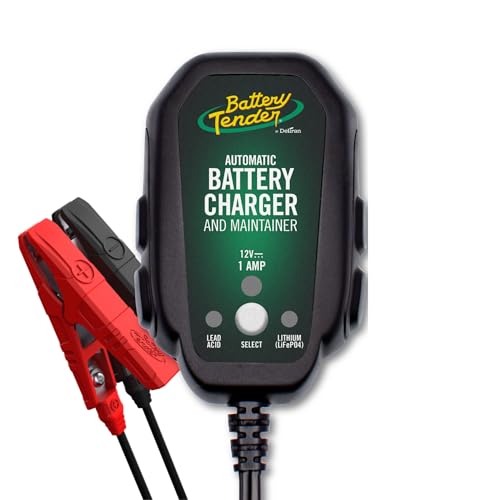
Battery Tender Junior 12V 800mA Charger and Maintainer
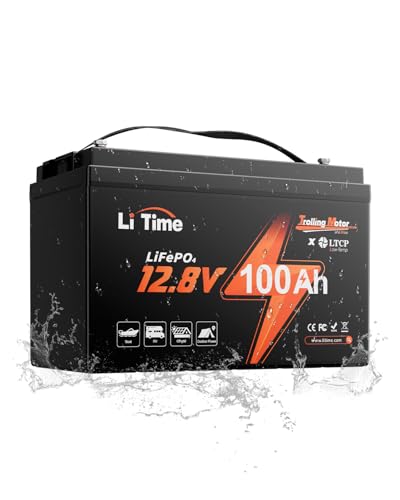
Litime 12V 100Ah Trolling Motor LiFePO4 Battery (Group 31)

Litime 12V 100Ah Bluetooth LiFePO4 Battery (Group 31)

Litime 12V 100Ah LiFePO4 Group 27 Battery (Bluetooth)

Tenergy 2 Pack Lipo Safety Bags (7×9 in)

LiTime 12V 320Ah Mini LiFePO4 Battery
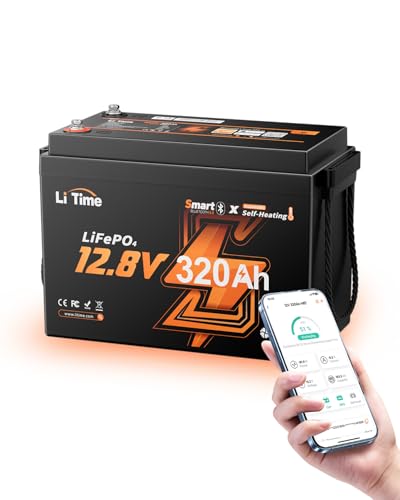
Litime 12V 320Ah Mini Self-Heating LiFePO4 Battery

Litime 12V 165Ah LiFePO4 Battery (Group 31)

NOCO GENPRO10X1 12V 10A Onboard Marine Charger
A Deeper Look At The Lineup
A small bench companion rather than a whole-house solution, the rapthor pack delivers a steady 12V DC output with up to 3A available when your project asks for a little more. The 2600mAh capacity works best for lighter draws: think LED strip lighting under a workbench, a CCTV camera on a porch, or a router you want to keep alive through short outages. The included 12.6V charger and pigtail lead simplify hookup for first-time builders.
A built-in BMS (battery management system, the circuit that guards against overcharge, over-discharge, and short circuits) keeps the cells in a safe window during use. Compared to the larger marine banks below, this is the kind of pack you toss in a drawer, not one you dedicate an entire compartment to. For DIYers running low-power DC gear, the form factor hits a useful middle ground.
Positive Takeaways
- Plug-and-play DC output with included pigtail for fast setup.
- BMS protection reduces the risk of damage during extended use.
- Compact enough to tuck behind a router or inside a small project box.
- Pair of accessories (charger and cable) removes a separate shopping trip.
Things To Consider
- 2600mAh capacity runs thin for any device drawing steady current for hours.
- Not built for outdoor marine exposure, so storage stays indoors.
- 3A ceiling rules out motors, pumps, and other higher-draw accessories.
Who It Suits Best
Hobbyists and DIYers running LED strips, small cameras, or low-power routers who want a tidy 12V source that fits on a shelf.
Where Another Pick Suits Better
For trolling motors or RV house banks, the Litime 12V 100Ah Trolling Motor LiFePO4 Battery (Group 31) delivers the capacity and sealed build those jobs require.
A garage workhorse, the Battery Tender Junior floats between chemistry types with the flip of a switch. Press once for flooded, AGM, or gel lead-acid batteries; press again to switch to LiFePO4 lithium (lithium iron phosphate, the chemistry used in most modern deep-cycle packs). That kind of flexibility suits households with a motorcycle in winter storage and a lithium-powered fishing rig in the same garage.
The 800mA output charges slowly by design, which keeps cells healthy during long maintenance cycles. An ISM microcontroller (an adaptive charging chip) monitors voltage and current, then tapers off when the battery reaches capacity. Pair it with the rapthor pack above for occasional top-ups, or with any of the larger banks below for storage-season float charging.
Well-Handled Touches
- Chemistry switch covers lead-acid and LiFePO4 in one unit.
- Floating maintenance mode prevents sulfation during off-season.
- Compact shell fits on a crowded workbench or shelf.
- Smart charging logic adapts the curve to the connected battery.
Points To Note
- 800mA output means a full top-up on a 100Ah bank takes many hours.
- Not waterproof, so it stays on the workbench rather than the dock.
- Single-bank design supports one battery at a time.
Made For
Garage owners and powersports riders who want one charger that covers a classic AGM alongside a newer LiFePO4 pack.
Look Elsewhere When
Boats with permanent electrical systems call for the NOCO GENPRO10X1 onboard charger, which lives in a waterproof housing and feeds the bank without removal.
The first of several LiTime marine banks, this Group 31 unit drops into the same battery tray most boats already use for a lead-acid box. At roughly 22 pounds, you shed meaningful weight off the transom compared to a flooded lead-acid equivalent, which translates to better hole shot and slightly better range. The 100Ah capacity runs a 30–55 lb thrust trolling motor for a full fishing day on most waters.
Triple-layer BMS protection covers dust, water spray, and salt fog, which matters when spray hits the compartment on every turn. Cold-weather cutoffs stop charging below 32°F and discharging below -4°F, protecting the cells from permanent damage. Up to 4P4S configuration (parallel for more amps, parallel for higher voltage) lets you scale up to 36V systems without sourcing a separate bank.
Useful Highlights
- Group 31 footprint slides into existing trays without modifications.
- IP65 sealed casing shrugs off spray and dust during rough days.
- Cold-cutoff safeguards extend cycle life in shoulder-season boating.
- 4P4S flexibility lets anglers build 12V, 24V, or 36V banks.
Honest Caveats
- No Bluetooth monitoring, so voltage checks require a multimeter or shunt.
- 22 lb weight still adds up when moving the battery in and out for off-season storage.
- Marine-grade pricing reflects the build, so budget-conscious buyers may compare carefully.
Best Suited To
Anglers running 12V trolling motors who want a sealed, drop-in replacement for an old lead-acid bank.
Swap It Out When
You want phone-based state-of-charge visibility. The Litime 12V 100Ah Bluetooth LiFePO4 Battery (Group 31) adds app monitoring in the same form factor.
The same Group 31 footprint as the previous LiTime, this version adds Bluetooth 5.0 connectivity that links to a phone app in seconds. From the dock you can check state of charge, monitor live voltage, and run system diagnostics without popping open the compartment. For anglers who manage battery health between trips, that visibility is the main draw.
Beyond the wireless feature, the underlying cell pack and BMS match the standard 100Ah marine unit, including IP65 sealing, low-temperature cutoffs, and the same 4P4S expansion ceiling. The 1280Wh energy budget covers a typical day on the water with room to spare, and the 15000-cycle rating translates to roughly a decade of regular use before noticeable capacity loss.
Practical Advantages
- App monitoring replaces guesswork with real-time data.
- Identical Group 31 fit for drop-in upgrades.
- Sealed BMS handles spray, salt, and dust without issue.
- Long cycle life reduces lifetime replacement hassle.
Worth Noting
- Bluetooth range can fall short in metal compartment installations.
- Slightly higher cost than the non-Bluetooth sibling.
- App updates depend on the manufacturer continuing support.
Who Should Grab It
Boaters and RVers who want phone-based battery data and a clean drop-in form factor for existing trays.
Reach For A Different Pick When
Your RV bay follows the Group 27 layout. The Litime 12V 100Ah Group 27 LiFePO4 Battery matches that footprint while keeping Bluetooth.
Group 27 sizing covers a wider slice of motorhomes than Group 31, and this LiTime unit drops into bays shaped for that footprint. Built to fit popular Class-C layouts like the Brinkley Z 2900 and Forest River Forester, the installation rarely needs shimming or rewiring. The Bluetooth 5.0 module ties into the LiTime app for real-time state of charge on the road.
The 100A BMS handles the typical 12V house loads in an RV, from lights and water pumps to inverter-fed microwaves for short bursts. IP65 sealing gives peace of mind in bays that occasionally see moisture, and the low-temperature cutoff behaves identically to the marine siblings. For weekend warriors running a camper without a generator, the 1280Wh reserve covers a couple of nights of moderate use.
What Earns Its Place
- Group 27 fit tailored to common Class-C battery bays.
- Bluetooth monitoring keeps tabs from inside the cab.
- 100A BMS supports standard 12V house appliances.
- Sealed casing handles the dust and humidity of an RV bay.
Small Caveats
- Verify your specific RV bay dimensions before ordering.
- App-only diagnostics mean you still want a multimeter for deeper checks.
- Weight savings versus lead-acid remain meaningful but not extreme.
The Right Fit
Class-C RV owners seeking a direct-fit lithium replacement for their house bank without rewiring.
Consider Something Else When
Your rig needs long off-grid runtime. The LiTime 12V 320Ah Mini LiFePO4 Battery triples capacity in a similar footprint for solar-heavy setups.
A different category entirely, the Tenergy bags don’t store energy; they contain it. Each 7×9 inch envelope uses triple-layered flame-retardant material that resists ignition if a pack goes wrong inside. The Velcro closure reduces airflow, which limits oxygen flow to a potential fire. Two bags ship in the pack, which covers most hobby benches where one bag sits at the charger and the other holds packs awaiting their turn.
Compatible with packs up to about 6 inches long, these handle most LiPo (lithium polymer) cells used in RC planes, drones, and small robotics. For anyone charging 12V LiPo banks like the rapthor unit above, the bags add a layer of containment during unattended charging sessions. Think of them as fire insurance rather than fire prevention.
Standout Benefits
- Triple-layer flame retardant material slows fire spread.
- Velcro seal cuts oxygen availability during a thermal event.
- Compact 7×9 inch size fits standard hobby packs.
- Two-pack covers charger and storage duty in parallel.
Areas To Watch
- Not designed for larger 100Ah+ banks; size limits use.
- Bags show wear after repeated thermal exposure, so inspect periodically.
- Material is flame retardant, not fireproof, so stay nearby during charging.
Whose Shelf It Belongs On
Hobbyists charging LiPo packs in a home workshop who want a simple containment layer between the cells and the rest of the bench.
Skip It When
You only run sealed LiFePO4 banks like the Litime marine units, which carry their own BMS protection without needing extra containment.
Big amp-hours in a small box define this LiTime Mini. At roughly 14.5 x 7.4 x 10.6 inches, the unit shaves about 35 percent off the footprint of a standard 300Ah LiFePO4 battery. The 320Ah capacity covers demanding loads like residential refrigerators, lighting circuits, and inverter-fed appliances for weekend off-grid trips.
Compared to the Group 31 100Ah units above, this is a different class entirely, aimed at solar arrays, travel trailers, and emergency backup banks. The same low-temperature cutoffs apply, and the BMS handles the higher sustained draw of larger inverters. For full-time RVers or cabin owners, the smaller case frees up space for additional gear in the same compartment.
Features That Help
- 320Ah capacity supports multi-day off-grid stays.
- 35 percent smaller than standard 300Ah housings.
- Low-temperature cutoff preserves cell health in cold bays.
- Strong BMS handles high inverter loads without complaint.
Trade Offs
- Heavier than the smaller 100Ah options, so two-person lifting helps during install.
- No Bluetooth on this model, so consider an external shunt for monitoring.
- Larger capacity means longer charge times from standard shore power.
Perfect Match For
Solar-powered RVers and cabin owners who need serious amp-hour capacity in a compact footprint.
A Better Fit Elsewhere
Cold-climate users should consider the LiTime 12V 320Ah Mini Self-Heating LiFePO4 Battery, which adds warming pads for winter charging.
Take the previous Mini battery and add internal heating pads, and you get this winterized version. Regular heating mode kicks on below 41°F and warms the cells to 50°F before allowing charge to flow. That single feature solves the most common LiFePO4 failure mode in cold climates: charging frozen cells, which causes permanent damage called lithium plating.
The compact 14.5 x 7.4 x 10.6 inch case still fits the same bays, so installation matches the non-heated model. At roughly 57 pounds, the unit remains manageable for one person with a good handle. For ice anglers, snowbirds, and full-time northern RVers, the heating circuit alone justifies the price difference.
Where It Delivers
- Self-heating pads protect cells during cold-weather charging.
- Compact case preserves the same bay footprint.
- 320Ah capacity handles heavy winter loads.
- Standard low-temp cutoff still applies to discharge cycles.
Soft Spots
- Higher cost than the non-heated sibling.
- Heating draws extra power during cold charge cycles.
- Heavy at 57 lb for solo installation in tight bays.
Built With In Mind
Cold-climate RVers, ice-fishing guides, and winter cabin owners who charge in unheated bays.
Not Your Match When
Garages stay above freezing year-round. The standard LiTime 12V 320Ah Mini delivers the same capacity without paying for heating you’ll rarely use.
Capacity meets density in this Group 31 box, packing 165Ah into the same form factor as a typical 100Ah marine battery. The energy density of roughly 172 Wh/L beats most competitors in the same footprint, which translates to more runtime per cubic inch. For RV owners with single-bay layouts who want more capacity without going to dual batteries, this slot fits cleanly.
The dual heating modes (Regular and Energy-Efficient) mirror the larger Mini Self-Heating battery, providing cold-weather protection. Standard low-temperature discharge cutoffs and the IP65 sealed casing match the marine-grade LiTime family. For owners upgrading from a 100Ah lead-acid bank who want extra runtime, the 65Ah bump adds meaningful flexibility.
Reasons It Performs
- 165Ah capacity exceeds most Group 31 competitors.
- Dual heating modes protect cells during cold charging.
- Group 31 fit works in standard trays and bays.
- IP65 sealing handles marine and RV environments.
Possible Compromises
- Higher price per Ah than the standard 100Ah LiTime.
- Weight increases over the 100Ah sibling.
- Less common size can mean longer shipping in some regions.
Who Will Love This
RV and marine owners with single Group 31 bays who want a meaningful capacity upgrade without doubling up on batteries.
Where A Sibling Pick Shines
Bigger solar banks call for the LiTime 12V 320Ah Mini Self-Heating LiFePO4 Battery, which doubles the runtime in a compact case.
The charger that stays with the boat, the NOCO GENPRO10X1 mounts permanently and lives through splash, rain, and the occasional washdown. The fully sealed, waterproof housing shrugs off marine environments where ordinary chargers would corrode. At 10 amps for a single 12V bank, it tops off a 100Ah LiFePO4 pack in roughly ten hours from shore power.
Multi-chemistry support covers flooded, AGM, gel, and LiFePO4 banks, so the same unit works across different batteries over the boat’s life. About 27 percent smaller than the previous generation, it fits in tighter compartments. Pair it with any of the LiTime marine batteries above for a complete dock-to-water power system that handles itself.
Why It Works Well
- Fully sealed waterproof housing survives marine conditions.
- 10A output handles 100Ah banks overnight from shore power.
- Multi-chemistry support covers lead-acid and LiFePO4 banks.
- Compact redesign fits crowded compartments.
Details To Watch
- Single-bank design serves one battery at a time.
- Hardwired installation takes planning during retrofits.
- 10A ceiling charges slowly for banks above 150Ah.
Right Fit For
Boat owners who want a permanent onboard charger that handles splash and weather without removal between trips.
Another Choice May Suit
Garage-based charging across multiple battery types suits the Battery Tender Junior, which switches chemistry at the press of a button.
What To Weigh Before Choosing A 12 Volt Lipo Battery
Capacity vs Footprint
The headline number on a lithium battery is amp-hours, but the case size determines whether it actually fits your bay. Group 31 boxes (around 13x9x9 inches) cover most marine and RV trays, while Group 27 layouts fit popular Class-C motorhomes. Mini cases from LiTime shave roughly 35 percent off standard housings, freeing space for additional gear in tight compartments.
Chemistry Matters More Than You Think
LiFePO4 cells dominate this list for good reason: they offer long cycle life, stable voltage under load, and far lower fire risk than older LiPo chemistry. The rapthor pack at the top uses standard Li-ion (lithium-ion) cells for small DC loads, while the LiTime banks use LiFePO4 for deep-cycle work. The Tenergy bags above exist because LiPo cells, common in hobby packs, still need extra containment.
Charging And Cold Weather
Two factors shorten lithium battery life more than anything: improper charging and cold-weather charging. The BMS in each LiTime unit handles overcharge and over-discharge automatically, but cold charging requires either low-temperature cutoffs or active heating pads. The Battery Tender Junior and NOCO GENPRO10X1 both charge LiFePO4 safely when paired correctly.
Key Considerations Across These Picks
Pitfalls Shoppers Hit
A common mistake is buying by amp-hours alone, then discovering the case won’t fit an existing tray or bay. Measure before ordering, especially on older RVs where the labeled “Group 27” bay sometimes runs small. Another trap is assuming any 12V charger works with lithium; the Battery Tender Junior explicitly switches chemistry, but generic chargers without lithium modes can damage LiFePO4 cells over time.
Where The Extra Money Goes
Higher-tier LiTime batteries earn their price through better BMS protection, Bluetooth monitoring, and self-heating circuits. The NOCO onboard charger costs more because the sealed housing survives years of marine exposure. None of these features matter for casual users with mild conditions, so matching the upgrade to your actual climate and use case keeps the purchase honest.
Frequently Asked Questions
What Is A 12V LiPo Battery Used For?
A 12V LiPo battery powers portable electronics, small robotics, RC vehicles, and lightweight DC projects where compact energy storage matters. Larger LiFePO4 variants handle trolling motors, RV house banks, and solar storage.
Can You Use A Regular Charger On A 12V LiPo Battery?
Standard lead-acid chargers can damage LiPo and LiFePO4 cells because their absorption stages run too high. Use a charger with an explicit lithium mode, like the Battery Tender Junior or NOCO GENPRO10X1 reviewed above.
How Long Does A 12V LiPo Battery Last?
Cycle life varies by chemistry. LiFePO4 deep-cycle batteries typically deliver 2000 to 15000 cycles depending on depth of discharge and operating conditions. Smaller LiPo packs used in hobby applications usually last 300 to 500 cycles before noticeable capacity loss.
Are LiPo Batteries Safe Inside A Vehicle?
Modern LiFePO4 packs with built-in BMS protection are safe inside enclosed vehicle bays when properly secured. Avoid charging LiPo cells unattended, and consider the Tenergy safety bags above for hobby charging sessions.
What Is The Difference Between LiPo And LiFePO4?
LiPo (lithium polymer) cells pack high energy density but carry higher fire risk and shorter cycle life. LiFePO4 (lithium iron phosphate) cells trade some energy density for far greater cycle life, thermal stability, and safety in deep-cycle applications.
The Takeaway
The right 12V lithium battery depends on where it lives and what it powers. Small DIY projects pair nicely with the rapthor pack, while trolling motors and RV house banks call for the LiTime marine and RV units reviewed here. Match the case to your bay, the chemistry to your charger, and the capacity to your typical draw, and the choice becomes straightforward.