A smart lock is only as reliable as the cell sitting behind its cover plate. When that battery dies mid-commute, you’re stuck fumbling for a backup key in the dark, so the right replacement matters far more than most people realize. This list walks you through the coin cells and lithium AAs that handle common lock brands, plus what to stock so a low-battery warning never catches you off guard.
Your Options, Compared

Duracell MN21/A23 4-Pack

Duracell CR1620 3V Lithium Coin Battery
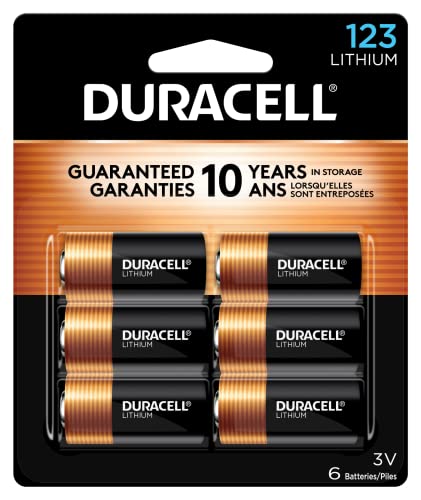
Duracell CR123A 3V Lithium Battery, 6 Count
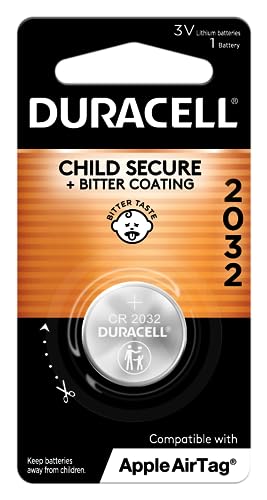
Duracell CR2032 3V Lithium Coin Battery

Energizer 123 Lithium Batteries (6 Pack)

Amazon Basics CR1616 Lithium Coin Cell 6-Pack

Murata 364 SR621SW Silver Oxide Button Cell
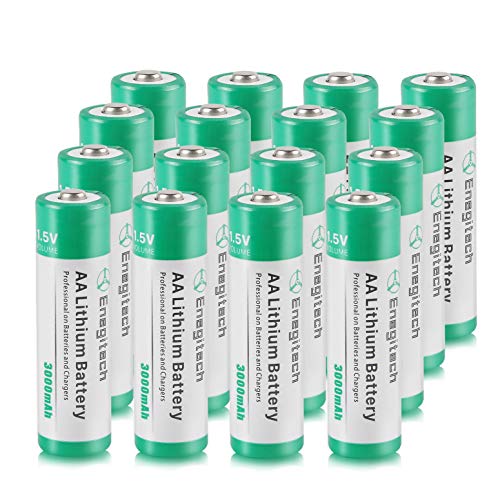
Enegitech AA Lithium Battery 16-Pack

Enegitech AA Lithium Battery 24-Pack

Enegitech AA Lithium Battery 8-Pack
The Picks, Examined More Closely
The Duracell MN21/A23 cell is one of those specialty sizes most people forget exists until a remote stops working. At roughly 28 mm tall and 10 mm wide, this 12-volt alkaline slips into a narrow slot that standard AAAs simply won’t fit. It’s the kind of cell you’ll see in garage door openers, small key fobs, and some older electronic deadbolts that weren’t designed for the common CR2032.
For homeowners whose lock or remote matches this exact size, the four-pack format means a spare is always within reach. You may find the niche format limiting if your lock takes anything else, since these cells won’t cross over to more standard lock types.
The Good Stuff
- Specialty 12V alkaline format covers devices a regular coin cell can’t reach.
- Four-pack format keeps spares on hand for quick swaps.
- Compact 28 x 10 mm footprint fits narrow battery compartments.
- Reliable brand recognition from a familiar household name.
Points To Note
- Limited compatibility: only fits devices specifically designed for the A23 footprint.
- Lower 33 mAh capacity compared to lithium coin alternatives, so heavy-use devices may need replacements sooner than expected.
Whose Shelf It Belongs On
Homeowners with older garage remotes or specialty fobs that call for this exact A23 size.
Reach For A Different Pick When
You should grab the Amazon Basics CR1616 six-pack if your lock takes a standard 3V coin cell instead.
The CR1620 sits in an unusual middle ground between the popular CR2032 and the smaller CR1616. Slim key fobs and compact remotes often call for this specific footprint, and Duracell builds it as a long-lasting 3V lithium coin. That voltage stability matters when a smart fob needs to maintain a steady Bluetooth handshake without dropouts.
For shoppers whose lock or key fob manual lists CR1620 specifically, this single-pack gives you a fresh cell without buying more than needed. The single-count format means you’ll reorder sooner than with a multi-pack, which is worth considering if you’d rather not think about batteries for a while.
Everyday Advantages
- Long-lasting lithium chemistry holds voltage steady across months of standby use.
- Designed for slim fobs that the more common CR2032 physically won’t fit.
- Trusted brand backing means consistent quality from cell to cell.
Trade-Offs To Consider
- Single-pack format means more frequent reorders for heavy-use households.
- Narrow compatibility: only devices specifically listing CR1620 will accept this cell.
Who It Suits Best
Commuters with slim-format key fobs that won’t accept thicker CR2032 cells.
Look Elsewhere When
The Duracell CR2032 is the better match for lock fobs that take the standard 3V coin.
The CR123A is built for devices that pull real current, not the sleepy standby draw of a wristwatch. This 3V lithium cell handles tactical flashlights, home security cameras, smoke detectors, and any digital camera still using the format. The 10-year storage guarantee means you can toss a six-pack into a drawer and pull them out years later with confidence.
For shoppers running higher-drain accessories alongside their smart lock system, this format covers the gear a coin cell can’t. In most homes with a smoke detector or two, you’ll find a use for the extras long before they expire.
Useful Touches
- 10-year storage guarantee means cells stay fresh through long idle periods.
- Six-count bundle suits households with multiple high-drain devices.
- Lithium chemistry performs reliably across extreme temperatures, useful for outdoor security cameras.
- Higher energy output keeps performance consistent in demanding gear.
Honest Caveats
- Not the right format for most standard smart locks, which typically take AA cells or smaller coin batteries.
Made For
Homeowners running security cameras, strobes, or tactical flashlights that call for this specific format.
Swap It Out When
The Enegitech AA Lithium 16-Pack fits the bill for locks and deadbolts that take AA cells.
The CR2032 is the workhorse of the coin-cell world, found in everything from Apple AirTags to key fobs, thermometers, and flameless candles. Duracell packages this version with child-resistant features, a meaningful upgrade for any household with small kids who treat anything shiny and disc-shaped as a curiosity to swallow. That packaging detail is the real differentiator here.
For families running a smart lock with a compatible backup fob, a single CR2032 is often all you need to keep things running. Depending on your device’s draw, you may find yourself reordering within a year, but the broad compatibility makes this format easy to keep stocked.
What Pays Off
- Child-resistant packaging reduces risk around curious toddlers.
- Universal compatibility covers AirTags, key fobs, thermometers, and flameless candles.
- 10-year storage guarantee keeps spares fresh in a junk drawer.
- Compact 3V lithium output suits low-drain standby devices well.
Small Caveats
- Single-cell format means more frequent reorders if multiple devices need this battery.
Best Suited To
Families with young children who need safer packaging around coin-cell batteries.
A Better Fit Elsewhere
The Amazon Basics CR1616 six-pack is a smarter value if you need multiple cells on hand.
Energizer’s 123 lithium sits in the same CR123A category as the Duracell above, but the brand loyalists tend to swear by one or the other. This six-pack delivers 3V cells engineered for high-tech gear: cameras, flashlights, and a growing list of smart-home accessories. The cross-reference list (5018LC, CR123, CR123A, CR17345, EL123) makes finding a replacement painless.
For shoppers who already trust the Energizer name across their household batteries, this is the natural pick for any CR123A device. It’s a steady, widely-distributed option that won’t surprise you, which is exactly what you want when something stops working at midnight.
Where It Helps
- 10-year storage life keeps spares viable across long stretches between uses.
- Cross-compatible with multiple cell codes (CR123, CR123A, EL123, and more).
- Six-pack format supports households with several high-drain devices.
- Reliable performance in cameras and flashlights that demand steady output.
Where It May Fall Short
- Not designed for typical smart lock compartments, which usually run on AA or coin cells.
Who Should Grab It
Smart-home enthusiasts with cameras, sensors, or lighting accessories in the CR123A format.
Consider Something Else When
The Duracell CR123A six-pack is the equally strong alternative if you prefer that brand’s ecosystem.
The CR1616 is the smallest of the common 3V coin cells, and Amazon Basics packages a six-count bundle at a friendly price point. You’ll find this format inside watches, calculators, small medical devices, and some compact remote controls. The mercury-free construction matches the broader industry shift away from older chemistries.
For shoppers who keep a junk drawer of spare batteries, this six-pack is the kind of practical stockpile that pays off the next time a calculator dies mid-grocery run. Compared to the Duracell CR2032 reviewed earlier, this format is slimmer, so make sure your device actually accepts CR1616 before committing.
Features That Help
- Six-cell bundle covers multiple devices without a second purchase.
- Mercury-free chemistry aligns with current environmental standards.
- Performs in extreme temperatures, useful for outdoor gear.
- Child-resistant packaging adds a layer of safety around the home.
Things To Consider
- Smaller CR1616 size is less common in smart locks; verify compatibility before buying.
- Lower capacity than the CR2032 means potentially faster drain in active devices.
Who Will Love This
Households stocking a junk drawer with reliable backup coin cells.
Skip It When
The Murata 364 button cell is the better match if your device calls for a silver oxide 1.55V cell.
The Murata 364 is a silver oxide cell, not a lithium coin, and that distinction matters for the devices that call for it. Silver oxide holds a flatter 1.55V discharge curve than alkaline alternatives, which keeps analog watches and precision instruments running accurately across the cell’s life. The 18 mAh capacity supports low-drain applications where steady voltage matters more than raw endurance.
For shoppers maintaining vintage watches or older devices that specifically list the 364 or SR621SW code, this five-pack is a reliable, Japanese-made option. You may find its narrow focus limiting if you need broader device coverage.
A Few Highlights
- Stable 1.55V output suits precision analog watches and sensitive instruments.
- Five-cell pack keeps extras on hand for low-drain devices.
- Silver oxide chemistry holds voltage steady across the cell’s lifetime.
Potential Drawbacks
- Specialty silver oxide format isn’t interchangeable with lithium coin cells.
- Not designed for smart lock use, which typically calls for lithium chemistry or AA cells.
Perfect Match For
Vintage watch owners and precision instrument users who need stable silver oxide chemistry.
Another Choice May Suit
The Duracell CR2032 covers smart lock and key fob duty if you don’t need silver oxide chemistry.
Most smart deadbolts and many video doorbells run on AA cells, which is exactly where Enegitech’s lithium AAs earn their keep. Each cell delivers 1.5V at a 3000 mAh capacity, well above what standard alkaline AAs manage. The result is longer intervals between swaps, often months longer in moderate-use smart locks.
For households running multiple smart locks, Blink cameras, and doorbells, a 16-pack covers a full household in one purchase. You may find that the lithium chemistry holds up better in cold weather than alkaline cells, which matters for outdoor cameras exposed to temperature swings.
Standout Benefits
- 3000 mAh capacity per cell outlasts standard alkaline AA batteries in active use.
- Sixteen-cell bundle covers a whole-home setup in one purchase.
- Lithium chemistry performs reliably in outdoor temperature swings.
- Leak-resistant construction protects expensive smart lock circuitry.
Trade-Offs To Consider
- Non-rechargeable lithium means no second life for the cells after use.
- Larger pack size takes more drawer space than a four-cell bundle.
Right Fit For
Whole-home smart lock households running multiple AA-powered devices.
Not Your Match When
The Enegitech 8-Pack starter bundle is the leaner option for first-time smart lock owners.
Key Attributes
The 24-count Enegitech bundle is for shoppers who want to lock in a long stretch between battery purchases. The cells share the same 3000 mAh capacity as the smaller Enegitech bundles, but the larger count makes sense for anyone running Blink Outdoor cameras, smart locks, trail cameras, and flashlights across one property. It removes the friction of reordering every few months.
For a multi-device household, this 24-pack is the kind of practical stockpile that disappears faster than you’d expect. You may find that having extras stored in a closet saves a midnight run to a store when a lock chirps its low-battery warning.
What Works In Its Favor
- Largest count in the lineup covers heavy-use, multi-device households.
- Same 3000 mAh capacity per cell as the smaller Enegitech bundles.
- Lithium chemistry outperforms alkaline in low-temperature outdoor environments.
- Compatible with a wide range of AA-powered smart home gear.
- Reduces reordering frequency for households with many battery-draining devices.
Some Limits To Know
- Bulk count may be overkill for single-lock households.
- Non-rechargeable format means cells go straight to recycling after use.
Built With In Mind
Multi-device smart-home households juggling cameras, locks, and trail cams on AA power.
Where Another Pick Suits Better
The Enegitech AA Lithium 8-Pack fits better if you only need cells for a single smart lock.
The 8-count Enegitech bundle is the right-sized starter pack for a single smart lock or deadbolt. Most AA-powered deadbolts take four cells at a time, which means an 8-pack covers one full replacement plus a backup set. The 3000 mAh capacity per cell matches the larger Enegitech bundles, so you don’t sacrifice runtime by choosing the smaller count.
For first-time smart lock owners still figuring out how often the batteries need swapping, this starter size avoids overcommitting to a 24-pack. Depending on your lock model, you may find that one 8-pack lasts a full year between replacements.
Everyday Perks
- Eight-cell count covers one full lock replacement plus backup cells.
- 3000 mAh capacity per cell matches the larger Enegitech bundles.
- Right-sized starter quantity for first-time smart lock owners.
- Lithium chemistry outperforms alkaline in outdoor temperature swings.
A Few Limitations
- Smaller count means more frequent reordering for multi-device households.
Who It Suits Best
First-time smart lock owners who only need cells for a single deadbolt.
Wrong Turns To Avoid
The Enegitech 24-Pack delivers better long-term value if you run multiple AA devices.
What To Look For Before Stocking Up
The first decision is chemistry. Lithium coin cells and lithium AAs both outperform alkaline alternatives in cold-weather durability and long-term storage, which matters for outdoor cameras and exterior locks. Silver oxide cells, like the Murata 364, hold a flatter voltage curve that some analog watches and precision gauges depend on, but they’re not interchangeable with lithium coin cells.
Next, check the exact size your lock requires. The label on the battery compartment will list a code like CR2032, CR123A, A23, or AA. Mismatched sizes simply won’t fit, and using the wrong voltage can confuse the lock’s low-battery sensor.
Finally, think about pack count. For a single deadbolt, an 8-pack of AAs or a 4-pack of specialty cells covers you through one full replacement with spares left over. For households juggling several smart devices, the larger 16- or 24-count bundles reduce how often you’re reordering.
Smart Lock Power Profiles Explained
Smart deadbolts tend to fall into two camps: AA-powered models that draw steady current to maintain a Bluetooth or Wi-Fi connection, and coin-cell devices that sip power in standby and wake on demand. AA locks typically use four cells at a time, while coin-cell fobs and remote accessories use one.
Higher-drain accessories like Blink Outdoor cameras and trail cameras pull noticeably more current than a sleepy deadbolt, which is why lithium AAs outlast alkalines so dramatically in those roles. Temperature matters too: alkaline cells lose capacity fast below freezing, while lithium AA cells keep performing in cold outdoor enclosures.
Key Considerations Across These Picks
Common Shopping Slip Ups
The most common mistake is grabbing the wrong cell code. A CR2032 and a CR1620 look almost identical to the naked eye, but they fit different compartments. Always check the manual or the old battery’s label before reordering. The second slip is buying alkaline cells for an outdoor camera or exterior lock, where lithium chemistry delivers measurably better cold-weather performance.
Where The Extra Money Goes
Premium-tier batteries justify their higher cost through longer storage life (some are rated for a decade in the package), more consistent voltage output across the cell’s lifetime, and stricter leak-resistance that protects the expensive circuitry inside a smart lock. For a lock sitting in a freezing garage entry, that extra investment pays back in fewer mid-winter swaps and less risk of corrosion damage.
Frequently Asked Questions
How long do batteries in a smart lock usually last?
Most AA-powered smart locks run roughly six to twelve months between replacements, depending on Wi-Fi usage, motor activity, and ambient temperature. Coin-cell fobs can last two to three years on a single cell.
Can I mix lithium and alkaline batteries in the same device?
Mixing chemistries is not recommended. The voltage curves differ, and the weaker cells can be forced into reverse polarity, which may cause leaking. Stick with one chemistry throughout any single device.
Are lithium batteries safe for indoor smart locks?
Lithium AA and coin cells are standard for indoor smart locks and pose no special risk when installed correctly. The cells are non-rechargeable, so there’s no thermal runaway concern like with some rechargeable chemistries.
Do I need to replace all batteries at once, or just the dead ones?
Replace all of them at once. A single old cell can drag down the performance of fresh ones and trigger early low-battery warnings. Most locks take four cells, and swapping the full set keeps the voltage balanced.
What should I do with used batteries?
Most home improvement stores, electronics retailers, and local recycling programs accept used lithium and alkaline cells. Coin cells especially should go through proper recycling channels rather than household trash.
Wrap Up
The right battery for your smart lock depends on the cell format your specific model calls for, but lithium chemistry wins out almost every time for runtime and cold-weather durability. For AA-powered deadbolts, the Enegitech bundles scale to your household’s device count. For coin-cell fobs and accessories, the Duracell CR2032 and CR1620 options cover the most common sizes. Keep a spare set within reach, and your lock will keep working through the moments that matter most.