That sinking moment when your key fob stops unlocking the car from six feet away usually means one thing: the coin cell inside is on its last legs. Most modern fobs hide a CR2032, CR2025, CR2016, CR2450, or occasionally a CR2430 behind a small slotted panel. Pick the right chemistry and shelf life, and you’ll forget about it for years. This list covers the coin cells and a couple of specialty sizes that show up in fobs, plus one rechargeable option for the rest of your household remotes.
A Fast Comparison Of The Options
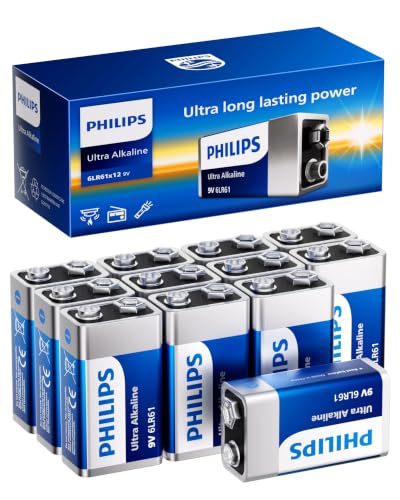
PHILIPS 9V Alkaline Batteries 12 Pack

Duracell CR2032 Lithium Battery 9 Pack

PHILIPS CR2025 Lithium Button Cell 5 Pack

PHILIPS CR2450 Lithium Button Cell 10 Pack

PHILIPS CR2016 Lithium Cell 5 Pack
PHILIPS CR2477 Lithium Cell 5 Pack
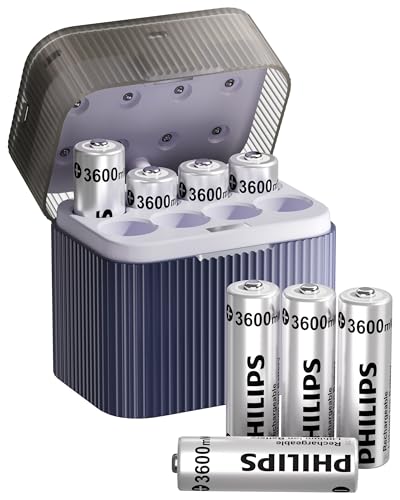
PHILIPS Rechargeable AA Lithium 8 Pack
PHILIPS CR2032 Lithium Cell 50 Pack
PHILIPS CR2430 Lithium Button Cell 20 Pack
Why These Options Stand Out
Strictly speaking, a 9V cell has no business inside a key fob, but it earns its slot here for the gear sitting right next to your keys on the way out the door. Smoke detectors and carbon monoxide alarms are the most common reason a household suddenly needs a 9V, and this Philips 12-pack is sized exactly for that kind of hidden stockpile duty.
Alkaline chemistry (a traditional non-rechargeable cell type that trades cost for capacity) keeps the price approachable for buying in volume. Owners stashing these in a drawer appreciate the lower self-discharge rate, which means a battery pulled out after a couple of years on the shelf still fires up the chirping detector. It’s a quiet kind of insurance you forget about until you need it.
A Favorable Mix
- Twelve-cell count covers a full home’s worth of detectors with spares left over
- Alkaline format keeps the per-cell cost low for backup use
- Long shelf stability is genuinely useful for emergency kits and forgotten drawers
Trade Offs
- Not a key fob cell. You still need a coin cell like the Duracell CR2032 for your remote
- Alkaline 9V cells can occasionally leak in rarely checked devices, so swapping annually is wise
Whose Shelf It Belongs On
Households that want one bulk pack to cover smoke and CO alarms for several years at a stretch.
Look Elsewhere When
You actually need to replace a car fob battery, since you’ll want the Duracell CR2032 Lithium Battery 9 Count or another coin cell from this list instead.
The CR2032 is the most common coin cell hiding inside modern car remotes, and Duracell’s 2032 3V lithium coin battery is the most recognized name in that format. Each cell delivers a steady 3V output and a flat, disc-shaped body that snaps into a fob without tools. Most owners will swap a CR2032 once every two to four years depending on use.
What separates this particular nine-pack from a generic import is the bitter coating on both sides of each cell, a non-functional taste layer designed to discourage accidental swallowing by children or pets. For a household with curious toddlers, that detail moves this pick from convenient to reassuring. The pack also doubles as AirTag and key fob insurance in one purchase.
Notable Upsides
- CR2032 format fits the majority of current model-year key fobs from major automakers
- Bitter-tasting coating on both sides adds a layer of child-safety in homes with small kids
- 9-cell count covers multiple vehicles, spare fobs, and a few household coin-cell gadgets at once
- Lithium chemistry holds voltage steadily until depletion, so the fob works until it suddenly stops
Things To Consider
- Premium branding means you pay a little more per cell than no-name bulk packs
- Some specialty fobs require CR2025 or CR2016 instead, so confirm your fob’s printed code before ordering
Key Specs
Made For
Anyone replacing a CR2032 in a current-generation car fob who values a brand they already trust.
Swap It Out When
Your fob specifically calls for a thinner CR2025 or CR2016, in which case the PHILIPS CR2025 Lithium Button Cell 5 Pack is the better match.
Look closely at the tiny text stamped inside your fob’s battery slot before you order. A surprising number of Honda, Toyota, and Nissan remotes take a CR2025 rather than the more common CR2032. The CR2025 is just slightly thinner at 2.5mm versus 3.2mm, and that small difference matters when the slot has almost no give. Forcing a thicker cell can crack the plastic retainer.
Philips packages this CR2025 in a child-resistant blister (a sealed card you have to cut or peel deliberately to open) that requires scissors or a firm push, which keeps loose cells away from small hands. The five-pack size is right for a couple of cars plus a garage door remote. In our view, this is a smart pick for anyone whose fob is firmly stamped CR2025 and who keeps batteries stored near curious kids.
Why It Works Well
- CR2025 is the correct size for several common import-brand fobs
- Child-resistant packaging reduces the chance of a stray cell ending up in a small mouth
- Stable discharge across the cell’s life means the fob range doesn’t slowly shrink
Softer Spots
- Five cells is modest for households juggling several vehicles and remotes
- Thinner profile means slightly less capacity than the CR2032, so heavy fob use may shorten service life
Best Suited To
Owners of Honda, Toyota, Subaru, or Nissan fobs that specifically require CR2025 chemistry.
Reach For A Different Pick When
Your fob calls for the larger CR2032, in which case the Duracell CR2032 Lithium Battery 9 Count is the safer bet.
The CR2450 is the heavyweight of coin cells, a 24.5mm wide disc that shows up in fobs with keyless ignition, garage door openers with longer range, and some smart-home sensors. Its larger footprint allows for higher capacity than a CR2032, which translates to longer intervals between swaps when the remote sees daily use.
This ten-pack is overkill if you only own a single device, but a household with several CR2450 gadgets can clear out the drawer at once. The lithium chemistry holds onto roughly 90% of original capacity even after ten years sealed in the package, so you’re not racing to use them. For homeowners tired of last-minute battery runs, that shelf stability is the headline feature.
Everyday Wins
- Larger CR2450 format fits keyless ignition fobs and premium garage openers
- Higher capacity than 20mm coin cells, useful for high-traffic remotes
- Ten-pack covers a household full of CR2450 devices in a single order
Room For Improvement
- Bigger cells cost more per piece than CR2032, so overbuying is a real risk
- Not interchangeable with smaller coin cells, so you’ll need the right device first
Feature Snapshot
Who It Suits Best
Owners of keyless ignition fobs and high-end garage openers that specifically call for the CR2450 size.
Not Your Match When
Your fob uses the smaller CR2032, in which case the Duracell CR2032 Lithium Battery 9 Count is the right size and a more economical choice.
The CR2016 is the skinniest cell in this roundup at just 1.6mm thick, designed for fobs and remotes where internal real estate is at a premium. Slim card-style remotes, certain Audi and BMW key cards, and some Mercedes smart keys use this exact size. It also shows up in smaller fitness devices and compact keychain gadgets.
Philips builds this CR2016 with about 90mAh of capacity, modest by coin-cell standards but appropriate for low-power, intermittent use. The five-pack is enough for a single vehicle plus a couple of slim remotes around the home, without buying more than you’ll reasonably use before the shelf clock runs out.
Useful Highlights
- 1.6mm thickness fits card-style fobs where CR2032 simply will not seat
- Lower capacity is a deliberate trade-off for the slimmer form factor
- Five cells is a sensible match for one or two devices on this format
Less Ideal Details
- Smaller capacity means more frequent swaps in active fobs compared to CR2032 or CR2450
- Not a universal fit, so double-check your device’s printed cell code before committing
The Right Fit
Drivers of vehicles with credit-card-style smart keys or remotes that specify CR2016 in the documentation.
A Better Fit Elsewhere
Standard fobs that take CR2032 belong with the Duracell CR2032 Lithium Battery 9 Count, which offers a larger capacity in a more common size.
The CR2477 is a rare bird. It’s a wide 24.7mm cell with a thicker 7.7mm profile, more often found in motion sensors, industrial remotes, and some aftermarket alarm key fobs than in mainstream automotive remotes. Most everyday drivers will never need one, but if your device specifically lists CR2477, this is the format you must match.
The chemistry here is non-rechargeable lithium with a self-discharge rate under 3% per year, which means the cells retain usable power across years in storage. Operating range stretches from roughly -20°C to 60°C, useful for outdoor sensor installations or workshop environments where temperatures swing widely. Anti-leak construction helps protect the device contacts over the long haul.
A Few Highlights
- Correct fit for CR2477 devices that no other cell on this list can replace
- Wide operating temperature range suits sensors and outdoor fobs
- Low annual self-discharge keeps cells ready across years of shelf time
Where It May Fall Short
- Wrong choice for the vast majority of car key fobs on the road today
- Specialty format typically costs more per cell than common coin sizes
Feature Card
Who Should Grab It
Anyone with a CR2477-specific fob, sensor, or remote where substitution isn’t an option.
Consider Something Else When
Your fob lists any of the more common CR2032, CR2025, or CR2450 sizes, since those are far easier to source affordably.
Technically, AA cells don’t belong in a car key fob, but they belong in everything else on your key hook. Game controllers, TV remotes, streaming sticks, and aftermarket alarm fobs all chew through disposable AAs at a steady pace, and a rechargeable lithium upgrade changes the math quickly.
Each cell holds 3600mWh at a constant 1.5V, which is roughly 40% longer runtime than typical NiMH rechargeables (nickel-metal hydride cells, the older rechargeable chemistry that sags in voltage as they drain). The trade-off is that you need a lithium-compatible charger, and the upfront cost is higher than a handful of alkaline AAs. You may find the higher sticker price pays off within a few recharge cycles if your household runs through disposable cells.
Strong Points
- Stable 1.5V output from full charge to depletion, unlike NiMH which sags over time
- Higher usable capacity than older NiMH rechargeables in the same size
- Eight cells covers a multi-controller gaming setup or a remote-heavy living room
Possible Compromises
- Not a coin cell. Skip this if your actual need is a CR2032 fob replacement
- Requires a Li-ion (lithium-ion) compatible charger, not the NiMH charger in your junk drawer
- Higher upfront cost than disposable AAs, though offset over time by recharging
Perfect Match For
Households replacing AA batteries in gamepads and remotes often enough that rechargeables start to make financial sense.
Where Another Pick Suits Better
Anyone whose actual goal is a car fob replacement should look at the Duracell CR2032 Lithium Battery 9 Count instead.
The CR2032 is the universal coin cell, showing up in key fobs, AirTags, bathroom scales, bike computers, and pet collars. A 50-cell pack looks excessive until you start counting how many gadgets in your home quietly run on this size. Landlords, property managers, and households with several drivers can blow through 50 over a few years without trying.
Each cell is sealed in a child-resistant blister, and the airtight construction supports the long shelf life claim. Splitting the pack into a kitchen drawer, a glove box, and a workshop means a dead fob never catches you off guard. For most people, this is overkill. For the right household, it’s exactly right.
A Strong Showing
- Bulk count drives the per-cell cost down compared to small packs
- Child-resistant packaging on every cell, not just the front of the box
- Same CR2032 format trusted across the majority of fobs and small electronics
- Stable 3V output across the cell’s working life
Small Caveats
- 50 cells is more than a single driver will use in several years
- Storing that many cells responsibly requires keeping them away from kids and pets
Quick Facts
Built With In Mind
Multi-driver households, small landlords, and anyone tired of mid-week battery runs for various coin-cell gadgets.
Wrong Turns To Avoid
Single-car owners who only need a fob swap should pick the smaller Duracell CR2032 Lithium Battery 9 Count to avoid storing dozens of spare cells.
The CR2430 sits between the common CR2032 and the heavier CR2450 in size and capacity. It powers certain aftermarket alarm fobs, garage door remotes, and some fitness wearables, basically any device that wants a touch more runtime than a CR2032 but doesn’t need the full CR2450 footprint.
A 20-cell pack makes sense for households running a few CR2430 gadgets and wanting spares that won’t expire on the shelf. The cell chemistry is rated for stable output across the cell’s life, and the casing resists corrosion that can damage sensitive electronics over time. Think of it as a niche format stocked once and forgotten for a decade.
Points In Its Favor
- Correct fit for the small but real population of CR2430 devices
- Larger capacity than a CR2032 in the same general form factor
- 20-cell bulk pack suits a household with several matching gadgets
- Long sealed shelf life means spares won’t degrade in storage
Factors To Consider
- Not interchangeable with the more common CR2032, so overbuying is a risk if you guessed wrong on the size
- Smaller demand for CR2430 means fewer retailers carry replacements in a pinch
Right Fit For
Anyone with multiple devices already on CR2430, such as garage openers or aftermarket fobs that need occasional service.
Skip It When
Your fob specifies CR2032, since the Duracell CR2032 Lithium Battery 9 Count is the more universally useful choice for mainstream remotes.
What Matters Most Before Choosing Batteries For Car Key
Match The Cell Code On The Fob Itself
The single biggest factor is matching the printed code on the existing battery or inside the fob’s compartment. CR2032, CR2025, CR2016, CR2450, CR2430, and CR2477 are not interchangeable. The thickness differences matter: a CR2025 is 0.7mm thinner than a CR2032, and forcing the wrong size can crack the plastic retainer tab. Before you order, open the fob (usually a small slot for a coin or flat screwdriver) and read what’s stamped on the cell.
Pick The Right Pack Size For Your Household
For a single vehicle, a 5- to 9-pack is plenty. Landlords, multi-driver households, and anyone maintaining several coin-cell gadgets get real value from 20- or 50-cell bulk packs. The per-cell cost drops with quantity, but overbuying leaves you storing cells for years, which matters most in homes with small children or curious pets.
Prioritize Child-Resistant Packaging When Relevant
Homes with toddlers or pets should look for child-resistant blister packaging on coin cells. Ingested coin batteries can cause serious internal injury, and packaging that requires scissors or a deliberate peel step is a meaningful barrier. The bitter-tasting coating on certain Duracell CR2032 cells adds another line of defense by discouraging a child from holding the cell in their mouth.
Lean On Lithium For Long Shelf Life And Stable Output
Lithium coin cells hold their voltage steadily until depletion, so a fob works at full range right up to the moment the battery dies. They also retain most of their charge across years of sealed storage, which is why 10-year shelf life claims are common. Alkaline coin cells exist but are less common in modern fobs, and they tend to leak more often when left in rarely used devices.
Key Considerations Across These Picks
Pitfalls Shoppers Hit
The most common mistake is guessing at the cell size. A CR2032 and a CR2025 look almost identical until you stack them, and the wrong fit will either sit loose or refuse to seat. The second slip-up is ignoring the date code on bulk packs and ending up with cells closer to their expiry than expected. The third is tossing spare coin cells in a junk drawer where they can end up in small hands. Keep cells in their original packaging until use, and confirm the printed cell code inside your fob before any order.
Where The Extra Money Goes
Higher-tier coin cell packs tend to invest in better child-resistant packaging, bitter-tasting safety coatings, tighter sealed construction, and longer verified shelf life. Bulk 50-packs spread the per-cell cost down but cost more upfront. The honest read is that for a single fob, the mid-tier 5- to 9-pack is plenty, and paying more mainly buys packaging safety and longer shelf stability rather than a dramatic jump in runtime. If your fob is rare or your household is full of coin-cell gadgets, the premium packs earn their keep quickly.