A dead cordless handset usually picks the worst moment to fail: the middle of a long call, an after-hours client ring, or right when a family member is trying to reach you. The fix is rarely the phone itself; it’s the aging Ni-MH pack inside the handset. Fresh replacements restore talk time, signal strength, and that “still on the base” reliability you’ve come to expect. The ten options below cover VTech, AT&T, Panasonic, Uniden, and RadioShack handsets, so most households will find a match.
The Choices Worth Comparing

GEILIENERGY BT162342 Battery 2-Pack for VTech Phones

GEILIENERGY BT162342 Battery 4-Pack for VTech Phones

GEILIENERGY BT162342 Battery 2-Pack 600mAh for VTech

OSIM HHR-65AAABU Ni-MH AAA 4-Pack 1.2V 630mAh

JustGreatDealz BT162342 Replacement Battery 2-Pack

Zephnixa 12-Pack 400mAh Ni-MH AAA Batteries
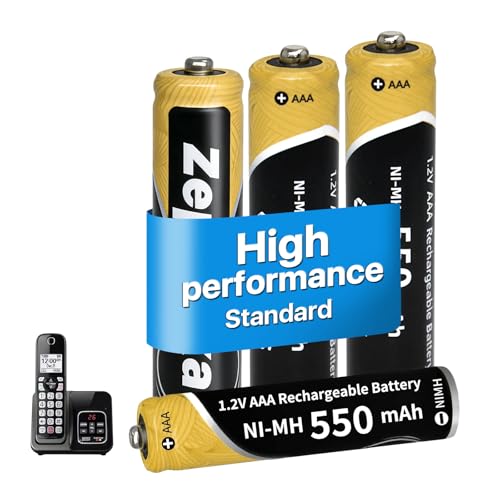
Zephnixa 4-Pack 550mAh Ni-MH AAA Batteries

Zephnixa 4-Pack 400mAh Ni-MH AAA Batteries

Upstart Battery 2X BT-1007 for Uniden and Panasonic

Zephnixa 8-Pack 400mAh Ni-MH AAA Batteries
The Details Behind The Selections
GEILIENERGY’s 2-pack is the option most VTech and AT&T owners reach for first, and for good reason. The pack ships two 2.4V Ni-MH (nickel-metal hydride, the rechargeable chemistry used in nearly every cordless handset) cells rated at 400mAh, which is the same spec most stock handsets ship with. In a busy household with multiple handsets scattered between the kitchen, bedroom, and home office, two replacements at once means you can rotate the oldest battery out and keep a spare ready.
Compatibility is the bigger story. The cells replace the BT183342, BT283342, BT166342, BT266342, BT162342, and BT262342 references, and they cover handset models from the CS6114 through the EL52500 and TL90070 series. Most households won’t need to dig out a manual to confirm a match. For most VTech homes with two or three handsets, this is a sensible first replacement.
What Stands Out
- Replaces six common VTech battery references in one pack
- Two cells arrive together, ideal for households with multiple handsets
- 2.4V Ni-MH chemistry matches original handset requirements
- 400mAh capacity restores original talk and standby time
- Standard AAA form factor fits the stock battery compartment
Points To Note
- Capacity sits at the lower end compared with the 600mAh option below
- Heavy daily use may require replacement sooner than higher-capacity packs
Feature Snapshot
Who Will Love This
Anyone running a two- or three-handset VTech or AT&T setup who needs a reliable, broadly compatible replacement.
Reach For A Different Pick When
Step up to the GEILIENERGY 4-pack if your household runs four or more handsets and you want to refresh them all at once.
The 4-pack version of the same GEILIENERGY design exists for a reason: most VTech and AT&T bundles ship with two or three handsets, and aging packs tend to die within months of each other. Buying four cells at once covers the whole household plus a future spare, so you won’t scramble for replacements when the next handset starts chirping a low-battery warning mid-call.
Like the 2-pack above, these are 2.4V Ni-MH cells with 400mAh capacity, and they slot into the same VTech CS, EL, TL, and CRL series handsets. The only meaningful difference is quantity. For most larger households or anyone replacing aging batteries in a multi-handset setup, this is the more efficient route.
A Few Strong Suits
- Covers an entire multi-handset setup in one purchase
- Same broad compatibility as the 2-pack version
- 400mAh cells restore standard talk time
- Spare ready for the next inevitable battery failure
Honest Caveats
- Same 400mAh capacity as the smaller pack, so runtime is unchanged
- Storing spare Ni-MH cells for long periods can lead to gradual capacity loss
Made For
Homeowners with three or four VTech or AT&T handsets who want to refresh every pack in a single order.
Swap It Out When
Choose the 2-pack from GEILIENERGY if you only have one or two handsets and don’t need extras sitting in a drawer.
Capacity is the one number that actually changes how a cordless handset feels day to day, and this 2-pack bumps each cell from 400mAh to 600mAh. That extra headroom translates into noticeably longer talks before the low-battery warning kicks in, which matters for anyone who spends time on long calls or forgets to return the handset to the cradle between conversations.
The trade-off is identical dimensions and voltage, so the 600mAh pack drops into the same BT183342, BT283342, BT166342, and BT266342 handset models covered by the 400mAh option above. In our view, anyone replacing batteries that have already lost noticeable capacity should pay the small premium for this version.
Well-Handled Touches
- 600mAh capacity offers longer talk and standby time than 400mAh packs
- Identical 2.4V voltage keeps charging circuits happy
- Same VTech and AT&T compatibility as the standard pack
- Two cells handle a typical two-handset setup
Trade Offs
- Slightly higher cost per pack than the 400mAh version
- Runtime gain shrinks if handsets are mostly idle on the cradle
Quick Facts
Best Suited To
Talk-heavy households that want fewer mid-call battery warnings and a bit more margin between charges.
Skip It When
Pick the 400mAh GEILIENERGY 4-pack if you have more handsets than talk time and prefer quantity over capacity.
OSIM shifts the focus from VTech to Panasonic with this four-pack of standard 1.2V AAA Ni-MH cells rated at 630mAh. Each cell is a familiar AAA size, which means they fit any handset using the HHR-65AAABU, HHR-55AAABU, BK-30AAABU, or related cell references. For most Panasonic owners who just want fresh batteries without hunting for an unusual part number, this is the closest thing to a universal replacement.
Panasonic KX-TG series handsets commonly use this cell format, so the four-pack covers a typical home office plus bedroom setup. The catch is the 1.2V per cell rating: many cordless handsets pair two cells to make 2.4V, so you’ll want to confirm your handset uses a two-cell AAA configuration before ordering.
Key Advantages
- Standard AAA form factor fits a wide range of Panasonic handsets
- 630mAh capacity is solid for typical household call volume
- Four-pack covers two handsets with replacements ready
- Ni-MH chemistry recharges from the handset cradle
Softer Spots
- 1.2V per cell means handsets need a two-cell setup to reach 2.4V
- Capacity is lower than the 1200mAh BT-1007 option below
Technical Highlights
Who Should Grab It
Anyone running a Panasonic KX-TG system with handsets that take standard AAA Ni-MH cells rather than proprietary packs.
Look Elsewhere When
Choose the Zephnixa 550mAh 4-pack if your Panasonic handset uses the higher-capacity 550mAh format and you want a closer capacity match.
JustGreatDealz offers a near-twin to the GEILIENERGY 600mAh 2-pack above, using the same 2.4V Ni-MH chemistry and a two-cell AAA build. The 600mAh rating gives VTech CS6114, CS6419, CS6719, and EL52300 owners more talk time between charges, and the two-cell pack covers the most common single-handset replacement scenario.
Compatibility is broad across the BT183342, BT283342, BT166342, and BT266342 references, which is why this pick sits so close to the GEILIENERGY option. The honest read is that the two are interchangeable for most households; your choice comes down to brand preference and pack size on the day you order.
Bright Spots
- 600mAh capacity for longer talk time than 400mAh packs
- Covers VTech CS and EL series handsets
- Two-cell pack suits a single-handset replacement
- Standard 2.4V output matches stock charging requirements
Points To Keep In Mind
- No four-pack option for larger multi-handset homes
- Brand is less established than the GEILIENERGY line
The Numbers That Matter
Perfect Match For
Single-handset VTech CS or EL owners who want a capacity bump without committing to a four-pack.
A Better Fit Elsewhere
Pick the GEILIENERGY 4-pack if you have two or more handsets that all need fresh cells at the same time.
A 12-pack is overkill for most homes, and that’s the point. Zephnixa ships twelve 400mAh Ni-MH AAA cells in one box, which means a household with three or four cordless handsets can refresh every handset and still have spares on hand for the next inevitable failure. If you’ve been burned by a handset dying right when you needed it, the peace of mind is worth the bulk.
The cells target Panasonic and VTech handsets that accept standard 1.2V AAA Ni-MH chemistry, so make sure your handset uses that format before ordering. For most homes with aging cordless handsets, this is the cheapest per-cell option in the roundup.
Practical Advantages
- Twelve cells refresh multiple handsets and leave spares
- Lowest per-cell cost in the roundup
- Standard AAA form factor for Panasonic and VTech handsets
- Ni-MH chemistry recharges from the cradle
Possible Compromises
- 400mAh capacity is on the lower end of the roundup
- Unused spares lose charge sitting in a drawer over many months
Right Fit For
Multi-handset homes, small offices, or anyone stocking spares after a string of mid-call failures.
Where Another Pick Suits Better
Pick the Zephnixa 4-pack 550mAh version if you’d rather pay a bit more per cell for noticeably longer runtime.
The 550mAh Zephnixa pack splits the difference between the 400mAh bulk option and the higher-capacity OSIM cells above. That extra 150mAh per cell adds noticeable talk time in real-world use, especially on handsets that aren’t always returned to the cradle between calls. For most Panasonic owners with two handsets, four cells is the right size.
These drop into any handset using standard 1.2V AAA Ni-MH cells, so they cover the Panasonic KX-TG series and similar models. Compared with the 400mAh Zephnixa 4-pack, you trade a bit of per-cell cost for runtime that holds up through longer family calls.
What Works In Its Favor
- 550mAh capacity adds meaningful runtime over 400mAh cells
- Four-pack covers two handsets cleanly
- Standard AAA cells fit a wide range of Panasonic handsets
- Ni-MH chemistry charges from the cradle as usual
Less Ideal Details
- Higher per-cell cost than the 12-pack Zephnixa option
- Capacity still trails the OSIM 630mAh cells above
Whose Shelf It Belongs On
Panasonic owners with two handsets who want a clear runtime bump without buying in bulk.
Consider Something Else When
Pick the OSIM 4-pack if your handset supports 630mAh cells and you want the highest standard AAA capacity available.
The 400mAh Zephnixa 4-pack is the quiet middle option for Panasonic homes. Capacity matches the original cells most handsets shipped with, so you’re getting back to factory talk time rather than a noticeable upgrade. That’s actually the right call for handsets that spend most of the day on the cradle.
Compatibility covers the same Panasonic KX-TG and similar models as the higher-capacity Zephnixa packs. For most households replacing one or two aging batteries, four cells at this price point tend to be the sweet spot.
Positive Takeaways
- Four-pack suits two handsets with replacements ready
- 400mAh capacity matches typical stock handset specs
- Standard AAA cells fit common Panasonic handsets
- Ni-MH cells recharge from the stock cradle
Room To Weigh
- No capacity bump over original cells
- Talk-heavy users may prefer the 550mAh version
The Right Fit
Casual phone users replacing aging batteries in a two-handset Panasonic home.
Not Your Match When
Step up to the Zephnixa 550mAh 4-pack if you want longer runtime between charges.
Upstart Battery takes a different approach with the BT-1007: a 2.4V Ni-MH pack rated at 1200mAh, which is the largest capacity in the roundup. That much headroom makes the pack a fit for older Uniden, Panasonic, and RadioShack handsets that drain quickly with stock cells. If you’ve owned the same phone for years and the original battery barely lasts a morning, this is the kind of upgrade that feels like new hardware.
The pack ships as two cells, so it covers a single-handset replacement. Make sure your handset uses the BT-1007 reference, because higher-capacity cells only help if the handset’s charging circuit is designed to handle them. For most homes running legacy cordless gear, this is the highest-capacity option that still fits the original form factor.
The Good Stuff
- 1200mAh capacity, the highest in the roundup
- Targets older Uniden, Panasonic, and RadioShack handsets
- 2.4V output matches stock handset requirements
- Single replacement extends talk time dramatically
Things To Consider
- Two-cell pack only covers a single handset
- Charging circuit must support the higher capacity
Built With In Mind
Owners of older Uniden, Panasonic, or RadioShack handsets whose stock batteries no longer hold a useful charge.
Another Choice May Suit
Pick the GEILIENERGY 600mAh 2-pack if you own a newer VTech handset and want a more modest capacity bump.
The 8-pack Zephnixa option sits between the 4-pack and the 12-pack bulk buy, and that’s a useful middle ground. Eight 400mAh AAA cells cover three or four handsets with spares left over, which is exactly the layout of many family homes with handsets in the kitchen, living room, bedroom, and home office.
The trade-off is identical to the 4-pack version: 400mAh matches stock capacity rather than exceeding it. For most households, that’s the right call, because anything more requires confirming the handset supports the higher capacity. Compatibility follows the same Panasonic-friendly standard AAA Ni-MH format.
Positive Points
- Eight cells cover a typical four-handset home with spares
- Lower per-cell cost than the 4-pack option
- Standard AAA cells fit most Panasonic handsets
- Ni-MH chemistry charges from the cradle as expected
Worth Bearing In Mind
- Capacity is the standard 400mAh, not a runtime upgrade
- Twelve-pack may be a better value for very large homes
Who It Suits Best
Families with three or four Panasonic handsets who want to refresh every cell without committing to a full bulk case.
A Better Fit Elsewhere
Pick the Zephnixa 12-pack if you’d rather pay the lowest per-cell price and don’t mind a few extras in the drawer.
Matching Replacement Cells To Your Handsets
Picking the right replacement starts with the part number printed on your old battery, which is usually BT-XXXX, HHR-XXXX, or BK-XXXX depending on the brand. VTech and AT&T handsets commonly use BT183342, BT283342, BT166342, and BT266342 references, while Panasonic leans on HHR-65AAABU, BK-30AAABU, and similar codes. Older Uniden and RadioShack handsets often use BT-1007 or BT-1015 references.
Voltage matters as much as the part number. Most cordless handsets run on 2.4V from a two-cell Ni-MH pack, while some use 3.6V from a three-cell setup. Capacity, measured in mAh (milliamp-hours, a higher number means longer runtime per charge), varies widely. A 400mAh pack matches the original spec on many handsets, while 550mAh to 1200mAh options add meaningful runtime. Higher capacity only helps if the handset’s charging circuit can take it.
Pack size matters more than people expect. A two-pack covers a single handset replacement, while four-, eight-, and twelve-packs suit multi-handset households where batteries tend to age together. Buying in bulk lowers the per-cell cost but only pays off if you’ll actually use the spares within a few months.
Build quality shows up in cycle life, or how many times the cell can be recharged before losing significant capacity. Ni-MH cells in this roundup are rated for several hundred to over a thousand recharge cycles, depending on the brand. Real-world users commonly report longer pack life when handsets are stored at room temperature and not left on the cradle indefinitely.
Picking With Confidence
Common Shopping Slip Ups
The most frequent mistake is matching by voltage alone. Two-cell 2.4V packs and three-cell 3.6V packs look similar but behave very differently in a handset. The next common error is assuming higher mAh always wins; some older charging circuits top out below the cell’s capacity, so extra headroom never gets used. A third trap is buying bulk packs for handsets that use a proprietary form factor, which renders the spares useless.
Where The Extra Money Goes
Higher-tier options in this roundup add capacity (550mAh, 600mAh, or 1200mAh per cell), broader compatibility across handset models, or larger pack sizes for whole-home refreshes. For most households, paying up makes sense when the old batteries have visibly lost runtime and the handset is one you plan to keep for years. If the phone is already on its last legs, a standard-capacity replacement is the smarter spend.
Frequently Asked Questions
How long do replacement batteries typically last in a cordless handset?
Most Ni-MH replacements in this roundup deliver two to four years of regular use before noticeable capacity loss, depending on call volume and how often the handset sits on the cradle. Heavy daily users commonly see the shorter end of that range.
Can I use higher-capacity batteries than the originals?
Often yes, but only if the handset’s charging circuit supports the extra capacity. Most modern VTech, AT&T, and Panasonic handsets handle 550mAh to 1200mAh cells without issue, while some older units top out lower.
What’s the difference between Ni-MH and NiCd batteries?
Ni-MH (nickel-metal hydride) cells offer higher capacity, less memory effect (where partial recharges gradually reduce usable capacity), and more eco-friendly chemistry than older NiCd (nickel-cadmium) cells. Ni-MH is the standard in current cordless handsets.
Should I replace all batteries at once or one at a time?
Replacing all handset batteries together keeps talk time consistent across the system, which matters in multi-handset homes. One-at-a-time replacement works fine for single-handset setups or when only one pack has failed.
How should I store spare Ni-MH cells?
Keep spares at room temperature in their original packaging and rotate them into use within a few months. Ni-MH cells lose charge slowly during storage, and very long idle periods can reduce overall capacity.
Wrap Up
The right replacement comes down to matching your handset’s part number, then weighing capacity against pack size. For most VTech and AT&T homes, the GEILIENERGY 600mAh 2-pack covers the common case well, while Panasonic owners get the cleanest fit from the OSIM or Zephnixa AAA options. Older Uniden and RadioShack handsets run best on the higher-capacity BT-1007 pack. Match the part number first, then choose the capacity that fits your call volume, and you’ll stop noticing your phone, which is exactly the point.