Picking the right 12V lithium pack means thinking about more than voltage on the label. Some of these are small DC bricks for LED strips and CCTV gear, others are 100Ah deep-cycle workhorses for RV solar banks, and a few are tool-system batteries that share a brand’s cordless platform. The list below mixes compact DIY-style packs with high-capacity LiFePO4 storage and name-brand tool batteries, so you can match the battery to the job without overspending on capacity you won’t use.
The Leading Options At A Glance

rapthor 12V 2600mAh Rechargeable Li-ion Battery Pack
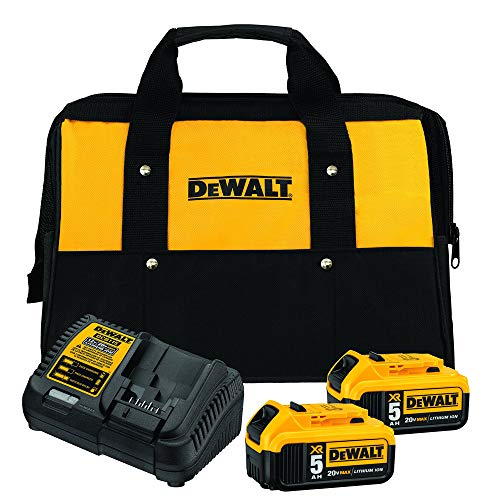
DEWALT 20V MAX 5Ah Battery Charging Kit (DCB205-2CK)

Milwaukee 48-11-2412 Twin Pack 12V Lithium Ion Batteries

DEWALT 20V MAX 5Ah Battery and Charger Kit (DCB205CK)

ECO-WORTHY 12V 314Ah LiFePO4 Lithium Battery Bluetooth

ECO-WORTHY EnergyRock 12V 280Ah LiFePO4 2 Pack
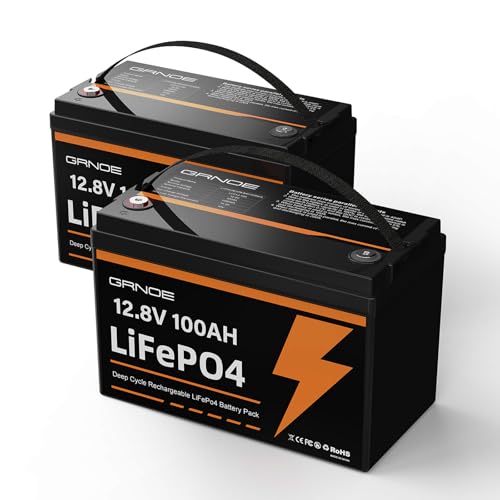
GRNOE 12V 100Ah LiFePO4 Group 31 Battery 2 Pack

ECO-WORTHY 12V 280Ah Metal Case LiFePO4 Battery
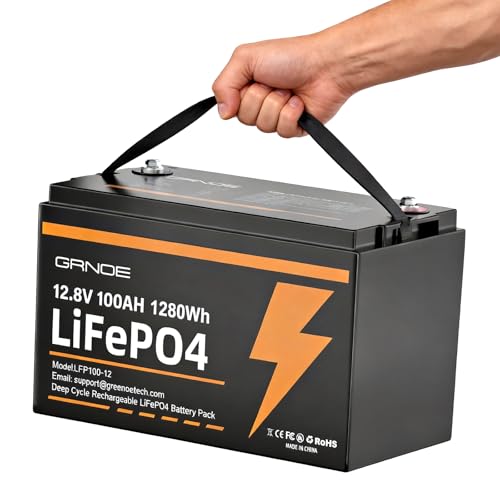
GRNOE 12V 100Ah LiFePO4 Group 31 Battery

GRNOE 12V 300Ah LiFePO4 Battery
The Strengths Of Each Pick
If your project list runs more toward LED strips, CCTV cameras, and small Bluetooth speakers than power tools, this rapthor brick is one of the more approachable 12V packs to drop into a closet or shelf. The BMS, short for battery management system, guards against overcharge and short circuits, which matters when the pack is tucked behind a router or modded into a custom enclosure.
Setup is friendly thanks to the included DC power connector and pigtail cable, so you can wire it into a fish-light rig without soldering. Power draw tops out at 3A, so this is firmly a low-load option and not the pick for any tool with a real motor behind it.
A Few Highlights
- Built-in BMS protection for safer permanent installations
- 3A maximum output suits most 12V LED and CCTV loads
- Includes charger, DC connector, and pigtail for quick wiring
- Compact size fits inside DIY project boxes and small enclosures
Trade Offs
- 2600mAh capacity is small relative to the deep-cycle packs further down the list
- Not suitable for any device that pulls more than 3A continuously
Made For
DIYers running LED lighting, CCTV cameras, modems, or other low-draw 12V devices who want a tidy, plug-in power source.
Consider Something Else When
The ECO-WORTHY 12V 314Ah is a better match when your build needs days of off-grid capacity rather than a single afternoon of small-device power.
Plenty of contractors already live inside the 20V MAX platform, and this DEWALT kit is the simplest way to add two fresh 5Ah packs to the van without a long charger search. The included DCB115 charger handles 12V, 20V, and 60V MAX batteries at a 4-amp rate, so it doubles as a universal shop charger rather than a single-purpose one.
The soft bag is small but useful for keeping both packs and the charger together at the tailgate. Versus the rapthor brick at number one, this is a totally different category: tool-system power, not low-draw DC storage.
The Case For It
- Two 5Ah batteries give you roughly 10Ah of platform runtime
- Multi-voltage charger works across 12V, 20V, and 60V MAX batteries
- Soft storage bag keeps the kit tidy in a truck or shop drawer
Honest Caveats
- Only useful if you already own or plan to buy DEWALT 20V MAX tools
- Heavier than compact 2Ah packs and harder on the wrist during overhead work
Key Specs
Right Fit For
Contractors and serious DIYers running 20V MAX drills, impacts, and saws who want a two-pack rotation system.
Look Elsewhere When
The Milwaukee 48-11-2412 twin pack fits better if you already own M12 tools instead of 20V MAX gear.
Milwaukee’s M12 line is a favorite for plumbers, electricians, and HVAC techs who run mostly 12V-class tools. This twin pack of 3.0Ah extended-capacity batteries keeps an extra pack on the charger while the other is in a drill or an LED work light, which is a small thing that adds up across a long service day.
The flat-standing base is a quiet win when you pop a battery into an M12 work light; the light sits upright on its own instead of tipping over. LED fuel gauges on each pack let you check charge state at a glance, so you aren’t surprised by a dead battery halfway through a junction box.
Practical Advantages
- Extended 3.0Ah capacity offers noticeably longer runtime than base M12 packs
- LED fuel gauge on each pack shows remaining charge quickly
- Flat base lets M12 lights stand independently on a flat surface
- Operating range of 32°F to 120°F covers most jobsite conditions
Things To Consider
- Only works with M12 tools, so it locks you into the Milwaukee ecosystem
- Charging speed depends on the charger you already own
Who It Suits Best
Tradespeople already invested in the M12 platform who want a higher-capacity backup pack for full workdays.
Where Another Pick Suits Better
The DEWALT 20V MAX 5Ah kit makes more sense if your tool wall leans toward 20V MAX rather than M12.
Where the DCB205-2CK at number two ships two batteries, this DCB205CK kit ships one and trades the second pack for a slightly friendlier entry point into the DEWALT 20V MAX system. It is the configuration most people grab as a first-time battery plus charger, then add a second pack later when the workload justifies it.
The included charger covers the same 12V to 20V MAX range as its bigger sibling, so this isn’t a downgrade in charging capability. The storage bag is a small touch that keeps the battery and charger from rolling around in the back seat.
Reasons It Performs
- 5Ah capacity handles longer drilling and cutting sessions than compact 2Ah packs
- Multi-voltage charger future-proofs your shop if you add 12V or 60V tools
- Storage bag keeps everything contained during transport
Trade-Offs To Consider
- Only one battery means downtime while it recharges
- Stepping up to the two-pack kit at #2 may save you money per battery if you know you’ll want a second
Best Suited To
First-time DEWALT 20V MAX buyers who plan to add a second pack later and want a clean starter bundle now.
Swap It Out When
The DEWALT 20V MAX 5Ah 2-pack kit fits better if you already know you’ll be running tools back-to-back all day.
This is where the list pivots from tool-system batteries to deep-cycle storage. The ECO-WORTHY 12V 314Ah pack is a LiFePO4 cell, meaning lithium iron phosphate, the chemistry known for thermal stability and long cycle life, sized for solar banks, RV house systems, and off-grid cabins that need serious amp-hour capacity.
Bluetooth monitoring plus on-board SOC (state of charge) LEDs lets you check remaining capacity from your phone rather than guessing from a voltmeter. The 200A BMS handles inverter loads up to the rating, and low-temperature protection stops the cells from being charged in conditions that would damage them.
Bright Spots
- 314Ah capacity covers multi-day off-grid runtime for moderate loads
- Bluetooth SOC monitoring removes the guesswork from voltage readings
- Low-temperature protection guards cells in cold garages and unheated RVs
- 200A BMS supports inverters and heavier 12V appliances
Points To Note
- Single-battery format; building a large bank means buying multiples
- Requires a LiFePO4-compatible charger, not a standard SLA charger
- Heavy to move into a van or basement without a second pair of hands
Key Specs
Whose Shelf It Belongs On
Off-grid homeowners and RV owners running solar arrays who need one heavy-capacity 12V cell to anchor the bank.
A Better Fit Elsewhere
The GRNOE 12V 100Ah Group 31 2-pack suits you better if you want two smaller, easier-to-lift batteries instead of one 314Ah brick.
Two batteries in one box is convenient when your van build needs redundancy or you want to wire a 24V bank with series connections. The EnergyRock pair shares the same LiFePO4 chemistry, 200A BMS, and Bluetooth monitoring as the single 314Ah unit at number five, just split across two 280Ah enclosures.
The metal-case design handles heat dissipation better than the older plastic enclosures and adds a layer of fire resistance that some owners prefer for indoor installs. You may notice the dual-pack format means two BMS units and two Bluetooth modules to keep tabs on.
Features That Help
- Two 280Ah batteries support series wiring for 24V systems
- Metal case improves heat dissipation and structural rigidity
- Low-temp charging protection for cold-climate use
Worth Bearing In Mind
- Each battery has its own BMS, so monitoring requires two Bluetooth connections
- Two enclosures take up more floor space than one larger battery
Feature Snapshot
Who Should Grab It
Van lifers and RV owners who want matched pairs ready to wire in series or run in parallel redundancy.
Reach For A Different Pick When
The ECO-WORTHY 12V 280Ah metal-case single battery is a smarter pick if you only need one cell and would rather not manage two BMS units.
Group 31 is a standardized battery case size, which means this GRNOE pack drops into existing boxes originally built for lead-acid marine or RV batteries. For most van builds, that is the difference between a clean install and hours of bracket fabrication.
Two 100Ah cells give you 200Ah at 12V out of the box, with the option to combine packs into a 4P4S array for up to roughly 20kWh of storage. The 100A BMS per battery is fine for typical RV loads, though it is worth checking your inverter’s surge draw stays under the rating.
Everyday Advantages
- Group 31 footprint fits standard battery boxes without modification
- Expandable up to a 4P4S configuration for higher voltage banks
- Up to 15,000 deep cycles for long service life
Potential Drawbacks
- 100A BMS limits peak inverter loads compared to higher-rated packs
- Heavy batteries ship one per box, so multi-pack orders may arrive separately
Spec Overview
Perfect Match For
RV owners and van builders who want a pair of Group 31 LiFePO4 batteries ready for parallel or series expansion.
Not Your Match When
The GRNOE 12V 300Ah single pack fits better if you’d rather run one heavy cell than coordinate charge on multiple smaller batteries.
Trolling motors and marine use punish batteries with vibration, heat, and salt air, so the metal-case ECO-WORTHY 280Ah is positioned for exactly that environment. The weak-current power switch on the front lets you cut output with one touch during storage, which prevents slow parasitic drain from killing the pack over the off-season.
Bluetooth monitoring keeps you from climbing into a billy compartment with a multimeter, and the low-temp cutout helps if you launch early in a cold spring morning. The 3584Wh rating puts it between the 314Ah ECO-WORTHY at number five and the 300Ah GRNOE at number ten in usable capacity.
Key Advantages
- Metal case resists vibration and heat in marine and trailer environments
- One-touch low-voltage cutoff switch for off-season storage
- Bluetooth SOC monitoring avoids manual voltage checks
- 200A BMS handles trolling motor thrust loads
Some Limits To Know
- Heavier than plastic-case equivalents at the same capacity
- Exterior label style ships randomly, though internal specs are identical
Built With In Mind
Boat owners and camper trailer builders who want one robust 280Ah cell with marine-grade durability features.
Skip It When
The GRNOE 12V 100Ah Group 31 single battery fits better for standard RV battery box replacements where metal case vibration resistance matters less.
If you are replacing a single Group 31 lead-acid battery in an RV or trolling motor setup, this GRNOE cell lands in the same physical space at roughly one-third the weight. The 22-pound-ish carrying weight matters more than it sounds when you are hauling a battery down a boat ramp or up a basement stairwell.
Compared to the GRNOE two-pack at number seven, this is the one-battery configuration for simpler installs. The 14.6V charging requirement is the main spec people miss, since a standard 12V charger won’t top off LiFePO4 cells to their full capacity.
Positive Takeaways
- Group 31 footprint drops into standard battery boxes
- Roughly one-third the weight of equivalent lead-acid batteries
- Up to 15,000 deep-cycle lifespan for multi-year service
Practical Considerations
- Needs a 14.6V LiFePO4 charger, not a generic 12V SLA unit
- Recommended top-up charge every two to three months during long storage
- 100A BMS caps peak inverter loads for high-surge appliances
Who Will Love This
RV owners and small-boat anglers upgrading a single Group 31 lead-acid slot to lithium without custom fabrication.
Where A Sibling Pick Shines
The GRNOE 12V 300Ah at number ten is a stronger choice when you want more capacity per battery and don’t mind a larger case.
The 300Ah single-cell format hits a sweet spot for cabins and larger RVs that want serious capacity without managing multiple batteries. The 200A BMS supports larger inverters than the 100A BMS units in the 100Ah Group 31 picks, which is why this slot closes out the list as the heavier-load option.
Solar charging is supported but requires a charge controller, and the documentation specifically warns against general-purpose or SLA chargers that don’t match the LiFePO4 profile. You may find the 56-pound weight manageable for a permanent install but tough for repeated repositioning.
Where It Helps
- 200A BMS handles inverter loads above the 100A-rated Group 31 packs
- 300Ah capacity covers multi-day cabin or RV house loads
- Supports 4P4S configurations for high-voltage off-grid banks
- Solar charging compatible with proper charge controller
Where It Is Less Suited
- Heavy to reposition without help during installation
- Requires LiFePO4-specific chargers, not leftover SLA units
- Single-battery format means a single point of failure for the bank
The Right Fit
Off-grid cabin owners and solar enthusiasts running 2000W-class inverters who want one heavy-capacity 12V cell to anchor a larger bank.
Another Choice May Suit
The ECO-WORTHY 12V 280Ah metal-case battery is a better match when marine vibration resistance matters more than absolute capacity.
What Matters Most When Choosing 12v Lithium Ion Battery Packs
Match The Format To The Job
Small DC bricks like the rapthor pack handle LED strips, CCTV cameras, and routers, while LiFePO4 deep-cycle packs power RV and solar banks. Tool-system batteries from DEWALT and Milwaukee only work inside their brand’s cordless platform, so choosing one locks you into that ecosystem. Before browsing, write down what you actually need to power and how many amps it pulls under load.
Understand Capacity And BMS Limits
Capacity is measured in amp-hours (Ah) or watt-hours (Wh), and tells you how much energy the pack stores. The BMS rating, in amps, is the maximum continuous current the battery will deliver before the protection circuit intervenes. A 200A BMS handles inverters; a 100A BMS suits smaller RV loads. Pairing a pack with loads above its BMS rating causes shutdowns or, in extreme cases, damage to the cells.
Pick The Right Charger Profile
LiFePO4 cells need a charging voltage around 14.6V, not the lower profile of lead-acid or SLA chargers. Using the wrong charger won’t fully top off the pack and can shorten cell life over time. Solar setups require a charge controller sized for the panel array and configured for the LiFePO4 chemistry.
Plan For Form Factor And Weight
Group 31 cases fit standard RV and marine battery boxes without modification. Larger 280Ah and 300Ah packs deliver more capacity per cell but weigh more and may need two people to position them. If you want to build a bank over time, match-case batteries from the same brand simplify series and parallel wiring later.
Key Considerations Across These Picks
Mistakes Worth Dodging
The most common mistake is grabbing a tool-system battery expecting it to run a 12V DC appliance, since the platform voltage and connector are proprietary. Another slip is using a leftover SLA charger on a LiFePO4 pack, which undercharges the cells and quietly shortens lifespan. Skipping the BMS rating is the third trap; a battery with a 100A BMS paired to a 2000W inverter will cut out the moment you push the load past the limit.
Why Top Tier Costs More
Higher-tier LiFePO4 packs cost more because of the cells themselves, the metal enclosures, and the safety circuitry that protects them. Bluetooth monitoring, low-temperature charge cutoffs, and metal cases add components and assembly time but reduce long-term risk in marine, RV, and off-grid use. For a permanent home install or a battery that will live in an unventilated compartment, that extra hardware is usually worth the spend over the cheapest single-cell option.
Frequently Asked Questions
What Is The Difference Between Li-ion And LiFePO4 12V Battery Packs?
Li-ion packs, like the rapthor unit on this list, are compact and lightweight for small DC loads. LiFePO4 packs use lithium iron phosphate chemistry, which offers longer cycle life and better thermal stability for deep-cycle applications like RVs and solar banks.
Can I Use A Regular 12V Charger On A LiFePO4 Battery?
No, a standard 12V SLA charger won’t reach the 14.6V profile that LiFePO4 cells need for a full charge. Use a charger specifically listed for LiFePO4 chemistry or a configurable charger set to the right voltage range.
How Long Do 12V Lithium Battery Packs Typically Last?
LiFePO4 deep-cycle packs on this list are rated for up to 5,000 to 15,000 cycles depending on depth of discharge and operating conditions. Compact Li-ion packs for LED and CCTV use tend to last several hundred to a few thousand charge cycles before capacity drops noticeably.
Do I Need To Match Battery Brands When Building A Bank?
Yes, mixing brands, ages, or capacities in series or parallel creates imbalance that reduces total usable capacity and stresses individual cells. Stick with identical batteries from the same brand, charged to similar voltage, for the safest multi-pack configuration.
What Does BMS Mean On A 12V Lithium Battery?
BMS stands for battery management system, an internal circuit that protects the cells from overcharge, over-discharge, short circuits, and excessive current draw. The BMS rating in amps tells you the maximum continuous current the pack will safely deliver before the protection circuit cuts output.
The Takeaway
Small DIY projects, tool platforms, and off-grid energy storage all use the same nominal 12V label but call for very different battery formats. Match the chemistry and BMS to your load first, then pick a capacity that fits your runtime goals. The picks above cover each of those profiles so you can settle on the right cell without overbuilding the bank.