A chirping smoke detector at 2 a.m. sends most people scrambling for a 9-volt battery they don’t have on hand. The right battery keeps alarms quiet for a full year and responds the moment smoke shows up. With seven strong picks on the table, this list focuses on shelf life, pack size, and how each one fits a real household routine.
The Choices Worth Comparing
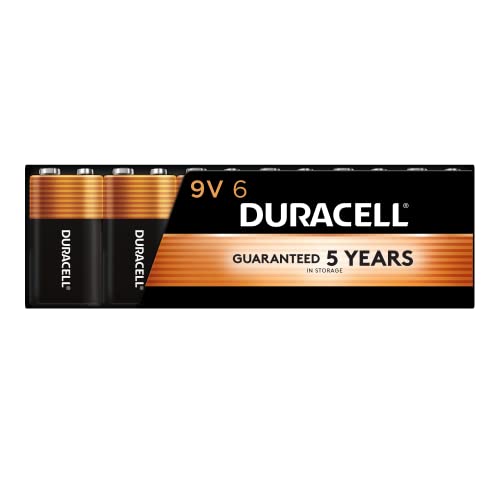
DURACELL Coppertop 9V Battery 6 Count

Duracell Coppertop 9V Battery 4 Count

Duracell CopperTop Alkaline 9V 4-Pack

DURNERGY 9V Batteries 24 Pack Alkaline

PKCELL 9V Batteries 10 Pack

DURNERGY 9V Batteries 8 Pack

DURNERGY 9V Batteries 12 Pack
The Details Behind The Selections
Six cells in one box covers most households in a single purchase. The DURACELL Coppertop 9V Battery 6 Count fits a routine where every alarm gets a fresh cell on the same calendar day, then a spare stays in the junk drawer. Compared with the smaller four-pack from the same brand that follows it, this one removes the yearly “did I buy batteries yet?” moment.
Alkaline chemistry (a zinc-manganese dioxide mix that delivers steady voltage for low-drain devices) suits ionization and photoelectric alarms equally well. For multi-level homes with several hardwired-with-battery-backup units, six cells line up nicely with a typical detector count. Anyone with a small apartment and only one alarm will find a smaller pack more practical.
Positive Takeaways
- Six-pack sizing aligns with a typical whole-home detector count, reducing mid-year store runs.
- Alkaline formulation holds voltage steadily under the low-drain draw of household smoke alarms.
- Recognized brand with wide retail availability, so replacement cells are easy to source locally.
- Suitable beyond alarms, fitting walkie-talkies, guitar effect pedals, and multimeters when needed.
- Comes sealed in retail packaging that keeps cells fresh until the first detector needs one.
Worth Noting
- Heavier pack than smaller Duracell options, which may feel like overbuy for studio apartments.
- Alkaline cells can slowly self-discharge in extreme heat, so attic-mounted alarms may need earlier swaps.
Who It Suits Best
Multi-detector households running an annual battery replacement day who want one purchase to cover the year.
Consider Something Else When
Studio dwellers with a single alarm get better value from the Duracell Coppertop 9V Battery 4 Count that follows.
Four cells match the real detector count in most one- and two-bedroom homes. The Duracell Coppertop 9V Battery 4 Count skips the surplus that often expires in a drawer, which is a quiet win for anyone who forgets a spare exists until the chirping starts. Versus the six-pack reviewed above, this is the right scale for smaller spaces.
Chemistry is the same trusted alkaline platform found across the Coppertop line, so voltage behavior under alarm load stays consistent. The four-cell format also travels well for second homes, RVs, or a basement workshop with one or two battery-powered units. Larger households with six or more alarms will burn through this pack too quickly.
What Makes Sense
- Pack size matches typical apartment detector counts, reducing unused cells sitting past their prime.
- Same Coppertop alkaline chemistry as the six-pack, keeping voltage delivery predictable.
- Compact retail box fits easily inside a kitchen drawer or hall closet with the first-aid kit.
- Useful across low-drain devices like security sensors and remote controls that share the same form factor.
Trade Offs
- Only four cells means homeowners with many detectors must reorder mid-cycle.
- Alkaline shelf life, while long, is shorter than the 10-year rated cells from DURNERGY reviewed later.
Made For
Condo, apartment, and small single-family households running three or four detectors on a yearly swap schedule.
Look Elsewhere When
Properties with six-plus alarms benefit more from the DURNERGY 9V Batteries 24 Pack for full-property coverage.
Same familiar Coppertop platform, packaged for shoppers who prefer a four-cell quantity. The Duracell CopperTop Alkaline 9V 4-Pack (MN16RT4Z) covers the same annual replacement rhythm as the four-count above, which makes the choice largely about pack presentation rather than performance.
Alkaline output suits ionization detectors, photoelectric units, and combination CO/smoke alarms that use a single 9V. The construction follows the standard rectangular form factor that fits every common detector bracket without forcing or bending. Heavy users running multimeters or stage microphones daily may drain these faster than a smoke alarm would.
Key Advantages
- Four-cell count matches the typical annual detector-swap count without surplus waste.
- Standard rectangular housing fits every common residential smoke and CO alarm bracket.
- Reliable alkaline output that does not dip under the steady draw of an alarm sitting on standby.
Minor Gripes
- Lacks the storage guarantee language seen on the more consumer-facing Coppertop packaging.
- Not ideal for high-drain gear like guitar effects or radio transmitters that drain alkaline quickly.
Quick Facts
Best Suited To
Shoppers who already trust the Coppertop name and want a focused four-cell pack without extras.
Where Another Pick Suits Better
Owners seeking longer shelf life for emergency storage should consider the DURNERGY 9V Batteries 8 Pack reviewed below.
Twenty-four cells turn battery replacement into a once-every-few-years chore. The DURNERGY 9V Batteries 24 Pack Alkaline fits landlords, multi-unit property managers, and large households with detectors scattered across basements, attics, and garages. Compared with the smaller DURNERGY packs reviewed later, this one stretches buying cycles the farthest.
Construction follows the 6LR61 layout (six AAAA-sized cells stacked in series inside the familiar rectangular shell) with a corrosion-resistant steel jacket that helps guard against leakage. That outer shell matters when batteries sit unused in a garage or basement toolbox for years. Owners with one or two alarms will sit on a stockpile that ages past its usable window.
Notable Gains
- Bulk 24-count format cuts reorder frequency for homes with many battery-powered devices.
- Corrosion-resistant steel shell helps protect against leaks during long storage in damp spaces.
- Alkaline output rated for several times the service life of standard carbon-zinc 9V cells.
- Useful across smoke alarms, guitar pedals, and microphone gear without specialty sourcing.
Points To Keep In Mind
- Bulk format leaves unused cells aging if your detector count is low, reducing effective value.
- Heavier box takes more shelf space than the four- or six-packs earlier in this list.
Who Should Grab It
Landlords, property managers, and households running eight or more alarms across multiple rooms or buildings.
Skip It When
Studio residents with two detectors would do better with the Duracell Coppertop 9V Battery 4 Count from pick 2.
Carbon-zinc chemistry (a lower-cost formulation that trades capacity for affordability) sits behind the PKCELL 9V Batteries 10 Pack, which keeps the upfront spend modest. The 10-cell format suits a medium-sized home or a property owner who likes to keep extras tucked in a hallway closet. Against the alkaline options earlier, this trades some longevity for cost efficiency.
Output stays steady enough for smoke alarms sitting in standby mode, which is the typical workload these cells see. The leak-resistant seal helps protect detectors from corrosion during long shelf stints. Owners running high-drain devices like wireless microphone packs or pedalboards may find the capacity lighter than expected.
The Upside
- Ten-cell count suits medium-sized homes without the bulk of a 24-pack.
- Carbon-zinc chemistry keeps the per-cell cost lower than most alkaline options.
- Leak-resistant construction helps safeguard detectors that sit in humidity-prone spots.
- Works across smoke alarms, basic remote controls, and similar low-drain electronics.
Honest Caveats
- Carbon-zinc capacity runs lower than alkaline, so high-drain gear drains these faster.
- Not the right match for alarms in attics or unheated spaces where temperature swings are common.
Feature Snapshot
The Right Fit
Budget-focused households running standard photoelectric or ionization alarms in climate-controlled rooms.
A Better Fit Elsewhere
Anyone needing longer shelf life should reach for the DURNERGY 9V Batteries 8 Pack covered in the next review.
Eight cells with a stated 10-year shelf life make this a strong emergency-storage pick. The DURNERGY 9V Batteries 8 Pack fits homeowners who rotate alarms slowly or want a sealed reserve for power outages. Compared with the larger 24-pack reviewed earlier, this stays more manageable in a closet or workshop drawer.
Alkaline chemistry inside a corrosion-resistant steel shell delivers the steady output smoke alarms need during long standby periods. CE certification (a European conformity mark covering safety, health, and environmental standards) adds an extra layer of assurance for shoppers who look at compliance marks before buying. Frequent users running guitar pedals or wireless mics may chew through the pack quickly.
Where It Delivers
- 10-year rated shelf life means cells stay ready long after other packs have weakened.
- Steel-jacketed shell resists corrosion in humid basements and garage storage spots.
- CE certification supports safety-conscious shoppers reviewing compliance details.
- Eight-cell count covers an average home’s detectors with a couple of spares left over.
Possible Compromises
- Higher per-cell cost than larger bulk packs when doing the math.
- Alkaline output drops faster under heavy draw than lithium alternatives for stage or studio use.
Perfect Match For
Homeowners who keep a sealed emergency reserve in a closet, safe room, or secondary property.
Reach For A Different Pick When
Active musicians running pedals daily should consider the DURNERGY 9V Batteries 12 Pack instead.
Twelve cells split nicely between home alarms and hobby gear sharing the same form factor. The DURNERGY 9V Batteries 12 Pack serves households where smoke detectors, guitar pedals, and a wireless microphone or two all pull from the same drawer. Against the smaller 8-pack reviewed just above, this one stretches further for mixed-use households.
Alkaline chemistry with the same corrosion-resistant steel shell and CE certification as the other DURNERGY entries keeps the construction consistent. Stated 10-year shelf life holds up for users who buy ahead and rotate slowly. Storage in a hot attic or sun-baked workshop will shorten usable life regardless of rated shelf claims.
What Helps Most
- Twelve cells cover both home alarms and hobby electronics sharing the same battery format.
- 10-year rated shelf life keeps spare cells viable for years between replacements.
- Steel-jacketed casing reduces leakage risk across humid basement storage spots.
- CE certification supports shoppers who weigh compliance marks during selection.
Less Ideal Details
- Mid-size pack costs more up front than the entry-level four-counts earlier in this list.
- Heat-exposed storage locations can shorten shelf life faster than the rated 10-year window.
Feature Snapshot
Whose Shelf It Belongs On
Mixed-use households sharing 9V cells between smoke alarms and music gear like pedals or wireless microphones.
Swap It Out When
Single-purpose households focused only on alarms get better per-cell value from the DURACELL Coppertop 9V Battery 6 Count.
Picking The Right 9V For Your Home Setup
Start by counting detectors before buying a single cell. Homes with three to four alarms do well with mid-size four- or six-packs, while larger properties benefit from bulk 12- or 24-count formats that cut down on reorder frequency.
Match chemistry to workload. Alkaline cells suit standby alarm duty and last longer on the shelf, while carbon-zinc options offer a lower-cost alternative for climate-controlled rooms with predictable conditions. Lithium and other premium chemistries extend life further but cost more up front, which only pays off for high-drain gear.
Look at shelf life if you keep spares. A 10-year rated shelf lets you stockpile a year or two ahead, useful for emergency kits or secondary properties. Shorter shelf ratings work fine for annual replacement cycles, where cells get used before aging matters.
Consider the storage environment. Humid basements, hot attics, and unheated garages shorten usable life regardless of rated shelf claims. Cells stored in climate-controlled closets hold their charge far longer, so buying the longest shelf life matters less when storage is consistent.
Key Considerations Across These Picks
Mistakes Worth Dodging
Buying more cells than you’ll use in two years wastes money, since even long-shelf alkaline chemistry loses potency sitting unused. Mismatching chemistry to workload is a common trap: cheap carbon-zinc cells in a high-drain pedalboard die in days. Skipping the detector count before buying leads to either a surplus that ages out or a shortage right before bedtime.
Where The Extra Money Goes
Higher-tier alkaline and lithium cells add longer shelf life, steadier voltage under load, and stronger leak protection. For typical residential alarm duty, the upgrade pays off when you want fewer mid-cycle replacements or stricter corrosion resistance. Households running high-drain hobby gear see the upgrade even more clearly, since cheap cells get expensive fast when they drain weekly.
Frequently Asked Questions
How often should 9V smoke detector batteries be replaced?
Most manufacturers recommend swapping once a year, though some newer 10-year sealed lithium alarms remove the replacement step entirely. Pick a memorable date like daylight saving time to keep the routine consistent.
Can you use rechargeable 9V batteries in smoke detectors?
Standard NiMH rechargeables (nickel-metal hydride cells that run at a lower nominal voltage than alkaline) often sit below the alarm’s required voltage threshold, which can cause low-battery chirps or missed alerts. Stick with primary alkaline or lithium cells unless the detector manual specifically lists rechargeable compatibility.
What is the difference between alkaline and carbon-zinc 9V batteries?
Alkaline cells hold higher capacity and longer shelf life, making them the standard pick for smoke alarms. Carbon-zinc cells cost less but deplete faster under any meaningful draw, so they suit low-stakes or backup applications best.
Is it safe to store spare 9V batteries in a hot garage?
Heat accelerates self-discharge and can degrade cells faster than the rated shelf life suggests. A climate-controlled closet is a better long-term storage spot, especially for alkaline cells you want to keep fresh across multiple years.
Do all smoke detectors accept the same 9V battery?
Most battery-powered ionization, photoelectric, and combination CO/smoke alarms use a standard rectangular 9V cell. Sealed 10-year lithium units are an exception, since the battery is built in and not designed to be replaced.