A chirping smoke alarm at 2 a.m. sends most people straight to the junk drawer. You need a fresh 9v Battery on hand before that moment arrives, not after it. Beyond safety gear, the same cell keeps a guitar pedal, a multimeter, and a wireless mic alive through gigs and weekend projects. The picks below cover trusted brands, bulk value packs, and long-shelf-life options so you can match the right cell to the device it powers.
A Quick View Of The Lineup
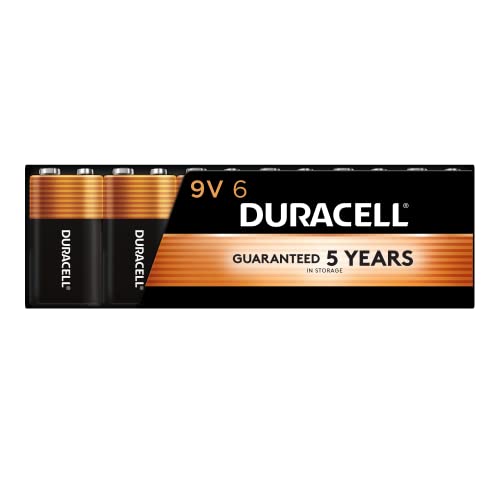
DURACELL Coppertop 9V Battery 6 Count

Energizer MAX 9V Batteries 4 Pack

DURNERGY 9V Batteries 24 Pack

Fuspower Ultra Long Lasting 9V Batteries 30 Pack

Energizer MAX 9V Batteries 2 Pack

DURNERGY 9V Batteries 8 Pack 10-Year Shelf Life

Fuspower Alkaline 9V Batteries 5 Pack 10-Year Shelf Life

DURNERGY 9V Batteries 12 Pack 10-Year Shelf Life
What Each Pick Brings To The Table
The DURACELL Coppertop 9V Battery 6 Count sits at the front of the lineup because it pairs a familiar name with a sensible pack size. For most homes with a handful of alarms, six cells is exactly enough to handle one full pass plus a couple of spares. It’s the kind of pack you grab when you want confidence without overthinking.
You also get flexibility beyond smoke alarms. These cells feed walkie-talkies, guitar pedals, and multimeters cleanly, which matters for anyone with a mixed stack of low-drain devices. The tradeoff is that the pack costs more per cell than the bulk DURNERGY options coming later, so heavy stockpilers may want to look elsewhere.
Everyday Advantages
- A 6-pack covers an average home’s detector rotation plus a couple of spares for guitar pedals or a wireless mic.
- The Duracell name carries weight with homeowners who replace batteries on a fixed schedule.
- Cells fit both smoke and carbon monoxide alarms, simplifying a yearly swap routine.
- Widely stocked, so reordering during a late-night chirp is rarely a problem.
Things To Consider
- Per-cell cost runs higher than the 24-pack and 30-pack options further down this list.
- Owners commonly report needing to check the date stamp; older stock can sit on some shelves.
Who It Suits Best
Homeowners with two to four hardwired or battery-only alarms who want one trip to the retailer each year.
Look Elsewhere When
You manage a rental property or large home with many detectors, where the DURNERGY 24 Pack or Fuspower 30 Pack will stretch a lot further per dollar.
The Energizer MAX 9V Batteries 4 Pack lands in the middle ground between the smaller 2-pack and the bigger bulk packs. Four cells handle the typical household’s detector pass without leaving you buried in spares. It also slots neatly into a junk drawer without dominating it.
Compare that to the Duracell 6-pack above, and the difference is mostly about pack size, not chemistry. Both run alkaline (a standard non-rechargeable chemistry that trades peak output for long shelf life and low cost), so the choice comes down to how many detectors you actually own. For two-bedroom homes with a couple of alarms, four cells is plenty.
Notable Gains
- Compact enough to stash with a flashlight and a smoke alarm escape ladder in a single tote.
- Strong brand recognition, which helps when passing the pack off to a neighbor or family member.
- Good fit for hobbyists who burn through 9V in guitar effects pedals.
Trade Offs
- Only four cells means you may run short on multi-alarm homes.
- Packaging occasionally varies between batches, which can confuse return requests.
Made For
Anyone with a small apartment or two-alarm setup who wants a brand-name cell without committing to a 24-pack.
Consider Something Else When
You want one bulk pack that lasts through several yearly cycles; the DURNERGY 12 Pack offers a better middle path.
The DURNERGY 9V Batteries 24 Pack is built for stockpilers and people who rotate cells across many devices. With two dozen cells in a single box, you can replace every detector in the house, plus a pedalboard or a wireless mic kit, without reordering for years. The trade-off is storage; you’ll want a drawer or bin earmarked for batteries.
Unlike the smaller packs above, the value here is per-cell cost. If you only own two smoke alarms, you’ll be sitting on extras for a long time. But for households with detached garages, basements, and bedrooms that all need coverage, the math starts to favor bulk immediately.
Benefits That Matter
- 24 cells stretch across multiple yearly replacement cycles for an average family.
- Steel shell construction with sealed edges helps limit leakage risk during long storage.
- Alkaline chemistry (6LR61 designation, the standard size code for rectangular 9V cells) keeps cost low compared with lithium alternatives.
Points To Note
- DURNERGY is a less familiar name than Duracell or Energizer, which may matter for brand-loyal shoppers.
- You’ll need a cool, dry storage spot to get full value from every cell.
Right Fit For
Large families or anyone maintaining detectors across a multi-floor home who wants a single bulk purchase.
Skip It When
You only need to swap one or two alarms; the Energizer MAX 4 Pack is a more proportionate option.
The Fuspower 30 Pack is the largest reserve in this lineup. Thirty cells will see most households through several years of detector swaps, with plenty left for guitar pedals, multimeters, and remote-control hobby projects. It is the obvious choice for anyone managing a rental, a workshop, or a property with detached buildings.
Compared with the DURNERGY 24 Pack, you get an extra six cells plus a chemistry positioned as “super heavy duty” for low-drain devices. The honest read is that most homes won’t burn through this in a single year, so it makes sense as a multi-year reserve rather than an immediate need.
A Favorable Mix
- Largest pack size here, ideal for facility managers and landlords who rotate many alarms at once.
- Cells are formulated without mercury, cadmium, or lead, simplifying end-of-life disposal.
- Wide device compatibility across fire alarms, multimeters, and audio gear.
Honest Caveats
- Storage planning matters; thirty loose cells need a real bin, not a junk drawer.
- Long shelf life depends on cool, dry conditions; garages and attics can shorten usable life.
Who Will Love This
Property managers, hobbyists, and homeowners with detached workshops who want one purchase to last years.
A Better Fit Elsewhere
You only run two or three alarms and don’t want a stockpile; the Energizer MAX 4 Pack is closer to your actual usage.
The Energizer MAX 9V Batteries 2 Pack is the smallest brand-name option here. Two cells solve the immediate problem of one chirping alarm without forcing a bulk commitment. It’s the pack to grab when you just need the chirp to stop tonight.
Beyond smoke alarms, two cells cover a single guitar effects pedal or a wireless mic for a gig. For multi-alarm homes, you’ll blow through it fast and end up ordering again, which is why the larger Energizer pack earlier in this roundup exists. Treat this one as a focused, single-use purchase.
The Good Stuff
- Lowest entry cost for a recognized name.
- Compact packaging fits in a kitchen drawer next to a screwdriver and tape.
- Useful for anyone who only owns one battery-powered device.
Worth Noting
- Only two cells, so multi-alarm homes will need to reorder quickly.
- Packaging graphics can vary between shipments, which occasionally causes confusion at the register.
Best Suited To
Singles, studio renters, or anyone whose home runs a single battery-only alarm.
Swap It Out When
You maintain more than one alarm; stepping up to the Energizer MAX 4 Pack or DURNERGY 8 Pack saves repeat orders.
The DURNERGY 9V Batteries 8 Pack sits in the practical middle. Eight cells is enough to cover a typical three-bedroom home’s alarms with spares left over, and the 10-year shelf life claim means you can stash the extras without worry. It’s a good “buy once, use later” option.
The shorter count compared with the 12, 24, and 30-pack options keeps things proportionate for mid-size homes. You avoid overstocking while still getting meaningful per-cell savings over the smaller packs above. For most families, eight is the sweet spot between coverage and clutter.
Reasons It Performs
- Ten-year shelf life reduces waste from expired cells in storage.
- Sealed steel shell limits leakage during long stretches in a drawer.
- Solid fit for guitarists running a multi-pedal board.
A Few Limitations
- Not enough cells for properties with eight or more detectors.
- Same brand-recognition gap as other DURNERGY entries; less familiar than Energizer.
Perfect Match For
Mid-size families who want a single pack that handles one rotation plus spares without becoming a stockpile.
Another Choice May Suit
You rotate cells across many devices each year; the DURNERGY 12 Pack or 24 Pack will outlast this one.
The Fuspower 5 Pack leans into emergency preparedness. Five cells backed by a 10-year shelf claim make this a smart grab for a go-bag, a closet emergency kit, or a cabin that rarely sees visitors. You get enough cells for rotation without committing to a full bulk box.
Pair this with the 30-pack earlier in the lineup and you cover both immediate needs and a long-term reserve. On its own, five cells will quietly sit ready for years, which is exactly the point of an emergency kit. Just remember that battery expiration dates only hold up in stable, room-temperature storage.
Well-Handled Touches
- Ten-year shelf life aligns with most emergency-preparedness checklists.
- Five-cell count avoids the “stuck in storage forever” feel of a 30-pack.
- Versatile across smoke alarms, multimeters, and wireless microphones.
Some Limits To Know
- Five cells won’t cover a large home’s full detector rotation.
- Shelf life assumes proper storage; hot attics or damp basements can shorten it.
Whose Shelf It Belongs On
Preparedness-focused households and anyone assembling a disaster kit for a rarely-used property.
Reach For A Different Pick When
You want one box to handle active yearly rotations; the DURNERGY 12 Pack is a more active-use option.
The DURNERGY 9V Batteries 12 Pack rounds out the lineup with a balanced middle-ground count. Twelve cells handle a full detector rotation in a mid-size home with spares left for a guitar pedal or two. It’s the pack to grab when the 8-pack feels thin and the 24-pack feels excessive.
The 10-year shelf life mirrors the smaller DURNERGY 8 Pack and the Fuspower 5 Pack, so you can treat this as a long-stash reserve without anxiety about expiration. For households that rotate cells annually but want a couple of years between orders, the math here lands cleanly.
What Stands Out
- Twelve cells bridge the gap between modest and bulk packs.
- Ten-year shelf life keeps unused cells viable in a closet or drawer.
- Cost per cell undercuts the 2, 4, and 6-pack options above.
Possible Compromises
- Still too few for very large homes with eight-plus detectors.
- Brand familiarity trails Duracell and Energizer, which matters for some shoppers.
Who Should Grab It
Family households with four to four alarms who want a low-fuss order that lasts several yearly swaps.
Where A Sibling Pick Shines
You run a rental portfolio or large property; the Fuspower 30 Pack will save you multiple reorders down the line.
Picking The Right 9V For Your Home And Gear
Match The Pack Size To Your Device Count
Counting your detectors first saves money and clutter. Two alarms point to the Energizer MAX 2 Pack or 4 Pack. Four to four alarms suit the DURNERGY 8 Pack or 12 Pack. Anything past that starts to favor the 24-pack and 30-pack options for genuine per-cell savings.
Decide Alkaline Versus Specialty Chemistries
Alkaline cells (the chemistry in every pack here) handle the low, steady draw of smoke alarms and pedals for years. Lithium 9V cells exist for high-drain professional audio gear, but they cost more and rarely help home users. For alarms, multimeters, and most hobby use, alkaline is the right call.
Plan For Shelf Life, Not Just Freshness
A 10-year shelf claim only holds up when cells stay cool and dry. Garages and outdoor sheds shorten usable life. If you live somewhere warm or humid, favor smaller packs you will actually rotate through rather than a 30-pack that may degrade before you use it.
Don’t Confuse Price With Value
The cheapest per-cell option isn’t always the smartest buy. Buying a 30-pack for two detectors leaves most cells sitting past their prime. Honest value comes from matching pack size to your real yearly rotation, then letting a longer shelf life stretch your dollars further.
Common Shopping Slip Ups And Where The Extra Money Goes
Pitfalls Shoppers Hit
The biggest mistake is buying bulk to “save money” without checking storage conditions. Cells sitting in a hot attic lose capacity before their printed date. Another common slip is grabbing a familiar name when a lesser-known brand offers better pack sizing, which matters more for alarms than branding does.
What Separates Premium From Basic
Higher-tier 9V cells typically use tighter sealing on the steel shell, which reduces leakage over multi-year storage. You also pay for stronger quality control on date stamps and internal chemistry consistency. For most homes, the jump from a budget alkaline cell to a premium one is small; what really moves the needle is choosing a pack size and storage plan that match your rotation.
Frequently Asked Questions
How long does a 9V battery actually last in a smoke alarm?
Most alkaline 9V cells run between one and three years in a working smoke alarm, depending on alarm age and how often the test button gets pressed. You should still replace them yearly as a habit, since voltage drops gradually before the chirp starts.
Can I use a 9V battery in a guitar pedal and a smoke alarm?
Yes, the same alkaline cell works in both. Pedals tend to drain cells faster because they draw current every time the pedal is engaged, while alarms sip power over the long term. Keep a separate stash for performance gear if you gig often.
What is the difference between 6LR61 and 6F22 battery labels?
Both labels refer to the standard rectangular 9V size. 6LR61 is the alkaline designation, while 6F22 is the older carbon-zinc designation. Alkaline cells last noticeably longer, which is why the listings here lean heavily on 6LR61 chemistry.
Do 9V batteries really last 10 years in storage?
Shelf-life claims assume the cell sits in a cool, dry environment at room temperature. Under those conditions, modern alkaline 9V cells hold usable charge for years. Heat, humidity, and partial discharge cycles shorten that window significantly.
Is it safe to mix brands when replacing batteries in the same device?
It is fine in a pinch, though matching brands and age keeps performance consistent. Mixing a brand-new cell with an old one can pull down the newer cell’s output faster, which is why a full swap is usually better than piecemeal replacement.
The Takeaway
A working smoke alarm is non-negotiable, and a stash of fresh 9V cells is what keeps it that way. Match pack size to your detector count, lean on the 10-year shelf-life options for emergency kits, and grab a familiar brand when you only need a couple of cells tonight. The right pick depends less on the label and more on how many devices you actually keep running.