A working smoke alarm saves lives, but it only saves lives if its battery is fresh. The right 9-volt cell sits in there, year after year, asking nothing of you until the chirp starts at 3 a.m. Picking the wrong battery means a weaker charge, an early swap, or worse, a detector that gives up before you do. This guide sorts through nine solid options so you can stock the hallway, the basement, and the kid’s bedroom without second-guessing the brand.
How The Shortlist Stacks Up
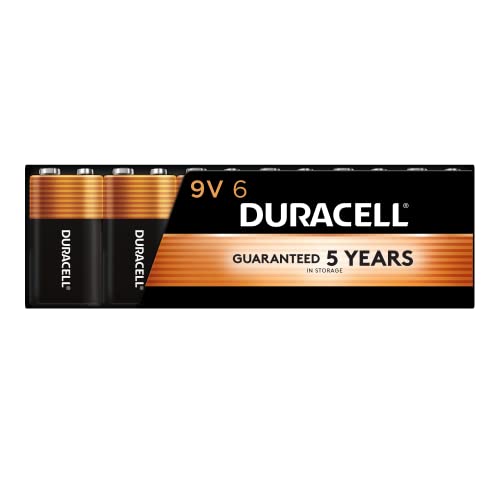
DURACELL Coppertop 9V Battery, 6 Count, Smoke Detector

Energizer MAX 9V Batteries, 4 Pack, Alkaline

Duracell Coppertop 9V Battery, 4 Count, Long-Lasting

DURNERGY 9V Batteries, 24 Pack, Smoke Detector 6LR61

Energizer MAX 9V Batteries, 2 Pack, Alkaline

DURNERGY 9V Batteries, 8 Pack, 10-Year Shelf Life

PKCELL 9V Batteries, 10 Pack, Smoke Alarms

DURNERGY 9V Batteries, 12 Pack, Smoke Detector

PKCELL 9 Volt Battery, 2 Pack, Smoke Detector, Alarms
The Strengths Of Each Pick
A 6-pack from Duracell covers most homes straight through a full annual swap cycle. Six cells means detectors in the kitchen, hallway, bedrooms, basement, and garage all get refreshed at once, with one to spare as a drawer spare.
Coppertop cells are alkaline chemistry, which trades a bit of peak output for very steady shelf performance. That balance matters in safety devices that sit in standby mode for months before ever being asked to do anything.
What Works In Its Favor
- Six-cell pack matches a typical detector count in mid-size homes.
- Alkaline chemistry delivers predictable voltage under low-draw standby conditions.
- Duracell is a familiar household name, easy to spot in stores when you run out mid-year.
- Single branded pack reduces the risk of mixing old and new cells across rooms.
Points To Note
- Alkaline cells are heavier than lithium equivalents, a small note if you swap ceiling units often.
- Single brand run means no flexibility to choose lithium for low-temperature rooms.
Built With In Mind
Homeowners running an annual battery sweep across multiple smoke and carbon monoxide detectors.
Consider Something Else When
Energizer MAX 9V Batteries (4 Pack) suits smaller households that only need to refresh two or three alarms each year.
Energizer’s MAX line is the other household name that anchors this category. Four cells is the sweet spot for apartments and small homes with a handful of detectors and the occasional guitar pedal or multimeter drawing on the side.
The trade-off versus the Duracell 6-pack is straightforward: two fewer cells, slightly tighter fit for a household that does not need a backup. The honest read is that most shoppers in this bracket will not notice the difference between the two brands in day-to-day use.
A Few Highlights
- Four-cell format reduces shelf waste for low-detector households.
- Alkaline chemistry is the right call for continuous low-draw safety devices.
- Spare cells pull double duty in walkie-talkies and garage multimeters.
Trade-Offs To Consider
- Four cells may run short in a multi-story home with combined smoke and CO detectors.
- Packaging design shifts between production runs, which can confuse repeat shoppers.
Whose Shelf It Belongs On
Condo dwellers refreshing two to four detectors each year without bulk-buying needs.
Skip It When
DURNERGY 9V Batteries, 24 Pack suits property managers handling dozens of units at a time.
This is the smaller sibling of the 6-pack reviewed above. A 4-count from Duracell Coppertop hits a sensible midpoint: enough to refresh every detector in a single-story home, without the surplus weight of a 6- or 12-pack.
Compare it to the Energizer MAX 4-pack and you are choosing brand preference more than chemistry. Both run standard alkaline cells designed for low-draw standby, and both will sit happily in a drawer for years between uses.
A Few Strong Suits
- Compact count fits apartment living without bulk waste.
- Duracell’s shelf reputation translates into reliable standby voltage.
- Versatile enough for alarm systems, guitar pedals, and test gear.
Small Caveats
- No spare cell once every detector is updated.
- Standard alkaline can struggle in unheated garages during deep winter.
The Right Fit
Renters and small-home owners running three or four detectors in temperate indoor spaces.
Look Elsewhere When
Energizer MAX 9V Batteries (2 Pack) is the better match if you only have one or two alarms to maintain.
Twenty-four cells in a single box is not for everyone, but it is exactly right for someone managing multiple properties, a school, or a workshop. Each battery is a 6LR61 alkaline cell, the standard square format that fits every smoke alarm sold in North America.
The steel shell construction is the practical detail worth noting. A sealed exterior helps the cell resist corrosion over long shelf periods, which matters when you might rotate through a pack over several years.
Notable Gains
- 24 cells keep a small facility running through several replacement cycles.
- Corrosion-resistant shell helps maintain integrity in storage closets.
- Single bulk buy simplifies record-keeping for safety inspections.
Honest Caveats
- Overkill for a household with two detectors.
- No manufacturer name recognition if you value familiar branding.
Key Specs
Who It Suits Best
Property managers, landlords, and small business owners rotating through several detectors each year.
Reach For A Different Pick When
DURNERGY 9V Batteries, 8 Pack is a smaller option for someone who likes the same chemistry without the 24-cell commitment.
Two cells in a single pack is the smallest format on this list and the right call for travelers and minimalists. If you keep a smoke alarm in a single guest room, a basement studio, or an RV, this format avoids the waste of a six-pack.
The packaging note is worth a sentence. Energizer rotates outer card designs across production runs, so the look of the box may shift between purchases. The cells inside are the same formula either way.
Everyday Perks
- Minimal pack format fits in a glove box or carry-on.
- Energizer brand consistency across chemistry lines.
- Two-cell format keeps cost low for one-off replacements.
Room For Improvement
- Only two cells means no backup if both are installed at once.
- Packaging variability can confuse repeat shoppers.
Made For
Studio apartment dwellers, RV owners, and anyone maintaining one or two detectors.
Where A Sibling Pick Shines
DURACELL Coppertop 9V Battery, 6 Count is the stronger choice when more than two detectors need refresh at once.
Ten years of shelf life is the headline feature here, and it is what makes this 8-pack interesting for spaces that get used only seasonally. Cabins, guesthouses, and detached garages all benefit from cells that can sit unused for years and still hold useful charge when needed.
These are alkaline 6LR61 cells with a sealed steel exterior, the same chemistry family as the 24-pack reviewed earlier. The smaller count keeps the format reasonable for a single homeowner rather than a property manager.
Real-World Strengths
- 10-year shelf claim beats most name-brand alkaline cells.
- Steel shell resists corrosion across long storage periods.
- Eight-cell count balances single-home scale with backup supply.
Things To Consider
- Alkaline still drops faster in unheated spaces below freezing.
- Less brand familiarity than Duracell or Energizer equivalents.
Quick Facts
Best Suited To
Cabin owners, vacation rental hosts, and anyone with detectors in unheated or rarely used rooms.
Not Your Match When
PKCELL 9V Batteries, 10 Pack is a friendlier fit for households that prefer carbon-zinc affordability over longer shelf claims.
PKCELL sits at the value end of this list. These are carbon-zinc cells, which is a different chemistry from the alkaline options above. Carbon-zinc delivers a steadier voltage curve in low-draw devices and tends to cost less per cell, which is why this 10-pack fits the budget slot.
The practical trade-off is endurance. For detectors that chirp once a year and otherwise sit silent, carbon-zinc is plenty. For high-drain devices like guitar effects, you may see shorter runtime than alkaline.
Positive Takeaways
- 10-cell count spreads across multiple detectors in a mid-size home.
- Carbon-zinc chemistry runs cooler in continuous standby use.
- Lowest cost per cell on this list for budget-conscious shoppers.
Things To Weigh
- Carbon-zinc drains faster under high current than alkaline equivalents.
- Not the chemistry you want for guitar pedals or professional test meters.
Who Should Grab It
Shoppers stocking bedroom and hallway detectors on a tight annual budget.
Swap It Out When
Energizer MAX 9V Batteries (4 Pack) is the better fit if your household runs anything beyond smoke alarms on 9-volt.
Twelve cells sits between a family pack and a landlord pack. If your house has smoke detectors in every bedroom plus the kitchen, garage, and hallway, twelve cells covers the full sweep with spares to spare.
This is the alkaline 6LR61 format with the same 10-year shelf claim as the 8-pack. The two DURNERGY entries are siblings, so the choice comes down to count rather than chemistry.
The Case For It
- 12-cell count covers larger homes with many detectors.
- 10-year shelf life suits homes that rotate batteries slowly.
- Versatile enough for guitar pedals and studio microphones too.
Some Limits To Know
- More cells than a small apartment needs.
- Less brand recognition in the safety-device category.
Feature Snapshot
Perfect Match For
Families with detectors spread across multiple rooms and a couple of 9-volt gadgets in the mix.
A Better Fit Elsewhere
Duracell Coppertop 9V Battery, 6 Count is the right call for shoppers who prefer brand-name familiarity at a smaller count.
A two-pack from PKCELL fills the same slot as the Energizer 2-pack but at a different price point and chemistry. Carbon-zinc cells in this format make sense for the simplest case: one detector that needs a fresh cell, with a second one stashed for next year’s swap.
Like the larger PKCELL 10-pack above, this set leans on carbon-zinc’s stable voltage under low draw rather than raw endurance. For a smoke alarm sitting in standby, that profile is more than enough.
The Helpful Details
- Two-cell format matches the smallest realistic household need.
- Carbon-zinc chemistry keeps purchase cost low.
- Standard 9V square fits every smoke alarm on the market.
Practical Considerations
- Limited capacity for any high-drain device use.
- No spare once both cells are deployed at the same time.
At A Glance
Right Fit For
Single-room dwellers and anyone replacing one chirping detector without buying bulk.
Where Another Pick Suits Better
DURNERGY 9V Batteries, 8 Pack is the stronger pick for seasonal properties needing 10-year shelf life.
What Matters Most Before Choosing 9v Battery For Smoke Detector
Chemistry And Voltage Stability
The two chemistries you will encounter are alkaline and carbon-zinc. Alkaline cells hold voltage more steadily under long standby, which matches how a smoke alarm actually draws power. Carbon-zinc costs less per cell and runs cooler, but it drains faster when you tap the same cell for guitar pedals or test gear. For detectors that do nothing but sit and listen, either chemistry gets the job done.
Pack Count And Household Size
A single-detector home wastes most of a 24-pack before the cells age out. A multi-story home with eight alarms runs short on a 2-pack. Count the detectors you actually maintain, then pick a pack size that covers one full annual cycle with one or two spares. That matching alone removes most of the guesswork.
Shelf Life And Storage Conditions
Alkaline cells commonly claim five years of shelf life, while some bulk packs stretch to ten. That claim matters more if you keep batteries in a garage, a basement, or a seasonal cabin where they may sit untouched for years. Detectors in climate-controlled hallways will not lean on that extra shelf margin nearly as hard.
Trusted Brands And Fit
Alkaline chemistry refers to cells using zinc powder and manganese dioxide, which produces a steady voltage over long standby periods. A standard 9V form factor is the rectangular cell with two snap terminals on top, and it is what nearly every smoke alarm accepts. Matching that form factor is non-negotiable. Choosing a brand you trust comes down to familiarity, packaging clarity, and how the company handles replacement if a cell underperforms.
Key Considerations Across These Picks
Pitfalls Shoppers Hit
The most common slip is buying a bulk pack without checking the manufacture date. Batteries lose charge sitting on a shelf before you ever buy them, and a 24-pack pulled from old inventory can arrive partly drained. Another trap is mixing chemistries across detectors. Some alarms are sensitive to voltage curves and behave oddly when one room runs alkaline while the next runs carbon-zinc.
Why Top Tier Costs More
Name-brand alkaline cells cost more largely because of tighter quality control during manufacturing. That tighter spread translates into more consistent voltage under load and fewer leak incidents in storage. For a single-home buyer, the premium is small. For landlords and property managers running through hundreds of cells, the lower failure rate adds up fast.
Frequently Asked Questions
How often should a 9v battery in a smoke detector be replaced?
Most manufacturers and fire safety groups recommend a fresh 9v cell at least once a year, even if the detector has not yet started chirping. Marking the swap date on a calendar or in a reminder app keeps you ahead of the 3 a.m. low-battery warning.
Can a carbon-zinc 9v battery work in a smoke detector?
Yes, carbon-zinc cells work fine in standard ionization and photoelectric smoke alarms. The detector draws very little current in standby, so the chemistry difference rarely shows up in daily use. For high-drain 9-volt devices, however, alkaline is the stronger choice.
What is the typical shelf life of a 9v battery?
Alkaline 9V cells commonly claim five years of shelf life, and some bulk packs stretch that to ten. Carbon-zinc cells often list shorter windows. Storage temperature matters: a hot garage or freezing basement cuts into the rated shelf life noticeably.
Is it safe to mix battery brands in different smoke detectors?
It is fine to mix brands across rooms since each alarm runs independently. Within a single detector, always use two cells of the same brand, age, and chemistry. Mismatched cells in a dual-battery alarm can cause uneven drain and false low-battery alerts.
Do 9v lithium batteries last longer than alkaline in smoke alarms?
Lithium 9V cells typically outlast alkaline cells in continuous standby use, which is why some homeowners prefer them for hard-to-reach ceiling detectors. They cost more per cell, so the upgrade is worth weighing against the convenience of fewer ceiling trips with a step ladder.
Final Verdict
For most households, a four- to six-pack from a familiar alkaline brand covers the year with spares to spare. Seasonal properties and multi-unit owners get more value from a 10-year shelf life bulk option. Whatever you pick, set a yearly reminder, swap on schedule, and the rest of the noise stays quiet for another twelve months.