Tiny batteries quietly power half the small electronics in your home, and 357 303 batteries show up everywhere from watches to thermometers. The catch is that the same physical size hides two very different chemistries, silver oxide and alkaline, and that choice decides how steady your device runs.
This guide sorts through eight 357 303 batteries that actually deliver, weighing chemistry, count per pack, and storage life against how people really use them. You’ll see why a watch owner and a garage full of gadgets may want two completely different packs on the shelf.
Your Options, Compared

LiCB 10 Pack LR44 AG13 357 303 SR44 Battery

LiCB 40 Pack LR44 AG13 357 303 SR44 Batteries

POWEROWL High Capacity LR44 Batteries 40 Pack
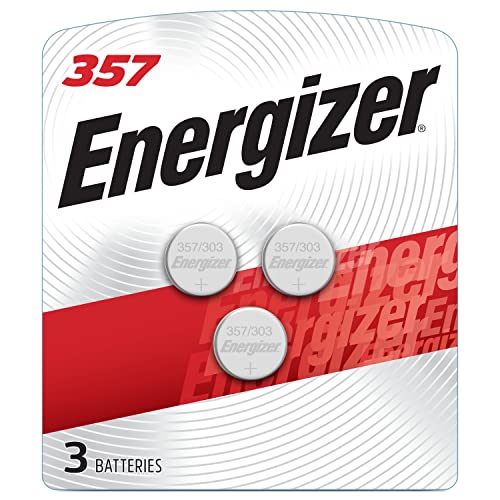
Energizer 357/303 Batteries 3 Pack Silver Oxide

Duracell LR44 Duralock 1.5V Button Cell 10 Pack

Duracell 303/357/76 Silver Oxide Button Battery 3 Count

POWEROWL LR44 Batteries 24 Count High Capacity

POWEROWL High Capacity CR2032 Battery 20-Pack
A Breakdown Of The Leading Choices
A modest ten-pack of LR44-equivalent alkaline cells, the LiCB 10-pack is the kind of thing you toss in a junk drawer and forget about until a thermometer dies. Each cell delivers 1.5V and cross-lists with an unusually long tail of equivalent codes (357, 303, SR44, AG13, A76, and roughly two dozen more), which means one pack covers a wide range of remotes, toys, and small gadgets around the house.
Compared to the bulk 40-pack you’ll see later, this ten-count strikes a calmer balance. It feels right for someone whose battery needs are steady but not industrial, and who values a manageable spares pile over running out and buying again next month.
Notable Gains
- Broad cross-compatibility with 357, 303, SR44, AG13, LR44, and many other codes, so one pack covers multiple device families
- 1.5V alkaline chemistry keeps voltage steady enough for typical low-drain remotes and small electronics
- Ten-count sizing fits neatly in a kitchen drawer without becoming a stockpile
- Stated quality-control testing under CE and ROHS standards gives some reassurance about basic safety compliance
Worth Noting
- Alkaline chemistry can dip in output as the cell drains, which may show up first in watches or medical devices that want a flat discharge curve
- Owners commonly report shelf life varies between batches, so storing spares in a cool, dry spot matters more than with name-brand alternatives
Right Fit For
Households with a handful of small gadgets, calculators, and the occasional toy that needs a quick swap.
Look Elsewhere When
Precision watch owners will get steadier voltage from the Energizer 357/303 Batteries 3 Pack Silver Oxide down the list.
The forty-pack version of the same LR44-equivalent cell takes the basic ten-pack and stretches it into a genuine stockpile. Same 1.5V alkaline chemistry, same sprawling list of compatible codes, just four times the volume. For a home with multiple toys, key fobs, and small remotes, this is the sort of buy-once-and-forget pack that quietly solves the next several battery emergencies.
It also suits people who run small workshops or tinker with electronics, since alkaline coin cells are the right answer for plenty of hobby projects. Compared to the POWEROWL 40-pack further down, the chemistry is more conventional, so the choice here is really about brand preference and how much you trust each maker’s quality-control story.
Bright Spots
- Forty cells in a single pack push the per-battery cost down hard for high-use households
- Broad compatibility covers LR44, 357, 303, SR44, AG13, A76, and a long list of equivalent codes
- Stated CE and ROHS certification testing under strict quality-control standards
- 1.5V alkaline output suits calculators, small toys, and most low-drain devices
Trade Offs
- Forty loose coin cells need a small organizer or sorted container, since they roll, scatter, and confuse drawers fast
- Alkaline chemistry gradually loses voltage as it drains, so high-precision devices may misbehave before the cell reads dead
Made For
Families and hobbyists who burn through coin cells regularly and want to stop ordering every few weeks.
Swap It Out When
Anyone running a watch or medical device that wants flatter voltage should look at the Energizer 357/303 Batteries 3 Pack Silver Oxide.
POWEROWL positions its forty-pack as a premium alkaline cell with higher-density construction, claiming roughly 10% greater energy density and 20% higher monomer capacity than a standard coin cell. That sounds like marketing fluff until you remember what actually changes: more stored energy per cell means a longer useful life in things like laser pointers and digital thermometers that sip power for months on end.
Compatibility stays just as wide as the LiCB packs, covering LR44, CR44, SR44, 357, 303, AG13, A76, L1154, L1154F, and many more. The Power Preserve Technology seal also matters in practice, since coin cells left in a drawer for a year or two can quietly lose charge to air exposure. For shoppers torn between this and the LiCB forty-pack, the honest read is that POWEROWL leans slightly harder on longevity claims.
What Stands Out
- Stated higher energy density than a standard alkaline cell, which tends to translate to longer runtime in low-drain devices
- Power Preserve seal helps cells hold charge through long drawer storage
- Wide compatibility list includes the L1154F variant for owners with specific medical or measuring devices
- Forty-count pack covers most households for a long stretch at a comfortable per-battery cost
Points To Note
- The “high capacity” claim is relative, so performance in very low-drain watches may still trail silver oxide options
- A larger pack means more loose cells to misplace if you don’t keep them in their original tray or a dedicated organizer
Feature Snapshot
Best Suited To
Gadget-heavy homes that want a long-lasting alkaline reserve without paying silver oxide prices.
A Better Fit Elsewhere
Watch collectors who prize steady voltage over bulk count will prefer the Duracell 303/357/76 Silver Oxide Button Battery 3 Count.
This is the chemistry you reach for when the device cares about steady voltage. Silver oxide cells hold their 1.5V output across most of their life rather than the gradual fade you get from alkaline, and that flat curve is why watchmakers, medical-device makers, and meter manufacturers quietly specify it. Energizer’s three-pack covers the core 357/303 use case with a recognized brand name and a stated shelf life of up to five years in storage.
The trade-off is the count. Three cells don’t build a stockpile. Where the alkaline 40-packs above solve “I always need one of these in a pinch,” this pack solves “I want one battery in the right watch to actually last.” For most homes that means owning both chemistries, but for a precision device on your wrist, this is the right answer.
Where It Helps
- Silver oxide chemistry (a different formula than alkaline) holds 1.5V nearly flat through most of its life, which matters for watches and medical devices
- Stated up-to-five-year shelf life when stored, ideal for emergency spares in a drawer or toolkit
- Zero-mercury construction suits households trying to reduce hazardous waste from spent coin cells
- Recognized Energizer brand means easy cross-referencing when a shop asks for “the watch battery”
Less Ideal Details
- Three-cell count is fine for occasional watch swaps but thin if you maintain a fleet of small devices
- Per-cell cost runs higher than alkaline bulk packs, which adds up if you use them in toys
Quick Facts
Perfect Match For
Watch owners, medical-device users, and anyone with a precision instrument that suffers when voltage dips.
Not Your Match When
Shoppers building a stockpile for toys and remotes will save money with the LiCB 40 Pack LR44 AG13 357 303 SR44 Batteries.
Duracell’s LR44-equivalent alkaline 10-pack carries the Duralock name and the kind of broad retail familiarity that makes it a low-thinking purchase. The cell still cross-references the same long list of equivalent codes (LR44, CR44, SR44, 357, SR44W, AG13, A76, and the rest), so it slots into most household electronics without drama.
The honest read is that this is a mainstream alkaline pick for people who prefer recognizable brand packaging on the shelf. Compared to the Energizer silver oxide pack above, it’s a different chemistry aimed at a different use case, toys, remotes, and key fobs rather than watches. For shoppers who simply want a Duracell-branded cell in this size, it’s a sensible, no-surprise choice.
Strengths Worth Knowing
- Duracell brand recognition makes it easy to find in physical stores when you need a cell in a hurry
- Ten-cell count is a manageable size that won’t sit unused for years before you rotate through it
- Wide compatibility covers LR44, 357, 303, SR44, AG13, A76, and a long list of equivalent codes
- Duralock design language suggests a focus on shelf stability for stored spares
Small Caveats
- Alkaline chemistry still drops voltage gradually, so high-precision devices may misbehave toward end of life
- Per-cell cost is higher than the bulk 40-packs, which adds up in gadget-heavy households
Feature Card
Who Should Grab It
Shoppers who want a familiar brand name and a moderate count, especially for remotes, small toys, and household scales.
Reach For A Different Pick When
Anyone replacing a watch battery should look at the Duracell 303/357/76 Silver Oxide Button Battery 3 Count for flat voltage.
Duracell’s silver oxide 303/357 entry shifts the brand into precision-device territory. Silver oxide is the chemistry of choice for watches, calculators, and small medical instruments because it keeps voltage nearly flat through the cell’s life instead of fading like alkaline. The stated four-year storage guarantee is a useful marker for anyone who only replaces a watch battery every couple of years.
The pack count stays small, three cells, because this is a specialist pick rather than a household stockpile. Compared to the Energizer silver oxide three-pack above, the chemistry is the same, the use case is the same, and the decision mostly comes down to which brand you trust more on the shelf.
Practical Advantages
- Silver oxide chemistry delivers the flat voltage curve that watches, calculators, and medical devices expect
- Stated four-year storage guarantee means a drawer-stored spare will still test good when you need it
- Duracell branding offers familiar retail sourcing if you need a single replacement quickly
- Listed use cases include digital thermometers, laser pointers, and stopwatches, which gives a sense of where it shines
A Few Limitations
- Three-cell count is fine for occasional watch swaps but small if you maintain multiple precision devices
- Higher per-cell cost than alkaline bulk packs makes it a poor choice for toys and remotes
Built With In Mind
Watch owners, stopwatch users, and households with digital thermometers that want chemistry matched to the device.
Where A Sibling Pick Shines
For higher-volume household use, the POWEROWL High Capacity LR44 Batteries 40 Pack delivers more cells at a lower per-unit cost.
The 24-count sits between the modest ten-packs and the full 40-count bulk options, which makes it the natural choice for workshop drawers, hobby kits, and mid-sized households. POWEROWL repeats the same chemistry story here, alkaline with stated higher energy density than standard cells and an air- and liquid-tight seal that helps prevent charge loss in storage.
It’s also a more forgiving pack size for people who want spares without dedicating a whole shoebox to coin cells. Compatibility stays wide (LR44, 357, 303, SR44, AG13, A76, L1154, and many more), and the chemistry is right for most low-drain electronics, including the toys and small gadgets that chew through alkaline cells every few months.
Key Advantages
- Twenty-four-cell count splits the difference between modest ten-packs and full bulk options
- Stated higher energy density than standard alkaline cells extends useful runtime in low-drain gadgets
- Power Preserve seal keeps stored cells from quietly draining through air exposure
- Wide compatibility covers LR44, 357, 303, SR44, AG13, A76, L1154, and a long list of equivalents
Honest Caveats
- Alkaline chemistry still drops voltage toward end of life, so precision devices may misbehave before the cell reads dead
- Twenty-four loose cells benefit from a small organizer since coin cells scatter easily once the original tray opens
Spec Overview
Whose Shelf It Belongs On
Workshop and hobby-kit owners who want a steady alkaline reserve sized for a few months of use.
Consider Something Else When
Watch owners will get steadier voltage from the Energizer 357/303 Batteries 3 Pack Silver Oxide.
The odd one out on this list earns its place on purpose. The CR2032 is a different battery from the 357/303 family: same coin-cell form factor, but 3V lithium chemistry rather than 1.5V alkaline or silver oxide, and a slightly thicker profile. Including it is a hedge against shoppers who arrive searching for 357/303 and realize their device actually takes a CR2032 (key fobs, motherboards, small electronics, and some medical devices often do).
POWEROWL ships a 20-pack with the same higher-density cell story as its alkaline 357/303 products, plus a leak-free construction claim that’s worth something in devices that sit untouched for long stretches. If you’ve checked your device and it really wants a 357 or 303, none of this pack applies, but for the wrong-battery drawer, it’s a useful backup to keep around.
Useful Highlights
- 3V lithium CR2032 chemistry covers key fobs, motherboards, and small electronics that share the coin-cell format
- Stated higher energy density than a standard CR2032, which tends to extend runtime in low-drain devices
- Leak-free construction helps protect sensitive electronics from corrosion during long storage
- Wide compatibility list covers CR2032, DL2032, ECR2032, BR2032, and many other equivalent codes
Practical Considerations
- CR2032 is 3V lithium rather than 1.5V alkaline/silver oxide, so it is not a direct substitute for any 357/303 device
- Confirm the battery your device actually requires before buying, since 3V in a 1.5V slot can damage sensitive electronics
Perfect Match For
Households that need a lithium CR2032 reserve for key fobs, remote controls, or small electronics, separately from any 357/303 alkaline cells.
Skip It When
Your device specifically calls for a 357 or 303 cell, in which case the LiCB 10 Pack LR44 AG13 357 303 SR44 Battery is the safer match.
What Separates A Good Coin Cell From A Frustrating One
A 357 battery and a 303 battery are physically identical and electrically interchangeable, which is why nearly every pack on this list cross-lists them. The deeper decision is chemistry. Silver oxide cells hold a flatter voltage curve through their life, which matters for watches, calculators, and medical devices that misbehave when voltage sags. Alkaline cells are cheaper per cell and fine for low-drain toys, remotes, and fobs, but they gradually lose voltage as they drain.
Pack size is the second real lever. A ten-pack keeps a drawer tidy but disappears quickly in gadget-heavy homes. A forty-pack is a stockpile that pays off if you genuinely use the cells. The mid-size 24-pack splits the difference for workshops and hobby kits. Also worth weighing is shelf life: silver oxide packs tend to advertise multi-year storage guarantees, while alkaline cells lose charge more gradually to air exposure unless sealed.
Watch owners, medical-device users, and precision-instrument owners should reach for silver oxide first. Everyone else will usually be well served by an alkaline bulk pack with broad compatibility, kept in its original tray or a small organizer so loose cells don’t vanish into the junk drawer.
Real-World Trade-Offs Worth Knowing
Wrong Turns To Avoid
The single most common mistake with 357 303 batteries is assuming all coin cells in this size are interchangeable. They aren’t. A CR2032 looks similar but delivers 3V instead of 1.5V, and putting it in a device built for a 357 or 303 can fry electronics. Always check the printed code on the old battery or in the device manual before swapping in a new pack.
The other trap is buying cheap alkaline cells for a precision device. A watch that needs steady voltage will start losing time well before the cell reads fully dead, which is the classic symptom of alkaline chemistry in a silver-oxide use case.
What The Higher Tier Buys
Premium silver oxide cells cost more per coin for one real reason: they hold their voltage flat across most of their life. That matters most in watches and medical devices, where a slight voltage dip translates directly into performance loss. For toys and remotes, the higher tier mostly buys longer shelf life and more consistent output, which is nice but rarely essential.
The upgrade is worth it for anyone replacing watch or medical-device batteries more than once a year. For everything else, the alkaline bulk packs on this list are usually the better value.
Frequently Asked Questions
Are 357 and 303 batteries the same?
Yes. The 357 and 303 codes refer to physically identical cells that share the same 1.5V output. Manufacturers cross-list them because both codes are common in the industry, and a single cell covers either designation.
What’s the difference between silver oxide and alkaline 357 303 batteries?
Silver oxide cells hold their 1.5V output nearly flat through their life, while alkaline cells gradually lose voltage as they drain. Watches, calculators, and medical devices generally prefer silver oxide because their performance degrades noticeably when voltage sags. Alkaline cells are more affordable and work well in low-drain devices like remotes and toys.
Can I use a CR2032 instead of a 357 or 303?
No. The CR2032 is a 3V lithium cell in a similar coin-cell form factor, but the higher voltage can damage devices built for a 1.5V 357 or 303. Only use a CR2032 in a device whose manual or printed battery slot specifically calls for CR2032, 2032, or equivalent lithium codes.
How long do 357 303 batteries last in storage?
Most silver oxide 357/303 packs advertise three to five years of shelf life when stored in a cool, dry place. Alkaline cells typically hold charge for a shorter window, often a few years, and lose capacity faster if exposed to heat or humidity.
How do I know which chemistry my device needs?
Check the manual or the markings inside the battery compartment. Watches, calculators, and medical instruments almost always specify silver oxide, while toys, key fobs, and basic remotes are usually fine with alkaline. Matching the original chemistry is the safest rule of thumb.
Bottom Line
The right 357 303 battery comes down to chemistry first, pack size second. Watch owners and anyone with a precision device should keep a small silver oxide pack on hand, while gadget-heavy households save real money with an alkaline bulk option. Most people end up with both eventually, and that’s a reasonable shelf to build.