A riding mower that won’t turn over on a cool spring morning is a frustrating puzzle, and the wrong battery tends to be the first suspect. Picking a Group U1 cell with the right cold cranking punch keeps your garden tractor firing through frost, damp grass, and long mowing sessions. This list covers ten maintenance-friendly AGM and lithium options sized for the popular U1 footprint, the format most residential garden tractors accept. You’ll find picks tuned for tight budgets, heavy weekend use, and weight-saving lithium upgrades, so you can match a battery to your mower without guesswork.
A Quick View Of The Lineup

WEIZE Lawn Garden AGM Battery 12V 300CCA Group U1

WEIZE Lawn Garden AGM Battery 12V 200CCA Group U1

MARXON U1 Riding Lawn Mower Battery 12V 330CCA

U1 Lithium LiFePO4 Lawn Mower Battery 12V 720CCA

AGM Group U1 Battery 12V 28Ah 300CCA

WEIZE Lawn Garden AGM Battery 12V 350CCA Group U1
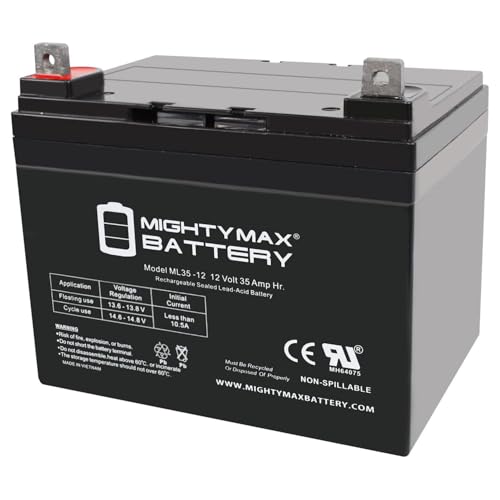
Mighty Max 12V 35Ah SLA Battery ML35-12

UPLUS U1 Riding Lawn Mower Battery 12V 330CCA

Autocessking U1-350CCA Lawn Garden AGM Battery

BRS U1 AGM Battery 12V 300 CCA Group U1
More On The Choices That Made The List
This WEIZE AGM (absorbed glass mat, a sealed lead-acid design that holds electrolyte in fiberglass mats) sits in the Group U1 footprint most residential tractors expect, so dropping it into a John Deere, Toro, Cub Cadet, or Craftsman bay usually means no shim and no rewiring. Cold Cranking Amps (CCA) is the short-burst power a battery delivers at 0°F for 30 seconds, and 300 CCA is a comfortable middle ground for small single-cylinder and twin-cylinder engines. The sealed case resists tipping leaks, which matters when you park the mower on a slope.
For most weekend mowing on a half-acre lot, this cell hits the sweet spot. Owners in mild climates generally find it starts reliably without paying for reserve capacity they’ll never use.
Benefits That Matter
- 300 CCA handles most small-engine garden tractors without strain.
- Group U1 footprint fits a wide range of popular mower brands.
- Sealed AGM construction means no acid top-ups and reduced spill risk.
- Square-hole nut-and-bolt terminals accept standard mower cables.
Things To Consider
- 18.68 lbs adds noticeable heft compared to lithium alternatives.
- Positive terminal on the left, so cable reach should be confirmed before install.
Key Specs
Who It Suits Best
This pick suits suburban homeowners running a mid-size riding mower across a standard lot.
A Better Fit Elsewhere
The MARXON U1 Riding Lawn Mower Battery Garden Tractors Battery 12V 330CCA suits owners who want a slightly stronger cranking reserve for heavier twin-cylinder engines.
Stepping down to 200 CCA, this second WEIZE option trims cranking power for owners running smaller single-cylinder engines. The same Group U1 shell keeps it physically compatible with the rest of the lineup, and the sealed AGM design resists corrosion on terminals stored outdoors. For someone who mows flat terrain in warm weather, the lower output rarely matters.
You give up some starting margin in cold weather, so this tends to fit homeowners in the Sun Belt who park the mower in a heated garage between uses.
Everyday Perks
- Group U1 dimensions drop into common garden tractor trays.
- Sealed AGM case needs no water top-ups during its service life.
- Nut-and-bolt terminal layout accepts stock mower cabling.
Worth Noting
- 200 CCA may struggle on cool mornings with older engines.
- 21.5 lbs means more lifting strain during seasonal swaps.
- Hazardous-materials shipping can add a wait compared to non-regulated items.
Made For
This cell suits owners of small-displacement riding mowers in warm climates with predictable mowing seasons.
Not Your Match When
The WEIZE Lawn Garden AGM Battery 12V 350CCA BCI Group U1 SLA Starting Battery fits cold-region owners who need stronger frost-morning cranking.
MARXON’s U1 steps the cranking number up to 330 CCA while keeping the slim 7.68 by 4.92 inch footprint that fits a long list of commercial and residential garden tractors. Sealed lead-acid construction means you can mount it at an angle without worrying about acid leakage, and 330 CCA gives meaningful headroom over the 200 and 300 CCA options earlier in this list.
For a household that runs the same mower for years and wants straightforward replacement without researching new dimensions, this lands as a sensible pick.
Features That Help
- 330 CCA delivers reliable ignition across cool mornings.
- SLA (sealed lead-acid) format installs in any orientation.
- Positive-left terminal layout matches most U1 tractor trays.
Trade Offs
- Listing includes only the battery and screws, so plan to reuse existing cabling.
- Lead-acid weight runs heavier than lithium alternatives like the Forgetyo U1.
At A Glance
Right Fit For
This works well for owners running branded tractors from AGCO, Husqvarna, Gravely, and similar lines who want a drop-in match.
Look Elsewhere When
The Forgetyo U1 Riding Lawn Mower Battery 12V 16Ah 720CCA fits shoppers who want a lighter lithium build with higher peak output.
Forgetyo’s lithium-iron-phosphate (LiFePO4) cell flips the script on this list. At roughly a third the weight of the AGM (absorbed glass mat) units and rated for a far higher 720 CCA peak, it trades familiar lead-acid chemistry for longer cycle life and easier seasonal handling. The 12.8V 16Ah pack still sits in a Group U1 envelope, so it bolts into most residential tractors without adapter brackets.
For shoppers who carry batteries in and out for winter storage or simply want a lighter mower, the trade-off lands as a genuine upgrade. You may find your existing charger incompatible if it lacks a lithium profile.
A Strong Showing
- Around 5 lbs, roughly a third of the lead-acid weight above.
- 720 CCA peak handles aggressive cold-weather cranking.
- LiFePO4 chemistry resists sulfation, the crystal buildup that kills lead-acid cells during long storage.
- Compatible with John Deere, Cub Cadet, Craftsman, and Troy-Bilt models.
Points To Note
- Requires a lithium-compatible charger for routine maintenance.
- Higher upfront cost than every AGM option on this list.
Quick Facts
Best Suited To
This pick fits owners who lift their battery seasonally, mow in cold regions, and want longer cycle life.
Skip It When
The WEIZE Lawn Garden AGM Battery 12V 300CCA Group U1 fits shoppers who only need a basic, affordable replacement.
This Daakmax AGM battery pairs the same 300 CCA many of its siblings offer with a noticeably larger 28Ah (amp-hour, a measure of how long a battery can supply a given current) reserve, which is the amount of energy stored for running accessories after the engine is off. Headlights, electric PTO clutches, and hour meters all sip from reserve capacity, so on a long mowing run you keep those circuits live without dimming the starter’s punch.
The compact 7.68 by 5.12 inch footprint keeps the swap straightforward for Craftsman, Cub Cadet, and Toro tractors, and the sealed AGM case means you skip the water-check routine.
Useful Strengths
- 28Ah reserve capacity outlasts smaller U1 cells on accessory-heavy tractors.
- Maintenance-free AGM case resists spills and corrosion.
- Standard U1 dimensions fit popular residential brands.
Room For Improvement
- 300 CCA is moderate for very cold climates.
- Higher reserve capacity adds weight over lower-Ah options.
Feature Snapshot
Who Will Love This
This fits owners running accessory-loaded garden tractors with lights and electric PTO who mow for long stretches.
Reach For A Different Pick When
The BRS U1 AGM Battery 12V 300 CCA fits shoppers who want a battery pre-charged and ready for installation out of the box.
When 300 CCA isn’t quite enough, this 350 CCA WEIZE steps up while keeping the same Group U1 case. The extra cranking helps twin-cylinder engines fire up on frost-bitten mornings, and the positive-left terminal orientation matches the rest of the WEIZE lineup. At 21.45 lbs, it’s a familiar lead-acid feel rather than a surprise weight.
You may find the 350 CCA headroom valuable if your tractor sits outside and you fire it up before the sun warms the engine bay.
Notable Gains
- 350 CCA adds confident cold-weather starting over 300 CCA siblings.
- Standard U1 dimensions swap directly into existing trays.
- Sealed AGM build needs no scheduled maintenance.
- Compatible with John Deere, Toro, Cub Cadet, and Craftsman tractors.
Honest Caveats
- 21.45 lbs is heavier than lithium options like the Forgetyo above.
- Standard 12V output matches OEM specs but doesn’t offer lithium’s deeper cycle life.
Perfect Match For
This cell fits cold-climate owners running a residential twin-cylinder riding mower who want a sealed AGM upgrade.
Swap It Out When
The Forgetyo U1 Riding Lawn Mower Battery 12V 16Ah 720CCA fits shoppers who want to drop roughly two-thirds of the weight and accept lithium charging needs.
Mighty Max’s ML35-12 pushes amp-hour capacity higher than anything else on this list at 35Ah, which matters if your tractor powers headlights, electric lifts, or sprayers alongside the starter. SLA/AGM construction tolerates deep discharge recovery better than flooded cells, and the compact 7.76 by 5.12 inch footprint keeps it within U1 territory.
For owners running their mower as a multi-purpose yard tool, the reserve capacity can outlast smaller batteries by a full season.
What It Does Well
- 35Ah reserve handles high accessory loads during long work sessions.
- SLA/AGM sealed design resists leaks and simplifies mounting.
- Wide operating temperature range suits shoulder-season mowing.
Potential Drawbacks
- Higher amp-hour rating adds weight over typical U1 replacements.
- Listing includes battery and screws only; no wire harness.
Feature Snapshot
Whose Shelf It Belongs On
This pick suits owners running accessory-heavy John Deere and similar tractors who prioritize reserve capacity over compact weight.
Consider Something Else When
The Autocessking Lawn Garden AGM Battery Group 1 (U1-350CCA) fits shoppers who want higher CCA output at a similar capacity range.
UPLUS targets longevity with high-purity lead plates in its 330 CCA cell, and the brand rates the build for multi-year service under regular mowing. The 7.68 by 4.92 by 6.93 inch case still clears the U1 envelope, and the maintenance-free design removes the acid-check chore some owners dislike.
For frequent mowers with a large property, the chemistry focus adds meaningful service life over generic alternatives.
Everyday Advantages
- High-purity lead plates aim for longer cycle life.
- Maintenance-free AGM case eliminates water top-ups.
- 330 CCA balances starting power and reserve for residential use.
- Wide brand coverage including John Deere, Cub Cadet, Husqvarna, and Craftsman.
A Few Limitations
- Lead-acid weight runs heavier than lithium alternatives.
- Reserve capacity is moderate compared to the 35Ah Mighty Max above.
Built With In Mind
This battery fits frequent-use homeowners who want a long-lasting AGM replacement across multiple tractor brands.
A Better Fit Elsewhere
The Forgetyo U1 Riding Lawn Mower Battery 12V 16Ah 720CCA fits shoppers who want lighter weight and higher peak cranking in a lithium build.
Autocessking’s 350 CCA U1 cell lines up directly with the higher-output WEIZE in this roundup, but it stands apart by offering both 350 CCA and 320 CCA variants in the same model line. The positive-left terminal and standard U1 dimensions fit popular residential tractor brands, and the sealed AGM case keeps maintenance to occasional terminal cleaning.
For shoppers who want a stronger starter punch without moving to lithium, this rounds out the heavy-duty options.
Key Advantages
- 350 CCA output fires up larger twin-cylinder engines confidently.
- Standard U1 form factor fits common mower battery trays.
- Sealed AGM design reduces corrosion on outdoor-stored tractors.
Points To Keep In Mind
- Dimensions run larger than slim U1 cells, so verify tray clearance.
- Lead-acid weight sits on the heavier side versus lithium options.
Who Should Grab It
This battery fits owners running larger residential tractors who want stronger cold-start cranking in a sealed AGM build.
Where Another Pick Suits Better
The BRS U1 AGM Battery 12V 300 CCA fits shoppers who want a slightly smaller, cold-weather-ready cell that arrives fully charged.
BRS rounds out the lineup with a 300 CCA AGM cell that’s also marketed toward UTV, ATV, and generator use. Vibration resistance matters when a battery lives under a seat bouncing across rough yard terrain, and arriving fully charged means a quicker install when an old battery finally gives up. Cold Cranking Amps of 300 handles typical residential engines without fuss.
For households that run multiple powered garden tools on the same charger schedule, a versatile U1 like this simplifies the parts shelf.
Where It Excels
- 300 CCA plus 375 CA (cranking amps, measured at 32°F, which is a less demanding test than CCA) output covers cool-morning starts.
- Vibration-resistant AGM build tolerates rough yard terrain.
- Arrives fully charged for immediate install.
- Maintenance-free sealed case with no water top-ups.
Trade Offs
- Group U1 sizing can vary slightly between SKUs, so confirm tray dimensions.
- Lead-acid chemistry weighs more than lithium alternatives like the Forgetyo U1.
The Right Fit
This BRS battery fits owners who want one Group U1 cell that handles the mower today and a UTV or generator tomorrow.
Another Choice May Suit
The MARXON U1 Riding Lawn Mower Battery Garden Tractors Battery 12V 330CCA fits shoppers who want a slightly higher CCA rating in a similarly versatile U1 build.
What To Weigh Before Picking A Replacement U1 Battery
CCA rating gets the spotlight, but the cell that suits your mower depends on a handful of smaller decisions too. Reserve capacity, terminal orientation, weight, and charging needs all shape how a battery feels in daily use. Reviewers commonly report that the cheapest cell often costs more over its lifetime if it sulfates during winter storage. Match the spec to your climate and mowing habits before you click “buy.”
CCA Vs Reserve Capacity
Cold cranking amps fire the engine. Reserve capacity, measured in amp-hours, keeps accessories running after the engine shuts off. A mower with headlights and an electric PTO leans on reserve capacity far more than a basic entry-level tractor. The 35Ah Mighty Max stands out here, while the 16Ah Forgetyo lithium trades raw capacity for cycle life and weight savings.
AGM Vs Lithium Chemistry
AGM (absorbed glass mat) cells are sealed lead-acid batteries with the electrolyte suspended in fiberglass. They cost less, work with standard chargers, and tolerate deep discharge reasonably well. Lithium LiFePO4 chemistry lasts more cycles, weighs less, and discharges more deeply without damage, but it demands a compatible charger and a higher initial outlay. Pick AGM for budget-friendly compatibility, lithium for weight savings and longevity.
Physical Fit And Terminal Layout
Group U1 covers most residential mowers, but dimensions vary slightly between brands. Measure your tray and confirm the positive terminal position; most of these batteries put positive on the left, and swapping cable reach isn’t always an option on a budget. A battery with the right CCA but the wrong footprint simply won’t drop in.
Climate And Storage Habits
Cold regions benefit from higher CCA, while warm-climate owners can save money stepping down. Stored batteries last longer on a maintenance charger, and AGM cells recover from slow self-discharge better than flooded lead-acid. If you store the mower in an unheated shed, plan for a winter tender.
Smart Considerations Across These Picks
Common Shopping Slip Ups
The most frequent mistake is buying on CCA alone and ignoring physical fit. A 350 CCA cell with mismatched dimensions sits on a shelf until you return it. Skipping the charger check matters too: a lithium upgrade often needs a different charging profile. Verify tray dimensions, terminal orientation, and existing cable reach before settling on a battery.
Where The Extra Money Goes
Higher-tier AGM batteries like the UPLUS and 350 CCA WEIZE use purer lead plates and tighter manufacturing tolerances, which extends cycle life. Lithium options like the Forgetyo spend their premium on LiFePO4 cells, battery management circuitry, and weight savings. The upgrade pays off when you mow weekly, store the battery across winters, or simply want a lighter unit to lift. For occasional weekend mowing in mild weather, a budget AGM does the job without the extra cost.
Frequently Asked Questions
What does CCA mean for a lawn mower battery?
CCA, or Cold Cranking Amps, measures the short-burst power a 12V battery delivers at 0°F for 30 seconds while maintaining at least 7.2V. Higher CCA means easier cold-weather starts. Most residential mowers run fine on 200 to 350 CCA.
Can I use a lithium battery in any riding mower?
Most lithium U1 replacements share the same footprint as lead-acid, so they bolt into common tractor trays. You do need to confirm your charger’s compatibility, because lithium cells require a different charging profile than AGM. Check your mower’s manual before installing.
How long does a Group U1 lawn mower battery last?
AGM batteries typically deliver three to five mowing seasons with proper storage and a maintenance charger. Lithium LiFePO4 cells can extend past that with shallower discharge cycles, though real-world life depends on climate and usage.
What size battery does my riding mower take?
The vast majority of residential garden tractors use the Group U1 case format, which measures roughly 7.7 by 5.1 by 7 inches. Always measure your existing battery tray before ordering a replacement, since small dimensional differences can affect fit.
Should I keep my mower battery on a tender over winter?
A maintenance charger, also called a tender, is a low-amperage charger that offsets a battery’s natural self-discharge, and it dramatically extends AGM service life during off-season storage. Lithium cells hold their charge longer, but a tender still helps if the tractor sits for months.
Wrap Up
The right 350 CCA lawn mower battery depends on your climate, your tractor’s accessories, and how much weight you want to lift. AGM cells like the WEIZE 350CCA and UPLUS U1 fit most residential garages without changes, while the Forgetyo lithium opens the door to a lighter upgrade if your charger supports it. Match the spec to your mower, and your Saturday morning starts will stop being a guessing game.