Aging AGM banks weighing down your boat or RV is a familiar headache for anyone who spends real time off-grid. Swapping to a 200Ah lithium setup trades that lead anchor for a lighter, longer-running battery that actually fits where you need it. The ten picks below cover the scenarios most shoppers face: trolling motors, solar builds, RV house banks, weekend camping, and home backup. Each one earns its spot on the list for a specific reason, from a compact footprint to rugged cold-weather protection.
How The Shortlist Stacks Up

Redodo 12V 300Ah Deep Cycle LiFePO4 Battery

Litime 12V 200Ah Mini Trolling Motors LiFePO4 Lithium Battery

ECO-WORTHY 12V 314Ah LiFePO4 Lithium Battery Bluetooth

ECO-WORTHY EnergyRock 12V 280Ah 2 Pack LiFePO4 Metal Case

Litime 12V 200Ah Lithium LiFePO4 Battery for Trolling Motor

Redodo 2 Pack 12V 100Ah RV LiFePO4 Battery Group 31

ECO-WORTHY 12V 280Ah Metal Case LiFePO4 Lithium Battery

Redodo 12V 100Ah Marine LiFePO4 Battery Group 31
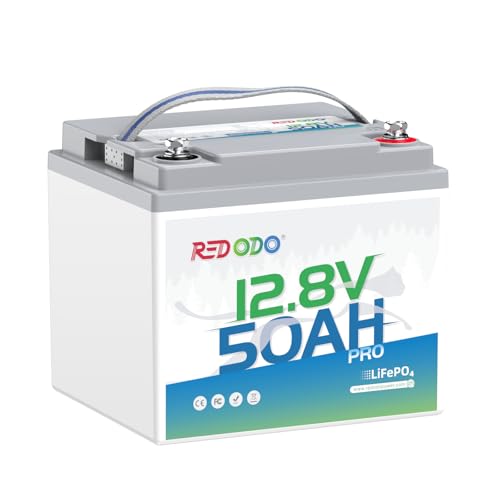
Redodo 12V 50Ah Trolling Motor LiFePO4 Battery

12V 200Ah LiFePO4 Lithium Battery Built-in 200A BMS
More On The Choices That Made The List
Big RV owners and liveaboard boaters usually hit the same wall: their battery bank runs out before the trip ends. The Redodo 12V 300Ah steps in as a direct drop-in for banks that previously needed six 100Ah AGMs wired together. You get one enclosure instead of a stack, which simplifies cabling and frees up a meaningful amount of space in the compartment.
That single-block approach matters when your inverter, fridge, and coffee maker all spike at once. The internal battery management system (BMS), the small circuit board that protects against overcharge and shorts, is sized for serious continuous draw, so running kitchen appliances off-grid stops feeling like a gamble. For most full-time RVers, this is the closest thing to a one-and-done lithium upgrade.
Notable Gains
- 300Ah rating delivers roughly 3.84 kWh of usable energy, enough to keep a typical 50W fridge running for more than three full days.
- High continuous output supports simultaneous kitchen loads like a coffee maker and kettle without tripping protection.
- Replaces a multi-battery AGM stack, cutting around 300 lb of dead weight from the rig.
- LiFePO4 chemistry tolerates deep discharges well, so you actually use the rated capacity instead of treating the bottom half as off-limits.
Things To Consider
- The single large enclosure is heavier than smaller modular packs, so plan for a two-person lift at install.
- Confirm your inverter’s low-voltage cutoff matches LiFePO4’s flat discharge curve, or you risk nuisance shutoffs late in the cycle.
Who It Suits Best
Full-time RVers and liveaboard boaters who want one block to replace an entire AGM bank.
Look Elsewhere When
You only need weekend capacity and a smaller bay. The Redodo 12V 100Ah Marine LiFePO4 Battery Group 31 fits smaller boats much more easily.
Tight battery compartments are the silent tax on boat upgrades. The Litime Mini lands in the Group 31+ footprint (roughly 13 inches long, slightly taller than standard Group 31), which is meaningful when every inch of bilge space is spoken for. At about 44 lb, it sheds serious weight compared to a flooded lead-acid of the same capacity, and that weight savings shows up in hull speed and fuel burn on smaller craft.
Compared to the Redodo 300Ah above, you trade raw capacity for a more boat-friendly form factor. If your trolling motor, fish finder, and livewell pump pull from the same bank, this is the more practical anchor for that load. Grade A cells and a strong BMS round out the package.
Useful Strengths
- Group 31+ mini case fits where full-size 200Ah packs physically cannot.
- About 44 lb is a massive drop from lead-acid equivalents, which directly improves small-boat handling.
- LiFePO4 cells rated for long cycle life hold up to repeated deep discharge from trolling motors.
- BMS protection keeps the pack safe during long days on the water with continuous motor draw.
Worth Noting
- Smaller case means the BMS runs warmer under heavy inverter loads, so ventilation in the compartment matters.
- Terminal placement can vary by batch, so double-check clearance against your existing hold-down brackets.
Made For
Anglers and small-boat owners who need 200Ah in a Group 31+ envelope without going to a full-size brick.
Consider Something Else When
You want integrated Bluetooth monitoring. The Litime 12V 200Ah Lithium LiFePO4 Battery for Trolling Motor adds app-based SOC tracking without changing the form factor.
Off-grid solar homeowners want visibility, not mystery. The ECO-WORTHY 314Ah pairs an integrated SOC (state of charge) LED panel with Bluetooth and low-temperature protection, so you can see the bank state at a glance and still pair a phone for deeper diagnostics. The 200A BMS handles serious inverter loads, which matters when your daily draw includes a microwave or a small air conditioner.
The pack also steps in cleanly as a home backup module alongside portable solar. For anyone building a system piece by piece, having a real number on the front of the battery instead of guessing from voltage is a quality-of-life upgrade you stop noticing after a week.
Features That Help
- Front-facing SOC LEDs give instant readout without pulling out a phone.
- 200A BMS supports heavy continuous loads, useful for induction cooking and inverter microwaves.
- Low-temperature charging protection prevents cell damage in unheated garages or sheds in winter.
- Long cycle rating means years of daily cycling before noticeable capacity loss.
Trade Offs
- The single 314Ah brick is heavy and awkward to position alone, so recruit help at install.
- Bluetooth range is line-of-sight in practice, so metal cabinet enclosures can knock the signal down.
Quick Facts
Best Suited To
Off-grid solar households and cabin owners who want visible state of charge and cold-weather protection in one box.
Not Your Match When
You want a lighter pair of packs you can carry separately. The ECO-WORTHY EnergyRock 12V 280Ah 2 Pack LiFePO4 Metal Case splits that capacity into two transportable units.
Building a large bank usually means wrestling with one awkward brick through the door. The EnergyRock 2 Pack arrives as two 280Ah modules that you can stage and connect one at a time. Each module sits in a metal enclosure instead of plastic, which spreads heat more evenly under heavy cycling and resists the kind of cracking that happens when AGM boxes age in the sun.
Wired in parallel, the pair gives you about 3584Wh on a single 12V bus, which is plenty for an off-grid cabin or a large RV solar setup. Compare that to the single 314Ah ECO-WORTHY above: same family, but split into manageable pieces.
The Good Stuff
- Two-pack format keeps each module at a manageable weight for solo handling.
- Metal enclosure resists heat and impact better than typical ABS plastic cases.
- Bluetooth and low-temp protection carry over from the single-pack version.
- 200A built-in BMS handles demanding inverter loads across the parallel bank.
Honest Caveats
- Two-pack shipments sometimes arrive on different days, so plan storage space for both deliveries.
- Parallel wiring adds a small amount of complexity at install, including matched cable lengths for even current sharing.
Who Will Love This
Solar DIYers and van builders assembling a high-capacity bank from carryable modules.
Skip It When
You only need a single unit. The ECO-WORTHY 12V 280Ah Metal Case LiFePO4 Lithium Battery delivers the same chemistry in a one-piece box.
Anglers obsess over runtime because a dead trolling motor ends the day early. The Litime 200Ah is built around Bluetooth 5.0, which pairs faster and holds signal better than older Bluetooth versions on marine decks. Pair it once with the app and you can watch state of charge drop in real time while fighting current or running across a windy flat.
The Grade A automotive cells are specced for thousands of deep cycles at full depth of discharge, which is what trolling motors actually demand. For boaters running 80 to 100 lb thrust motors all day, this pack should outlast several lead-acid replacements.
Notable Upsides
- Bluetooth 5.0 connection is quick to pair and stays linked at range across open boats.
- App-based SOC and current monitoring help you plan runtime before the motor bogs down.
- High cycle rating suits daily deep discharge from trolling motors without rapid degradation.
- Stable voltage output keeps motors at full power instead of tapering as the bank drains.
Points To Keep In Mind
- Smart features rely on the app, so keep your phone handy or save the SOC reading before launching.
- The full-size case is longer than the Litime Mini above, so verify compartment depth on smaller hulls.
Perfect Match For
Boat owners who want Bluetooth visibility into their trolling motor bank throughout the day.
A Better Fit Elsewher
You have a tight Group 31+ compartment. The Litime 12V 200Ah Mini Trolling Motors LiFePO4 Lithium Battery fits that envelope more easily.
Stock RV battery trays are designed around Group 31 footprints, which is why this Redodo twin pack fits without any tray modifications. You place two units where the originals lived and gain roughly twice the usable capacity thanks to LiFePO4’s depth-of-discharge tolerance. Bluetooth comes baked in, so monitoring is built into the design rather than added on.
This is the natural upgrade path for someone replacing two tired 100Ah AGMs. Compare that to the Redodo 300Ah above: same chemistry family, but spread across two standard-size boxes that drop into existing trays.
A Few Highlights
- Group 31 size matches common RV battery trays with no fabrication.
- Each unit around 22 lb makes handling and positioning realistic for one person.
- Bluetooth per module simplifies parallel bank monitoring from a single phone.
- Low-temp charging protection supports shoulder-season camping in colder climates.
Room For Improvement
- Two modules mean double the cabling and connections to inspect over time.
- Occasional split shipments arrive on different days, so plan storage space accordingly.
Feature Snapshot
Who Should Grab It
RV owners replacing two worn Group 31 AGMs who want stock-form lithium without modifying the tray.
Reach For A Different Pick When
You want one large block instead of two. The Redodo 12V 300Ah Deep Cycle LiFePO4 Battery gives similar capacity in a single enclosure.
Garages, sheds, and camper vans punish plastic battery cases over the years. This ECO-WORTHY 280Ah steps into a metal enclosure that shrugs off UV exposure, vibration, and the kind of incidental contact that cracks ABS housings. A weak-current cut-off switch on the front lets you disconnect the pack during long storage without unplugging cables at the terminals.
It sits in the same family as the EnergyRock 2 Pack reviewed earlier, just in a single-box form. For most backyard solar and camper van builds, one unit is enough capacity to skip parallel wiring entirely.
Advantages To Know
- Metal case improves heat dissipation and impact resistance over plastic alternatives.
- Front-mounted low-voltage power switch cuts output without touching terminal connections.
- 200A BMS supports serious inverter loads for induction cooking or workshop tools.
- Bluetooth and low-temp charging protection come standard for monitoring and safety.
Some Limits To Know
- The metal case adds a small amount of weight compared to plastic equivalents at the same capacity.
- Two label designs ship randomly, so cosmetics may differ slightly between batches.
Right Fit For
Shop and garage solar users who want one rugged module instead of a paralleled pair.
Another Choice May Suit
You want twice the capacity and don’t mind a second enclosure. The ECO-WORTHY EnergyRock 12V 280Ah 2 Pack LiFePO4 Metal Case doubles the bank.
Kayaks, jon boats, and small skiffs often need a battery that simply fits and runs a trolling motor for a real day on the water. This Redodo 100Ah lands in the Group 31 footprint, the same size as a standard automotive battery, so it slides into trays originally built for lead-acid. The internal BMS supports 100A continuous draw, which is what most 55 lb thrust trolling motors actually pull at cruise speed.
It is the smaller sibling to the 300Ah Redodo covered above. For weekend anglers and small-boat owners, 100Ah is often the right size without overspending on capacity that goes unused.
Everyday Wins
- Group 31 case fits standard marine trays without adapters or fabrication.
- 100A continuous BMS handles typical trolling motor draw without tripping.
- EV-grade LiFePO4 cells deliver thousands of deep cycles for years of service.
- Lower price point than larger Redodo packs, easier on the wallet for entry upgrades.
Practical Considerations
- 100Ah is enough for a day but tight for multi-day trips without recharging.
- No Bluetooth on the base model, so monitoring requires a separate shunt or voltmeter.
Feature Card
Built With In Mind
Kayak and jon boat anglers running a single trolling motor on day outings.
Swap It Out When
You want 200Ah without stepping up to a full-size brick. Two of these in parallel get you there, or consider the Redodo 2 Pack 12V 100Ah RV LiFePO4 Battery Group 31 pre-matched.
Portable anglers and kayak fishermen care about weight because every pound sits in the hull or on your back. The Redodo 50Ah tips the scale around 11.6 lb, which is roughly a third of an equivalent lead-acid. That weight savings matters on long carries from the truck to the launch, and it adds up over a season of repeated trips.
It is also a smart choice for popup campers and rooftop tent setups where you only need to run a small fridge and charge phones overnight. Compared to the 100Ah Redodo above, you trade runtime for portability, and for short outings that is the right swap.
Reasons It Performs
- About 11.6 lb is genuinely portable for kayak carries and rooftop tent setups.
- Long cycle rating gives years of repeated weekend use without major capacity loss.
- Compact footprint fits inside small storage hatches and portable power boxes.
- Direct replacement for lead-acid at a third of the weight in the same capacity class.
What To Weigh
- 50Ah is only enough for a single overnight fridge run without recharging.
- Smaller pack means less headroom for high-draw accessories like inverters.
Spec Overview
Whose Shelf It Belongs On
Kayak anglers, popup campers, and anyone needing a grab-and-go lithium pack under 12 lb.
Where A Sibling Pick Shines
You fish longer days and need double the runtime. The Redodo 12V 100Ah Marine LiFePO4 Battery Group 31 doubles the capacity in the same chemistry family.
Shoppers who care about cycle life over frills should look at this yeagulch 200Ah. The published deep-cycle rating sits around 15,000 cycles, which puts it in the conversation with pricier packs from bigger brand names. The 200A BMS handles the same inverter loads the Litime and ECO-WORTHY units do, which keeps it in the running for solar sheds and small workshops.
The case measures roughly 20 by 8 by 8.5 inches and weighs about 59 lb, putting it in the same practical size class as most of the full-size 200Ah picks on this list. Compare it to the Litime 200Ah covered earlier: similar capacity, different brand, with cycle life as the headline number.
Real-World Strengths
- High published cycle rating targets long-term solar and off-grid daily cycling.
- 200A BMS supports common inverter sizes used in sheds and small workshops.
- Standard case dimensions fit existing battery boxes built for full-size 200Ah packs.
- Weight under 60 lb stays within reach for a single careful lift with a handle.
Where It May Fall Short
- Less recognizable brand means limited third-party teardown data compared to Litime or ECO-WORTHY.
- No Bluetooth on the base configuration, so SOC tracking requires an external monitor.
Feature Rundown
The Right Fit
Solar DIYers and workshop owners who want long cycle life over fancy monitoring features.
Look Elsewhere When
Bluetooth monitoring matters to your daily workflow. The ECO-WORTHY 12V 280Ah Metal Case LiFePO4 Lithium Battery adds app-based SOC tracking in a similar capacity class.
Factors That Separate A Good 200Ah Pick From A Frustrating One
Capacity gets most of the attention, but it rarely decides the purchase on its own. The real differentiators live in the details: BMS current rating, low-temperature charging protection, case material, and whether the unit offers Bluetooth or a built-in SOC display. A 200Ah pack with a 100A BMS cannot drive a 2000W inverter safely, which matters the moment you try to run a microwave or coffee maker.
Physical size and weight quietly dominate the buying experience. A 60 lb brick fits fine in an RV bay, but a kayak or small skiff needs the lighter 50Ah or compact Group 31+ form factor instead. Real-world use case should drive size choice more than chasing the largest amp-hour number.
Chemistry choice is settled by category. LiFePO4 (lithium iron phosphate) handles deep discharge, runs cool, and lasts thousands of cycles, which is why every pick on this list uses it. Lead-acid is heavier, limited to roughly half usable capacity, and shorter-lived. For most off-grid and marine use cases, lithium has become the obvious default.
Battery management systems deserve a closer look. The BMS protects against overcharge, over-discharge, short circuits, and temperature extremes. Higher amperage ratings handle bigger inverters without tripping. Low-temperature charging protection is essential in cold climates, since charging a frozen LiFePO4 cell can damage it permanently.
Monitoring style comes down to preference. Built-in Bluetooth and SOC LEDs remove guesswork and let you catch problems early. Voltmeter-only monitoring works, but you lose precision as the discharge flattens out. For solar systems with multiple batteries, a shunt-based monitor gives the most accurate picture across the bank.
Key Considerations Across These Picks
Where Shoppers Go Wrong
Treating all 200Ah batteries as interchangeable is the most common trap. Two packs with the same headline capacity can behave very differently under load if their BMS ratings differ or if one lacks low-temperature protection. Always match the BMS continuous current to your largest expected draw, not your average draw.
Skipping the install planning is another frequent miss. Measure the bay, confirm terminal orientation, and check cable lengths before ordering. The Group 31 form factor is standard, but full-size 200Ah bricks vary by an inch or two in length. A surprise fitment issue is much easier to avoid than to solve after delivery.
The Case For Spending Up
The step from a basic 200Ah pack to a feature-rich one usually buys three things: Bluetooth visibility, low-temperature charging protection, and a metal enclosure. Bluetooth saves you from opening compartments to read voltage with a multimeter. Low-temp protection lets you store and charge safely in unheated spaces. Metal cases last longer in vehicle and marine environments where plastic eventually cracks.
If your battery will live in a climate-controlled space and you already own a shunt monitor, the budget tier is genuinely adequate. If your battery will face weather, vibration, and cold snaps, the upgrade pays back in durability and convenience within a few seasons.
Frequently Asked Questions
How long will a 200Ah lithium battery run a typical RV fridge?
A 200Ah LiFePO4 battery at 12V holds about 2560Wh of usable energy. A common 12V RV fridge drawing roughly 50W will run for roughly 50 hours before reaching a safe low-voltage cutoff, accounting for inverter losses if you power 120V appliances.
Can I mount a lithium battery on its side?
Most LiFePO4 packs with prismatic cells can be mounted in any orientation except fully inverted, but check the manufacturer’s documentation first. Side mounting in a boat or RV is usually fine as long as the terminals stay protected from accidental contact.
Do I need a special charger for LiFePO4?
Yes. Lithium iron phosphate needs a charger with a LiFePO4 profile that matches the pack’s absorption voltage. Using a lead-acid charger set to equalize mode can push voltage too high and damage the cells or trip the BMS.
How many cycles will a 200Ah lithium battery actually deliver?
Cycle life varies by depth of discharge, charge rate, and operating temperature. Most quality LiFePO4 packs in this category are rated for somewhere between 4000 and 15000 cycles at 80 to 100 percent depth of discharge, which translates to many years of regular use.
Can I wire two 200Ah batteries together?
Yes, in parallel for more capacity or in series for 24V or 48V systems. Match the batteries as closely as possible in age, brand, and state of charge, use cables of equal length, and confirm the BMS ratings can handle the combined load.
Closing Remarks
The right 200Ah lithium battery depends entirely on where it lives and what it powers. Big solar households and full-time RVers get the most out of high-capacity single blocks or matched pairs with Bluetooth visibility. Boat owners and weekend campers usually do better with compact Group 31 footprints or lightweight portable packs. Match the form factor to your space, the BMS to your loads, and the monitoring style to how you actually use the system. From there, the choice between these ten comes down to which trade-off matters least in your specific setup.