A reliable 12V lead acid battery sits quietly at the center of more gear than most people realize. From garage door openers to backup alarms, mobility scooters, and marine trolling setups, sealed lead acid chemistry delivers dependable energy at a friendly cost. Pick the wrong capacity or chemistry variant, though, and you risk a slow crank in a storm or a dead alarm at midnight. The shortlist below focuses on practical fit, real amp-hour ratings, and chargers that protect your investment over years of use.
The Main Contenders
Mighty Max Battery ML5-12 12V 5AH

ECO-Worthy 12V/24V 20A Smart Charger

PowerStar 12V 18Ah SLA Battery

Energizer EN7-12 12V 7Ah AGM

Energizer EN7-12 2-Pack 12V 7Ah AGM

ECO-WORTHY 12V 5A Smart Maintainer
ECO-Worthy 2 Bank Marine Charger 12V 10A
Mighty Max Battery 12V 7Ah Alarm Replacement
Taking A Closer Look At The Options
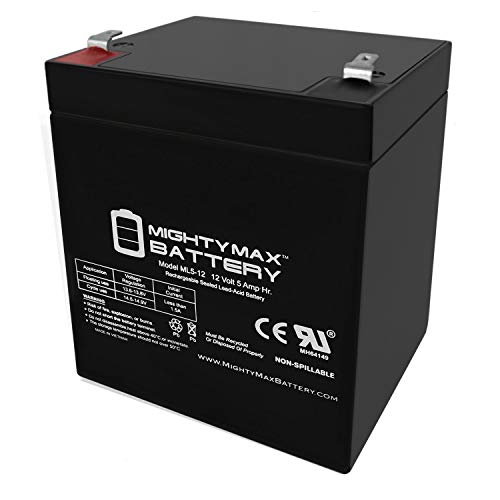
Garage door openers live quiet lives until a storm knocks out the power, and that is where a compact 5Ah unit earns its keep. The Mighty Max Battery ML5-12 12V 5AH sits in the same small footprint as many OEM backup bricks, which makes swap-in installation painless for Chamberlain and Craftsman owners. Sealed lead acid AGM chemistry means you can mount it in any orientation without worrying about acid spills onto the opener housing. For most suburban garages, you get a handful of open-and-close cycles during an outage, which is exactly what you want.
Where the chemistry matters most is recovery after deep discharge. AGM variants handle being drained during multi-day outages better than flooded cells, and they bounce back to useful voltage with a standard trickle charger. Compared with the larger PowerStar reviewed later, this ML5-12 sacrifices raw capacity for size, so plan accordingly if your door opener pulls high current.
Advantages To Know
- Compact 3.58 by 2.76 by 4.21 inch footprint fits common opener battery trays
- AGM sealed construction allows flexible mounting orientation
- F1 terminal type matches OEM wiring harness clips for easy replacement
- 5Ah capacity delivers roughly a day of backup cycles for typical belt-drive openers
Points To Keep In Mind
- Listing ships the battery only, so plan to reuse your existing wire harness
- 5Ah runs thin for heavy-duty Chamberlain models with built-in lights and Wi-Fi
Who It Suits Best
Homeowners with a standard residential belt-drive opener who want a quick, no-tools backup swap before storm season.
Look Elsewhere When
You run a heavy chain-drive opener with constant accessories, in which case the larger PowerStar 12V 18Ah SLA Battery offers much deeper reserve.
Garage tinkerers with a mix of vehicles, solar banks, and deep-cycle reserves usually outgrow tiny 1-2 amp maintainers fast. The ECO-Worthy 12V/24V 20A Smart Charger steps in with selectable current modes that read the attached battery type before applying a tailored charge profile. In a small workshop, that flexibility removes the need for separate chargers on different chemistries, which keeps the bench uncluttered.
The 24V mode splits current between 5A and 10A outputs, while the 12V side steps up through 5A, 10A, 15A, and 20A. Owners with multi-bank battery walls or forklift-style deep cells tend to value the higher current end most. Compared with the simpler ECO-WORTHY 12V 5A Smart Maintainer below, this unit trades portability for raw power.
The Case For It
- Dual voltage (12V and 24V) covers cars, trucks, solar banks, and small equipment
- Selectable current from 5A to 20A matches battery capacity for safer fill rates
- Multi-chemistry support for LiFePO4, AGM, gel, and traditional lead acid
- Smart detection reduces risk of overcharging on smaller batteries
Honest Caveats
- Larger footprint than single-purpose maintainers, so it needs shelf space
- Higher current modes demand decent ventilation during long charges
Key Product Details
Best Suited To
Workshop owners and off-grid hobbyists juggling mixed battery banks who want one charger that adapts across chemistry types.
Skip It When
You only need to maintain a single alarm backup, in which case the lighter Energizer EN7-12 keeps things simpler.
Whole-house standby panels and Briggs and Stratton generators want deeper reserve than the typical 7Ah alarm battery delivers. The PowerStar 12V 18Ah SLA Battery lands in that sweet middle ground with enough capacity to ride through brownouts without dropping critical loads. Its nut-and-bolt terminal style suits the heavy-gauge cabling common in generator enclosures and UPS cabinets. When the lights flicker, the extra amp-hours translate into minutes you actually feel.
AGM construction handles the wide temperature swings of an unheated garage or basement utility closet. Unlike the compact Mighty Max ML5-12 above, this unit weighs noticeably more, so plan for a sturdy shelf or bracket. Pair it with the ECO-Worthy 20A charger for the fastest recovery between discharge cycles.
Useful Strengths
- 18Ah capacity covers multi-hour runtime for small UPS loads and generator electronics
- Nut-and-bolt terminals accept heavy gauge ring lugs common in standby systems
- AGM chemistry tolerates wide temperature swings in utility rooms
- Drop-in fit for Briggs and Stratton standby units referencing B4489GS or 193043GS
Trade-Offs To Consider
- Heavier than compact 5-7Ah units, so mounting needs a secure shelf or strap
- Slower recharge than smaller batteries, especially on low-amperage chargers
The Right Fit
Owners of standby generators or UPS systems that need longer runtimes than a 7Ah alarm cell can provide.
Reach For A Different Pick When
You only need a single alarm-panel swap, where the Mighty Max Battery 12V 7Ah Alarm Replacement fits the wiring harness more cleanly.
The 7Ah sealed lead acid cell is the workhorse of residential backup, and the Energizer EN7-12 12V 7Ah AGM is a textbook example. Its Absorbent Glass Mat design recombines internal gases efficiently, so you skip the water-topping ritual of older flooded batteries. In a closet-mounted alarm panel or mobility scooter, that means less worry about venting and corrosion over the years.
Compared with the Mighty Max 7Ah alarm replacement later in this list, the Energizer leans on a calcium-tin grid for higher power density. That helps in scooter applications where brief surges of current hit the motor on startup. For most homeowners, this is the safe, familiar choice when an OEM battery finally gives up the ghost.
The Practical Payoff
- AGM sealed design eliminates electrolyte maintenance and water top-ups
- Calcium-tin grid construction supports higher surge currents for scooter and ride-on toys
- Resistant to vibration, which helps in mobility scooter battery trays
- Spill-proof valve-regulated casing allows safe mounting in enclosed panels
Small Caveats
- Single-pack only, so larger multi-battery setups cost more per cell
Made For
Everyday households replacing a single alarm backup or mobility scooter cell who want a low-maintenance drop-in unit.
Not Your Match When
You need two matching cells for a multi-battery UPS, where the Energizer EN7-12 2-Pack offers better long-term symmetry.
Multi-zone alarm systems, paired UPS cabinets, and matched mobility battery banks all share one pain point: aging cells that drift out of balance. The Energizer EN7-12 2-Pack solves that by shipping two batteries from the same production run, which keeps capacity and internal resistance closely matched. Swapping both at once extends the life of the system as a whole.
Aside from the convenience of a twin pack, the underlying chemistry mirrors the single Energizer EN7-12 reviewed above. AGM construction, calcium-tin grids, and a valve-regulated casing carry over. If your backup system uses two 7Ah cells in series or parallel, buying the pair simplifies installation day.
Where It Excels
- Matched pair from the same production run keeps backup banks balanced
- Two cells let you swap both at once and reset the system’s aging clock
- Spill-proof AGM casing suits indoor alarm panels and closet-mounted UPS
- Low self-discharge rate helps during long stretches when power stays on
Practical Considerations
- Two-pack costs more upfront than a single replacement, even when only one cell has failed
- Same 7Ah ceiling as the single pack, so runtime per cell is unchanged
Whose Shelf It Belongs On
Homeowners with two-zone alarm systems or paired UPS battery trays who prefer to replace both cells together.
Consider Something Else When
You only run a single-zone alarm panel, in which case the single Mighty Max 12V 7Ah Alarm Replacement is the leaner swap.
Classic cars, motorcycles, and boats often sit for weeks between drives, and that downtime quietly kills lead acid batteries through sulfation. The ECO-WORTHY 12V 5A Smart Maintainer fights that with a desulfation mode that helps recover mildly stratified cells. The built-in LCD display shows voltage and charging stage at a glance, which removes the guessing game from seasonal hookups.
Compatibility spans 12V lead acid and 12V LiFePO4 lithium packs, so swapping batteries in a converted project does not mean buying a second charger. Compared with the larger 20A ECO-Worthy charger reviewed earlier, this unit prioritizes long-term maintenance over raw fill speed. Garage keepers who rotate vehicles in and out of storage get the most from the trickle profile.
Real-World Strengths
- 5A output balances quick top-ups with safe long-term maintenance
- Desulfation mode helps recover batteries that have sat partially discharged
- LCD display shows voltage and charge stage without external meters
- Multi-chemistry support covers both lead acid and LiFePO4 packs
Some Limits To Know
- Single-bank design means charging multiple vehicles in parallel requires extra units
- Not intended as a primary fast charger for deeply discharged large banks
Feature Snapshot
Perfect Match For
Garage keepers with seasonal vehicles who want their batteries topped up and desulfated over long storage stretches.
Another Choice May Suit
Boaters running two battery banks at once should step up to the ECO-Worthy 2 Bank Marine Charger instead.
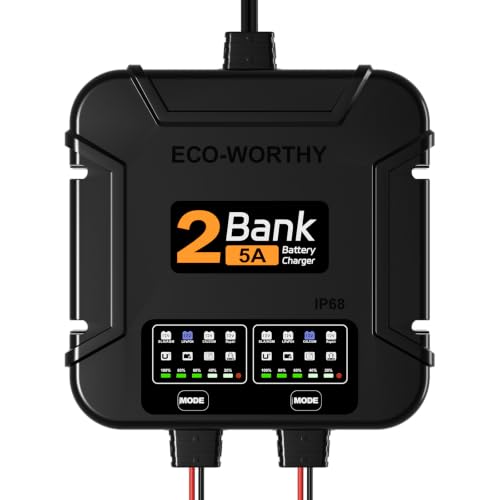
Boats and RVs almost always run more than one battery, with separate banks for the starter and the house loads. The ECO-Worthy 2 Bank Marine Charger 12V 10A handles both at once, splitting output into two isolated 5A channels. Independent charging profiles for SLA, AGM, lithium, and calcium chemistries mean you can run mixed banks without manual switching.
The IP68 waterproof sealing is the headline feature for marine environments where spray and humidity are constants. Where the single-bank ECO-WORTHY 5A maintainer above focuses on storage duty, this unit thrives on active onboard use. Owners with trolling motors and cabin lighting benefit from always-topped banks at the slip.
Strong Points
- Dual-bank output charges starter and house batteries simultaneously
- IP68 sealing protects against bilge moisture and salt spray
- Independent chemistry profiles per bank let you mix battery types
- 10A total output refills moderate house banks overnight at the dock
Room For Improvement
- Higher price point than single-bank chargers, so casual users may not need the second channel
- 5A per bank runs light for very large house banks, which charge slowly
Quick Facts
Who Should Grab It
Boat and RV owners running two battery banks who want a sealed, set-and-forget onboard charging solution.
A Better Fit Elsewhere
Drivers storing a single car in a garage get more value from the simpler ECO-WORTHY 12V 5A Smart Maintainer above.
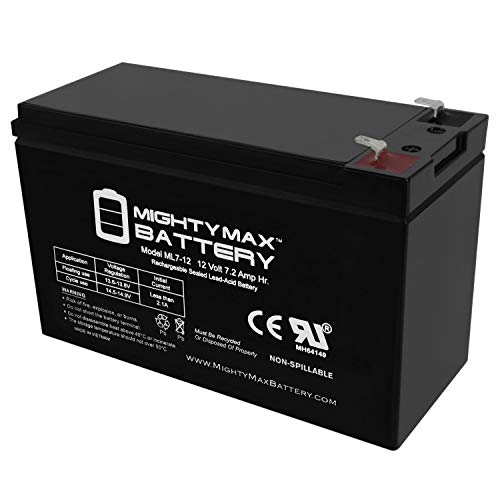
Home alarm panels like ADT systems rely on a small SLA battery that owners rarely think about until the keypad chirps. The Mighty Max Battery 12V 7Ah Alarm Replacement lands at exactly the right size for that role, and the F1 tab terminals fit the spade clips used in most residential panels. At 5.90 by 2.50 by 3.90 inches, it drops into the existing bracket without any drilling or shimming.
Compared with the Energizer EN7-12 reviewed earlier, this Mighty Max unit leans toward value pricing rather than premium construction. For an alarm panel that rarely sees a heavy load, that trade-off usually lands well. The wide operating temperature range keeps the battery stable inside an unheated utility closet, which is a common install spot.
Bright Spots
- 7Ah capacity matches the original spec for most ADT and Honeywell panels
- F1 tab terminals accept common spade clips without adapter cables
- Sealed AGM construction prevents acid leaks inside enclosed cabinets
- Compact dimensions fit standard alarm panel battery trays
Things To Weigh
- Listing ships battery only, so you reuse existing wire harness and brackets
- Self-discharge is higher than some premium AGM cells over multi-year standby
Who Will Love This
Homeowners with an ADT or comparable wired alarm panel who want a direct, no-frills replacement battery on hand.
Where Another Pick Suits Better
You run two-zone systems that need matched cells, where the Energizer EN7-12 2-Pack keeps both banks in step.
Matching Capacity, Chemistry, and Charger To Your Setup
A 12V lead acid battery choice really comes down to three numbers: capacity, terminal style, and physical size. Capacity, measured in amp-hours (Ah), tells you how long the battery can deliver a given current before falling below useful voltage. A 5Ah cell like the Mighty Max ML5-12 runs short garage door openers for a day, while an 18Ah PowerStar can keep generator electronics alive for several hours of brownout conditions. Match the Ah rating to your worst-case outage length, not your best-case day.
Terminal type matters more than most shoppers expect. F1 tab terminals show up on small alarm and garage batteries, while nut-and-bolt terminals handle the heavier gauge wiring in standby generators. Picking the wrong terminal style means adapter cables or, worse, a battery that physically will not connect. Always check what your existing wiring uses before ordering a replacement.
Chemistry variant rounds out the picture. AGM (Absorbent Glass Mat) is the sealed, maintenance-free standard you see across this shortlist, and it tolerates mounting in any orientation. Gel cells handle deep discharge cycles better but need slower charging profiles. Flooded lead acid remains the cheapest option but demands venting and periodic water top-ups, which most households want to avoid.
Charger pairing is where batteries live or die. A smart maintainer like the ECO-WORTHY 5A unit prevents sulfation during long storage, while a higher-current charger like the ECO-Worthy 20A model recovers deeply discharged banks faster. Always confirm the charger’s chemistry list includes your specific battery type before plugging in.
Key Considerations Across These Picks
Where Shoppers Go Wrong
The most common slip is buying a battery with the right voltage but the wrong capacity. A 5Ah cell in a system that needs 12Ah will run flat within hours, and the deep discharge shortens overall life. The opposite error wastes money, since oversized capacity sits idle and adds weight. Check the original equipment manual for the recommended Ah range, then pick within that window.
What The Higher Tier Buys
Premium lead acid batteries add calcium-tin grids, denser active material, and tighter quality control on internal resistance. Those upgrades buy you more charge cycles, lower self-discharge during storage, and steadier voltage under load. For daily-cycled applications like mobility scooters, the extra cost pays back through longer service intervals and fewer surprise failures.
Frequently Asked Questions
How long does a 12V lead acid battery typically last?
Most sealed lead acid batteries last three to five years in standby use, with capacity gradually dropping as the plates age. Frequent deep discharge, high temperatures, and chronic undercharging shorten that lifespan significantly.
Can I use a lead acid charger on a LiFePO4 battery?
No, the charging profiles differ enough to damage lithium cells or trigger their protection circuit. Chargers like the ECO-Worthy units explicitly list LiFePO4 support on the spec sheet, so look for that label before connecting.
What does AGM mean on a 12V battery?
AGM stands for Absorbent Glass Mat, a design where fiberglass mats hold the electrolyte against the lead plates. That construction makes the battery spill-proof, vibration-resistant, and maintenance-free compared with traditional flooded cells.
Why does my battery terminal look different from the picture?
Different applications use F1 tab, F2 tab, or nut-and-bolt terminals depending on the wiring harness. Confirm the terminal type in your equipment’s manual before ordering, since adapters are not always included.
Should I leave a maintainer connected all winter?
Yes, a smart maintainer with float-mode capability is designed for long-term connection. It switches to a low-voltage pulse once the battery reaches full charge, which prevents both overcharging and sulfation during storage.
Closing Remarks
A 12V lead acid battery is rarely the most exciting purchase on your list, but it is one of the most often neglected. Pick a capacity that matches your worst-case day, confirm the terminal style fits your wiring, and pair the cell with a charger that respects its chemistry. With those three boxes checked, the picks above should keep your garage door, alarm panel, marine bank, or backup system running quietly through every season.