A day on the water can drain a marginal battery before lunch, and replacing the bank every couple of seasons turns into an expensive habit. The picks below cover the real-world needs of anglers, weekend cruisers, and RV owners who want a 12 volt deep cycle marine battery they can actually lean on. Whether you run a trolling motor at dawn, charge phones and lights off-grid, or both, there is a fit here that matches your setup, your climate, and the way you actually use your gear.
The Choices Worth Comparing

Redodo 12V 300Ah Deep Cycle LiFePO4 Battery, for RV, Marine
LiTime 12V 230Ah Deep Cycle LiFePO4 Battery for RV, Camper, Travel Trailer
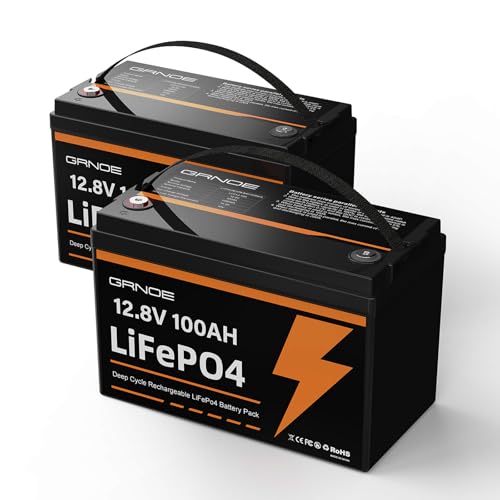
GRNOE 12V 100Ah LiFePO4 Lithium Battery Group 31, 2 Pack

Redodo 2 Pack 12V 100Ah RV LiFePO4 Battery, Group 31, Bluetooth
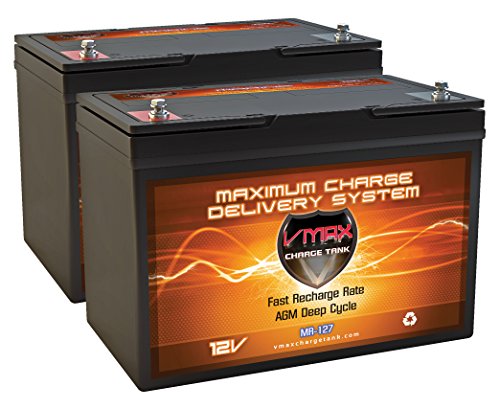
VMAX MR127-100 Group 27 12V 100Ah AGM Deep Cycle Battery, 2-Pack

Redodo 12V 100Ah Marine LiFePO4 Battery, Group 31, for Trolling Motor
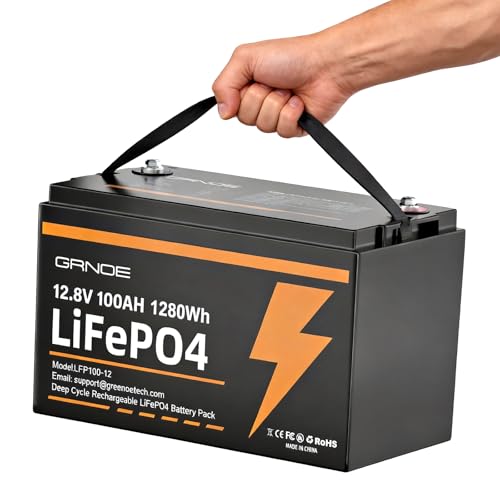
GRNOE 12V 100Ah LiFePO4 Battery Group 31, 15000+ Deep Cycles

HumsiENK 12V 100Ah LiFePO4 Lithium Battery Group 24, Bluetooth
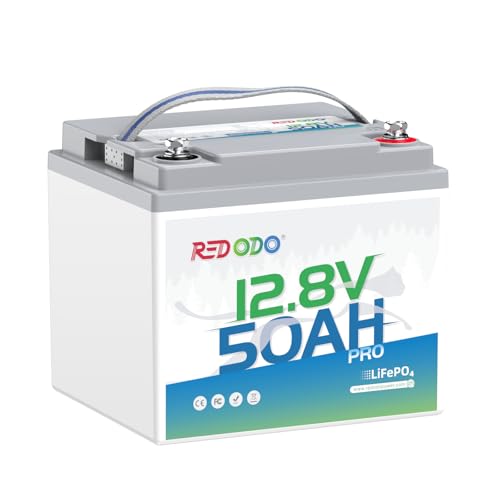
Redodo 12V 50Ah Trolling Motor LiFePO4 Battery, for Marine, RVs

GRNOE 12V 300Ah LiFePO4 Battery, 200A BMS, 3840Wh
A Breakdown Of The Leading Choices
This is the largest single 12V option in the Redodo marine family, and it targets boaters and RVers who have already outgrown a basic 100Ah starter pack. The 300Ah LiFePO4 (lithium iron phosphate, a safer and longer-lasting lithium chemistry) cell count gives a house bank that can comfortably handle a fridge, lights, a coffee maker, and accessories at the same time.
Compared to the smaller Redodo entries further down the list, the trade-off is weight and footprint. You trade portability for capacity, and most buyers mount it in a fixed location inside a console or battery compartment. For anyone running a weekend cabin cruiser or full-timing in an RV, the running cost per cycle tends to work out far better than swapping lead-acid every couple of seasons.
Real Benefits
- 300Ah in a single 12V chassis simplifies wiring and avoids stacking multiple 100Ah units.
- LiFePO4 chemistry supports thousands of deep cycles, so day-to-day cycling on a boat doesn’t eat into lifespan the way AGM (absorbed glass mat, a sealed lead-acid design) would.
- Output headroom handles brief surges from coffee makers, induction cooktops, and other common galley loads.
- A long service life spreads the upfront cost across many more years than a lead-acid replacement cycle.
Practical Considerations
- Physical size is substantial, so measure your battery box before ordering.
- Charging below freezing requires a unit with a low-temperature cutoff or a heated option, which is not included here.
- Lifting the unit into a tight compartment is a two-person task for many owners.
Key Specs
Who Should Grab It
Full-time RVers and serious anglers who run a fridge, lights, and electronics together need this kind of headroom in a single box.
Look Elsewhere When
The Redodo 12V 50Ah Trolling Motor LiFePO4 Battery suits kayak and small-boat anglers who want a pack they can carry one-handed.
LiTime positions this 230Ah pack as a direct Group 4D replacement, and that detail drives the whole decision. Many larger motorhomes and travel trailers were built around a 4D footprint, so dropping in this LiFePO4 unit replaces the heavy lead block without modifying the tray.
Where the Redodo 300Ah above chases raw capacity, this LiTime focuses on weight savings and cold-weather logic. The built-in 200A BMS (battery management system, the onboard circuitry that prevents overcharge, over-discharge, and shorts) and low-temperature charging cutoff make it a sensible fit for full-timers who camp shoulder-season.
Notable Upsides
- Group 4D form factor removes the need for adapter plates or rewiring in older coaches.
- Around 46 lb, roughly a third of an equivalent lead-acid block, eases the install for one person.
- Charging pauses below freezing to protect cells from damage in cold climates.
- A 4,000+ cycle rating delivers years of regular use before meaningful capacity loss.
Things To Weigh Up
- Confirm your existing converter or solar charge controller speaks LiFePO4 before installing.
- The 230Ah capacity sits below the Redodo 300Ah, so very high-draw setups may want extra parallel units.
Quick Technical Notes
Made For
Travel trailer and motorhome owners who want a clean drop-in upgrade from a heavy Group 4D lead-acid bank.
Consider Something Else When
Kayak and small-boat owners get better portability from the Redodo 12V 50Ah Trolling Motor LiFePO4 Battery.
Where most 100Ah LiFePO4 packs stand alone, GRNOE sells this Group 31 pair with expansion in mind. Each unit is rated up to 15000 deep cycles and carries a 100A BMS, so you can start with one battery and grow the bank as your system demands.
The flexibility is the real story. These can be combined into higher-voltage or higher-capacity banks, which makes them useful for owners who treat the build as a long project. Compared to the Redodo 2 Pack reviewed next, the trade-off is no Bluetooth and a slightly heavier chassis.
A Few Highlights
- Expandable architecture supports up to 48V systems and large-capacity banks.
- Group 31 footprint fits standard marine battery boxes.
- 15,000-cycle rating outpaces most lithium packs in this price tier.
- Running two units in parallel doubles runtime without changing voltage.
Trade-Offs To Consider
- Two-battery orders can ship on separate trucks and arrive at different times.
- No Bluetooth, so state-of-charge checks require a shunt or voltmeter.
Right Fit For
DIYers and tinkerers building out a custom solar or trolling motor bank who value flexibility over plug-and-play simplicity.
Where Another Pick Suits Better
RV owners who want real-time battery stats on their phone will prefer the Redodo 2 Pack 12V 100Ah RV LiFePO4 Battery with Bluetooth.
This Redodo pair adds Bluetooth to the standard Group 31 form factor, which sounds minor until you have tried to check lithium state of charge with a cheap voltmeter. The companion app pulls real-time voltage, current, and temperature data, and that single feature saves you from guessing whether the bank is at 30% or 70% on a frosty morning.
At roughly 22 lb per unit, both batteries combined still weigh less than a single group 27 lead-acid. Compared to the GRNOE 2 Pack above, you give up some of the explicit expansion messaging in exchange for the connected experience that most casual owners actually use.
Good Reasons To Consider
- Bluetooth app monitoring removes the guesswork from state-of-charge tracking.
- Low-temperature cutoff adds a layer of safety for shoulder-season camping.
- Two-pack configuration supports parallel installation for doubled capacity at the same voltage.
- Lightweight cells make one-handed install possible in tight compartments.
Where It May Fall Short
- App quality and pairing vary with phone model and firmware version.
- Two-pack shipping may arrive in separate boxes over different days.
Best Suited To
RV owners who want modern battery data on their phone without installing an external shunt monitor.
Swap It Out When
The GRNOE 2 Pack reviewed above is the better fit for buyers who care more about expansion flexibility than Bluetooth.
VMAXTANKS targets a different buyer than the lithium entries above. These are sealed AGM deep cycle batteries that arrive as a two-pack designed to deliver 24V for trolling motors and other high-draw marine loads, and they skip the BMS, Bluetooth, and lithium complexity entirely.
What you give up in cycle life you gain in compatibility. Most marine charging systems, including older alternators and entry-level solar controllers, handle AGM without configuration headaches. Owners running 24V trolling setups who want a familiar, maintenance-free option find this pack easier to integrate than lithium equivalents.
Useful Highlights
- Sealed AGM chemistry eliminates watering and routine electrolyte checks.
- Two-pack configuration delivers 24V output for 24V trolling motors out of the box.
- Heavy-duty lead plates handle the constant draw of electric trolling motors.
- Carrying handles built into the case simplify transport and installation.
Worth Bearing In Mind
- Cycle life is meaningfully shorter than the lithium options above.
- AGM batteries are heavy, so expect two-person handling during install.
- Total weight and footprint reduce usable boat payload.
Feature Rundown
Whose Shelf It Belongs On
Anglers and boaters running 24V trolling motors who want an AGM battery that drops into existing chargers without configuration.
Not Your Match When
Anyone chasing maximum cycle life and minimum weight will find a stronger fit in the Redodo 12V 100Ah Marine LiFePO4 Battery.
This single 100Ah Group 31 unit is the workhorse of the Redodo marine line. It is the option that most weekend anglers reach for first, because it balances capacity, weight, and cost without the premium price tag of the larger 300Ah version reviewed above.
Compared to the Bluetooth-equipped sibling earlier in this list, the trade-off here is the missing connectivity. You trade app monitoring for a lower entry price and the same EV-grade LiFePO4 cells, which is a fair swap for owners who already run a separate battery monitor.
Everyday Advantages
- 100A BMS supports continuous high draw from trolling motors and inverters.
- Group 31 footprint matches standard marine trays and battery boxes.
- 10-year lifespan target makes the per-year cost predictable.
- One-person install is realistic given the light LiFePO4 cell weight.
A Few Limitations
- No Bluetooth, so you will need a shunt or a multimeter for accurate state of charge.
- Not designed for sub-freezing charging without an external warming solution.
Who It Suits Best
Weekend anglers running 12V trolling motors who want a reliable daily-use lithium without paying for app connectivity.
Reach For A Different Pick When
Cold-climate campers get the low-temperature cutoff they need from the HumsiENK 12V 100Ah LiFePO4 Lithium Battery.
The single-pack version of the GRNOE 100Ah line trades the expansion messaging for a clear pitch: long cycle life at a usable footprint. The 15,000-cycle target puts it among the highest-rated packs in this category, and that matters for full-time RVers and off-grid homes that cycle the bank daily.
Where the VMAXTANKS AGM pair above targets the traditional angler, this GRNOE unit targets the modern lithium shopper who charges and discharges the bank every single day. The Group 31 dimensions keep it compatible with standard boxes, and the Grade A+ cell rating suggests a tighter tolerance on internal matching.
Reasons It Performs
- 15,000+ cycle rating supports years of daily deep cycling without meaningful capacity loss.
- Grade A+ LiFePO4 cells deliver more consistent voltage under load than lower-tier packs.
- Group 31 form factor fits common marine and RV battery boxes.
- Around 22 lb keeps install accessible for one person in most compartments.
Honest Caveats
- Requires a LiFePO4-compatible charger rated at the correct voltage range.
- No Bluetooth, so external monitoring is the owner’s responsibility.
Perfect Match For
Full-time RVers and off-grid homeowners who cycle their battery daily and want one fewer replacement to plan for.
Skip It When
Northern anglers who camp below freezing regularly get better cold-weather logic from the HumsiENK 12V 100Ah LiFePO4 Lithium Battery.
HumsiENK leans hard into two things that matter for cold-climate owners: Bluetooth monitoring and a low-temperature cutoff. The Group 24 footprint is also slightly smaller than the Group 31 standard, which matters in older boats and compact RV compartments where every inch of tray space counts.
Compared to the Redodo 100Ah single pack reviewed earlier, you get connectivity and cold-weather logic at the cost of a smaller form factor and a slightly different weight profile. For ice anglers and shoulder-season hunters, the operating-temperature spec (rated down to -4°F) is the headline feature.
Well-Handled Touches
- Bluetooth app tracks voltage, temperature, and performance without a shunt.
- Low-temperature cutoff protects cells during charging in freezing conditions.
- Operating range from -4°F to 158°F handles both ice fishing and hot summer storage.
- Group 24 form factor fits tighter installations than Group 31 packs.
Points To Keep In Mind
- Group 24 dimensions differ from the more common Group 31, so confirm tray size.
- Below 20 lb in some configurations, but the exact weight is on the lighter side for the spec.
Feature Snapshot
Who Will Love This
Northern anglers and winter campers who store or charge the battery in freezing temperatures and want app-based monitoring.
Consider Something Else When
Owners with Group 31 trays will get an easier install from the Redodo 12V 100Ah Marine LiFePO4 Battery.
At roughly 11.6 lb, the 50Ah Redodo is the smallest pack in this roundup and the only one that genuinely feels portable in the hand. It targets kayak anglers, jon-boat owners, and anyone who needs to swap a battery between craft without dragging a 60 lb block across a dock.
The 50Ah capacity is half of the larger 100Ah units above, so the trade-off is straightforward. You trade runtime for portability, and for short days on small craft that equation lands cleanly in this battery’s favor.
Positive Points
- Portable 11.6 lb build allows one-handed carry to remote launches.
- 4,000+ cycle rating delivers years of regular use before noticeable capacity loss.
- Compact dimensions fit kayak hatch storage and small-boat compartments.
- LiFePO4 chemistry offers a 10-year service life target for peace of mind.
Smaller Caveats
- 50Ah capacity limits runtime for full-day trolling motor use on larger craft.
- Smaller pack means fewer headroom amps for high-draw accessories.
Built With In Mind
Kayak and small-boat anglers who want a battery they can actually carry without help and swap between craft.
Where Another Pick Suits Better
Full-day offshore anglers will find better runtime from the Redodo 12V 100Ah Marine LiFePO4 Battery reviewed above.
GRNOE’s 300Ah flagship targets the high-output end of the marine and solar market. The 200A BMS is the differentiator, because it supports the kind of continuous draw that runs inverters, induction cooktops, and other demanding loads without tripping protection.
For most casual boat owners this much capacity is overkill. For someone building a solar bank or a serious off-grid RV system, the 3840Wh of usable energy in a single 12V unit simplifies the wiring diagram dramatically. Compared to the Redodo 300Ah reviewed first, the trade is lower brand familiarity for higher BMS headroom.
Everyday Perks
- 200A continuous discharge handles inverter loads and induction cooking without protection trips.
- 5,000+ cycle rating supports long-term daily use in solar and off-grid systems.
- Around 56 lb, roughly a third of an equivalent lead-acid bank.
- Expandable architecture supports parallel and series configurations for larger builds.
Potential Compromises
- Price tag climbs well above the smaller 100Ah options in this roundup.
- Requires a LiFePO4-compatible charger to reach full capacity.
Spec Overview
Right Fit For
Solar and off-grid builders running inverters and high-draw appliances who want a single 12V chassis that handles the load.
Look Elsewhere When
Weekend anglers who don’t run inverter loads will get better value from the Redodo 12V 100Ah Marine LiFePO4 Battery.
What Matters Most Before Choosing A 12 Volt Deep Cycle Marine Battery
Capacity and chemistry drive most of the decision, but the small print matters just as much. A battery that looks identical on a spec sheet can behave very differently in cold launches, hot engine rooms, and tight battery trays.
Group size sets the physical boundary before anything else. Group 24, 27, and 31 are the common marine footprints, and each one dictates which tray, box, and compartment the battery will fit. Measure the inside of your battery box, then check the dimensions before ordering.
Chemistry decides how often you replace the unit. Lead-acid and AGM (absorbed glass mat, sealed lead-acid) are heavier and shorter-lived, but they work with most older chargers. LiFePO4 (lithium iron phosphate, a safer lithium chemistry) costs more up front and lasts several times longer, but it needs a charger rated for lithium voltage profiles.
Continuous discharge rating matters for trolling motors and inverters. A 100A BMS (battery management system, the onboard circuitry that prevents overcharge and shorts) covers most 12V trolling motors comfortably, while a 200A BMS is required for heavier inverter loads. Under-sizing the BMS is a common cause of mid-day cutoffs on the water.
Key Considerations Across These Picks
Common Shopping Slip Ups
The most common mistake is matching the wrong group size to the tray. A Group 31 battery does not drop into a Group 24 box, and forcing it risks vibration damage on rough water. The second common slip is using a standard SLA (sealed lead-acid) charger on a lithium battery. Lithium needs a charger that reaches the correct voltage range, and a partial charge compounds over time.
When Paying More Pays Off
The jump from AGM to LiFePO4 costs more at checkout, but the per-cycle cost usually lands lower once you factor in lifespan. A LiFePO4 pack rated for thousands of cycles replaces several AGM units over the same window, and the weight savings add up across an entire boat or RV. Paying up also buys extras like Bluetooth monitoring and low-temperature cutoffs that protect the bank in real-world conditions.
Frequently Asked Questions
How long does a 12 volt deep cycle marine battery last on a single charge?
Runtime depends on the amp draw of your accessories and the battery’s capacity rating in amp-hours. A 100Ah LiFePO4 battery running a 50W fridge will generally outlast the same fridge on a 100Ah AGM battery because lithium can be discharged more deeply without damage.
Can I use a regular lead-acid charger with a LiFePO4 marine battery?
Most older lead-acid chargers do not reach the correct voltage profile for LiFePO4 chemistry, so a lithium-compatible charger is recommended. Charging below the correct voltage leaves capacity on the table and reduces the usable runtime per cycle.
What’s the difference between Group 24, 27, and 31 batteries?
The group number refers to the physical dimensions of the battery case. Group 24 is the smallest common marine size, Group 27 sits in the middle, and Group 31 is the largest. Group size does not tell you the capacity, only the footprint it fits into.
Is a deep cycle battery the same as a starting battery?
No. Starting batteries deliver short, high-amp bursts to crank an engine and use thin plates. Deep cycle batteries use thicker plates designed for sustained draw, which is why they handle trolling motors, fridges, and house loads without damage.
Do lithium marine batteries work in freezing temperatures?
Most LiFePO4 batteries can be discharged in cold conditions, but charging below freezing can damage the cells. Batteries with a built-in low-temperature cutoff automatically block charging below a safe threshold, which is the safer choice for northern climates.
Closing Remarks
The right 12 volt deep cycle marine battery depends less on brand loyalty and more on how you actually use your boat or RV. Match group size to the tray, match chemistry to your charger, and match capacity to the loads you run. Once those three line up, the rest of the decision tends to fall into place on its own.