A dead battery at the start of mowing season feels like a small disaster, especially when the deck is finally dry enough to cut and your tractor won’t turn over. The right replacement cell turns that Sunday afternoon around, restoring quiet starts and steady cranking across acres of grass. Picking a new one matters more than most owners expect, because group size, terminal layout, and cold-cranking performance all decide whether the swap is a five-minute job or a frustrating trip back to the garage.
A Snapshot Of The Selections

WEIZE Lawn Garden AGM Battery, 12V 300CCA BCI Group U1 SLA Starting Battery

WEIZE Lawn Garden AGM Battery, 12V 200CCA BCI Group U1 SLA Starting Battery

EnerSys Genesis NP4-12 12V 4AH Sealed Lead Acid Battery
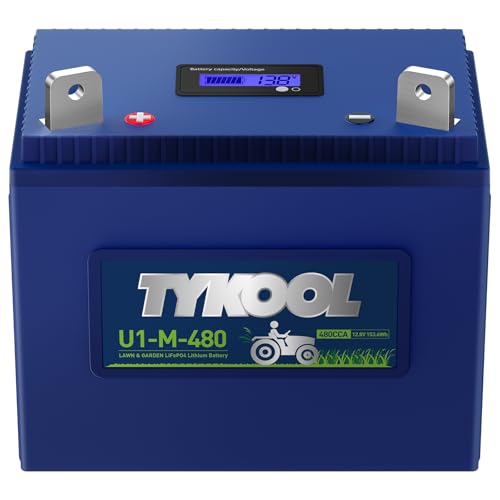
TYKOOL 480CCA Group U1 Lithium LiFePO4 Lawn Mower Battery

WEIZE Lawn Garden AGM Battery, 12V 350CCA BCI Group U1 SLA Starting Battery
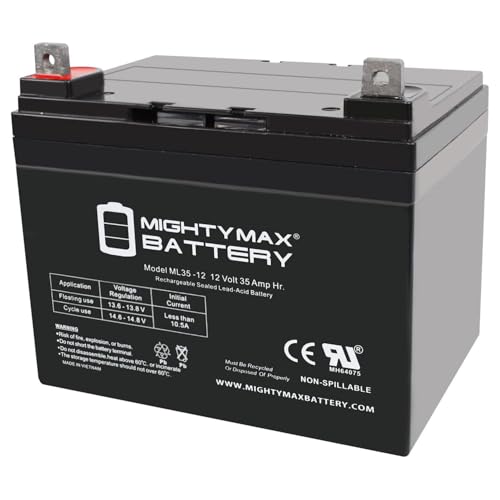
Mighty Max Battery 12V 35Ah Battery Replaces John Deere Lawn Tractor-Riding Mower 108

BRS U1 AGM Battery 12V 300 CCA Group U1 Lawn Tractor and Mower

Replacement AGM Battery for Cub Cadet 725-17335
The Picks, Examined More Closely
For most homeowners cutting one to three acres every week, this WEIZE U1 lands in the sweet spot. Cold Cranking Amps (the burst of energy a battery delivers for a 30-second start at 0°F) sit at 300, which is the right tier for typical single-cylinder and small twin riding mower engines. The Group U1 case matches the tray under most John Deere, Cub Cadet, Craftsman, and Toro riders, so installation usually means dropping it into the existing bracket without modification.
AGM (Absorbent Glass Mat) construction means the electrolyte is held in fiberglass mats rather than free-flowing liquid, which is why the battery ships sealed and can be mounted in slightly tilted positions without leaking. Compare that to a flooded cell, which has to stay upright. If your tractor sees spring rain, occasional wash-downs, or storage in a damp shed, this format tends to hold up better.
Positive Takeaways
- 300 CCA comfortably handles stock engines on most residential riders
- Sealed AGM design means no acid refills and no corrosion on nearby terminals
- Standard U1 footprint fits common tractor battery trays out of the box
- Left-side positive terminal matches the polarity layout used by John Deere, Cub Cadet, and Toro
- Nut-and-bolt terminals accept the heavy-gauge cables already on your mower
Things To Consider
- At 300 CCA, it lands in the middle of the group, so very cold mornings or larger V-twin engines may need the 350CCA sibling instead
- Lead-acid chemistry means winter storage in an unheated shed can shorten service life if not periodically topped off with a maintainer
Who It Suits Best
Residential owners running a typical 42- to 54-inch deck rider through three seasons a year in moderate climates will find this the most balanced match on the list.
A Better Fit Elsewhere
Step up to the WEIZE 350CCA unit if your tractor sits outside through harsh winters or you regularly start in single-digit temperatures.
The 200CCA sibling shares the same U1 footprint as the 300CCA unit reviewed above, but trades cranking headroom for a lower entry price. If your mower lives in a garage that never drops below freezing and your engine is a smaller single or basic twin, 200 CCA is generally enough to fire the starter every time. The tradeoff shows up the moment temperatures dip into the low 20s, where the thicker oil and slower chemical reaction ask more from the cell.
Same sealed AGM construction, same left-positive terminal orientation, same square-hole nut-and-bolt posts. You may find the weight difference meaningful when you hoist it into the tray, since the lower-CCA version sometimes ships slightly heavier in a given production run due to plate composition.
Noteworthy Benefits
- Lower CCA tier keeps the upfront cost accessible
- Sealed, spill-proof AGM format needs no watering over its lifespan
- Direct drop-in for U1 trays on popular rider brands
Worth Noting
- 200 CCA is the floor of the group, so cold-climate users may see sluggish starts below 30°F
- Heavier casing in some production runs means slightly more lift during installation
Made For
Shoppers replacing a tired battery on a basic rider stored in a temperate garage, where high cold-cranking output isn’t strictly required.
Consider Something Else When
The WEIZE 300CCA unit is a smarter call for the same brand fit if you routinely mow early in the season when overnight frost is still possible.
The Genesis NP4-12 lives in a completely different category than the U1 cells above. At 3.54 by 2.76 by 4.21 inches and only 3.75 pounds, this is a small sealed lead-acid pack designed for standby duty in UPS backups, alarm panels, emergency lighting, kids’ ride-on toys, and small powered accessories. Amp hours (a measure of how much current the battery can deliver over an hour) sit at 4Ah, and the 0.187-inch fast-on connector is the giveaway that this cell isn’t built to crank a riding mower engine.
It earns a place here because mowers occasionally use small SLA cells for auxiliary circuits, and some compact electric equipment shares the same format. Most shoppers won’t pick this for a primary riding mower starter, but for a tight enclosure or a sealed accessory, it is a known industrial-grade part.
Where It Helps
- Compact 3.75-pound package fits where U1 cells simply will not
- Sealed lead-acid chemistry mounts in any orientation without leaks
- Fast-on tab terminals solder or crimp cleanly for low-current wiring
Trade Offs
- Only 4Ah means this cannot replace a riding mower starter battery under any circumstance
- Fast-on connectors are not compatible with the heavy-gauge bolt terminals used on tractor cables
Best Suited To
Tinkerers replacing a small sealed cell in a generator control board, alarm panel, or compact electric accessory rather than a primary mower starter.
Skip It When
Reach for the TYKOOL 480CCA LiFePO4 unit when your goal is actually starting a riding mower engine, since the chemistry and capacity here are built for very different loads.
TYKOOL’s lithium iron phosphate cell steps outside the lead-acid playbook entirely. LiFePO4 (lithium iron phosphate) chemistry stores energy more densely than AGM, holds voltage flatter during cranking, and weighs noticeably less than a comparably rated U1 lead-acid unit. At 480 CCA and a 12Ah capacity, this battery punches above its weight, and the manufacturer cites 3000-plus cycles, which is many times what a typical AGM delivers before noticeable capacity loss.
For owners tired of hauling 20-pound bricks in and out of a tractor tray every few seasons, the weight savings alone justify a closer look. Cold-weather performance is still a chemistry consideration, though, since lithium cells deliver less of their rated capacity at very low temperatures without an internal heater.
Features That Help
- 480 CCA is the highest cranking figure in this roundup
- LiFePO4 chemistry rated for 3000+ cycles, far beyond typical AGM lifespan
- Flat voltage curve keeps the starter turning at full speed until the engine fires
- Lighter than any AGM alternative, easier on the tractor tray and your back
Points To Note
- Higher entry cost than lead-acid units in this group
- Sub-freezing starts draw less of the rated capacity unless the battery includes a self-warming function
- Requires a charger compatible with lithium profiles if you plan to maintain it over winter
Who Should Grab It
Owners running mid-sized riders in cold climates who want the longest service life and are willing to pay more up front for thousands of cycles instead of hundreds.
Look Elsewhere When
The WEIZE 350CCA unit is a friendlier fit for shoppers who’d rather replace a less expensive AGM every few years without learning a new charging routine.
Step the CCA up to 350 and the same WEIZE U1 case becomes a stronger match for bigger V-twin engines and tractors that sit outdoors through real winter. Where the 300CCA version is comfortable for most climates, the 350CCA unit gives meaningful headroom when oil thickens and batteries fight harder to push current through on a January morning. The dimensions and terminal layout are identical to the lower-rated WEIZE cells, so the swap is purely a power upgrade.
Owners of larger garden tractors, attachments like snow blowers that drag the engine down at startup, and properties at higher elevations where thinner air demands more from the starter will appreciate the extra punch.
What Earns Its Place
- 350 CCA is the highest output among the AGM U1 options here
- Same sealed, spill-proof convenience as the rest of the WEIZE U1 line
- Confident cold-weather starts on V-twin engines and accessory-loaded tractors
- Nut-and-bolt terminals accept heavy OEM cable ends without adapters
Honest Caveats
- Marginal overkill for small single-cylinder riders in mild climates
- Lead-acid weight around 21 pounds means a firmer lift during install
The Right Fit
Owners of larger-displacement tractors and anyone mowing through early-spring frosts in northern zones benefit most from this headroom.
Another Choice May Suit
The TYKOOL LiFePO4 cell is the upgrade path for shoppers willing to leave AGM behind entirely for longer cycle life and lighter weight.
Where most U1 mower batteries hover around 25 to 30 amp hours, the Mighty Max ML35-12 stretches to 35Ah in the same general footprint. That extra reserve capacity means the battery can sit for longer between uses without dropping below a healthy charge, which matters for weekend warriors whose tractors spend most of the week parked. The case measures roughly 7.76 by 5.12 by 7.01 inches, slightly taller than the standard U1, so confirm your battery tray clears the additional height before ordering.
AGM construction keeps the cell sealed and tolerant of vibration from rough mowing paths. The listing ships the battery and screws only, with no wire harness, so reuse the existing cables from your old battery.
Bright Spots
- 35Ah capacity gives noticeably longer reserve than typical U1 cells
- Sealed AGM resists vibration on uneven terrain
- Wide operating temperature range handles summer heat and shoulder-season cold
Small Caveats
- Slightly taller than a standard U1, so check tray clearance under the seat
- Listing includes only the battery and mounting screws, no harness or adapters
Who Will Love This
John Deere 108-series owners and shoppers who want extra reserve capacity for infrequent mowing schedules or accessory loads like lighting kits.
Reach For A Different Pick When
The standard WEIZE U1 cells fit a wider range of trays if your battery compartment is tight, since they share the more common U1 height.
The BRS U1 lands in the same 300 CCA, Group U1 lane as the WEIZE 300, but layers on a few owner-friendly touches. It ships fully charged, which removes the awkward unbox-and-top-up step that catches first-time installers off guard. The manufacturer also calls out 375 Cranking Amps (a slightly less stringent measurement taken at 32°F instead of 0°F) alongside the 300 CCA figure, giving a useful second number for milder climates. Vibration-resistant plate construction suits UTVs, ATVs, and generators as well as riding mowers.
For homesteaders running a fleet of small-engine equipment, a single BRS cell can back up a mower, a generator, and a UTV through different seasons without much fuss.
Everyday Advantages
- Arrives fully charged and ready to install
- Maintenance-free sealed AGM format, no water top-ups
- Vibration-resistant build for off-road UTV and ATV use
- Cold-weather starting design rated for freezing temperatures
Room For Improvement
- 300 CCA is solid but not the highest tier in this roundup
- Lead-acid weight still lands in the 18-21 pound range depending on production batch
Perfect Match For
Multi-equipment owners with a mower, a generator, and a UTV or ATV who want one battery type that crosses platforms.
Where A Sibling Pick Shines
The BRS U1 isn’t ideal for very high-demand cold climates, where the WEIZE 350CCA unit offers more cranking headroom in the same U1 envelope.
Renegade’s replacement targets a specific OEM part number, the Cub Cadet 725-17335 / 725P17335, with a 12V, 12Ah sealed AGM cell built to match the original footprint. At roughly 5.875 by 3.375 by 4.25 inches, it is a noticeably smaller pack than the U1 batteries in the rest of this list, which means it drops into Cub Cadet riders engineered around that compact case rather than the larger U1 tray.
CCA lands at 300, with an impact-resistant case and cover for the kind of vibration a Cub Cadet rider puts through a battery over a long mowing day. If your tractor’s original battery carried the 725-17335 part number, this is the direct swap, no shimming or cable swaps required.
The Good Stuff
- Direct-fit replacement for Cub Cadet OEM 725-17335 / 725P17335
- 300 CCA for reliable cold-weather starting
- Impact-resistant case and cover absorb deck vibration
- Factory-sealed maintenance-free AGM chemistry
Soft Spots
- Compact dimensions mean it does not retrofit into U1 trays on other rider brands
- 12Ah capacity is modest compared with larger U1 cells, so accessory loads are more limited
Built With In Mind
Cub Cadet owners whose stock battery carried part number 725-17335 and want a true OEM-form replacement rather than a generic U1 with shims.
Swap It Out When
The WEIZE 300CCA U1 is the right call if your mower actually fits a U1 tray, since you’ll get a higher-capacity cell at a comparable price point.
What Matters Most Before Choosing Batteries For Riding Mowers
Group size and CCA are the two numbers that decide fit. Group size (the standardized battery case dimension used across the industry) determines whether the cell drops into your existing tray, while cold cranking amps determine whether the engine turns over on a cold morning. For most riders with stock single-cylinder or small twin engines, 200 to 300 CCA covers the job, but V-twin tractors and colder climates often want 300 to 350 or more.
Terminal polarity is the detail that costs the most time when it’s wrong. A battery with the positive post on the opposite side from your tractor’s cable reach leaves you staring at a stretched or reversed harness. Match the orientation before you order, especially on John Deere, Cub Cadet, and Craftsman models where the cable length is rarely generous.
Maintenance expectations follow chemistry. Flooded lead-acid needs periodic water top-ups and venting, while AGM and LiFePO4 are sealed and never need refilling. If your tractor sits outside through winter, AGM tolerates neglect better than flooded, and a lithium cell with a built-in heater holds capacity at the lowest temperatures. AGM stands for Absorbent Glass Mat, a design where fiberglass separators hold the electrolyte, which keeps the battery sealed and vibration-tolerant.
Climate and storage environment tie back to chemistry too. Lead-acid self-discharges faster in storage and wants a maintainer if the tractor sits for weeks between mows. Lithium holds charge much longer on a shelf but costs more up front, so the trade-off is cash versus convenience over a multi-year ownership window.
Key Considerations Across These Picks
Mistakes Worth Dodging
Choosing by brand alone leads to mismatches more often than not. The right battery for your tractor depends on group size, terminal layout, and cranking amps, not on which logo is on the side. Measure the old battery before you order, including terminal position, and compare against the listing’s dimensions. Buying on price alone is the other classic trap: a cheap 200CCA cell in a cold climate looks like a bargain until the first hard frost and the engine refuses to turn over.
Where The Extra Money Goes
Higher-tier batteries earn their premium in three places. First, more lead or denser lithium chemistry means higher CCA, which translates directly to easier cold starts and longer cranking without draining the cell. Second, plate and separator quality improves cycle life, so the battery survives more discharge-recharge cycles before losing capacity. Third, build quality shows up in vibration resistance, sealed terminals, and impact-resistant cases that hold up when the deck hits a root or a hidden rock. For shoppers who mow weekly across multiple seasons, the upgrade often pays for itself through longer service life.
Frequently Asked Questions
How long do riding mower batteries usually last?
A typical AGM battery lasts three to five years with regular use, while lithium cells can stretch past eight years if stored sensibly. Storage conditions and usage frequency matter as much as the brand.
Can I use a higher CCA battery than my old one?
Yes, more cold cranking amps will not harm the starter or charging system. The system only draws what the engine needs at startup, so a higher-rated cell just gives you more headroom on cold mornings.
Do I need to add water to an AGM battery?
No. AGM batteries are sealed, with the electrolyte held in fiberglass mats. There are no caps to remove and no water to top up, which is the main reason they have largely replaced flooded cells in mower applications.
Is a lithium battery worth the extra cost for a riding mower?
For frequent users who want the longest service life and lightest weight, lithium chemistry often justifies the higher entry price. For occasional weekend mowing in mild climates, a quality AGM gives plenty of value at lower cost.
What size battery does my riding mower take?
Most riders use BCI Group U1, but compact Cub Cadet models sometimes use the smaller 725-17335 case. Measure the existing battery or check the owner’s manual for the group number before ordering a replacement.
Closing Remarks
The right riding mower battery depends more on your climate, storage setup, and engine size than on which cell costs the most. Match group size and terminal layout first, then pick a CCA tier that suits your winters. A well-chosen cell turns key-on into reliable starts, season after season, without any fuss.