10 Best Agm Valve Regulated Battery for 2026: Real-World Picks Worth Your Money
Finding a replacement AGM valve regulated battery usually starts the same way: a tired device that won’t hold a charge, a frantic look at the label, and a guess about what those cryptic model numbers actually mean. The truth is that the right battery depends almost entirely on where it’s going. A kid’s scooter, a security panel, and a motorcycle all live in completely different worlds even though the technology underneath looks similar.
This list rounds up ten solid AGM and SLA options across common use cases, from mobility gear and emergency lighting to powersports and small electronics. There’s also a tester for anyone who wants to check what they’ve got before spending money on a replacement.
The Lineup, Simplified

AJC 12V 4.5Ah Sealed Lead Acid Battery

SigmasTek DJW12-4.5 12 Volt 5Ah SLA Battery

Power-Sonic PS-6100 6V 12Ah SLA AGM Battery

Power Sonic PS-1270 12V 7Ah SLA Battery

Miady 6V 5Ah Rechargeable SLA Battery

VICI 12V 5Ah AGM Battery for Razor MX125
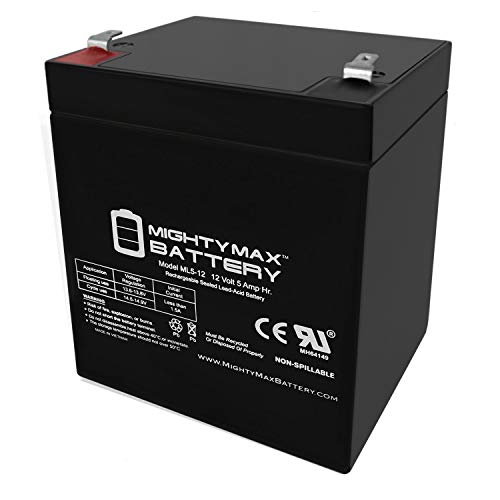
Mighty Max 12V 5Ah Scooter Battery

Yuasa YTX7L-BS Maintenance Free AGM Battery

TOPDON BC100 12V Battery Tester

Mighty Max ML2.3-12 12V 2.3Ah SLA Battery
Why These Options Stand Out
The AJC 12V 4.5Ah sits in the sweet spot for anyone replacing a tired battery inside a compact mobility scooter, lift chair, or similar small powered device. AGM stands for Absorbent Glass Mat, a design where the electrolyte is held in fiberglass separators rather than floating freely, which makes the unit sealed and spill-resistant. You can mount it in a tight compartment without worrying about orientation or venting.
For most everyday mobility setups, the 4.5Ah capacity is enough to handle short outings and routine indoor use. You may find the runtime limiting on very long days away from a charger, but for a typical grocery run or a few hours at a family gathering, this size generally keeps pace. It’s a focused pick for people whose device’s original battery was in this exact class.
A Strong Showing
- Compact footprint fits common mobility battery bays
- Sealed AGM construction resists spills in any orientation
- 12V output matches most scooter and chair electronics
- Drop-in replacement for many common 12V 4Ah models
Things To Consider
- 4.5Ah capacity is modest for heavy daily use
- Charging habits matter, as deep discharges shorten lifespan over time
- Not the right match for larger mobility bases that demand 12V 7Ah or higher
Who It Suits Best
Anyone with a compact mobility scooter or lift chair whose existing battery is rated 12V 4Ah to 4.5Ah.
Look Elsewhere When
Power Sonic PS-1270 is a stronger match if you need 12V 7Ah capacity for emergency lighting or a larger security panel.
The SigmasTek DJW12-4.5 is a 12V 5Ah valve regulated replacement that edges the AJC slightly in capacity while keeping the same sealed, low-maintenance profile. VRLA, or Valve Regulated Lead Acid, means the battery is sealed with a pressure-relief valve, so you never top up water. Compared to the AJC above, you get a bit more headroom for devices that pull a touch more current or run for longer stretches.
It’s a sensible swap for a wide range of small electronics, from UPS backup bricks to lighting controllers and medical-adjacent devices. The F1 tab terminals are common in this class, but you should always cross-check the polarity and spacing on your existing unit before ordering.
Standout Benefits
- 5Ah capacity gives a small runtime bump over 4.5Ah siblings
- Maintenance-free VRLA design with no topping up
- Spill-proof construction suits enclosed equipment bays
Worth Noting
- Higher self-discharge than lithium alternatives during long storage
- Not optimized for high-cranking applications like motorcycle starting
Made For
Anyone replacing a 12V 5Ah battery in a UPS, access control panel, or small standby device.
Consider Something Else When
The Yuasa YTX7L-BS fits better if you need a motorcycle-specific battery with cold cranking amps.
The Power-Sonic PS-6100 breaks from the 12V crowd and goes 6V, which makes it the go-to choice for older UPS systems, certain ride-on toys, and specialty medical carts that expect two 6V cells in series. With 12Ah at the 20-hour rate, it carries noticeably more energy than the smaller picks above, and the ABS case gives it real-world durability for installations in rough environments.
Gas recombination technology inside means the unit recycles internal gases during charging rather than venting them, which keeps the surrounding area cleaner and reduces routine maintenance. It is a long-running workhorse rather than a quick-swap consumable.
Key Advantages
- 12Ah capacity supports deeper standby use
- Impact-resistant ABS housing handles vibration well
- Gas recombination reduces venting during normal cycling
- Excellent energy density for its 6V class
Trade Offs
- 6V output requires pairing for 12V systems
- Heavier and larger than compact 12V 4-5Ah options
Feature Snapshot
Best Suited To
Users maintaining 6V UPS systems, mobility caddies, or industrial equipment that expects a robust SLA cell.
Reach For A Different Pick When
The Mighty Max ML2.3-12 is a smarter call for very small electronics where the 6V form factor would be overkill.
The Power Sonic PS-1270 is the most flexible battery on this list, designed to slot into general-purpose standby roles from fire alarm panels to emergency lighting, with crossover use in medical carts and UPS units. At 12V 7Ah, it offers a noticeable bump in usable energy over the 4-5Ah options higher up. AGM construction keeps it sealed, while the F1 terminals make it compatible with most standard connectors in this class.
For homeowners with a security system that requires periodic backup power, this size typically covers multi-hour outages during typical alarm events. The honest read is that it does not excel at heavy cranking, but for float-and-standby work it earns its reputation.
The Good Stuff
- 7Ah capacity covers longer standby windows than 4-5Ah units
- Trusted standby performance in security and medical fields
- Sealed, maintenance-free operation in any mounting position
- F1 terminals fit a wide range of standard harnesses
- AGM chemistry recovers well from occasional deep discharge
Points To Keep In Mind
- Heavier and bulkier than compact 12V 5Ah models
- Will not deliver high cranking current for engine starting
Perfect Match For
Property managers, homeowners, and small business owners who need a dependable 12V 7Ah standby battery for fire, security, or UPS applications.
Swap It Out When
The SigmasTek DJW12-4.5 is a better fit if your device only requires 12V 5Ah and you want a smaller, lighter swap.
The Miady 6V 5Ah is purpose-built for children’s ride-on toys, particularly the popular 6V single-battery models that power small electric quads and scooters. Its compact dimensions, roughly 2.68 by 1.77 by 3.86 inches, let it slip into the cramped battery compartments of toddler-sized vehicles. ABS plastic housing and AGM internals mean it tolerates the inevitable bumps and short charges those toys endure.
It is also a sensible replacement for any small 6V alarm panel or hobby electronics that match the same form factor. For first-timers replacing a kid’s toy battery, the wide temperature tolerance helps if the toy lives in a garage or shaded porch.
Features That Help
- Compact size matches popular 6V ride-on toy bays
- Stable performance across a wide temperature range
- AGM spill-proof design tolerates casual mounting
Room For Improvement
- Lower capacity than the 6V 12Ah Power-Sonic option
- Best suited to occasional use rather than deep daily cycling
Right Fit For
Parents and gift-givers replacing a tired battery in a child’s 6V ride-on toy or small electric vehicle.
A Better Fit Elsewhere
The Power-Sonic PS-6100 is a smarter pick for higher-drain 6V systems that need 12Ah of headroom.
The VICI 12V 5Ah ships with a wiring harness, which is the single biggest reason it makes this list. Anyone replacing a battery in a Razor MX125 Dirt Rocket, or similar ride-on platform that uses 12V 5Ah or 4.5Ah SLA cells, can swap directly without hunting down the right connector. It also works as a generic 12V SLA replacement for any device that matches the same voltage, capacity, terminal type, and physical dimensions.
For parents tired of soldering or improvising adapters, the included harness saves real time. The honest read is that this is fundamentally a competent 12V 5Ah AGM cell with a convenience upgrade bolted on, so you should still compare dimensions against your device before ordering.
What It Does Well
- Bundled wiring harness speeds up installation
- Compatible with Razor MX125 and similar 12V platforms
- AGM sealed design tolerates casual mounting positions
- Plays nicely with common 12V 4.5Ah replacements
Less Ideal Details
- Verify harness connector shape before relying on a direct fit
- Capacity is moderate, so heavy daily riders may want more Ah
Key Specs
Who Should Grab It
Razor MX125 owners and similar ride-on parents who want a clean, direct-fit battery swap without splicing extra harnesses.
Skip It When
The Mighty Max 12V 5Ah Scooter Battery is the call if you do not need the bundled harness and want a slightly different brand track record.
The Mighty Max ML5-12 covers the same 12V 5Ah territory as the SigmasTek and VICI picks, with a long-running reputation in scooter and small-mobility replacements. It is marketed explicitly as a drop-in replacement for the older 4.5Ah end-number 6FM4.5 footprint, which makes it a common choice for older wheelchairs, floor cleaners, and similar compact ride-on gear.
UL certification adds a layer of quality assurance for buyers who care about manufacturing standards. It is a steady, middle-of-the-road choice that gets the basics right without fancy extras, which is often exactly what you want in a consumable replacement.
Real-World Strengths
- Drop-in match for older 4.5Ah scooter battery bays
- UL-certified build provides manufacturing transparency
- SLA sealed construction is maintenance-free
Soft Spots
- No harness included, so you may need to reuse or source connectors
- Capacity sits between smaller 4Ah and larger 7Ah units, leaving some shoppers wanting more
Built With In Mind
Anyone with an older scooter or compact mobility device that originally used a 12V 4.5Ah end-style battery.
Where A Sibling Pick Shines
The VICI 12V 5Ah battery is a smarter call if a wiring harness matters more to you than a familiar brand name.
The Yuasa YTX7L-BS is the only battery on this list designed specifically for motorcycle and ATV cranking duty. Lead-calcium plate technology holds specific gravity longer than conventional lead-antimony designs, which helps the battery survive sitting between rides without sulfating prematurely. With 100 CCA at 0 degrees Fahrenheit, it delivers real cold-starting punch in a compact frame.
Unlike the SLA replacements above, this Yuasa ships dry with an acid pack that you fill at activation. Periodic charging is required when not in use, so a tender is worth budgeting for if your bike sits for weeks at a time.
What Pays Off
- 100 CCA supports reliable cold weather starting
- Maintenance-free once activated, no water top-ups
- Valve regulated design eliminates electrolyte loss
- Lead-calcium plates hold charge longer in storage
- AGM separators absorb electrolyte for a nonspillable build
Honest Caveats
- Acid pack filling required at activation, unlike factory-sealed SLA units
- Needs periodic charging during long storage periods
- Not designed for deep-cycle standby use
Technical Sheet
Whose Shelf It Belongs On
Motorcycle, scooter, and small ATV owners who want a reliable, low-maintenance AGM battery for active riding seasons.
Where Another Pick Suits Better
The Power-Sonic PS-1270 is the smarter choice if you are running a 12V 7Ah standby system rather than a starting battery.
The TOPDON BC100 is not a battery but a tester, and it earns its place here because guessing wrong is the most expensive mistake in this category. It covers a wide 100 to 2000 CCA range across regular flooded, AGM flat plate, AGM spiral, gel, and EFB battery types, which means it can sanity-check everything from a kid’s scooter pack to a full-size car battery before you commit to a purchase or replacement.
For shops and DIYers, it pays for itself the first time it tells you a battery is fine and saves you from buying a replacement you do not need. The trade-off is that it only handles 12V batteries, so 6V systems like the Power-Sonic PS-6100 are out of its lane.
Practical Advantages
- Wide CCA range supports everything from toys to cars
- Works across multiple battery chemistries
- Handy diagnostic tool before buying or replacing
Possible Compromises
- 12V only, so 6V batteries fall outside its scope
- Useful mainly for diagnosis, not as a daily-use product
Who Will Love This
DIYers, small shop owners, and anyone managing a fleet of mixed batteries who wants to test before replacing.
Not Your Match When
The Power-Sonic PS-6100 is a stronger pick if you simply need a battery to install rather than a diagnostic tool.
The Mighty Max ML2.3-12 fills the niche that the bigger picks cannot: tiny electronics that need only a 12V 2.3Ah cell in a small box. At roughly 7 by 1.38 by 2.5 inches, it tucks into alarm sensors, emergency lighting packs, and similar low-drain devices where a 4Ah or 5Ah battery simply will not fit. UL certification adds confidence in a category where cheap cells sometimes overstate their ratings.
The honest read is that the listing ships the cell alone, no harness or mounting hardware, so plan on reusing your existing connectors. It is also a specialized choice, so the wider audience will be better served by one of the larger Ah options higher in this list.
The Case For It
- Very small footprint suits tight electronics bays
- UL-certified build for manufacturing transparency
- Wide operating temperature range for indoor or sheltered use
- AGM spill-proof design in any orientation
Small Caveats
- No harness or accessories included in the box
- 2.3Ah is too small for any device expecting 4Ah or higher
Perfect Match For
Anyone replacing a small 12V 2.3Ah cell inside an alarm sensor, exit light, or compact control board.
A Better Fit Elsewhere
The AJC 12V 4.5Ah is the right call if you need more capacity and your device can accept a slightly larger footprint.
Picking The Right AGM Valve Regulated Battery For The Job
Match Voltage And Capacity To The Original Battery
The single most important step is reading the label on the battery you are replacing. Voltage (6V or 12V) must match exactly, while capacity (Ah) can usually go higher within the same physical footprint. A 12V 7Ah replacement in a slot that originally held a 12V 5Ah typically works fine, but going lower can starve the device and shorten battery life.
Understand AGM And VRLA Construction
AGM, or Absorbent Glass Mat, holds the electrolyte in fiberglass separators, while VRLA, or Valve Regulated Lead Acid, uses a sealed case with a pressure relief valve. Together they produce maintenance-free, spill-resistant batteries that mount in any position. For most home, mobility, and small-engine use cases, that combination is the right default.
Match The Terminal And Footprint
Terminal type (F1, F2, screw, or motorcycle post) must match your existing wiring harness or you are in for an adapter hunt. Physical dimensions matter too, especially in kid’s ride-on toys and tightly packed security panels where a millimeter of extra height can prevent the cover from closing.
Decide Between Cranking And Standby Use
Motorcycles and ATVs need a battery with adequate CCA, or cold cranking amps, to start reliably. Standby devices like alarms and emergency lighting care more about capacity and float-life. The Yuasa on this list targets cranking, while Power Sonic and SigmasTek focus on standby. Pick the chemistry and rating that match the job.
Quick Reality Checks Before You Click Buy
Common Shopping Slip Ups
The most frequent mistake is buying based on price alone rather than matching specs to the device. A cheaper 12V 5Ah will disappoint in a slot that was designed for 12V 7Ah, and a higher-capacity battery with the wrong terminal layout will leave you soldering at midnight. Always cross-check voltage, capacity, terminal type, and dimensions against your existing unit before ordering.
Where The Extra Money Goes
Premium AGM batteries typically earn their higher cost through better plate chemistry, stronger case materials, and tighter quality control during manufacturing. You see the payoff in longer service life under deep discharge, more reliable cold-start performance in powersports, and fewer dead-on-arrival surprises. For occasional-use scenarios like a backup alarm, the cost difference rarely matters. For daily riders and critical standby systems, spending up usually pays off.