An AGM battery quietly does the hard work in more places than most people realize. From the engine bay of a daily driver to the floor of an off-grid cabin, sealed lead-acid chemistry has earned its reputation for steady output, low maintenance, and dependable cold starts. You probably don’t think about yours until a sluggish crank hints it’s time to replace it.
This shortlist mixes true AGM automotive batteries with a few sealed lead-acid options that share the same spill-proof construction, plus a couple of lithium deep-cycle picks for shoppers stepping up to LiFePO4. Each entry below is matched to a real use case, so you can skip straight to the section that fits how and where you’ll actually use it.
How The Shortlist Stacks Up

Power Queen 12V 100Ah LiFePO4 Lithium Battery with Self-Heating

Miady 6V 5Ah Rechargeable Sealed Lead Acid Battery

Enjoybot 36V 100Ah LiFePO4 Lithium Battery with Bluetooth

Mighty Max MM-G24 12V 70Ah AGM Car Battery

Mighty Max MM-G26 12V 45Ah SLA AGM Battery

ACDelco Gold 51RAGM BCI Group 51R Car Battery
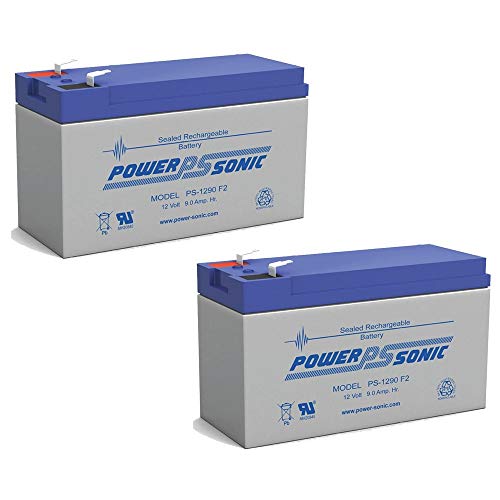
Power Sonic PS-1290 12V 9Ah SLA Battery (Pack of 2)
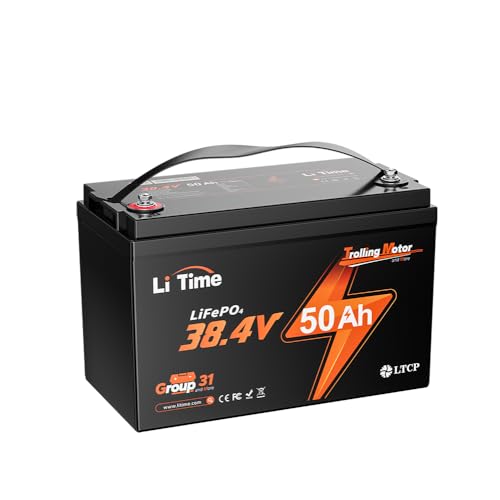
LiTime 36V 50Ah TM LiFePO4 Battery Group 31
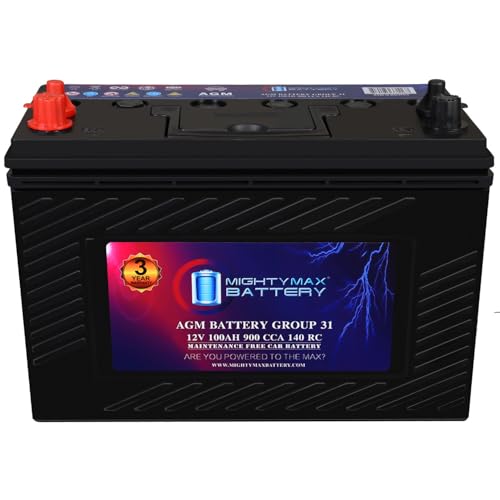
Mighty Max MM-G31 12V 100Ah AGM Car Battery

Powersonic PS-640F1 6V 4.5Ah SLA Battery
A Breakdown Of The Leading Choices
Power Queen’s 12V 100Ah LiFePO4 leans into cold-weather usability more than any other pick here. Two 100W heating pads warm the cells from 14°F to 41°F in roughly half an hour, which is a real edge for van dwellers and cabin owners who store gear in unheated spaces. Once the temperature is safely above freezing, charging resumes automatically.
Compared to the sealed lead-acid entries further down the list, this is a different beast: lithium iron phosphate chemistry, far lighter weight, and a much longer cycle life. You trade a heavier upfront cost for an energy-dense pack that powers solar banks, RV house systems, and overlanding fridges with the same calm confidence most people expect from a wall outlet.
The Good Stuff
- Dual heating pads let the battery accept a charge in conditions that would brick a standard LiFePO4 pack
- Low-temp cutoff protects the cells if you forget to plug in during a cold snap
- 100Ah capacity covers weekend RV loads like lighting, fans, and a 12V fridge without dipping low
- Significantly lighter than the AGM automotive batteries in this roundup, which matters when you’re hauling it into a cargo van
- Drop-in 12V form factor keeps the swap simple if you’re stepping up from lead-acid
Things To Consider
- You’ll need a charger rated for lithium chemistry; a leftover lead-acid charger can underutilize the pack
- Heating pads draw power, so the battery’s own state of charge matters in extreme cold starts
At A Glance
Made For
Full-time van lifers, off-grid cabin owners, and overlanders who camp through shoulder seasons in cold climates.
Consider Something Else When
The Miady 6V 5Ah is a more honest match for tiny indoor projects like a kids’ ride-on toy where a 100Ah lithium pack would be wildly oversized.
Miady’s 6V 5Ah pack lives in the small but mighty corner of the battery aisle. At roughly 2.68 × 1.77 × 3.86 inches, it slots into a ride-on toy, a small UPS, or a backyard deer feeder without crowding the compartment. The absorbed glass mat (AGM) construction holds the electrolyte in fiberglass separators, so the case is fully sealed and won’t leak if the unit tilts.
For shoppers who don’t need cranking amps or deep-cycle stamina, this is the right scale of battery. If the Mighty Max MM-G26 below is built for an engine bay, this one is built for the inside of a plastic toy car where size and weight matter more than raw output.
A Few Strong Suits
- Sealed AGM design means zero watering and no acid spills during mounting
- Wide operating temperature range handles storage in a hot garage or a cold shed
- Compact footprint opens up hobbyist projects where a larger battery simply won’t fit
Worth Noting
- 5Ah is small capacity; you’ll cycle it harder in any motorized toy, so longevity depends on depth of discharge
- F1 terminals require checking that your existing wire connectors match before ordering
- Not designed for engine starting, so it has no place under the hood
Right Fit For
Parents replacing a tired battery in a kids’ electric ride-on or hobby builders wiring a 6V accessory project.
Look Elsewhere When
Step up to the Power Sonic PS-1290 two-pack for UPS or alarm backup where you need higher amp-hours in a 12V form factor.
Enjoybot’s 36V 100Ah pack is aimed at higher-draw applications where a single 12V battery simply doesn’t cut it. Golf carts, 36V trolling motors, and mid-sized solar arrays all live in this voltage window, and the integrated 100A battery management system (BMS) handles overcharge, over-discharge, and short-circuit protection in the background.
Bluetooth monitoring is the fun part. You can pull state-of-charge and cell voltage from your phone instead of guessing how much run time is left before the cart slows on a hill. Compared to the lithium 12V options in this roundup, you trade portability for system-level voltage that drives bigger motors directly.
Advantages To Know
- Built-in 100A BMS provides six layers of cell protection without external components
- Bluetooth app support removes guesswork on remaining capacity during a long day on the course or water
- Peak current of 500A handles the surge demand when a golf cart climbs a steep incline
- Low-temp cutoff protects the cells during winter storage in an unheated shed
- Long cycle rating supports years of daily deep cycling
Trade Offs
- 36V configuration is non-standard for most household 12V gear, so it only fits specific applications
- Heavier than a 12V 100Ah pack and may require two adults to lift into a battery bay
Key Product Details
Best Suited To
Golf course owners, RV enthusiasts upgrading from six 6V lead-acid carts, and boaters running a 36V trolling motor.
A Better Fit Elsewhere
The LiTime 36V 50Ah Group 31 makes more sense for anglers who want the same 36V platform with a smaller, lighter pack.
The MM-G24 is the bread-and-butter starting battery for compact and mid-size cars that use BCI Group 24 dimensions. Its 710 cold cranking amps (CCA) handle cold mornings without drama, and the 120-minute reserve capacity means accessories keep running if the alternator takes a break. The sealed case means no corrosion on the terminals and no acid smell in the engine bay.
Modern vehicles with start-stop systems cycle the engine on and off hundreds of times per trip. That kind of repeated load is where AGM chemistry earns its premium over a flooded battery, and the MM-G24 is built for exactly that workload.
The Upside
- 710 CCA delivers confident cold starts even after the car sits outside overnight
- Sealed AGM construction tolerates engine-bay heat better than flooded lead-acid
- High discharge output supports vehicles with heavy accessory loads like winches or light bars
- Deep discharge recovery helps when a headlight gets left on overnight
Points To Note
- Group 24 sizing is critical; check your factory tray before ordering to avoid fitment headaches
- AGM batteries cost more up front than equivalent flooded units, though they typically outlast them
Who It Suits Best
Daily commuters with a start-stop sedan or crossover that needs reliable cold cranking through winter.
Reach For A Different Pick When
You drive a heavy diesel truck and need the 900 CCA output of the Mighty Max MM-G31 instead.
BCI Group 26 batteries fit a smaller tray than the Group 24 in the MM-G24 above, and the MM-G26 uses that footprint for vehicles that don’t need full-size cranking muscle. At 540 CCA and 80 minutes of reserve capacity, it’s a measured choice for older commuter cars, lawn tractors, and small marine applications.
The sealed lead-acid (SLA) design shares the same AGM underpinnings as the larger automotive batteries, so you still get a spill-proof case and maintenance-free ownership. The trade-off is fewer cranking amps, which is fine if your engine is modest and you live in a temperate climate.
Well-Handled Touches
- Group 26 dimensions slot into tight engine bays where a Group 24 won’t clear the hood
- Spill-proof SLA construction accepts mounting in unusual positions without leaking
- Solid cold-start performance for four-cylinder engines in moderate climates
- Maintenance-free design skips the periodic water top-up of flooded batteries
A Few Limitations
- 540 CCA may feel marginal on freezing mornings in northern climates
- Reserve capacity is shorter than the MM-G24, so accessory loads drain it faster
Perfect Match For
Older compact cars, riding lawn mowers, and small marine electronics setups where tray space is limited.
Not Your Match When
The MM-G24 above is the smarter move for a modern sedan with start-stop electronics and higher accessory demand.
The ACDelco Gold 51RAGM is built as an OE-style replacement for General Motors vehicles and several import platforms that share the Group 51R footprint. ACDelco positions the Gold line as a professional-grade alternative to factory parts, with manufacturing standards aimed at fit, form, and function matching the original spec.
For shoppers loyal to the brand or anyone replacing a battery in a GM vehicle, the choice is straightforward. If you’re shopping purely on price and dimensions, the Mighty Max MM-G24 covers similar ground for non-GM platforms.
Good Reasons To Consider
- AGM chemistry suits cars with high electrical loads from infotainment and driver-assist sensors
- Group 51R dimensions match the factory tray in many GM sedans and crossovers
- Backed by General Motors engineering standards for fit and reliability
Room For Improvement
- Group 51R is a less common size, so cross-brand replacements are limited
- Not the cheapest AGM option on the market, even before factoring in installation
Who Should Grab It
Owners of GM vehicles whose factory battery tray specifies Group 51R and who want a brand-aligned replacement.
Swap It Out When
The Mighty Max MM-G24 is a stronger fit for non-GM sedans with a Group 24 tray and similar cranking requirements.
Power Sonic’s PS-1290 ships as a two-pack, which makes sense for any application where you want matched batteries sitting in parallel or where one is destined to become a spare. At 12V 9Ah in a roughly 5.95 × 2.56 × 3.86-inch case, it’s the classic UPS battery found in home alarm panels, small UPS units, and emergency lighting rigs.
The SLA/AGM chemistry here shares the maintenance-free traits of the larger automotive batteries in this roundup, and you can mount the case in any position because the electrolyte is locked in the glass mat separators. For most people, this is a drop-in replacement for a tired backup battery.
Real-World Strengths
- Two batteries in one purchase lets you replace both units in a UPS or keep a spare on the shelf
- Shock and vibration resistance helps in mobile setups like wheelchair scooters or portable medical devices
- Maintenance-free SLA design removes the periodic water check found in older battery types
- Backed by a one-year manufacturer warranty
Honest Caveats
- 9Ah is small for off-grid power, so it works best as backup rather than primary storage
- 9Ah capacity drops faster in cold storage, so plan for indoor mounting in unheated spaces
Feature Snapshot
Built With In Mind
Homeowners with a wired alarm panel or UPS backup who need a matched pair of sealed batteries for reliable standby power.
Skip It When
You need engine-cranking amps, where the Mighty Max MM-G24 or MM-G31 do the job.
LiTime builds this 36V 50Ah pack specifically for trolling motors, marine electronics, and yacht house systems. The “TM” suffix marks it as a trolling-motor-optimized design with low-temperature cutoff, a useful feature for anglers who launch before sunrise on chilly mornings.
It’s a lighter, smaller sibling to the Enjoybot 36V 100Ah reviewed earlier. If your boat doesn’t need that much runtime, the 50Ah pack saves weight at the bow and keeps the price lower. Owners commonly report a clean fit in standard Group 31 trays once the hold-downs are adjusted.
Why It Works Well
- Marine-focused engineering suits trolling motors that pull steady current for hours
- Low-temp cutoff protects the cells during cold early-morning launches
- Group 31 footprint simplifies mounting with common marine battery trays
- Deep-cycle rating supports daily fishing trips without rapid capacity loss
- LiFePO4 chemistry holds voltage more steadily than AGM under heavy draw
Small Caveats
- 36V output requires a matched trolling motor, so it’s not a drop-in for 12V boats
- 50Ah is half the Enjoybot capacity above, so plan for shorter runtime on multi-day trips
Whose Shelf It Belongs On
Anglers running a 36V trolling motor who want a lighter, marine-tuned lithium pack at a more approachable size.
Where Another Pick Suits Better
Pick the Enjoybot 36V 100Ah if you need all-day runtime on the water or run a cart where capacity matters more than weight.
Group 31 is the heavy-hauler of the automotive battery world, and the MM-G31 packs the highest cranking output in this roundup at 900 CCA. The 140-minute reserve capacity is equally generous, so accessories like a work-site strobe or a block heater can pull from the battery without leaving you stranded.
The trade-off is weight and size. You won’t accidentally fit this into a small sedan, but you will keep a diesel pickup or a work truck turning over reliably through the coldest mornings. For drivers towing heavy loads or running on-board electronics, it’s the right scale of battery.
The Helpful Details
- 900 CCA is the highest output in this lineup, suitable for diesel engines and cold climates
- 140-minute reserve capacity covers long accessory runs without the engine on
- Sealed AGM construction handles under-hood heat and vibration better than flooded batteries
- Deep discharge recovery helps when a trailer light is accidentally left on overnight
Things To Weigh
- Group 31 is too large for compact cars; confirm your factory tray size before ordering
- Heavier than the Group 24 and 26 Mighty Max options, so handling requires care
Quick Technical Notes
Best Fit For
Owners of diesel pickups, heavy-duty work trucks, and tow rigs that need the highest available cranking power.
Another Choice May Suit
The Mighty Max MM-G24 above is a smarter pick if you drive a mid-size sedan with a smaller factory tray.
Powersonic’s PS-640F1 is the smallest SLA battery in this roundup at just 1.6 pounds and roughly 2.76 × 1.86 × 4.25 inches. The 0.187-inch fast-on connector is a common tab style, so it slides onto the existing wiring in many emergency lighting units, kids’ ride-on toys, and small medical devices without soldering.
This is the kind of battery you forget about until a hallway emergency light fails a monthly self-test. Replacement is straightforward once you confirm the dimensions match the holder and the connector matches the leads.
Strengths Worth Knowing
- Compact 6V 4.5Ah form factor fits tight battery compartments and small devices
- Fast-on connector enables quick swap without specialty tools
- Sealed lead-acid chemistry is maintenance-free and mountable in any orientation
- Shock and vibration resistance helps in mobile or portable equipment
Factors To Consider
- Very small capacity, so it’s not suited for sustained power loads
- 6V is a niche voltage; confirm your device specifically calls for 6V before ordering
Perfect Match For
Property managers replacing the battery in emergency exit lights and parents swapping tired cells in low-voltage ride-on toys.
Look Elsewhere When
You need backup runtime for an alarm panel, where the Power Sonic PS-1290 two-pack delivers more amp-hours in 12V.
What To Weigh Before Buying Agm Batteries
Group size and terminal layout are the two non-negotiables. A Group 24 battery simply won’t sit in a Group 35 tray, and reversed terminals can leave you stranded with cables that don’t reach. Before anything else, confirm the BCI group number printed on your old battery and match it to the replacement.
CCA and reserve capacity decide how the battery feels in real use. Cold cranking amps (CCA) measure starting power at 0°F, so northern drivers benefit from a higher number. Reserve capacity (RC) is the runtime a battery delivers if the alternator fails; useful for work trucks with heavy accessory loads. Match both numbers to your climate and typical driving rather than defaulting to the largest option.
Chemistry choice shapes cost and longevity. AGM and SLA batteries here are sealed, maintenance-free, and tolerate engine-bay heat well. Lithium iron phosphate (LiFePO4) packs weigh less, cycle far longer, and handle deeper discharges, but they require a compatible charger and a bigger upfront outlay. For engine-starting duty, AGM remains the practical choice. For house banks on boats and RVs, lithium earns its premium.
Voltage and capacity determine whether a battery fits the system. A 6V or 36V pack only works in devices designed for that voltage. A 12V 100Ah battery sounds impressive, but a 12V 5Ah battery is the right answer for small electronics. Match voltage first, then size capacity to your runtime needs.
Key Considerations Across These Picks
Where Shoppers Go Wrong
The most common slip is choosing capacity over fit. A 100Ah lithium pack looks like a bargain until it doesn’t sit in the factory tray. Measure the available space, confirm the terminal orientation, and verify the BCI group before comparing amp-hours. Oversized batteries also strain smaller alternators that were never designed to recharge a much larger bank.
Another trap is mixing battery ages in a bank. Lead-acid and lithium chemistries should never share the same series string, and even within the same chemistry, mixing a new battery with a three-year-old one shortens the life of both. Replace the full set when one cell fails in a multi-battery system.
What The Higher Tier Buys
Spending more on a premium AGM typically buys higher CCA, longer reserve capacity, and a sturdier internal plate design that survives deeper discharge cycles. In a daily commuter, the upgrade payoff shows up as longer service life and fewer surprise replacements. For work trucks, RVs, and boats where the battery carries real electrical load between charges, the extra cost pays back through reliability and weight savings, especially when stepping up to a lithium deep-cycle pack like the LiTime or Enjoybot options above.
Frequently Asked Questions
How long do AGM batteries typically last?
Most AGM car batteries last four to six years in a daily driver, depending on climate and driving habits. Deep-cycle AGM batteries in RVs and marine use may last three to five years with regular recharging and avoiding full discharges.
Can you overcharge an AGM battery?
Yes, overcharging an AGM battery dries out the cells and shortens lifespan. A smart charger with an AGM profile stops charging when the battery reaches full voltage, which is the safest way to maintain one.
Do AGM batteries need a special charger?
AGM batteries charge best with a charger that has an AGM or sealed lead-acid setting. A standard flooded-battery charger works in many cases but may undercharge the AGM over time, especially in cold conditions.
Is a lithium battery worth it over AGM for a car?
For most daily drivers, AGM is the more practical choice because alternators are sized for 12V lead-acid charging profiles. Lithium makes more sense for house banks in RVs, boats, and off-grid systems where deep cycling and weight matter more than cranking amps.
Why are some batteries listed as SLA instead of AGM?
SLA (sealed lead-acid) is the broad category, and AGM (absorbed glass mat) is a specific type within it. The two terms overlap in practice because most modern SLA batteries for UPS, alarm, and toy applications use AGM construction to hold the electrolyte in place.