A dead battery on a frost-bitten Monday morning is the kind of small disaster that derails your whole week. This roundup focuses on absorbed glass-mat (AGM) units in the Group 24F case size, a popular fitment for many mid-size sedans, crossovers, and light trucks. AGM refers to a sealed lead-acid design where the electrolyte is held in fiberglass mats, giving you better vibration resistance, faster recharge, and maintenance-free operation versus older flooded batteries. The picks below lean on the published specs of each unit and what those numbers mean for everyday driving, with a balance of mainstream names and newer options that aim to push the category forward.
A Quick View Of The Lineup

Odyssey Battery ODX-AGM24F Extreme

Weize Platinum AGM Battery Group 24F

MARXON Group 24F AGM Car Battery 12V

Autocessking Group 24F Start-Stop AGM Battery
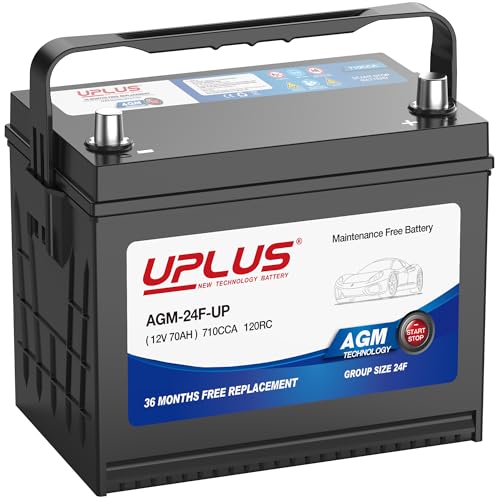
UPLUS BCI Group 24F AGM Start-Stop Battery

Interstate Batteries 12V 70Ah Group 24F AGM

Goodyear 24F-AGM Platinum Series Battery

Daakmax Platinum AGM Group 24F Battery

Mighty Max MM-G24F AGM Start-Stop Battery

Lipower Group 24/24F Solid State Battery
The Strengths Of Each Pick
When an engine fights back on a frigid morning, the Odyssey ODX-AGM24F Extreme is built for that moment. It sits in Odyssey’s Extreme series, which targets hard-starting engines and accessory-heavy vehicles that put extra strain on the battery. Compared with the more standard-fitment options below, this one leans toward cranking power and recovery rather than just meeting the factory spec sheet.
For owners of modified vehicles, trucks with winches, or cars with heavy audio and lighting loads, that focus translates into fewer slow-cranking mornings. In our view, the honest read is that this is overkill for a stock commuter, but it earns its place when the demands are real.
A Favorable Mix
- Designed for vehicles with high accessory loads and difficult starting conditions.
- AGM construction resists vibration, which matters on trucks and rough roads.
- Strong recovery from deep discharge, helpful for cars that sit between drives.
- Group 24F fitment matches many domestic sedans and crossovers without modification.
Things To Consider
- Premium pricing compared with standard-fit Group 24F AGM units, so it is harder to justify on a stock commuter.
- Some owners report that the unit benefits from a brief top-off charge after long storage, which is worth planning around.
Who It Suits Best
Drivers with hard-starting engines, accessory-heavy setups, or weekend tow vehicles who want extra cranking headroom.
Where Another Pick Suits Better
The Weize Platinum AGM Battery Group 24F is a smarter match for budget-focused daily drivers who don’t need the Extreme series muscle.
The Weize Platinum AGM Battery Group 24F is the everyday workhorse of this lineup, sized at 10.75 by 6.81 by 8.98 inches with 710 cold cranking amps and a 120-minute reserve capacity. Cold cranking amps (CCA) measure how much current a battery can deliver at 0°F for 30 seconds while staying above a minimum voltage, which is the spec that matters most on winter mornings. Reserve capacity (RC) tracks how long the battery can run essentials if the alternator fails.
That pair of numbers is enough for most commuters and light-truck owners. Compared with the Odyssey at the top of the list, this one trims the extreme-series muscle but lands at a friendlier price point for stock replacements.
Practical Pluses
- 36-month warranty covers the typical three-year ownership window for many first owners.
- Group 24F dimensions match common factory trays with no adapter needed.
- 710 CCA handles most climates, with margin for occasional cold snaps.
- 120 RC gives you a comfortable buffer if the alternator acts up.
Worth Noting
- Less specialized than the Odyssey for heavy accessory loads or modified engines.
- Verify terminal layout (left negative, right positive) against your old battery before swapping, since reversed terminals are a common install mistake.
Key Specs
Made For
Daily drivers who want a sensible Group 24F replacement with a real warranty behind it.
Consider Something Else When
Pick the Odyssey ODX-AGM24F Extreme instead if your vehicle runs winches, big audio, or other heavy electrical gear.
MARXON’s Group 24F car battery lands in the same standard-fitment sweet spot as the Weize, with 70Ah capacity, 710 CCA, and 120 minutes of reserve. Amp hours (Ah) describe how much current the battery can deliver over 20 hours, which gives a rough sense of how long it can power accessories without the engine running.
For shoppers watching every dollar, this one keeps the specs honest and avoids the premium-tier pricing of Odyssey or Interstate. It is a sensible drop-in if your old battery has finally given up and you just want the car back on the road.
Useful Touches
- Standard 10.7 by 6.77 by 8.98-inch case fits the Group 24F tray in most vehicles.
- 710 CCA matches what most factory batteries ship with from the dealership.
- Maintenance-free AGM design means no topping off water during ownership.
Trade Offs
- Brand recognition is lower than Interstate or Odyssey, which can make warranty service feel less predictable.
- Like all Group 24F swaps, double-check the terminal layout (left negative, right positive) before ordering.
Best Suited To
Owners looking for a no-frills, spec-matching replacement for a tired factory battery.
Skip It When
The Interstate Batteries 12V 70Ah Group 24F AGM is the safer call if you value long-standing brand support.
The Autocessking Group 24F AGM battery is built around the start-stop use case, where the engine cuts out at traffic lights and restarts instantly when you lift off the brake. That cycling punishes a battery far harder than traditional driving, so the absorbed glass-mat design helps it bounce back faster between restarts.
Where this one differs from the budget-tier MARXON is its marketing focus on leak-proof AGM construction and longer service life claims. For a daily commuter that idles a lot in stop-and-go traffic, those are real advantages.
Points In Its Favor
- Sealed AGM design resists spills and corrosion under the hood.
- Marketed for 2 to 3 times the cycle life of flooded batteries in start-stop service.
- Standard 12V, 70Ah, 710 CCA rating that mirrors the factory spec on many newer cars.
Points To Note
- Performance depends heavily on a healthy charging system, so a failing alternator will shorten its life quickly.
- Documentation around cycle-life claims tends to be marketing-led rather than independently verified, so take the upper end with a grain of salt.
Perfect Match For
Commuters stuck in heavy traffic whose cars restart dozens of times per trip.
Look Elsewhere When
The UPLUS BCI Group 24F AGM is the better call for drivers who want a more established brand behind the start-stop claim.
UPLUS positions this Group 24F AGM as a premium start-stop option, with the same 12V, 70Ah, 710 CCA, and 120 RC envelope as the rest of the field. What changes is the marketing language, leaning heavily on maintenance-free construction and modern vehicle compatibility.
Compared with the Autocessking above, this one sits at a similar price band but with a brand that pushes harder on the premium-start-stop story. If you have a relatively recent car with idle stop and want a unit that promises to handle that cycling, this is a reasonable match.
Reasons It Performs
- Drop-in Group 24F fitment for many late-model domestic and import vehicles.
- Maintenance-free sealed AGM format suited to stop-start duty cycles.
- 120 RC gives headroom for accessories like heated seats and infotainment loads.
Small Caveats
- Specs are nearly identical to lower-priced Group 24F AGMs, so the “premium” framing lives mostly in marketing.
- Verify the BCI dimensions match your tray since not every “24F” listing lines up perfectly across brands.
Feature Snapshot
Who Will Love This
Owners of newer start-stop-equipped cars who want a sealed AGM unit and a brand that markets itself toward that use case.
A Better Fit Elsewhere
The Weize Platinum AGM Battery Group 24F is a more cost-effective pick if start-stop is a rare event in your driving.
Interstate Batteries has been a familiar name in independent shops for decades, and the MTX-AGM Group 24F sits in their automotive pure-lead AGM lineup. Pure-lead plates are thinner and more numerous than conventional lead plates, which can improve recharge efficiency and longevity.
This is the option for shoppers who care as much about brand reputation as they do about the spec sheet. Compared with the newer entries above, Interstate leans on its service network and OEM-style focus rather than flashy marketing.
Strong Points
- Pure-lead AGM design aims at longer cycle life for start-stop vehicles.
- 710 CCA and 70Ah match or exceed most factory-fit specs.
- Brand familiarity helps if you ever need warranty service at a local shop.
Honest Caveats
- Typically priced higher than newer challenger brands with the same CCA rating.
- Some shoppers may prefer to use the included compatibility guide to confirm fitment before ordering.
Right Fit For
Drivers who want a long-established battery brand with broad shop support and a focus on OEM-grade replacements.
Swap It Out When
The Goodyear 24F-AGM Platinum Series Battery is worth considering if you want similar spec coverage at a more accessible price.
The Goodyear 24F-AGM Platinum Series lands in the familiar 12V, 70Ah, 710 CCA, and 120 RC envelope, but adds a useful twist: flexible mounting. It can be installed in multiple orientations except upside down, which matters if your factory tray sits in an awkward angle or you are squeezing the battery into a tight engine bay.
For drivers in climates that swing from freezing nights to hot afternoons, that flexibility is genuinely useful. It is also pitched as weather-stable, which in our view gives it an edge over cheaper AGM options in mixed-season use.
Everyday Wins
- Multi-orientation mounting (except upside down) simplifies tight or angled installs.
- Weather-stable design targets hot summers and cold winters alike.
- Platinum-series branding suggests a tier above basic Group 24F units.
A Few Limitations
- Specs match the rest of the field, so the upgrade story lives in features, not raw numbers.
- Goodyear batteries tend to be sold primarily online, so local warranty support can vary.
Feature Card
Who Should Grab It
Daily drivers in mixed-climate regions with non-standard battery trays who want flexible mounting.
Reach For A Different Pick When
The Interstate Batteries 12V 70Ah Group 24F AGM makes more sense if brand familiarity and shop support matter most.
Daakmax offers a Group 24F AGM with the standard 12V, 70Ah, 710 CCA, 120 RC envelope plus a 36-month warranty, which is the same coverage length as the Weize above. Dimensions run 10.75 by 6.81 by 8.98 inches, with tapered terminals on the standard left-negative, right-positive layout.
The pitch leans into reliability across hot and cold conditions, which makes it appealing if you live somewhere with strong seasonal swings. For shoppers whose main worry is being stuck with a dead battery outside the warranty window, the three-year coverage is a real selling point.
Everyday Perks
- 36-month warranty covers most owners through their first big ownership stretch.
- Standard Group 24F case and terminal layout fit most common domestic vehicles.
- Marketed for stable starts in varied temperature conditions.
Things To Weigh
- Specs are essentially the same as the Weize, so the choice often comes down to price and warranty terms at the time of purchase.
- As a less familiar brand, replacement availability may be more limited than mainstream options if you need a quick swap.
Built With In Mind
Shoppers who prioritize a long warranty window over a household brand name.
Another Choice May Suit
The Weize Platinum AGM Battery Group 24F is a near-twin in spec, so compare both at the listing for whichever price and shipping fits.
Mighty Max has built a reputation for sealed, spill-proof AGM batteries across many BCI group sizes, and the MM-G24F is their Group 24F play. The marketing pushes strong starting power, 120 minutes of reserve capacity, and high-discharge output for steady accessory loads.
Against the Autocessking above, this one takes a similar approach but leans into deep-discharge recovery. For vehicles that occasionally sit for a few weeks between drives, that recovery profile can matter more than peak cranking numbers.
Where It Helps
- Sealed, spill-proof design works in cabins and trunks where venting is limited.
- Deep-discharge recovery is helpful for cars that sit idle for stretches.
- 120 RC and 710 CCA match mainstream factory expectations.
Factors To Consider
- Weight is on the heavier side for the format, which can matter for smaller vehicles.
- Some owners mention that the included terminal hardware can feel basic, so plan on checking it at install.
Feature Overview
Whose Shelf It Belongs On
Garage owners with second cars or seasonal vehicles that sit between trips.
Where A Sibling Pick Shines
The Lipower Group 24/24F Solid State Battery is a stronger choice if you want longer overall cycle life from a lithium-based chemistry.
The Lipower Group 24/24F stands apart from the rest of this list because it is a solid-state lithium-based unit rather than a traditional AGM lead-acid design. Solid-state refers to a battery whose internal electrolyte is a solid material rather than a liquid or gel, which can improve safety and cycle life. The brand claims up to 10 years of service and 3,000+ deep cycles, well beyond typical AGM expectations.
That kind of longevity is the big draw, especially for owners tired of replacing batteries every few years. Compared with the Mighty Max above, this is a chemistry shift rather than a spec tweak, and it is worth confirming your vehicle’s charging system is lithium-compatible before committing.
Notable Upsides
- Solid-state lithium chemistry targets significantly longer service life than AGM.
- Claimed deep-cycle count makes it appealing for vehicles with accessory drain.
- Modern form factor aimed at owners seeking a long-term upgrade.
Potential Drawbacks
- Not every older vehicle’s charging profile is optimized for lithium, which can shorten life if the system overcharges.
- Premium pricing over standard AGM, so the math only works if you plan to keep the car long enough to recoup the cost.
The Right Fit
Enthusiasts and long-term owners who want a chemistry upgrade and are willing to verify charging system compatibility.
Not Your Match When
The Odyssey ODX-AGM24F Extreme is the safer bet if you want proven AGM chemistry with no charging-system worries.
What To Weigh Before Choosing an AGM Group 24F Battery
Confirm The Group Size First
Before anything else, measure your old battery or check the owner’s manual for the BCI group number. Group 24F is a specific case size and terminal layout, so a Group 24 (without the F) can look similar but place terminals on the wrong side. A reversed terminal layout can short against the hold-down hardware or bodywork, so this single check prevents most fitment headaches.
Match Cold Cranking Amps To Your Climate
CCA matters most if you live where winter temperatures regularly drop below freezing. The 710 CCA spec shared across most of this list is comfortable for moderate climates, while colder regions benefit from pushing that number up where possible. Reserve capacity is the other number to glance at, since it determines how long the cabin electronics stay alive if the alternator drops out.
Think About Start-Stop Duty Cycles
Modern cars with idle stop put far more starts on a battery than older vehicles did. If your car shuts off at every light, a standard-fit AGM can wear out faster than the spec sheet suggests, and a start-stop-focused unit like the UPLUS or Autocessking will likely last longer. On older non-start-stop vehicles, you can usually skip the premium positioning and save the difference.
Mind Warranty And Replacement Logistics
Warranty terms vary widely across brands, with three years being common in this category. Consider not just the headline coverage but also how you would actually use it. Some brands lean on local shop networks, while others are mostly sold online, which can affect how quickly you can swap a defective unit.
Key Considerations Across These Picks
Common Shopping Slip Ups
Most battery headaches start with fitment, not performance. Shoppers occasionally order a Group 24 instead of a Group 24F and find that the terminals sit on the wrong side of the case, which can short against the hold-down. Another common slip is chasing the highest CCA number without checking whether the alternator can actually keep that battery topped off, especially on older vehicles with weaker charging systems.
What The Higher Tier Buys
Stepping up to a premium AGM or solid-state unit typically pays off in cycle life and tolerance for accessory drain rather than raw cranking power. If you run a car audio system, lighting, or other always-on loads, the extra cost comes back as fewer replacements over a decade of ownership. For a basic daily driver that rarely sits idle, the upgrade mostly buys peace of mind rather than measurable gains.
Frequently Asked Questions
How long does an AGM Group 24F battery typically last?
Most AGM Group 24F batteries last between three and five years in normal driving, with start-stop vehicles trending toward the lower end of that range.
Can I replace a flooded battery with an AGM Group 24F unit?
Yes, as long as the case dimensions, terminal layout, and CCA meet your vehicle’s requirements, AGM is a maintenance-free upgrade over flooded designs.
Do I need to reset anything after installing a new battery?
Many newer cars benefit from an idle relearn or a battery registration step using an OBD-II tool, especially those with start-stop systems and battery sensors.
Is a higher CCA number always better?
Higher CCA helps in cold weather but only matters if your climate actually demands it, since charging systems in older vehicles may not be optimized for oversized batteries.
Are lithium solid-state Group 24F batteries worth the extra cost?
For long-term owners and vehicles with heavy accessory loads, the extended cycle life can offset the higher price, but older charging systems may need a professional check first.
Bottom Line
Group 24F AGMs have converged around a familiar set of specs, so the real choice often comes down to brand trust, warranty length, and whether your driving style actually needs a start-stop or solid-state upgrade. Match the chemistry and case to your vehicle first, then pick the warranty and price that feel right for how long you plan to keep the car.