Lithium has quietly replaced lead-acid in everything from camper vans to fishing rigs, but the category sprawls wildly, mixing deep-cycle house banks, jump-start modules, and tiny remote-control coin-style cells behind the same “12V” label. Picking the wrong one wastes money and, worse, can leave you stranded at a campsite or with a dead garage door remote. This roundup sorts nine real options into clear use cases so you match the battery to the job instead of guessing.
The Shortlist At A Glance
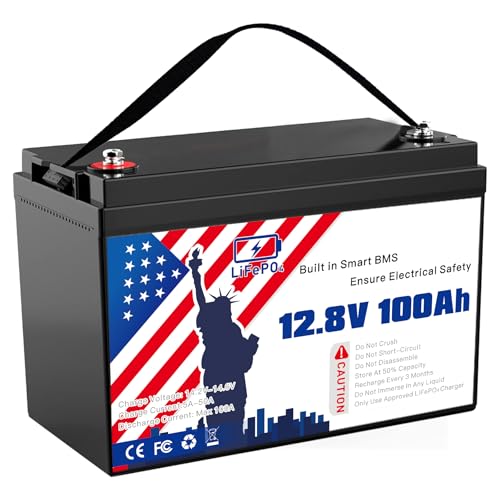
VEMDIA 12V 100Ah LiFePO4 Group 31 Battery
HJGHY 12V Outdoor Thruster Lithium Battery

Yuly 4S 12V 800A LiFePO4 Protection Board

Hillflower 500-Pack 27A 12V Alkaline Cells
Hillflower 50-Pack 27A 12V Long-Duration Cells

kunying A27 12V 5-Pack Remote Batteries

Mighty Max ML35-12LI 12V 35Ah LiFePO4 (2-Pack)
BS Battery BSLI03 12V 3Ah Lithium Starter

Mighty Max ML100-12LI 12V 100Ah LiFePO4
A Closer Look At Each Pick
Group 31 is the standard battery box you find in most American boats and RVs, so a 12V 100Ah LiFePO4 cell that drops into that footprint is the easiest swap you can make. VEMDIA ships a 100A-rated BMS (battery management system, the onboard circuitry that prevents overcharge, deep discharge, and shorts) right inside the case, which is the safety net most budget lithium packs skip. Expect roughly 1280Wh of usable energy per unit, enough to run a small trolling motor all afternoon or keep a camper’s lights and fridge going through a quiet weekend.
Compared to the deep-cycle lead-acid you might be replacing, the weight savings alone are dramatic, and the chemistry tolerates partial states of charge far better, so you stop babying the bank. For off-grid cabins and RV owners planning a real upgrade, this is the kind of foundation piece the rest of the list builds around.
What Makes Sense
- Expandable up to 4 in series or parallel for up to 400Ah or 48V systems
- Internal 100A BMS guards against the usual failure modes without external gear
- LiFePO4 chemistry tolerates partial charges, so solar harvests stop wasting capacity
- Group 31 sizing fits standard marine and RV battery trays
Honest Caveats
- Heavier than the small-format Mighty Max options reviewed later, so plan mounting for the actual weight
- Documentation for the BMS app and low-temperature charging limits tends to be thin
Best Suited To
RV and off-grid solar owners building a scalable house bank.
Where Another Pick Suits Better
For a single-battery kayak trolling setup, the lighter HJGHY 12V Outdoor Thruster Lithium Battery is easier to stow and strap down.
Where the VEMDIA is a house battery, the HJGHY leans hard into the small-boat crowd. You get a swappable capacity range from 60Ah to 200Ah at the same 12V nominal voltage, and the unit ships with a 5A charger and a carry handle, two things kayak and jon-boat anglers always wish they had. Pair it with motors rated up to 2500Wh and you have a quiet morning on the water without gas cans.
The onboard switch stops parasitic drain when you are shore-side, and the LED indicator keeps you from getting caught with a dead cell halfway across the lake. Owners running transom-mounted thruster motors for fishing or short-range propulsion get the most out of this layout.
The Good Stuff
- Multiple capacity options at the same 12V form factor for different trip lengths
- Handle and ABS shell make loading into a kayak hatch practical
- Hard cutoff switch and indicator light prevent surprise dead batteries
- Built-in BMS adds standard protections without external controllers
Points To Note
- Li-ion chemistry here is not LiFePO4, so cycle life is shorter than the VEMDIA above
- Capacity label can vary by batch, so verify before long offshore runs
Right Fit For
Anglers running electric trolling motors on kayaks, canoes, and small skiffs.
Skip It When
For a stationary cabin solar bank, the VEMDIA 12V 100Ah LiFePO4 Group 31 Battery gives you longer cycle life for daily deep discharge.
Most picks on this list are finished batteries, but the Yuly is a raw BMS board, the part that lives inside a finished pack and decides when to cut off charging or load. The “4S” refers to four LiFePO4 cells wired in series to hit a nominal 12V, and the 800A peak rating handles short, heavy bursts like engine cranking. For hobbyists rebuilding a motorcycle or building a small LiFePO4 starter pack, it is the brain you wire to the cells.
It is small enough to tuck into a project enclosure, roughly 63 by 90 millimeters, and includes overcurrent, overcharge, low-voltage, short-circuit, and temperature cutoffs. Buyers comfortable with a soldering iron and a balance lead harness get the most out of a board like this.
Useful Highlights
- 800A peak handling suits motorcycle starting and high-inrush tools
- Compact footprint fits inside a project box or behind a seat panel
- Full protection suite (overcurrent, short, temp, low-voltage) on a single board
Trade Offs
- Not a finished battery, so beginners may struggle with cell balancing and wiring
- Documentation leans sparse, which means extra research before install
Built With In Mind
DIY builders assembling LiFePO4 starter packs for motorcycles or power tools.
A Better Fit Elsewhere
If you want a sealed, ready-to-mount pack, the Mighty Max ML35-12LI 12V 35Ah LiFePO4 2-Pack is the plug-in alternative.
Stepping out of the deep-cycle world, the 27A is the tiny 12V alkaline cylinder that lives in garage door remotes, car alarm key fobs, and a few specialty toys. Five hundred of them at once sounds excessive until you manage a property, run a locksmith shop, or stock a hotel’s engineering closet. The mercury-free chemistry also matters for older cars with vintage alarm fobs.
Cross-reference codes cover the alphabet soup of equivalents (A27, MN27, GP27, L828, and so on), so compatibility questions are mostly answered before you buy. For users replacing cells by the handful every month, the per-unit cost crushes retail blister packs.
The Case For It
- Bulk pricing dramatically lowers the per-cell cost versus grocery-store packs
- Long cross-reference list covers nearly every 27A-equivalent code on the market
- Mercury-free formulation suits older alarm fobs without corrosion worries
Some Limits To Know
- Single-use alkaline, not rechargeable, so disposal adds up at this volume
- Storage life is shorter than the sealed lithium options elsewhere on this list
Who Should Grab It
Shops, property managers, and locksmiths replacing dozens of remote cells a month.
Consider Something Else When
For a single-remote household, the kunying A27 12V 5-Pack Remote Batteries is the saner quantity.
The 50-pack version of the Hillflower 27A drops the count to something most households can actually use in a couple of years, while keeping the same cross-compatible chemistry as the 500-cell bulk option. “Long duration” in alkaline terms simply means a slightly higher energy density per cell, which translates to a few extra months in a wall-mounted smoke sensor or a seldom-used spare fob.
For a family with a garage door remote, a couple of car fobs, and a few specialty toys, this is the middle ground that does not feel like hoarding. You still get the mercury-free formulation that older alarm systems prefer.
Everyday Advantages
- Sensible bulk size for typical household spare-cell storage
- Long-duration formulation squeezes more standby life from each cell
- Universal 27A-equivalent compatibility list covers most fob and remote cases
Worth Bearing In Mind
- Alkaline shelf life still trails lithium coin cells used in some modern fobs
Who Will Love This
Multi-remote households that want one drawer to rule them all.
Look Elsewhere When
Property managers replacing cells faster than households should grab the Hillflower 500-Pack for better per-cell economics.
Sometimes five cells is exactly right. The kunying A27 pack suits a single garage door remote, a car alarm fob, or one persnickety toy that chews through coin-style batteries. Five is also enough to stash a spare in each car and the kitchen junk drawer without overcommitting to bulk storage.
The chemistry is the same alkaline 12V formula as the larger Hillflower packs reviewed just above, so behavior in real fobs feels familiar. You give up the deep bulk discount, but you also stop carrying around 45 spares you will forget about.
Reasons It Performs
- Five-pack size matches a typical home’s real 27A demand
- Works in garage remotes, car fobs, calculators, and CMOS backup roles
- Smaller pack fits a kitchen drawer without dedicated storage space
Smaller Limitations
- Higher per-cell cost than the Hillflower bulk options
- Alkaline only, not rechargeable
Made For
Homeowners replacing a single remote with a couple of spares on hand.
Another Choice May Suit
Anyone running a small business that burns through fob batteries should look at the Hillflower 50-Pack 27A 12V Long-Duration Cells for better unit economics.
The U1 case size, a small footprint roughly 7.5 by 5 inches, makes the ML35-12LI the natural replacement for lead-acid batteries in mobility scooters, kids’ ride-on toys, and small UPS backups. Two of them arrive in the box, which is the most useful way to buy if you are running a 24V system or want a matched spare. Internal-thread terminals and a sealed LiFePO4 cell keep maintenance at zero.
Around 2500 rated cycles means years of daily discharge before you notice capacity fade, a meaningful upgrade over the AGM (absorbent glass mat, a common sealed lead-acid design) units this size typically replaces. For lightweight applications where every pound matters, the LiFePO4 chemistry cuts weight dramatically.
A Few Strong Suits
- U1 case drops directly into common scooter and toy battery trays
- Sealed LiFePO4 design needs no watering or venting
- Two-pack delivery suits 24V systems or matched spares
- Long cycle life keeps total ownership cost competitive with lead-acid
Things To Consider
- 35Ah is modest for full-size RV house use, so size up to the ML100 if you camp often
- Listing ships battery and screws only, so plan your own cable harness
Key Specs
The Right Fit
Mobility scooter owners and parents of ride-on toys chasing real weight savings.
Swap It Out When
Boat and off-grid owners needing 100Ah of reserve should step up to the Mighty Max ML100-12LI 12V 100Ah LiFePO4.
Small-format starter batteries live in a different universe than deep-cycle house banks. The BS Battery BSLI03 is built to crank engines, which means it favors short, intense current pulses over sustained discharge. Three amp-hours sounds tiny until you realize that motorcycles, scooters, and pit bikes rarely need more, and the weight savings over a lead-acid equivalent are dramatic on a lightweight chassis.
Low self-discharge matters for bikes that sit for weeks between rides, and the fast recharge rate gets you back on the road quickly after a stall. Riders chasing weight reduction on track days get the most from this format.
What Stands Out
- Engine-start cranking power at a tiny 3Ah capacity
- Low self-discharge keeps voltage stable during long storage
- Lightweight design trims pounds off sport bike and pit bike builds
Where It May Fall Short
- Not designed for deep-cycle accessory loads, so skip it for trolling motors
- Charging system compatibility should be confirmed before swapping from lead-acid
Whose Shelf It Belongs On
Sport bike, pit bike, and scooter riders looking for a true starter upgrade.
Not Your Match When
Anyone needing a deep-cycle reserve for camping or boating should look at the Mighty Max ML100-12LI 12V 100Ah LiFePO4.
The ML100-12LI slots into the Group 30H footprint, a slightly smaller case than the Group 31 in the VEMDIA reviewed first, so it fits many marine battery trays where space is tight. Sealed LiFePO4 chemistry, maintenance-free design, and roughly 2500 rated cycles make it a natural deep-cycle replacement for aging lead-acid banks. For boats, off-grid cabins, and serious solar arrays, 100Ah is the workhorse capacity.
Mighty Max ships the unit only minimally charged, so plan a full top-up before first use to wake the BMS properly. Owners who do that initial conditioning tend to see the rated cycle life play out over years of service.
Standout Benefits
- Group 30H case drops into many marine trays without modification
- LiFePO4 chemistry supports long daily discharge cycles
- Sealed, maintenance-free construction suits remote installations
Less Ideal Details
- Shipped minimally charged, so plan a full charge before first use
- Cable and mounting hardware are not included, so budget for those separately
Perfect Match For
Off-grid solar owners and boaters needing a single 100Ah LiFePO4 reserve.
Reach For A Different Pick When
Anyone wanting a multi-bank expandable system gets more flexibility from the VEMDIA 12V 100Ah LiFePO4 Group 31 Battery and its series/parallel support.
What To Weigh Before Picking a 12V Lithium Battery
Match The Format To The Job
A trolling motor bank, a garage door remote, and a motorcycle starter have nothing in common except the “12V” printed on the label. Decide first whether you need a deep-cycle house battery (VEMDIA, Mighty Max), a short-burst starter (BS Battery BSLI03), or a coin-style alkaline cell (Hillflower, kunying). Mixing them up is the most common reason a “12V lithium battery” disappoints.
Read The Chemistry, Not The Voltage
LiFePO4 is the long-cycle, thermally stable choice for daily discharge. Standard Li-ion packs a higher energy density per kilogram but trades cycle life and safety margin. Alkaline 27A cells are single-use and live in tiny remotes. The right chemistry is more important than a small jump in amp-hours.
Mind The Footprint And Weight
Group 31, Group 30H, and U1 cases all look similar in photos but differ enough to refuse your existing battery tray. Measure the tray, the terminal orientation, and the available headroom before ordering. Weight matters even more on boats and RVs, where lithium chemistry typically halves the lead-acid figure.
Check The Protection Circuit
A quality BMS guards against overcharge, deep discharge, overcurrent, short circuits, and temperature extremes. Pricier deep-cycle units almost always include this internally, while DIY boards like the Yuly put that responsibility in your hands. Make sure the protection matches how and where you plan to charge.
Key Considerations Across These Picks
Common Buying Slip Ups
The biggest trap is matching amp-hours across different chemistries as if they were equal. A 100Ah LiFePO4 delivers far more usable energy than a 100Ah lead-acid because lithium can safely discharge deeper without damage. The next common mistake is ignoring the BMS rating, which determines whether the battery can actually deliver the current your motor or inverter demands.
Where The Extra Money Goes
Higher-tier LiFePO4 packs typically cost more for three real reasons: better cell grading (cells matched more tightly at the factory for balanced aging), a more robust BMS rated for higher continuous current, and longer advertised cycle counts. For daily deep-cycle use in an RV or off-grid system, the upgrade pays back in years of service. For a remote that opens your garage twice a day, the extra spend never earns its keep.
Frequently Asked Questions
Are All 12 Volt Lithium Batteries The Same Chemistry?
No. Deep-cycle house banks usually use LiFePO4 for stability and long cycle life, while some compact packs use standard Li-ion for higher energy density. The 27A alkaline cells reviewed above are an entirely different category.
How Long Does A 12V Lithium Battery Last?
LiFePO4 deep-cycle packs commonly rate around 2500 to 3000 full discharge cycles, which translates to years of regular use. Standard Li-ion packs last fewer cycles, and single-use alkaline 27A cells are replaced rather than recharged.
Can I Replace A Lead-Acid Battery With Lithium Directly?
Often yes, especially with drop-in Group 31, 30H, or U1 cases like the VEMDIA and Mighty Max options above. Confirm your charger’s lithium compatibility, since some older lead-acid chargers push voltages that confuse a lithium BMS.
Do Lithium Batteries Need A Special Charger?
Most modern LiFePO4 packs include an internal BMS that works with a wide range of chargers, but a charger profile matched to lithium chemistry will charge faster and extend cycle life. Using an old lead-acid charger without checking the absorption voltage can shorten service life.
Is It Safe To Use Lithium Batteries In Cold Weather?
LiFePO4 cells lose usable capacity below freezing and can be damaged by charging at low temperatures. Some BMS boards include low-temp cutoffs; if you camp or boat in cold conditions, look for that feature before buying.
The Takeaway
A “12 Volt Lithium Battery” can mean a 100Ah house bank, a 3Ah starter, or a coin-style alkaline cell, and treating them as interchangeable is where most shoppers go wrong. Match the format, chemistry, and protection circuit to your real use case, and any of the nine picks above will pull its weight for years.