Walk into any electronics aisle and the wall of AA and AAA options looks identical at a glance. Look closer and the chemistry, capacity, cycle life, and voltage behavior all differ in ways that show up only after weeks of regular use. Rechargeable batteries aren’t just a smaller line item on your next shopping run; they’re the quiet workhorses behind game controllers, TV remotes, wireless keyboards, and a dozen other things you touch daily.
This guide sorts ten options across NiMH (nickel-metal hydride, the classic rechargeable chemistry that outputs 1.2V) and Li-ion (lithium-ion, a newer chemistry that can hold a steady 1.5V). You’ll find high-capacity packs for power-hungry gear, long-cycle standard cells for remotes, and bundled combos when you want both sizes covered. Each pick links to its full product listing so you can compare side by side.
The Choices Worth Comparing

Eneloop Panasonic pro AA Ni-MH Pre-Charged Rechargeable Batteries, 6-Pack

Eneloop Panasonic AA 2100 Cycle Ni-MH Pre-Charged Rechargeable Batteries, 8-Pack

Eneloop Panasonic AA 2100 Cycle Ni-MH Pre-Charged Rechargeable Batteries, 4-Pack
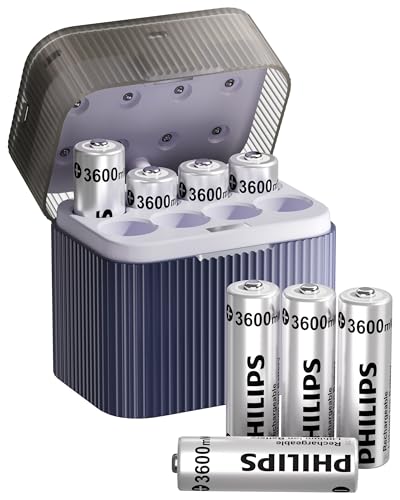
PHILIPS Rechargeable AA Lithium Batteries, 1.5V 3600mWh, 8-Pack
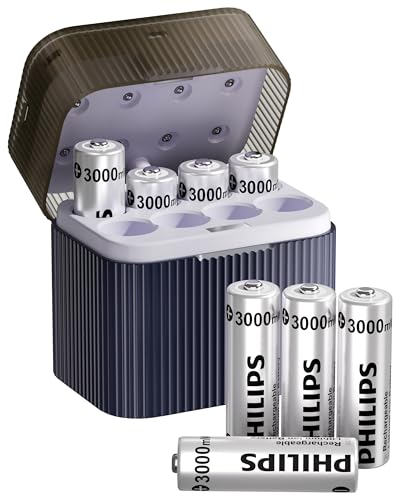
PHILIPS Rechargeable 3000mWh AA Lithium Batteries, 8-Pack

BONAI Rechargeable AA Batteries 2800mAh, 24-Pack

BONAI AA 2800mAh and AAA 1100mAh NiMH Combo, 16-Pack
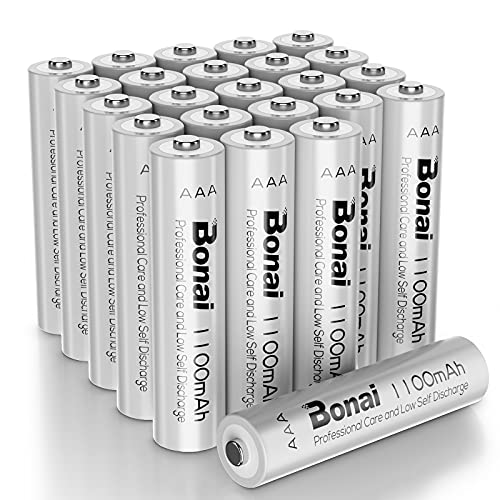
BONAI AAA Rechargeable Batteries 1100mAh, 24-Pack

PHILIPS Rechargeable AAA Lithium Battery, 1.5V 1300mWh, 8-Pack

PHILIPS Rechargeable AA Lithium Battery, 1.5V 3600mWh, 4-Pack
More On The Choices That Made The List
The pro variant of Eneloop’s AA line lands at the top of this list because it does the one thing NiMH shoppers ask for most: hold more energy per cell. The capacity sits around the 2500mAh minimum mark, which means longer sessions on game controllers, flash units, and motorized toys before the cells need a refill. It uses standard NiMH chemistry, so it works in any charger that accepts AA rechargeables, including the wall chargers most households already own.
Compared to the standard Eneloop 8-pack below, the pro cells trade a little cycle life for noticeably higher per-charge capacity. For households where remotes dominate, that trade-off is unnecessary. For anyone running Xbox controllers, camera grips, or a flashlight on a worksite, the extra runtime per charge earns its keep.
Everyday Wins
- High per-cell capacity reduces how often you swap or recharge in demanding gear.
- Low self-discharge keeps most of the stored charge over months of sitting in a drawer.
- Pre-charged at the factory, so the cells work straight out of the packaging.
- Six-pack is a comfortable size for stocking a couple of controllers without overbuying.
Things To Consider
- Cycle life is lower than standard Eneloop cells, which is the trade-off for higher capacity.
- Output voltage is the usual 1.2V NiMH, so devices that demand a true steady 1.5V won’t behave the same as lithium alternatives.
Feature Snapshot
Who It Suits Best
Gamers, photographers, and anyone powering high-drain AA devices daily will get the most out of these cells.
A Better Fit Elsewhere
The Eneloop Panasonic AA 2100 Cycle Ni-MH Pre-Charged Rechargeable Batteries, 8-Pack is the smarter grab for households running mostly remotes and clocks.
Eneloop’s standard AA cells have built their reputation the slow way: by outlasting dozens of competitors in long-term ownership. The 2100-cycle rating means each cell can be recharged that many times before capacity meaningfully fades, which is enough for years of regular use. The cells ship pre-charged using solar power at the factory, a small detail that signals the brand’s quality control extends to the production line.
The honest read is that this 8-pack covers more households than the pro cells above. Between TV remotes, wireless mice, flameless candles, and the occasional toy, most rooms in a typical house depend on AA power. An 8-cell count lets you dedicate four to a rotation and keep four spares, or run two controllers and four other devices simultaneously.
Practical Pluses
- Up to 2100 recharge cycles, which for many households means years of service before noticeable fade.
- Retains around 70% of stored charge after long shelf periods, so spares stay usable between uses.
- Ready to use straight from the package, no initial charge required.
- Eight-cell count fits the typical mix of devices in a single household.
Worth Noting
- Standard NiMH at 1.2V, so devices calibrated for 1.5V disposables may register slightly low.
- Per-charge capacity is lower than the pro variant, which is the trade for those extra cycles.
Feature Card
Made For
Mixed-use households running remotes, mice, and other low-to-moderate drain devices on rotation.
Consider Something Else When
The Eneloop Panasonic pro AA Ni-MH Pre-Charged Rechargeable Batteries, 6-Pack is a stronger match for users needing longer sessions in demanding gear.
Same chemistry, same cycle rating, same pre-charged convenience as the 8-pack, just in a smaller box. The 4-count version exists for a specific kind of shopper: someone with a wall charger already, who only needs cells for one device at a time and a couple of spares. If you own a single game controller, a wireless mouse, or a TV remote and want trustworthy rechargeables without a deep commitment, this is the simplest starting point.
Where it differs from the BONAI options below is mostly reputation. Eneloop’s quality control is widely noted in long-term ownership discussions, which matters when you’re buying cells that should last years. The trade-off is per-cell value; bulk packs almost always undercut the 4-count on a per-battery basis.
The Upside
- Lower entry cost than the 8-pack for shoppers testing the rechargeable idea.
- Up to 2100 recharge cycles match the larger Eneloop format.
- Pre-charged and ready to install on arrival.
- Compatible with any NiMH AA charger.
Trade Offs
- Four cells limits you to one device plus one spare set.
- 1.2V output, so devices sensitive to a 1.5V baseline may show slightly weaker signal strength or brightness.
Right Fit For
First-time rechargeable shoppers and minimal-device households looking for a low-commitment entry.
Skip It When
The BONAI Rechargeable AA Batteries 2800mAh 24-Pack is a smarter pick if you want to stock an entire home’s worth of cells at once.
The shift from NiMH to lithium AA changes how devices behave, and this 8-pack sits at the front of that shift. Each cell holds a flat 1.5V through most of its discharge curve, which means controllers and cameras behave more like they do with fresh alkalines. That stable voltage is why game controllers feel more responsive and why some digital devices hold their signal strength longer before complaining about low batteries.
Where it differs from the Eneloop AA cells above is fundamental: lithium chemistry requires its own charger. The 3600mWh capacity rating is also measured differently than mAh on NiMH, since voltage is part of the math. For anyone whose household includes high-drain electronics that don’t tolerate the gradual voltage drop of NiMH, the swap is worth the change in charging routine.
What Stands Out
- Steady 1.5V output keeps devices behaving like they’re running on fresh alkaline cells.
- Larger energy rating per cell supports longer runtime between charges.
- Suited to demanding electronics where voltage sag affects performance.
Points To Note
- Requires a compatible lithium AA charger, not a standard NiMH charger.
- Higher per-cell cost than NiMH alternatives above.
Best Suited To
Gamers and photographers who want their devices to hold full performance until the very end of each charge.
Look Elsewhere When
The Eneloop Panasonic pro AA Ni-MH Pre-Charged Rechargeable Batteries, 6-Pack is a better value if NiMH charging fits your setup already.
This AA lithium pack keeps the same 1.5V flat-discharge chemistry as the 3600mWh version above but trims the energy rating slightly in exchange for a more travel-friendly form factor. The integrated charging and storage case is the real story here: one box holds the cells and recharges them through a Type-C input, which is the same cable most phone and laptop owners already carry.
Where it earns its place on the list is in the kind of use where carrying a wall charger is impractical. Photographers on multi-day shoots, families camping for a weekend, or anyone working away from a desk can keep the case topped up with a power bank. Compared to the standard Eneloop cells earlier, the trade is fewer total recharge cycles for the convenience of an all-in-one box.
Where It Delivers
- Charging and storage in one unit reduces what you pack.
- Type-C input works with the cables already in most travel kits.
- Steady 1.5V output keeps performance consistent on demanding electronics.
A Few Limitations
- 3000mWh rating is lower than the 3600mWh PHILIPS variant.
- Higher per-pack cost reflects the integrated charging case.
Whose Shelf It Belongs On
Travelers and field photographers who want a single box that both stores and recharges cells.
Reach For A Different Pick When
The PHILIPS Rechargeable AA Lithium Batteries, 1.5V 3600mWh, 8-Pack is the stronger pick if you want maximum runtime and already own a separate charger.
Twenty-four cells sounds like a lot until you walk through a house and count the devices that take AA batteries. Remotes, clocks, flameless candles, kitchen scales, and a handful of toys can chew through a pack of eight in a season. The BONAI 24-pack addresses that household reality by offering high-capacity NiMH in a count that matches the actual demand.
The per-cell value here is the obvious draw. Bulk NiMH from BONAI typically undercuts premium brands on cost per battery, with capacity rated at 2800mAh. The trade-off is name recognition: Eneloop has a stronger long-term reputation. For shoppers comfortable with a less familiar label and willing to rotate a larger stockpile, this pack pays off.
Well-Handled Touches
- 24-cell count matches the cumulative demand of an active household.
- Lower per-cell cost than small-count packs from premium brands.
- 2800mAh capacity supports long runtime in moderate-drain devices.
Where It May Fall Short
- Brand reputation doesn’t carry the same weight as the established names above.
- Large initial outlay in a single transaction.
Quick Facts
Who Will Love This
Family households and small offices that want to replace an entire drawer of mixed disposable cells at once.
Not Your Match When
The Eneloop Panasonic AA 2100 Cycle Ni-MH Pre-Charged Rechargeable Batteries, 8-Pack is the better call for shoppers prioritizing brand reputation over per-cell savings.
The mixed-size combo from BONAI solves a specific problem most buyers hit eventually: you stock AA cells, then realize half your remotes and several small electronics actually take AAA. Rather than two separate purchases, this pack ships eight of each, totaling sixteen cells in one box. The AA side carries the same 2800mAh rating as BONAI’s standalone bulk pack, while the AAA cells come in at 1100mAh.
Compared to buying two smaller packs separately, the combo often costs less and reduces packaging waste. The same low-self-discharge NiMH chemistry applies to both sizes, so spares in either format hold their charge when not in use. For households that have already moved to rechargeables in one size, this is the natural next step.
Where It Helps
- Stocking both sizes in one purchase reduces the chance of running out of the rarer format.
- Eight cells of each size covers typical household rotation in both.
- Same chemistry across sizes means one charger handles both.
Some Limits To Know
- Total cell count is lower than the 24-pack AA option, so power-hungry AA households may still want the larger pack.
- Brand recognition is less established than the options earlier in this list.
Perfect Match For
Households using both AA and AAA devices in roughly equal measure who want a single bundled solution.
Another Choice May Suit
The BONAI AAA Rechargeable Batteries 1100mAh, 24-Pack is the stronger standalone choice if your AAA demand far outweighs your AA use.
AAA cells are the size that disappears fastest in a typical home. Remote controls, computer mice, small flashlights, electric toothbrushes, and a long list of slim electronics all take the smaller format. A 24-pack at 1100mAh gives you enough cells to dedicate a set to each device category without scrambling for spares when one dies mid-evening.
The chemistry is standard NiMH at 1.2V, which works in virtually any AAA device originally designed for alkaline cells. Compared to the AA bulk pack above, the per-cell price is typically a touch higher because AAA cells use less material overall. For households that rotate AAAs faster than AAs, this pack pays for itself quickly.
What Works In Its Favor
- 24-cell count covers the full inventory of AAA devices in most homes.
- 1100mAh capacity supports solid runtime in typical low-drain electronics.
- Low self-discharge keeps stored spares ready between uses.
Practical Considerations
- 1.2V output means very low-drain devices that flag weak batteries may read cells as lower than fresh alkaline equivalents.
- Bulk size requires storage space for twenty-four small cells.
Who Should Grab It
Shoppers whose remote-and-mouse consumption outpaces their AA use will get the most value here.
Swap It Out When
The BONAI AA 2800mAh and AAA 1100mAh NiMH Combo, 16-Pack is the better choice for households needing both sizes at once.
Rechargeable AAA lithium is rarer than its AA sibling, partly because the small cell size historically made lithium chemistry harder to stabilize. This PHILIPS pack handles that with a 1.5V constant output and an 8-slot charging station that lets you refill cells one at a time. Independent slot charging matters when you don’t want to wait for a full set of cells to drain before recharging everything together.
For high-drain AAA devices like game controllers, that steady voltage pays off in the same way the AA lithium picks above help on the larger format. Compared to the BONAI NiMH AAA bulk pack, the per-cell cost is significantly higher, but the chemistry behavior in demanding electronics is also noticeably different.
The Practical Payoff
- 1.5V constant output keeps AAA devices performing consistently.
- Individual slot charging prevents waiting for matched sets.
- Compatible with high-drain controllers and remotes that suffer under voltage sag.
Factors To Consider
- Per-cell cost is substantially higher than NiMH AAA options.
- Requires its own lithium-compatible charging station.
Built With In Mind
Gamers and remote-control households wanting AAA cells that behave more like fresh alkaline disposables.
Where A Sibling Pick Shines
The BONAI AAA Rechargeable Batteries 1100mAh, 24-Pack is the smarter call for shoppers prioritizing volume over flat voltage output.
The 4-pack version of PHILIPS’s high-capacity AA lithium cells rounds out the list for shoppers who want the 3600mWh chemistry without committing to eight cells at once. It’s the right size for one demanding device plus spares, such as an Xbox controller and a camera flash, rather than a whole-house stockpile. The charging box ships integrated, similar to the larger 3000mWh pack above.
The trade-off compared to the 8-pack version is fewer cells in the box for roughly the same charging hardware investment. You may find that running through four cells faster than expected, especially in power-hungry controllers, makes the larger 8-pack a better fit. For a tighter setup, though, four cells is a manageable starting point.
Reasons It Performs
- Same 3600mWh high-capacity rating as the 8-pack sibling.
- Integrated charging box keeps everything in one portable unit.
- Compact count suits single-device households or first-time lithium shoppers.
Things To Weigh
- Only four cells, so rotation between charging cycles is more frequent.
- Per-cell cost is similar to the larger 8-pack, reducing the cost benefit of the smaller size.
The Right Fit
Single-controller households or photographers wanting a focused lithium kit without an oversize investment.
Look Elsewhere When
The PHILIPS Rechargeable AA Lithium Batteries, 1.5V 3600mWh, 8-Pack makes more sense if multiple devices run on AA lithium simultaneously.
What To Weigh Before Choosing Aa Aaa Rechargeable Batteries
Chemistry And Voltage Behavior
NiMH cells output a flat 1.2V through their cycle, which works in nearly every device designed for AA or AAA but can read as “lower” in devices calibrated for 1.5V disposables. Lithium AA and AAA cells hold a steady 1.5V from full to nearly empty, which keeps performance consistent in demanding gear. For remotes, clocks, and low-drain electronics, NiMH remains the practical default. For game controllers, cameras, and anything that complains early about low batteries, lithium is worth considering.
Capacity And Cycle Life
Capacity ratings tell you how long a cell runs per charge, while cycle life tells you how many full recharges it tolerates before meaningful fade. A high-capacity cell with fewer cycles suits heavy daily use, where each charge cycle gets eaten quickly. A lower-capacity cell with thousands of cycles suits a household that recharges less often but expects the cells to last years. Match the cycle rating to how often you’ll actually drain and recharge.
Size, Format, And Charger Compatibility
AA and AAA cells aren’t interchangeable, so decide which size (or both) your devices actually need before buying. NiMH cells work in any charger built for NiMH, but lithium AA and AAA require lithium-compatible chargers. Mixing the two in a single charger can damage cells, so factor a compatible charger into the budget if you’re switching chemistries.
Pack Size And Storage
Bulk packs offer lower per-cell cost but need somewhere to keep twenty-four small cells organized. Smaller packs cost more per cell but store easily in a kitchen drawer. Think about how many devices you’ll run at once: a household with eight AA-powered remotes needs more cells than one with a single controller and a mouse.
Common Buying Slip Ups In The Rechargeable Category
Where Shoppers Go Wrong
Many first-time buyers grab whatever AA pack is cheapest without checking the chemistry against their devices. NiMH works in nearly everything, but a few specialty devices assume 1.5V disposables and behave oddly with 1.2V rechargeables. Read the device manual briefly before committing to a bulk purchase.
What The Higher Tier Buys
Premium lithium AA and AAA cells cost noticeably more per cell, but the flat 1.5V output is the actual upgrade. Devices that sag under NiMH voltage drop (some game controllers, certain medical devices, professional flash units) hold steady performance longer on lithium. For low-drain remotes and clocks, the premium chemistry isn’t worth the extra cost, and NiMH gives you most of the rechargeability benefit at a fraction of the price.
Frequently Asked Questions
Are rechargeable AA and AAA batteries worth it compared to disposable?
For households with multiple battery-powered devices, rechargeables pay back the initial cost within a few months. Each rechargeable cell replaces hundreds of disposables over its cycle life.
How long do NiMH rechargeable batteries typically last?
Standard NiMH cells like the Eneloop line are rated for up to 2100 recharge cycles. In typical household use, that translates to several years of regular charging before noticeable capacity loss.
Can I use lithium rechargeable AA in any device that takes AA batteries?
Most AA-compatible devices work fine with lithium rechargeables, but the charging routine differs. Lithium cells need a compatible charger, and standard NiMH chargers should not be used.
What is self-discharge, and why does it matter?
Self-discharge is the slow loss of charge when a battery sits unused. Low self-discharge NiMH cells hold most of their stored energy for months or even years, so spares stay ready when you need them.
How should I store rechargeable batteries between uses?
Keep them in a cool, dry place at partial charge rather than fully drained or fully topped up for long-term storage. A drawer or small container works fine for household quantities.
Final Thoughts
Choosing AA and AAA rechargeables comes down to two questions: how many devices you power, and whether any of them demand the steady 1.5V lithium output. NiMH covers most households at a lower cost per cell. Lithium earns its place when performance consistency matters more than budget. Either way, a single thoughtful pack today replaces years of disposable runs to the store.