Every drawer seems to have at least one device begging for fresh cells. Remote controls drain overnight, game controllers die mid-session, and that wall clock nobody touches still ticks along on its original pair. Running out at the wrong moment is the real annoyance, so a smart battery stash pays off in pure convenience.
This roundup focuses on both standard alkaline cells and rechargeable options, plus a couple of storage accessories that keep everything tidy. Whether you’re powering a kid’s toy collection, a smart-home sensor fleet, or a camera you actually rely on, the picks below cover the common household needs without overselling any single brand.
A Side-By-Side Look

Energizer Alkaline Power AA and AAA Batteries 64-Count Variety Pack

Eneloop Panasonic BK-3HCCA6BA Pro AA Rechargeable Batteries 6-Pack

Duracell Coppertop AA Batteries 40-Count with Power Boost Ingredients

Duracell Optimum AA + Coppertop AA/AAA 84-Count Combo Pack

Tenergy Battery Organizer Storage Case with Tester

Tenergy 48xAA + 24xAAA Alkaline Batteries Combo

Tenergy 10-Pack Plastic Storage Cases for AA/AAA Batteries

Tenergy 24xAA + 24xAAA Alkaline Batteries Combo
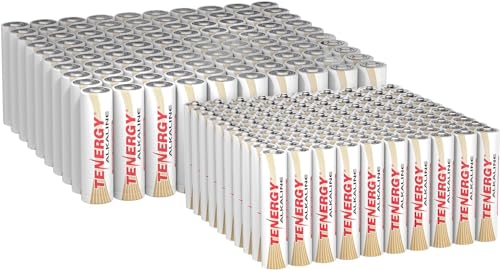
Tenergy 100xAA + 100xAAA Alkaline Batteries Bulk Pack
Most homes juggle a roughly even split between AA and AAA devices, and the Energizer Alkaline Power 64-count packs 32 of each. Alkaline chemistry is the workhorse format for low-drain gear like remote controls, thermometers, and wireless mice, so this combo covers those everyday swaps in one purchase.
Sealed against leaks and built for long storage life, the cells stay ready for the day a smoke detector starts chirping at midnight. If you want one bundle that handles the widest mix of household gear without forcing you to buy two separate packs, this one earns the spot.
A Strong Showing
- Even 32/32 split suits mixed-device homes
- Alkaline Power chemistry handles common low-drain gear
- Leak-resistant design protects expensive electronics
- Long shelf life makes emergency stashes practical
Things To Consider
- Alkaline cells wear out faster than rechargeables in game controllers and similar high-drain gear
- Bulk packaging can be harder to split for sharing with neighbors
Feature Snapshot
Built With In Mind
Households with a steady rotation of remotes, wireless mice, kitchen timers, and basic kids’ toys benefit most from the even AA/AAA split.
Look Elsewhere When
Choose the Eneloop Panasonic BK-3HCCA6BA Pro AA pack if you regularly drain batteries in high-demand gear like camera flashes or handheld game systems.
Rechargeables change the math on battery ownership, and the Eneloop Pro AA line targets the toughest cases. NiMH chemistry (nickel-metal hydride) holds more capacity than standard rechargeables, which matters in camera flashes, flashlights, and radio-controlled toys that sip power fast.
These ship pre-charged using solar power at the factory, so you can drop them straight into a device and start using them right away. With roughly 500 recharge cycles per cell, the upfront spend pays back quickly for anyone who would otherwise toss alkalines every few weeks.
Where It Helps
- High-capacity cells sustain power-hungry devices longer per charge
- 500 recharge cycles reduce long-term replacement costs
- Pre-charged at the factory, ready to use out of the package
- Eco-friendly alternative to single-use alkalines
Worth Noting
- Requires a separate NiMH charger, adding to the upfront cost
- Self-discharge over months means spares may need a top-up before use
- Six-pack size runs out fast if you use them in multiple devices at once
Made For
Photographers, gamers, and hobbyists running flash units, RC controllers, or VR peripherals where alkalines drain too quickly to stay practical.
A Better Fit Elsewhere
Grab the Energizer Alkaline Power 64-Count Variety Pack instead if you only need occasional cells for low-drain remotes and clocks.
The Coppertop name has anchored medicine cabinets for decades, and the 40-count AA bundle keeps that legacy going. Pairing a 24-pack with a 16-pack, the layout gives you flexibility to split storage between drawers or stash extras in a hallway closet.
Power Boost ingredients are baked into the cell to extend working life in the kind of mid-drain devices that surround you. TV remotes, gaming controllers, and flashlights all benefit, and the cells hold their charge through a decade of storage according to the manufacturer.
A Few Strong Suits
- Power Boost formula extends runtime in everyday devices
- Twelve-year storage guarantee means long emergency readiness
- 40-count bulk size reduces per-cell cost
- Split packaging lets you organize storage across rooms
Trade Offs
- AA-only format means you’ll need a separate purchase for AAA devices
- Alkaline cells run heavier than NiMH rechargeables in weight-sensitive gear
Best Suited To
Anyone whose household leans heavily on AA-powered gear and wants a single dependable brand for remotes, toys, and portable electronics.
Skip It When
Pick the Duracell Optimum AA + Coppertop AA/AAA 84-Count Combo Pack instead if you regularly swap both sizes and want premium output for demanding devices.
When output matters more than raw savings, the Duracell Optimum steps in with a heavier dose of Power Boost ingredients. The combo pairs 28 Optimum AA cells with 56 Coppertop AA/AAA cells, giving you a tiered stash for everything from demanding devices to basic swaps.
The resealable package keeps unused cells organized, which matters when you’re buying in bulk and storing them long-term. For households running smart speakers, motorized toys, or anything with a motor, the Optimum chemistry tends to hold voltage longer as the cell drains.
Benefits That Matter
- Optimum cells carry more Power Boost ingredients for higher output
- Mixed count covers AA-heavy and AAA-light households in one buy
- Resealable packaging keeps spare cells organized and protected
- Bulk quantity lowers the per-cell cost over time
Honest Caveats
- Larger upfront investment than smaller packs
- Ecommerce packaging may arrive without the traditional retail tray
Feature Snapshot
Right Fit For
Tech-heavy households with smart-home sensors, motorized gadgets, and a mix of AA and AAA devices where consistent output matters more than price.
Where Another Pick Suits Better
The Duracell Coppertop AA 40-Count makes more sense if you only need AAs and want to keep things simple without paying for the Optimum tier.
Batteries rolling around in a junk drawer are an underrated annoyance. The Tenergy storage case solves that with foam slots that separate each cell, preventing the positive and negative ends from touching and slowly discharging against each other.
Holding 24 AA, 24 AAA, 4 C, 4 D, and 4 9V cells, the case covers nearly every common household format. A built-in tester reads remaining charge on alkaline, NiMH, and NiCD (nickel-cadmium) cells, so you stop guessing whether the half-used battery in your drawer still has life.
Real Benefits
- Foam slots prevent contacts from discharging against each other
- Built-in tester works across alkaline, NiMH, and NiCD chemistries
- Extra pockets hold shrink-wrapped spares and button cells
- Lightweight build stays portable for trips or moving between rooms
Points To Keep In Mind
- Batteries sold separately, so this is a storage-only purchase
- Foam slots fit standard sizes, so very thick wrapped cells may not seat cleanly
At A Glance
Who Should Grab It
Anyone with a deep battery stash who wants to stop fishing through drawers and quickly test cells before tossing them in a device.
Swap It Out When
Pick the Tenergy 10-Pack Plastic Storage Cases if you prefer small, stackable cases you can toss in a bag rather than one large organizer.
For households where price per cell matters more than brand prestige, Tenergy offers a 48-pack of AA plus a 24-pack of AAA alkaline cells. The 2:1 ratio favors AA, which tracks with how most homes actually use batteries.
Anti-leak seals and date-coded freshness extend shelf life, so unopened cells stay ready for years. Operating range spans sub-freezing cold up through high-heat garage conditions, which helps if you keep spares in an unconditioned space.
The Good Stuff
- Lower cost per cell than premium brand-name packs
- Anti-leak seal design protects expensive devices
- Wide operating temperature range suits garages and outdoor storage
- 72 total cells cover multi-room households in one purchase
Points To Note
- Runtime in high-drain devices tends to lag behind premium alkaline brands
- 72-cell volume may be overkill for small apartments or singles
Perfect Match For
Budget-focused families who burn through batteries in toys, remotes, and clocks and prefer replacing cells cheaply over paying for premium branding.
Reach For A Different Pick When
The Tenergy 100xAA + 100xAAA Bulk Pack fits better for offices, classrooms, or shared spaces needing serious volume at the lowest per-cell cost.
Each case holds four AA or AAA cells, and the latches keep the ends from touching stray metal in a bag or glovebox. The modular design lets you connect cases together or split them across locations, which is the kind of flexibility a single big organizer can’t match.
Batteries are sold separately, so these work best as a complement to one of the bulk battery packs elsewhere on this list. Grab a few for the car, the workshop, and a travel bag, and you stop digging for cells at the worst moments.
Useful Strengths
- Compact size slips into drawers, bags, and glove compartments
- Connectable cases scale up as your collection grows
- Durable latch keeps cells secure during transport
Small Caveats
- Four-cell capacity means frequent refilling for heavy-use households
- Plastic construction can crack if dropped hard on concrete
- Doesn’t include a tester, unlike the larger Tenergy organizer
Whose Shelf It Belongs On
Campers, road-trippers, and anyone who wants to keep a small labeled reserve in multiple spots rather than one central drawer.
Not Your Match When
Choose the Tenergy Battery Organizer Storage Case with Tester for a single large home base that holds every size and includes a charge checker.
The 24/24 split here mirrors the Energizer variety pack but at a lower price point per cell. For households where AA and AAA devices split evenly, this combo delivers balanced coverage without the brand-name markup.
Sealed against leaks and rated for wide temperature use, these cells handle a garage workshop or outdoor sensor as well as a living-room remote. Date-coded freshness keeps the shelf life honest, so you can stock up without worrying about duds in a year.
The Helpful Details
- Even AA/AAA split avoids overbuying one size
- Anti-leak construction protects devices left unattended
- Mid-size 48-cell pack suits apartments and small homes
Room For Improvement
- Runtime in high-drain gear falls short of premium alkaline brands
- 48 cells may run out fast in households with several kids’ toys
Who Will Love This
Couples, roommates, and small households who want a balanced stash without committing to a 100-cell bulk pack they won’t use before the freshness date.
Consider Something Else When
The Energizer Alkaline Power 64-Count Variety Pack is the smarter move if brand familiarity and longer storage life matter more than per-cell savings.
200 total cells make this a serious commitment, but the math works out for the right situation. Schools, offices, shared living spaces, and homes packed with smart-home sensors chew through batteries faster than expected, and bulk pricing keeps the per-cell cost low.
The same anti-leak seal and date-coded freshness carry over from smaller Tenergy packs, so even the cells you won’t touch for two years should still perform. Storage becomes the real challenge, which is where the storage options higher on this list pair nicely.
Strengths Worth Knowing
- Lowest per-cell cost among the Tenergy options on this list
- 100/100 split handles any household device mix
- Sealed freshness supports multi-year storage without performance loss
A Few Limitations
- 200 cells demand dedicated storage space, which most drawers lack
- Alkaline cells still trail rechargeables on long-term cost for high-use gear
- Bulk packs ship in ecommerce boxes rather than retail-ready trays
Quick Facts
The Right Fit
Large families, classrooms, and small offices that want one purchase to cover months of mixed AA and AAA demand without reordering.
Another Choice May Suit
Pick the Tenergy 48xAA + 24xAAA Combo if your household needs a balanced stash but doesn’t burn through cells fast enough to justify 200 total.
Match Chemistry To Your Devices
Alkaline cells remain the standard for remotes, clocks, and low-drain sensors because they hold charge for years on the shelf. NiMH rechargeables win in anything with a motor, screen, or wireless signal because they sustain voltage as they drain and pay back the upfront cost over hundreds of cycles. Mixing both types across your stash avoids overpaying for capacity you won’t use.
Count Cells By Real Use, Not Guesswork
Audit your drawers before buying. Count active remotes, wireless mice, game controllers, and any device with a battery door. Households with mostly AA gear lean toward 2:1 combos, while apartments with smart sensors and small electronics may need closer to even AA/AAA splits. Bulk packs only pay off when your actual consumption matches the quantity.
Storage Matters More Than Most People Think
Loose cells rolling in a junk drawer can discharge against each other through contact. Foam-slotted organizers or latched cases prevent that slow drain and keep cells sorted by chemistry and remaining charge. A simple tester helps you rescue half-used cells instead of tossing them prematurely.
Plan For Temperature And Shelf Conditions
Garages, workshops, and outdoor enclosures expose cells to wider temperature swings. Anti-leak seals and date-coded freshness become important when cells sit unused across seasons. Storing batteries indoors in a dry spot extends their working life well beyond what’s printed on the box.
Mistakes Worth Dodging
Buying the biggest pack you see often leads to cells going stale before you use them. A 200-cell bundle only beats smaller packs if your household actually burns through batteries at that rate. The honest read is to match pack size to your real monthly consumption rather than the per-cell savings alone. Forgetting that not all chemistries behave the same is another common trap. Dropping alkalines into a high-drain camera flash and expecting them to keep up with NiMH rechargeables sets you up for disappointment.
Where The Extra Money Goes
Premium alkaline blends like Duracell Optimum use denser active ingredients to maintain voltage as the cell drains, which matters in motorized toys and smart-home devices that cut out when voltage dips. The upgrade pays off when your devices demand steady output, but for a bedroom clock, the extra cost per cell is hard to justify. Rechargeables cost more upfront, but each cell replaces hundreds of disposables, so the math flips in favor of rechargeables for anything you swap more than once every few weeks.
How long do AA and AAA alkaline batteries actually last in storage?
Most major alkaline brands rate their cells for up to a decade of shelf life when stored at room temperature in original packaging. Heat and humidity shorten that window significantly, so a climate-controlled closet beats a garage shelf.
Are rechargeable batteries worth the upfront cost?
High-drain devices like game controllers, camera flashes, and RC toys burn through alkalines fast enough that rechargeables pay back within a year for most users. For rarely used remotes or clocks, the upfront cost rarely justifies itself.
Can I mix different battery brands in the same device?
Mixing brands is generally fine as long as all cells are the same chemistry and roughly the same age. Mixing old and new cells in one device causes uneven drain, which shortens the life of the newer cells.
What is the difference between AA and AAA batteries?
Both deliver 1.5 volts, but AA cells are physically larger and hold more capacity. AA fits larger electronics like remote controls and wireless mice, while AAA suits compact devices such as TV streaming remotes and small flashlights.
How should I store loose batteries safely?
Keep cells in their original packaging or a slotted organizer so positive and negative ends never touch metal objects. A cool, dry location away from direct sunlight preserves capacity far longer than a hot garage or humid basement.
The right pick depends on what your devices actually demand. For most households juggling remotes and basic electronics, the Energizer or Duracell Coppertop options cover daily needs without complication. Power users running motorized gear benefit from the Optimum upgrade or the long-term math of Eneloop rechargeables. Add a slotted organizer and you’ll spend less time hunting for cells and more time using the devices that need them.