Households run on AA and AAA cells more than any other power source. From TV remotes and game controllers to wall clocks and flameless candles, that little cylinder quietly keeps your day moving. The hard part is choosing between bulk alkaline packs, premium cells, rechargeable NiMH (nickel-metal hydride) sets, and the small tester that sorts the dead ones from the merely drained.
This guide covers ten well-rounded picks across those categories. Some are built for convenience, others for long-term savings. There’s also a smart battery tester that earns its own place in any junk drawer.
The Lineup, Simplified

Energizer Alkaline Power AA and AAA Batteries 64 Count Variety Pack

Duracell Optimum AA 28 + Coppertop Combo 84 Count

Duracell x Messi Coppertop AAA Batteries 28 Count
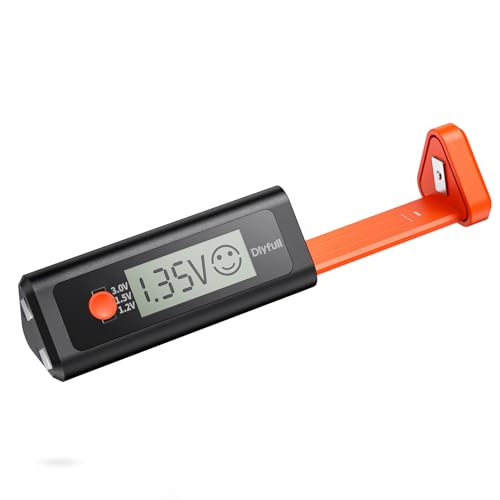
Dlypow Digital Battery Tester with Magnetic End LCD Display

BEVIGOR Rechargeable AAA Batteries with Charger 8 Pack 1100mAh

BEVIGOR AA Rechargeable Batteries with Charger 10-Pack 2800mAh

Dlypow Magnetic Battery Tester for AAA AA C D 9V
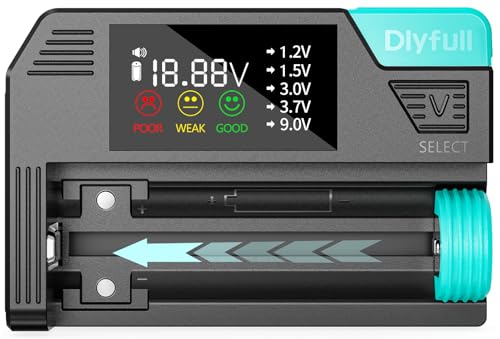
Dlypow Magnetic Battery Tester for AAA AA C D 9V Button Cell

BEVIGOR 8 Pack AA Rechargeable Batteries 2800mAh NiMH
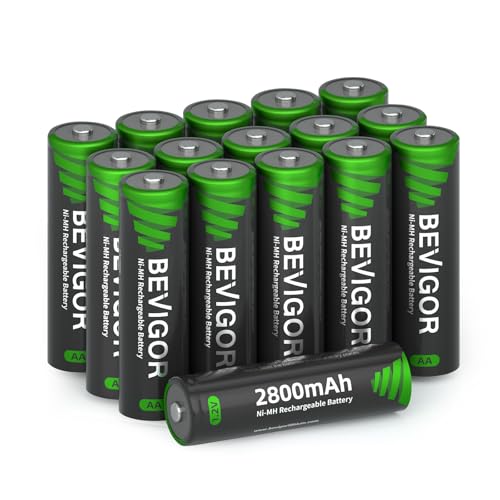
BEVIGOR AA Rechargeable Batteries 16 Pack 2800mAh Ni-MH
What Each Pick Brings To The Table
Most homes reach for both AA and AAA cells in the same week, so buying them separately usually means a second trip. This Energizer pack solves that by bundling 32 of each size into one box, which keeps your drawer stocked for remotes, wireless mice, thermometers, and flashlights without splitting orders.
Alkaline chemistry works well in low-drain gadgets (small electronics that sip power slowly) and still has enough punch for the occasional game controller. For typical mixed-device households, this combination pack hits a practical sweet spot between cost and coverage.
A Favorable Mix
- 32 AA and 32 AAA cells ship in one box, reducing shopping trips
- Alkaline Power (a long-lasting alkaline formulation) handles everyday devices like remotes and clocks reliably
- Built-in leak protection limits damage if a cell is left in a forgotten gadget
- Flexible enough to cover both slim remotes and chunkier toys
Things To Consider
- Alkaline cells drain faster than NiMH (nickel-metal hydride) rechargeables in high-drain devices (electronics that pull a lot of current quickly, like game controllers)
- Disposing of 64 single-use cells adds up over a year
Who It Suits Best
Mixed-device households that want a single pack to cover both AA and AAA needs without thinking about it.
Look Elsewhere When
Runners, gamers, and parents cycling through toys daily should consider the BEVIGOR AA Rechargeable Batteries with Charger 10-Pack 2800mAh instead.
The Optimum line uses Duracell’s Power Boost ingredients, a proprietary mix of cathode (positive terminal) and anode (negative terminal) materials designed to extend run time in demanding gadgets. Layered with a Coppertop AA and AAA combo, you end up with 84 cells ready for everything from VR controllers to wireless keyboards.
Compared to the Energizer variety pack, this combo leans toward performance rather than just capacity. For homes where battery life matters more than the lowest upfront cost, the higher-end alkaline formulation tends to feel worth it.
Everyday Advantages
- Optimum AA cells use 4X Power Boost ingredients versus standard Coppertop AA
- Resealable packaging keeps unused cells organized and protected
- Mix of AA and AAA covers remote, toy, and personal care device needs
- Designed for both low and moderate-drain gadgets
- Strong fit for high-drain electronics that chew through standard alkalines
Trade Offs
- Larger upfront purchase than smaller variety packs
- Still single-use alkaline, so long-term cost favors rechargeables
- Some users find the box weight and storage footprint heavier than expected
Quick Facts
Made For
High-drain device households with VR controllers, gamepads, and motorized toys running through batteries fast.
Consider Something Else When
Shoppers committed to cutting single-use waste should look at the BEVIGOR AA Rechargeable Batteries 16 Pack 2800mAh for a reusable solution.
AAA cells quietly do the most work in slim devices like TV remotes, flameless candles, and small electronics. This Duracell pack delivers 28 Coppertop AAA cells with Power Boost ingredients, the same core formula used across the Coppertop family.
For most homes, AAA demand is steady rather than dramatic, and this pack covers that rhythm without forcing a mixed-size purchase. Where it sits next to the Energizer variety pack, this one focuses purely on AAA quality over breadth.
What Earns Its Place
- Power Boost ingredients extend run time in slim electronics
- 28-cell count suits AAA-heavy homes running multiple remotes
- Designed for low and moderate-drain gadgets
- 12-year storage guarantee (manufacturer-stated) means backup cells stay usable
Worth Noting
- Does not include AA cells, so you may need a separate pack for larger devices
- Limited-edition packaging may rotate over time
Best Suited To
Households with several AAA-powered remotes, flameless candles, or personal care gadgets that cycle through cells regularly.
A Better Fit Elsewhere
Anyone needing both AA and AAA should pick the Energizer Alkaline Power Variety Pack instead for one-stop coverage.
Half the “dead” batteries in any junk drawer still have life left, and tossing them early wastes money. This Dlypow digital tester sorts the truly drained cells from the merely low ones using a clear LCD readout, no app or Bluetooth required.
The magnetic hold keeps each cell steady against the contacts, which improves contact quality versus testers you have to balance in your hand. For mixed household batteries, this single tool covers a wide range.
What It Does Well
- Compatible with AA, AAA, C, D, 9V, plus common button cells like CR2032 (a flat, coin-shaped 3V lithium cell used in watches and remotes)
- Tests 1.2V rechargeable NiMH and NiCD (nickel-cadmium) cells, not just single-use alkalines
- Magnetic tip keeps the cell aligned for stable readings
- Compact size fits in a drawer or tool kit
Points To Note
- LCD can be hard to read in dim lighting
- Button cell slot requires careful alignment for accurate results
Feature Snapshot
Right Fit For
Anyone with a junk drawer full of mixed batteries who wants to sort good from bad before tossing or recharging.
Skip It When
Shoppers who prefer a simple analog gauge should look at the Dlypow Magnetic Battery Tester for AAA AA C D 9V instead.
Rechargeable AAA cells make sense for any home running a fleet of slim remotes, smart sensors, or flameless candles. This BEVIGOR kit ships with eight 1100mAh (milliamp-hour, a measure of how much charge a battery can hold) NiMH cells and a multi-bay charger that handles both AA and AAA at once.
The low self-discharge design, meaning the cells lose charge slowly when sitting idle, holds 80 percent capacity after three years in storage. For most households, that’s enough to keep backup cells ready without constant recharging.
The Helpful Details
- Low self-discharge keeps 80 percent capacity after 3 years of storage
- Up to 1500 recharge cycles per cell
- Smart charger accepts NiMH and NiCD (older rechargeable chemistry) AA and AAA cells in mixed loads
- Eight isolated charging bays prevent weak cells from dragging down stronger ones
- LED indicators show charging status at a glance
Room For Improvement
- 1100mAh rating is on the modest side for power-hungry gadgets
- Charger unit is bulkier than a basic two-bay wall plug
Perfect Match For
AAA-heavy smart home households using motion sensors, remote controls, and small electronics that benefit from reusable power.
Swap It Out When
Gamers and high-drain AA users should reach for the BEVIGOR AA Rechargeable Batteries with Charger 10-Pack 2800mAh instead.
Game controllers and motorized toys drain alkalines fast, and the replacement cost adds up quickly. This BEVIGOR set pairs ten 2800mAh NiMH AA cells with a multi-bay smart charger, so a freshly topped-up set is always ready to swap in.
Compared to the smaller BEVIGOR AAA kit, this one leans toward higher capacity rather than compact size. For power-hungry AA devices, the larger mAh rating extends runtime noticeably per charge.
Advantages To Know
- 2800mAh capacity suited for high-drain AA devices
- Up to 1500 recharge cycles reduce long-term waste
- Smart charger handles mixed NiMH and NiCD cells in any combination
- Independent charging bays prevent weak cells from dragging down strong ones
- LED indicators show charging status at a glance
Points To Keep In Mind
- AA-only kit, so AAA households will still need a separate pack
- Charger footprint takes up noticeable shelf or desk space
Key Product Details
Whose Shelf It Belongs On
Game controller households, parents of motorized toy fans, and remote-control hobbyists needing steady AA power on tap.
Another Choice May Suit
Shoppers wanting fewer cells at a lower entry cost should consider the BEVIGOR 8 Pack AA Rechargeable Batteries 2800mAh NiMH for a slimmer rechargeable start.
Some testers overcomplicate the job with menus and apps. This Dlypow unit keeps things basic: drop the cell on the magnetic tip and read the analog gauge (a needle-based display that swings to indicate charge level) in seconds. No batteries required to power the tester itself.
For quick sorting at home, the simplicity is the feature. Where the digital Dlypow tester shows exact voltage, this one leans toward speed and ease.
Real Benefits
- Magnetic tip holds the cell in the ideal position for stable contact
- One-step operation needs no setup or menu
- Covers AA, AAA, C, D, 9V, and common button cells
- Compact enough for a kitchen drawer or junk drawer
Soft Spots
- Analog readout shows approximate condition, not exact voltage
- Small button cells may need careful alignment
Built With In Mind
Anyone who wants a fast, no-fuss battery tester that runs without its own power source.
Reach For A Different Pick When
Tech hobbyists needing precise voltage readings should choose the Dlypow Digital Battery Tester with Magnetic End LCD Display.
Households now juggle alkaline, NiMH, lithium, and coin cells all in the same drawer. This Dlypow tester handles them all through one SELECT button, then displays voltage and a status indicator on an LCD screen.
It covers more chemistries than the simpler analog tester, which makes it useful for anyone also dealing with rechargeable 18650 cells (a cylindrical lithium-ion cell commonly used in flashlights and vape devices) or other specialty sizes. Setup takes an extra step but the wider coverage is worth it for some.
Practical Pluses
- Compatible with 1.2V NiMH/NiCD, 1.5V alkaline, 3.0V lithium, 3.7V Li-ion (lithium-ion rechargeable), and 9V batteries
- Tests AA, AAA, C, D, 9V, plus coin cells like CR2032 and CR2450
- Three-step operation: select voltage range, insert cell, read LCD
- Universal design replaces several single-purpose testers
- Magnetic tip helps align cells for consistent contact
Things To Weigh
- Requires selecting the correct voltage range before testing, which adds a step
- Polarity (the positive/negative orientation of a battery) matters; reversed cells give false readings
Technical Highlights
The Right Fit
Households mixing rechargeables, coin cells, and specialty lithium batteries who want one tester to cover everything.
Not Your Match When
Anyone wanting a one-step analog tester should pick the Dlypow Magnetic Battery Tester for AAA AA C D 9V Buttons for a simpler workflow.
Sometimes you don’t need a charger in the bundle; you already own one. This BEVIGOR pack delivers eight 2800mAh NiMH AA cells with up to 1500 recharge cycles per cell and low self-discharge chemistry.
The 80 percent capacity retention after three years of storage means backup cells stay useful without babysitting. For households buying rechargeables to round out an existing charging setup, this is a focused eight-cell bundle without extras.
Standout Benefits
- 2800mAh capacity delivers longer runtime than lower-rated NiMH cells
- Up to 1500 recharge cycles support years of reusable power
- Low self-discharge keeps cells ready after long storage
- Eight-cell count suits small to mid-size device families
A Few Limitations
- Charger sold separately
- Eight cells may run short for households with many AA devices
Who Should Grab It
Existing BEVIGOR or compatible charger owners who just need fresh rechargeable AA cells to top off their rotation.
Where Another Pick Suits Better
First-time rechargeable shoppers should pick the BEVIGOR AA Rechargeable Batteries with Charger 10-Pack 2800mAh to get the charger included.
Large families and shared spaces go through AA cells faster than expected. This BEVIGOR bundle ships 16 cells at 2800mAh each, all with low self-discharge chemistry, so a single purchase covers months of typical household rotation.
The cycle rating matches the smaller BEVIGOR packs, but the larger count spreads charging across two devices at once. It assumes you already have a multi-bay charger, since this is a cell-only bundle.
Where It Helps
- Sixteen 2800mAh NiMH cells share runtime across multiple devices
- Up to 1500 recharge cycles per cell for long-term reuse
- Low self-discharge holds 80 percent capacity after 3 years idle
- Bulk format reduces how often you need to reorder
- Cells support NiMH and NiCD chargers
Honest Caveats
- No charger included, so you need a compatible unit on hand
- Larger pack increases storage space needs
- Cell quality can vary slightly between batches
Who It Suits Best
Family or shared-space households with multiple AA devices and an existing multi-bay charger.
Not Your Match When
Beginners to rechargeables should start with the BEVIGOR AA Rechargeable Batteries with Charger 10-Pack 2800mAh for an all-in-one kit.
What To Weigh Before Choosing Aa Aaa Battery
Single-Use Alkaline Vs Rechargeable NiMH
Alkaline cells are convenient and cheap up front, but they generate waste and lose charge sitting in a drawer for years. NiMH rechargeables cost more initially yet pay back over hundreds of cycles, especially in high-drain devices like game controllers.
Most households benefit from a mix: rechargeables for anything that cycles through cells weekly, alkalines for low-drain devices like smoke detectors and remote controls. The Dlypow Digital Battery Tester helps decide which old cells still deserve a second life.
Capacity Ratings In Real Terms
An mAh rating, short for milliamp-hour, tells you how much charge a battery holds. A 2800mAh AA cell outlasts a 1500mAh cell in the same gadget, though actual runtime depends on the device’s power draw. For high-drain electronics like motorized toys, the higher number makes a noticeable difference per charge.
Self-Discharge And Storage Life
Standard NiMH cells can lose 20 percent of their charge within the first month. Low self-discharge cells hold closer to 80 percent after three years of idle storage. For backup batteries that sit unused for long stretches, that chemistry difference matters more than peak capacity.
Tester Compatibility With Your Drawer
Not every tester handles every chemistry. A unit that covers only alkaline will give false readings on rechargeable NiMH or lithium coin cells. Shoppers with mixed batteries should pick a tester rated for the specific chemistries they actually own.
Key Considerations Across These Picks
Common Shopping Slip Ups
The biggest mistake is buying by price-per-pack without checking the chemistry. A bulk alkaline pack looks cheap, but rechargeables often beat it on total cost within a year for high-drain households. The second mistake is mixing battery chemistries inside the same device, which can cause leakage or weak performance.
Where The Extra Money Goes
Premium alkaline lines like Duracell Optimum add Power Boost ingredients that extend runtime in demanding gadgets. For low-drain remotes, the extra cost rarely shows up in daily use. Where it does pay off is in motorized toys, game controllers, and any device that drains standard alkalines in days rather than months.
Frequently Asked Questions
How Long Do AA And AAA Batteries Last In Storage?
Alkaline cells typically hold usable charge for up to a decade when stored properly. Low self-discharge NiMH cells hold around 80 percent capacity after three years of storage.
Can You Mix Battery Brands Inside The Same Device?
Mixing brands is technically possible but mixing chemistries, capacities, or age levels can cause leakage or weak performance. Stick to matched cells from the same pack when possible.
Are Rechargeable Batteries Worth The Higher Upfront Cost?
For high-drain devices used frequently, NiMH rechargeables usually pay back within a year. For low-drain remotes that run for months on one set, alkaline remains the simpler choice.
How Do You Know When A Battery Is Truly Dead?
A battery tester like the Dlypow Digital or Magnetic models reads the remaining voltage. Cells sitting below 1.0V under load usually belong in the recycling bin rather than the device.
Do Battery Testers Need Their Own Power Source?
Most analog testers draw power from the cell being tested and need no separate battery. Some digital testers may include a small internal cell that occasionally needs replacement.
The Takeaway
A reliable AA and AAA setup comes down to matching chemistry to device. Bulk alkaline packs like the Energizer variety or Duracell combo cover everyday low-drain gadgets without much fuss. Rechargeable kits from BEVIGOR pay off for high-drain households that cycle through cells weekly. Adding a Dlypow tester closes the loop by sorting the good from the truly drained. Pick the path that fits how you actually use batteries, and your drawer stays stocked without the waste.