That 3 a.m. chirp from a dying smoke alarm is one of those small home frustrations nobody wants to deal with. A fresh 9V cell on the shelf stops the midnight beeping before it starts, and the right pick keeps every detector in the house quiet for months. This list rounds up eight alkaline options worth stocking, covering everything from a couple of spare cells to multi-year bulk packs.
Your Options, Compared

Duracell CopperTop 9V Batteries, 4-Pack
Energizer MAX 9V Alkaline Batteries, 4-Count (2-Pack)

Duracell Coppertop 9V Long-Lasting Alkaline Battery

DURNERGY 9V Alkaline Batteries, 24-Pack

DURNERGY 9V Batteries, 8-Pack with 10-Year Shelf

PKCELL 9V Carbon Zinc Batteries, 10-Pack

DURNERGY 9V Batteries, 12-Pack, 10-Year Shelf Life

PKCELL 9V Carbon Zinc Batteries, 2-Pack
More Details On Our Top Picks
For most households with a single smoke detector or two, the Duracell CopperTop 9V 4-Pack covers the basics without committing to a giant bulk buy. The familiar copper-and-black label shows up in hardware store aisles everywhere, and that visibility translates into a cell that’s easy to grab when the first chirp hits at midnight.
Alkaline chemistry here is the standard 9V format, so it slips into combination CO/smoke units and standalone ionization alarms alike. If you only need to swap one or two cells a year, this pack keeps the spares drawer organized without paying for extras you won’t use.
What Pays Off
- Widely available format that fits every common household detector
- Four-cell pack leaves room for an immediate spare after each swap
- Compact packaging stores easily in a utility drawer or closet shelf
- Standard alkaline chemistry works in clocks, multimeters, and small toys too
Points To Note
- Smaller pack size means more frequent repurchase for multi-detector homes
- Alkaline cells can eventually leak if left installed past their useful life, so swapping on schedule matters
Built With In Mind
A homeowner with one or two detectors who values a familiar brand and wants a tidy four-pack for the junk drawer.
Look Elsewhere When
The DURNERGY 9V Batteries, 24-Pack suits larger homes with several detectors spread across multiple rooms, where stocking up once beats repeated trips.
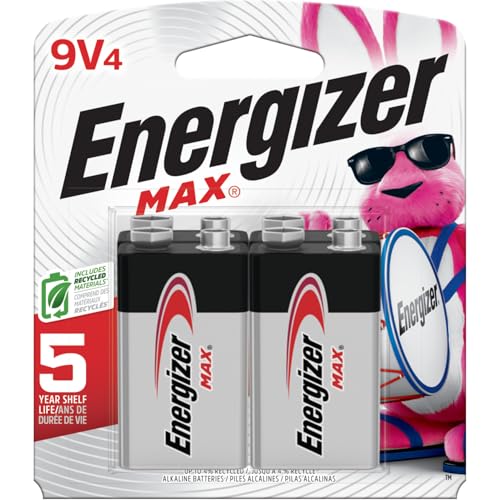
The Energizer MAX 9V offering arrives as two four-count packs, which doubles as insurance against opening one and forgetting where the spares went. Eight total cells give a family enough breathing room to swap every detector in the house at once and still keep a few in reserve.
Alkaline MAX chemistry aims at low-drain, always-on safety devices. Smoke detectors draw a small, steady current while idle, then spike during test pulses, and this format handles that pattern without complaint. Compared to the four-pack from Duracell earlier, the Energizer option simply multiplies that same convenience for homes with more ceiling units.
The Upside
- Two inner packs make it easy to stash cells in more than one location
- Alkaline format holds charge in storage so spares stay ready for years
- Suits smoke detectors, garage alarms, and carbon monoxide units alike
- Brand recognition helps when matching manufacturer date guidelines
Trade Offs
- Eight total cells may be more than a small apartment really needs
- Alkaline cells can occasionally vent if left in a hot attic-mounted detector past their service window
Quick Facts
Best Suited To
A household with several interconnected smoke or CO alarms who wants to replace them all at once and keep a buffer of spares.
Skip It When
The PKCELL 9V Carbon Zinc Batteries, 2-Pack fits a renter with a single bedroom detector far better, since oversupply ends up sitting in a drawer past its freshness date.
This single-cell Duracell Coppertop 9V leans into the “one battery, many devices” framing, and that flexibility is its real selling point. You can pull it from a smoke alarm drawer and drop it straight into a guitar pedal, a multimeter, or a kitchen radio without thinking twice.
For shoppers who don’t want to commit to a multi-pack and just need a single replacement right now, this format keeps waste low. The earlier four-pack suits bulk stockpiling, but if your detectors test fine and only one chirped, grabbing a solitary cell makes more sense.
Real-World Strengths
- Single-cell pack suits one-off replacements without leftover waste
- General-purpose alkaline works in toys, remotes, and portable electronics
- Storage-stable chemistry means the cell stays ready on a shelf for years
- Widely recognized label reduces guesswork at the hardware aisle
Some Limits To Know
- Per-cell value runs higher than the four-pack or larger bulk options
- Alkaline output drops steadily in cold garages or unheated attics, which can shorten effective life
Right Fit For
A homeowner who only needs to replace a single battery today and prefers to skip the commitment of a bigger pack.
Consider Something Else When
The DURNERGY 9V Batteries, 12-Pack, 10-Year Shelf Life is the smarter grab for anyone planning to re-cell a whole network of detectors this season.
Twenty-four cells is a serious commitment, and the DURNERGY 24-Pack makes the most sense when a home is dotted with detectors from attic to basement. The value math shifts dramatically once you cross about a dozen ceiling units, because buying singles at retail adds up fast.
Each cell uses standard alkaline chemistry in the familiar 6LR61 layout, so compatibility worries fade. The steel shell and tight sealing target leak resistance, which matters when a battery might sit untouched in a ceiling-mounted alarm for years before it’s actually needed.
A Strong Showing
- Bulk count brings the per-cell cost way down for whole-home replacement
- Steel-jacketed cells help reduce the risk of corrosion inside delicate detector bays
- Alkaline format covers smoke alarms, guitar pedals, and microphones in one pack
- Spare cells can sit in a closet for the next several replacement cycles
Where It May Fall Short
- Twenty-four cells is overkill for apartments with a single bedroom alarm
- Larger boxes demand a dedicated storage spot, since loose cells get lost easily in junk drawers
Feature Snapshot
Who Will Love This
A multi-level homeowner with a full network of interconnected smoke and CO alarms who wants to handle every swap for years to come in one order.
Swap It Out When
The PKCELL 9V Carbon Zinc Batteries, 10-Pack fits a smaller property better, especially when fewer than ten total detectors are involved.
The 8-pack from DURNERGY hits a middle ground that a lot of households actually need: enough cells to handle a few detectors today, plus a reserve that won’t expire before the next round of chirping. It’s the kind of pack you toss in a kitchen drawer and forget about until the next test-button check fails.
Alkaline 6LR61 construction covers the basics, and the marketing leans hard into smoke alarms, guitar pedals, and microphones, which tells you the brand expects these to live a dual life in the average home. Compared to the bulk 24-pack earlier, this option keeps the storage footprint reasonable without leaving you short.
Useful Touches
- Eight-cell count strikes a sensible balance between cost and oversupply
- Alkaline format fits detectors plus common audio gear
- Cells store cleanly in the included packaging until needed
- Easy to share with a neighbor when one of their alarms starts chirping
Practical Considerations
- Smaller bulk count means per-cell savings are modest compared to the 24-pack
- Alkaline cells lose steam faster than lithium in extremely cold unheated spaces
Made For
A typical family home with three to six ceiling detectors who wants enough spares without dedicating a whole shelf to batteries.
Another Choice May Suit
The DURNERGY 9V Batteries, 12-Pack, 10-Year Shelf Life is a smarter pick for households planning to outfit a basement or finished attic in the near future.
PKCELL’s 10-pack leans into a single use case: smoke detectors and dedicated safety alarms. Carbon zinc chemistry is a different recipe than the alkaline cells dominating the rest of this list, and it suits low-drain devices that sip power around the clock.
For homeowners who want their replacement battery to match the actual job, this specialized focus takes the guesswork out. It’s the difference between a generic tool and a purpose-built one, and that distinction matters when the alarm has to function at 2 a.m. on a winter night.
Standout Benefits
- Carbon zinc chemistry is well-matched to constant low-drain detector use
- Ten-cell count handles a typical home plus future swaps
- Targeted marketing toward safety devices reduces feature confusion
- Cells arrive in storage-friendly packaging that fits small closets
Things To Weigh
- Carbon zinc cells don’t last as long as alkaline in higher-drain devices like active guitar pedals
- Specialized chemistry means swapping between audio gear and detectors is less seamless
Key Specs
Whose Shelf It Belongs On
A homeowner whose main concern is replacing smoke and CO alarms without paying for chemistry they don’t need.
Reach For A Different Pick When
The Energizer MAX 9V Alkaline Batteries, 4-Count (2-Pack) covers shared use across detectors and other household electronics more flexibly.
The 12-pack version from DURNERGY lands squarely in the sweet spot for medium-sized homes with a real detector network. Twelve cells handle a six-room swap with room left for the two cells you’ll inevitably discover next time you climb a ladder.
Alkaline chemistry and the familiar 6LR61 shape keep compatibility broad, covering everything from ceiling alarms to guitar pedals on a music night. Compared to the larger 24-pack reviewed earlier, this size is friendlier to a closet shelf and easier to finish before the freshness window passes.
Positive Takeaways
- Twelve-cell count balances bulk savings with realistic shelf turnover
- Alkaline format handles smoke detectors and audio gear in one pack
- Standard rectangular 9V shape fits every common household device
- Packaging keeps loose cells organized until they’re needed
Less Ideal Details
- Per-cell savings trail the larger 24-pack from the same brand
- Alkaline cells lose meaningful capacity below freezing in detached garages
Perfect Match For
A family with a medium-sized home and a real mix of detectors across multiple rooms who wants one solid order to cover the next replacement cycle.
Not Your Match When
The Duracell CopperTop 9V Batteries, 4-Pack is a smarter fit for someone who only runs one or two alarms and prefers brand-name familiarity.
The PKCELL 2-pack is the smallest option on this list, and that modest size is its biggest selling point. Renters, dorm rooms, and small apartments often have exactly one or two ceiling detectors, and a two-cell pack handles that without a drawer full of extras that expire before they get used.
Carbon zinc chemistry keeps costs down for a small replacement, which matters when the detector chirps the week before rent is due. Compared to the larger PKCELL 10-pack reviewed earlier, this version trades volume for affordability and shelf space.
What Helps Most
- Two-cell pack fits tight budgets and small living spaces
- Carbon zinc chemistry suits always-on low-drain alarms
- Small package stores neatly in a hallway closet or kitchen junk drawer
- Easy to toss in a bag when heading to help a parent or roommate with their own chirping alarm
Honest Caveats
- Only two cells means a second visit to the store if more than one alarm chirps at once
- Carbon zinc output is shorter than alkaline in any high-drain device like a frequently used guitar pedal
Who Should Grab It
A renter or small-apartment dweller with one or two smoke alarms who needs a quick, affordable replacement without bulk commitment.
A Better Fit Elsewhere
The DURNERGY 9V Batteries, 8-Pack with 10-Year Shelf suits a new homeowner outfitting a freshly purchased property with multiple detectors.
Picking The Right 9V Cell For Your Home
Match The Battery Count To Your Detector Network
The smartest starting point is counting every 9V-powered device already installed: ceiling smoke alarms, plug-in carbon monoxide units, combination detectors in hallways, and any standalone garage alarms. Homes with under five total devices usually do fine with a 4-pack or 8-pack, while properties with a dozen or more benefit from a 12 or 24-cell bulk option. Buying too few invites a late-night run to the store, and buying too many leaves cells sitting past their useful window.
Alkaline Versus Carbon Zinc Chemistry
Alkaline 9V cells are the most common format and a sensible default for mixed-use households that pull cells between detectors and audio gear or toys. Carbon zinc cells cost less per unit and handle the constant low current of always-on smoke alarms perfectly well, though they fade faster in higher-drain devices. The honest read is that either chemistry covers the smoke detector job, and the choice usually comes down to whether the cells will be shared with other electronics.
Plan For Storage And Replacement Cycles
Most 9V alkaline cells hold usable charge for several years in a closet, which means spares don’t need constant rotation. Still, marking the purchase date on the pack with a marker helps you rotate stock before the oldest cells lose freshness. Carbon zinc has a shorter storage window, so smaller packs purchased closer to replacement day keep the supply fresh.
Consider Your Climate And Detector Location
Detectors mounted in unheated attics, cold garages, or exterior-facing hallways experience temperature swings that affect any battery. Alkaline cells hold up reasonably well indoors, but extreme cold shortens effective life in any chemistry. If a detector sits in a tough spot, plan for slightly more frequent swaps and keep an extra cell or two within easy reach.
What Most Shoppers Overlook About 9V Batteries
Pitfalls Shoppers Hit
A common misstep is grabbing whatever 9V sits on the shelf without checking the freshness date printed on the package, since older stock loses capacity even before installation. Another slip is buying a single cell when a pack costs nearly the same per unit and leaves no spare for the inevitable next chirp. Mixing fresh and old cells in the same detector can also shorten total service life, so rotating spares as a set avoids that uneven drain.
The Upgrade Payoff
Moving from a tiny 2-pack to a mid-size 8 or 12-pack doesn’t change the battery technology itself, but it changes the ownership experience in a real way. Bulk cells cut down on emergency store trips, keep the spare drawer organized, and reduce per-cell cost meaningfully. For households with several detectors, the upgrade is less about performance and more about never getting caught off guard at 3 a.m. with no replacement on hand.
Frequently Asked Questions
How Long Does A 9V Battery Last In A Smoke Detector?
Most alkaline 9V cells power a standard smoke alarm for roughly six to twelve months before the low-battery chirp starts. Carbon zinc cells often run a similar window in low-drain detectors, though high-drain models may shorten that timeline.
Can You Use Rechargeable 9V Batteries In A Smoke Alarm?
Many manufacturers recommend sticking with disposable alkaline or carbon zinc cells because rechargeable 9V batteries can drop voltage suddenly, which some detectors interpret as a low-battery condition. Check the alarm’s documentation before considering any rechargeable option.
How Do You Know When A 9V Battery Needs Replacing?
Most modern smoke alarms chirp at regular intervals when the battery drops below a usable threshold, and pressing the test button no longer produces a strong alarm sound. Some detectors also blink a colored LED to signal a weak cell without the chirp.
Is It Safe To Mix Battery Brands In The Same Detector?
Mixing brands in a single detector is generally fine, though using two cells from the same package and same age ensures matched voltage and discharge behavior. Mismatched cells can leave one cell working harder than the other, which sometimes shortens total service life.
Where Should You Store Spare 9V Batteries?
A cool, dry location away from direct sunlight and metal objects is the standard recommendation, since loose cells can short if both terminals touch conductive material at once. A plastic storage bin or original packaging keeps the terminals covered until you’re ready to swap.
Wrap Up
The best 9V battery for your home is really about matching cell count and chemistry to the number of detectors you actually maintain, then keeping a few spares within easy reach. Any of the eight options above will keep alarms chirp-free for their rated window, and the right choice comes down to your home’s footprint and your appetite for stocking up. Pick the pack that fits your detector count, mark the date on the side, and the next midnight chirp becomes a five-minute swap instead of an urgent store run.