A drawer full of dead coin cells is a familiar kind of chaos. The right 3v lithium battery quietly runs the AirTag on your keys, the remote in the living room, the thermometer in the medicine cabinet, and the rangefinder on a weekend hike. Picking the right chemistry and form factor means fewer swap-outs, safer households with kids around, and gear that just works the moment you need it.
A Quick View Of The Lineup

Duracell 2032 Lithium Battery, 9 Count, CR2032 3V Cell

PHILIPS CR2032 Battery (5 Pack), 3V Lithium Coin Cell
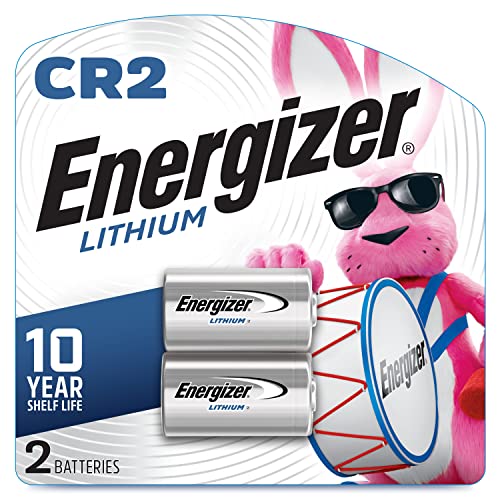
Energizer CR2 Lithium Batteries (2 Pack), 3V Photo Battery

Energizer 2032 Batteries (6 Pack), 3V Lithium Coin Batteries

Duracell DL1/3N CR1/3N 3V Lithium Battery 3 Pack
PHILIPS CR2450 3V Lithium Battery, 5 Count CR 2450 Battery

Duracell CR123A 3V Lithium Battery, 2 Count, Long-lasting
PHILIPS CR2025 3V Lithium Coin Battery (5-Pack)
More On The Choices That Made The List
You probably have a half-dozen devices scattered around the home that all call for the same small silver disc: the CR2032 coin cell, a 3-volt lithium button battery about the size of a dime. The Duracell 2032 9-pack targets that exact moment when a fitness tracker dies mid-run or a key fob stops talking to the car.
What separates this pack from the typical multi-pack is the bitter taste coating applied to both sides of each cell. The coating is non-toxic but unpleasant, designed to discourage a curious toddler from swallowing a loose battery. In a household with small children, that single design choice matters more than a few extra years of shelf life, and it is the kind of detail you wish more brands copied.
Strong Points
- Bitter coating on both sides adds a real safety layer for homes with kids, pets, or anyone prone to putting small objects in their mouth.
- Count of nine cells means a long runway for AirTags, key fobs, kitchen scales, and remote controls without reordering constantly.
- Standard CR2032 form factor is the most common 3v coin cell, so compatibility is rarely a question across mainstream electronics.
- Lithium chemistry holds voltage more steadily than alkaline alternatives, which matters for low-drain devices that need a steady signal.
Things To Consider
- Higher per-cell price than bare-budget imports, so heavy spares-builders may want to weigh the safety coating against cost.
- Like most coin cells, these should be stored in original packaging until use to keep the bitter coating intact and prevent shorting against loose change.
Who It Suits Best
Families with small children who run a busy mix of AirTags, key fobs, and household remotes, and who want one drawer-stash that covers most of the CR2032 devices in the home.
Consider Something Else When
Shoppers who need a harder-to-find form factor like CR2450 or CR2 should reach for the PHILIPS CR2450 3V Lithium Battery 5 Count instead, since that size fits fatter car keys and medical-device slots.
The PHILIPS CR2032 5-pack takes a different approach to household safety, attacking the ingestion problem at the packaging layer rather than the cell itself. You genuinely need scissors to get into the blister card, which makes it harder for a toddler to open and far harder for anyone to swallow a cell they cannot reach.
For parents who already own a junk drawer full of half-opened battery packs, the lock-down packaging is the main event. The cells themselves are standard CR2032 lithium coin batteries designed for low-drain electronics like watches, car fobs, glucometers, and small remote controls, and they hold a steady 3V output across a long shelf life.
What Makes Sense
- Child-resistant packaging requires scissors to open, which meets recognized safety packaging standards and slows curious hands.
- Lithium chemistry holds a stable 3V, so devices with strict voltage thresholds (some medical and monitoring gear) tend to read the cells accurately until the end of life.
- Five-cell count fits a smaller household without paying for extras that might expire in the back of a drawer.
Worth Noting
- Scissors-required packaging is less convenient for a quick single-cell swap, especially in a dim hallway or a cramped car interior.
- No bitter coating on the cell surface itself, so a coin that escapes the pack still carries ingestion risk in pet households.
Made For
Parents and pet owners who keep spare coin cells within reach of small hands and paws, and who would rather wrestle with scissors once than worry about a stray cell on the floor.
Look Elsewhere When
Anyone who changes CR2032s frequently on the go (think field photographers or on-call technicians) may prefer the Duracell 2032 9 Count with its easier tear-pack and bitter coating on the cell itself.
The CR2 cell looks like a stubby AAA in lipstick form, and it powers an entirely different class of devices than the CR2032 picks earlier in this list. You will find CR2s in select digital cameras, laser rangefinders for hunting and golf, high-end flash units, and some home-security motion sensors.
Energizer’s CR2 2-pack is purpose-built for those high-drain photo and optics applications. The cells deliver a 3V output that holds up under the brief, intense pulses that a flash capacitor demands, and they have been a go-to choice in camera bags for years.
Reasons It Performs
- Lithium chemistry supports the high current bursts that flashes, rangefinders, and some motion sensors pull in a fraction of a second.
- Long shelf life means a pair of spares in a camera bag stays usable across multiple shooting seasons.
- Two-cell pack matches the way most camera bodies consume them, so you are not paying for extras that will expire.
Points To Note
- Not interchangeable with the more common CR123A or CR2032, so make sure your device actually calls for CR2 before ordering.
Best Suited To
Outdoor shooters, golfers, and homeowners with security gear that specifically calls out CR2 cells, who want spares that will not leak inside a rangefinder sitting in a hot car.
Not Your Match When
Households stocked up on CR2032s for AirTags and remotes should look at the Energizer 2032 Batteries 6 Pack instead, which covers the much more common 2032 form factor.
The Energizer 2032 6-pack is the kind of bulk buy that quietly ends the “where is the spare battery” scavenger hunt. Six cells cover a year of normal household use across AirTags, watches, keyless entry pads, garage-door remotes, and small toys, all in one carded pack.
Energizer builds these with a 3-in-1 child shield that combines a bitter coating, a tougher pack design, and color-coded packaging to discourage casual handling. The CR2032 format is the same 3V lithium coin cell that runs the bulk of low-drain home electronics, so compatibility is rarely an issue.
Standout Benefits
- Six-cell count is a practical middle ground between a two-pack and a nine-pack, fitting households that cycle through cells without overbuying.
- 3V lithium output suits medical devices like glucose monitors, where a stable voltage is more important than raw capacity.
- Multi-layer child-deterrent design is a meaningful upgrade over generic coin cells that ship in easy-to-tear cards.
Minor Gripes
- Carded packaging is harder to reseal once opened, so storing spares in a small jar or coin purse is a common workaround.
Who Will Love This
Anyone maintaining multiple AirTags, watches, and fobs who wants a brand-name cell that holds voltage across long idle stretches without paying for the full Duracell 9-count price.
Skip It When
Shoppers focused on the strongest child-safety story should compare the Duracell 2032 9 Count, which adds the bitter coating on the cell itself for a more layered defense.
Most shoppers will never need this pack, and that is exactly the point. The Duracell DL1/3N CR1/3N 3V Lithium Battery is built for a narrow category of professional and medical instruments, including the tonometers used in eye clinics and a handful of legacy industrial sensors.
It runs at 3.0 volts nominal, with a relatively small capacity tuned for the steady, low-drain draw of measurement instruments rather than the pulses a camera flash demands. The 3-pack format matches how fast these specialty cells get consumed: rarely, and in specific devices.
Noteworthy Benefits
- Made by a familiar brand, which matters in a category where generic cells can be hit-or-miss on voltage tolerance.
- Three-cell count suits the slow replacement cycle of medical or measurement gear without forcing a bulk buy.
Honest Caveats
- This format is not interchangeable with mainstream coin cells, so buying on spec without checking your device manual is an easy mistake.
- Specialty cells tend to cost more per unit than the common CR2032 picks in this list, which is the trade-off for serving a niche device.
Perfect Match For
Clinics, labs, and home users of compatible tonometers or industrial sensors who specifically need a DL1/3N or CR1/3N cell and prefer a brand-name replacement over a no-name alternative.
A Better Fit Elsewhere
Anyone whose devices run on CR2032, CR2450, or CR2 should shop one of the other packs in this list, since the Duracell DL1/3N format is built for a different device family.
The CR2450 is a fatter cousin of the CR2032, and you will recognize it the moment you open a modern car key fob or a smart-home sensor. PHILIPS ships these in a 5-count pack, which lines up nicely with households that have a couple of cars, a smart lock, and a few battery-powered sensors on the wall.
The cells are designed to maintain stable 3V output across a wide temperature range, which matters for car keys left in a hot glovebox in summer and smart locks mounted on a chilly front door in winter. The packaging is also child-resistant, requiring scissors to open.
The Upside
- Wide-temperature performance is a meaningful upgrade for outdoor or vehicle-mounted devices that see real seasonal swings.
- Scissors-required packaging adds a child-safety layer that generic coin cells often skip.
- Five-count pack covers the typical multi-car, multi-fob household without leaving a lot of extras to expire.
A Few Limitations
- The CR2450 is not a drop-in replacement for CR2032 slots, so confirm the exact code on your device before ordering.
- Per-cell cost runs higher than the common CR2032 packs in this list, reflecting the fatter form factor and lower production volume.
Who Should Grab It
Drivers and smart-home users with fatter CR2450 slots, especially anyone whose car keys or outdoor sensors see real temperature swings through the year.
Reach For A Different Pick When
Households whose devices use the smaller CR2032 should grab the PHILIPS CR2032 5 Pack reviewed earlier, which is purpose-built for the more common AirTag and remote-control form factor.
The CR123A is the workhorse cell behind tactical flashlights, many home-security cameras, alarm motion sensors, and certain professional camera setups. Duracell’s CR123A 2-pack is a long-shelf-life option aimed at people who want a couple of spares tucked into an emergency kit or a camera bag without thinking about them for years.
The lithium chemistry delivers higher energy density than alkaline alternatives, which translates into longer runtimes in high-drain flashlights and steadier performance in always-on security gear. The two-count format is the most common way these cells ship, since most devices use them in pairs.
The Practical Payoff
- Long storage life means spares bought today are still trustworthy when a flashlight finally dies during a power outage years later.
- Lithium chemistry handles the high current draw of tactical flashlights and security cameras better than alkaline cells of similar size.
- Common CR123A form factor is shared across a wide range of home-security and photography gear, so a single pack covers multiple devices.
Where It Is Less Suited
- CR123A cells are not interchangeable with the smaller coin cells in this list, so they will not help with an AirTag or a watch.
- Many newer security cameras now use rechargeable battery packs instead, so check your device’s exact cell requirement before stocking spares.
- Two-count pack is slim, so larger households with several security devices may burn through the pack quickly.
Right Fit For
Home-security owners, preppers, and flashlight enthusiasts who want reliable high-drain spares that will still hold a charge after years in a drawer.
Where A Sibling Pick Shines
Households running AirTags and remotes on coin cells should pair this pack with the Duracell 2032 9 Count, which covers the small-electronics side of the same brand family.
The CR2025 is the thinner sibling of the CR2032, about 0.7 mm slimmer, and that small change unlocks devices that simply do not have room for a thicker cell. Slim key fobs, certain Bluetooth trackers, watches, and a few compact medical devices are designed specifically for the 2025 footprint.
PHILIPS ships these in a 5-pack with the same child-resistant packaging as the brand’s CR2032 cells, which means scissors to open and a tougher blister card. The 3V lithium output mirrors the larger coin cell format, so the same chemistry that powers a CR2032 device is at work here, just in a thinner shell.
The Value In It
- Slim 2025 form factor is the right call for fobs and devices whose battery compartments physically cannot fit a thicker CR2032.
- Child-resistant packaging is a real safety plus for households with small kids, matching the brand’s CR2032 strategy.
- 5-count pack is a sensible size for the slower replacement cycle of slim fobs and watches.
Possible Compromises
- CR2025 and CR2032 are not interchangeable despite looking almost identical at a glance, so always confirm the exact code on the old cell before ordering.
- Capacity runs lower than the thicker CR2032, which is the trade-off for the slimmer profile in tight device compartments.
Whose Shelf It Belongs On
Anyone who owns slim key fobs, compact watches, or Bluetooth remotes that physically require a 2025 cell and who wants a brand-name replacement that ships in child-resistant packaging.
Swap It Out When
Shoppers running the more common CR2032 devices should pick up the PHILIPS CR2032 5 Pack instead, since the thicker format covers AirTags and most remote controls.
Matching A 3v Lithium Battery To The Device In Your Hand
A “3v lithium battery” is less a single product and more a family of related cells that share a voltage but differ wildly in size, capacity, and intended use. The most common member of the family is the CR2032 coin cell, a 20 mm diameter, 3.2 mm thick disc that quietly powers the bulk of small home electronics.
Coin Cell Thickness And Diameter
Coin cell naming follows a simple pattern once you decode it. CR2032 means a lithium coin cell, 20 mm across, 3.2 mm thick. CR2025 is the same 20 mm diameter but 2.5 mm thick, which fits tighter fob compartments. CR2450 jumps to 24.5 mm wide for fatter car keys and smart locks. Pick the exact code stamped on the old cell, since a 2032 will not seat in a 2025 slot and vice versa, even though the voltage is identical.
High-Drain Cylindrical Cells
The CR123A and CR2 are cylindrical cells, not coins, and they are built for devices that pull real current. A tactical flashlight, a motion-sensor floodlight, or a digital camera flash all benefit from the higher pulse capability of lithium chemistry over alkaline. The trade-off is bulk: these cells are roughly the size of a short AAA, so they only fit gear designed around them.
Safety Features Around Kids And Pets
Coin cells are shiny, smooth, and exactly the kind of object a toddler wants to taste. Two common defenses show up across this list: a bitter coating applied to the cell itself, and child-resistant blister packaging that requires scissors to open. Both layers help, and pairing them is even better, since the bitter coating matters most when a cell escapes onto the floor and the tough packaging matters most when the pack is still sealed.
Shelf Life And Storage Habits
Lithium coin cells hold their charge for years when stored dry and at room temperature. The honest read is that a 10-year shelf rating is realistic for cells kept in original packaging, away from loose change that can short the contacts, and out of direct sunlight. Buying more than a household can use in a few years often means paying for cells that will expire before they get installed.
Picking Smart Across These Options
Where Shoppers Go Wrong
The most common mistake is grabbing the wrong coin cell code, like assuming a CR2032 and a CR2025 are interchangeable because they look almost the same. The second most common is buying cheap no-name cells in a flimsy blister card, only to find them half-dead on arrival or, worse, leaking inside a remote. Match the exact code on the old cell, and lean on recognized brand names when the device is expensive or hard to open.
Where The Extra Money Goes
Spending a bit more on a brand-name cell typically buys a few concrete things: tighter voltage tolerance, a child-safety coating or tougher packaging, and more consistent capacity from cell to cell. For an AirTag you check daily or a medical device you trust your readings to, that consistency is worth the small premium. For a string of LED tea lights you swap out once a year, a budget cell is often good enough.