A dead battery never waits for a convenient moment. A kids’ ride-on toy gives out mid-driveway, a fish finder goes silent on the lake, and a security panel chirps at 2 a.m. with no juice left. Small 12V batteries quietly power a surprising share of gear, so choosing the right one matters more than most people expect. This guide covers eight compact 12V options spanning lithium iron phosphate (a safer, longer-lasting lithium chemistry often labeled LiFePO4) and sealed lead acid (SLA, a maintenance-free, spill-resistant chemistry that uses absorbent glass mats to hold its electrolyte). The goal is to match battery type to the device that needs it without overspending.
The Shortlist At A Glance

GOLDENMATE 12V 10Ah LiFePO4 Lithium Battery, IP67 Waterproof

GOLDENMATE 12V 7Ah Lithium LiFePO4 Battery, IP67 Waterproof, Lightweight

Miady 12V 7Ah Rechargeable Sealed Lead Acid Battery (2 Pack)
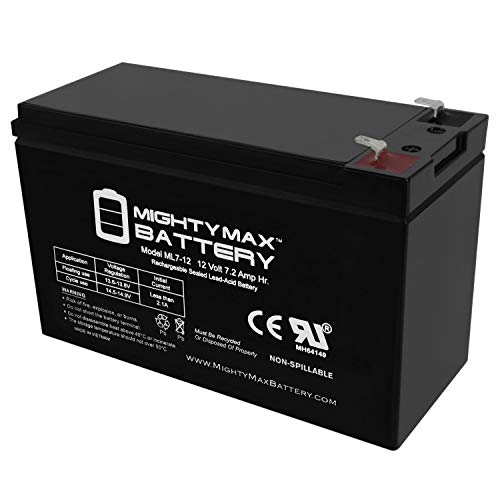
Mighty Max Battery 12V 7Ah Battery Replacement for Home ADT Security Alarm System
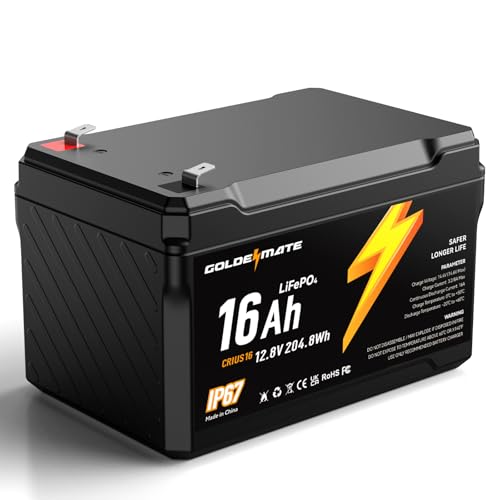
GOLDENMATE 12V 16Ah LiFePO4 Lithium Battery, IP67 Waterproof, Lightweight

Miady 12V 12Ah Rechargeable Sealed Lead Acid Battery (2 Packs)

GOLDENMATE 12V 20Ah Lithium LiFePO4 Battery(2 Packs), IP67 Waterproof

GOLDENMATE 12V 10Ah Lithium LiFePO4 Battery(2 Packs), IP67 Waterproof
Meet The Standout Selections
A 10Ah lithium battery in the same footprint as many 7Ah lead-acid units is a meaningful upgrade for anyone hauling gear to a lake or campsite. The IP67 rating (a dust-tight seal that survives temporary water immersion up to one meter) means splashes and brief dunks won’t end the day, which matters when a kayak scupper floods or a rainstorm hits mid-rigging. A built-in Battery Management System (BMS, an electronic circuit that guards each cell against overcharge, over-discharge, and short circuits) handles the usual lithium failure modes, so you spend more time fishing and less time diagnosing.
Compared with the heavier SLA picks further down this list, you get roughly a third of the weight in a similar box. That shows up on a trolling motor mount or a portable camping rig, where every pound compounds across a long afternoon. Owners running fish finders, small lighting banks, and ride-on toys get a noticeable step up in usable capacity.
Positive Takeaways
- IP67 waterproofing opens up boating and shoreline use without a separate enclosure
- BMS protection adds a safety margin against deep-discharge mishaps around kids’ toys
- Higher energy density than the Miady SLA pair, meaning more runtime per pound
- Long cycle life supports years of partial discharges on solar setups
Things To Consider
- Costs more than an equivalent SLA unit, so budget-minded shoppers may pass
- Charging requires a LiFePO4-compatible charger for full cell longevity
Feature Snapshot
Who It Suits Best
Anglers, campers, and DIYers running modest 12V loads in wet or outdoor environments.
Consider Something Else When
The Miady 12V 7Ah Rechargeable Sealed Lead Acid Battery (2 Pack) is the better fit for shoppers replacing a cheap alarm backup on a tight budget.
Stepping down from the 10Ah version, this 7Ah lithium unit weighs around 2 pounds, which is a real-world gain when the battery compartment sits inside a child’s ride-on toy or a compact kayak electronics tray. The IP67 rating is identical to its bigger sibling, so it shares that outdoor-rugged personality without the extra bulk.
For most shoppers picking a 7Ah form factor, this trades the heavier lead-acid chemistry of the Miady pair below for a meaningful drop in mass. It slots into common battery boxes without adapter plates, and the BMS keeps the cells in line during those inevitable forgotten-charger moments.
What Helps Most
- Lightweight build at roughly 2.07 lb makes it easy for smaller hands or tight mounts
- IP67 protection for splash-prone applications around pool decks and boats
- LiFePO4 longevity cuts mid-life replacements compared with SLA
Trade Offs
- Premium price over SLA alternatives of the same capacity
- Needs a lithium-compatible charger; an SLA charger can undercharge the cells
- Capacity below the 10Ah and 16Ah siblings for longer-runtime tasks
Built With In Mind
Parents, hobbyists, and weekend tinkerers running fish finders, small lighting kits, and ride-on toys where weight matters as much as runtime.
A Better Fit Elsewhere
The GOLDENMATE 12V 16Ah LiFePO4 Lithium Battery is a smarter pick when you need double-digit amp-hours in the same lithium family.
Two batteries for the price of one premium lithium unit shifts this pair into a different conversation. The Absorbed Glass Mat (AGM) design suspends the electrolyte in fiberglass mats, which makes the units spill-resistant and tolerant of being mounted at slight angles in cramped compartments.
You’ll see heavier cells than the GOLDENMATE lithium items above, but the SLA chemistry is forgiving in cheap chargers and works across a wide temperature range. For households replacing one dead alarm battery and keeping the second as a spare, this two-pack is hard to argue with.
Noteworthy Benefits
- Two batteries cover a primary install plus a backup rotation
- Wide operating temperature range handles garages and unheated sheds
- AGM construction resists spills in tilted battery boxes
- F2 terminals fit many common alarm and UPS-style connectors
Points To Note
- Noticeably heavier than lithium alternatives in the same capacity class
- Shorter cycle life under deep discharge than LiFePO4
Quick Facts
Whose Shelf It Belongs On
Budget-conscious shoppers replacing alarm backups, small UPS units, or garage door openers who want a spare on hand.
Look Elsewhere When
The Mighty Max Battery 12V 7Ah Battery Replacement for Home ADT Security Alarm System is the focused choice when the panel specifically calls for an F1 terminal and a known alarm replacement form factor.
This is the battery you reach for when the security panel starts chirping. The 12V 7.2Ah SLA chemistry matches the spec many alarm panels expect, and the F1 terminal style (a narrower spade connector than F2) drops into common panel harnesses without re-tinning wires.
The unit ships as battery-only with no harness or mounting kit, which keeps the install simple for anyone who has swapped a panel battery before. Compared with the Miady two-pack above, you lose the spare but gain a tighter fit in dedicated alarm enclosures.
The Case For It
- Tailored fit for ADT-style home alarm panels
- Maintenance-free SLA chemistry fits a “swap and forget” routine
- Spill-proof design allows mounting inside wall cabinets
- Wide operating temperature range handles utility rooms
Honest Caveats
- Single battery only, with no spare included
- F1 terminals are narrower than F2, so confirm your harness before ordering
Right Fit For
Homeowners maintaining a hardwired alarm panel who want a known replacement form factor in a single unit.
Reach For A Different Pick When
The Miady 12V 7Ah Rechargeable Sealed Lead Acid Battery (2 Pack) is the better call when you’d rather rotate a fresh spare every few years for the same money.
The middle child of the GOLDENMATE lithium line, this 16Ah unit doubles the runtime of the 7Ah version without doubling the size on your shelf. The 16A BMS handles the larger cell pack and protects against the same failure modes, which is reassuring on overnight lighting setups or long kayak days.
Capacity jumps from 10Ah to 16Ah matter most when you want a single battery to last a full fishing trip or a multi-day camping run. Compared with the lighter 7Ah sibling above, the trade-off is mostly weight, and even here you stay well under equivalent SLA tonnage.
The Helpful Details
- 16Ah extends runtime for sustained loads like fish finders and LED strips
- IP67 housing holds up to spray and brief water immersion outdoors
- BMS protection at the 16A level suits slightly heavier 12V tools
- Long cycle life keeps replacements rare over years of use
Small Caveats
- Larger capacity raises the price step over the 10Ah model
- Some small alarm enclosures won’t accept the bigger footprint
Feature Rundown
Who Should Grab It
Outdoor enthusiasts and off-grid tinkerers running multi-hour loads who want more runtime than the 10Ah model can offer.
Swap It Out When
The GOLDENMATE 12V 20Ah Lithium LiFePO4 Battery (2 Packs) is the better match for users who need parallel capacity and a backup in the same order.
The 12Ah Miady pair gives up the smaller form factor of its 7Ah cousin and instead delivers extra capacity per battery. The F2 spade terminals match the common UPS and small-mobility connectors, and the AGM construction stays maintenance-free across years of float charging (a slow, steady trickle that keeps the battery topped up without overcharging it).
For households running a small UPS, a mobility scooter backup, or a portable jump-start rig, two 12Ah batteries expand runtime without forcing a lithium jump. The heft is real, but so is the durability across wide temperature swings.
Practical Advantages
- 12Ah capacity gives middle-ground runtime between 7Ah and 16Ah options
- AGM chemistry tolerates storage in varied climate conditions
- ABS plastic case resists knocks in workshop environments
- Two-pack supports a primary plus a ready spare
Where It May Fall Short
- Heavier than equivalent lithium units in the same capacity range
- Larger dimensions may not fit compact alarm enclosures
Best Suited To
Workshop users and mobility-device owners who want a durable SLA pair with extra capacity and don’t mind the added weight.
Another Choice May Suit
The GOLDENMATE 12V 20Ah Lithium LiFePO4 Battery (2 Packs) is a stronger fit when two lithium units with higher capacity would better serve a portable solar bank.
Two 20Ah lithium batteries in one box push this toward the heavy end of small-format 12V setups. The 20A BMS at this capacity handles meaningful loads, and the IP67 enclosure carries over the outdoor-readiness of the smaller GOLDENMATE siblings.
Wiring two units in parallel (positive to positive, negative to negative, to double the available amp-hours) gives a useful step up for portable solar banks, off-grid lighting, and small inverters. Owners commonly pick this path to build capacity without committing to a single large 50Ah or 100Ah pack.
Where It Helps
- Combined 40Ah supports multi-day off-grid loads in a manageable footprint
- IP67 rating suits outdoor solar or marine installations
- Parallel-ready design eases DIY battery bank construction
- Long cycle life lowers the long-term replacement frequency
Some Limits To Know
- Highest price point in this roundup
- Two-pack delivery adds storage footprint before installation
Perfect Match For
Off-grid hobbyists and mobile solar users ready to build a parallel lithium bank without stepping up to a full 100Ah deep cycle unit.
Skip It When
The GOLDENMATE 12V 10Ah Lithium LiFePO4 Battery (2 Packs) is the smarter entry for shoppers who want twin lithium units at a smaller combined capacity.
Closing out the roundup, this twin-pack of 10Ah lithium units lands in the sweet spot for many small-format projects. You get the same IP67 weather sealing and BMS architecture as the single-pack 10Ah, with the option to wire in series (positive to negative, doubling the voltage to 24V) or parallel depending on the project.
For DIYers building a small solar rig or a portable camping power station, two 10Ah units can be more useful than one 20Ah because they allow staged expansion. Owners commonly report using one unit while the other charges from a foldable solar panel, then rotating the pair through the day.
Bright Spots
- Twin-pack format enables easy parallel or series wiring for custom projects
- 10Ah per unit balances capacity with reasonable weight per battery
- IP67 enclosure handles field use on the trail or shore
- BMS protection covers overcharge, over-discharge, and short circuits
Potential Compromises
- Two units together cost more than the single 16Ah sibling
- Matching batteries matters for balanced parallel setups over time
Key Attributes
Who Will Love This
DIY builders and mobile power users who want to scale capacity incrementally rather than commit to a single high-capacity pack.
Where Another Pick Suits Better
The GOLDENMATE 12V 7Ah Lithium LiFePO4 Battery is the better match when one small, lightweight lithium unit is enough and you don’t need the second battery on standby.
What Actually Matters When Picking A 12V Battery
Match Capacity To The Load
Capacity, measured in amp-hours (Ah), tells you how much current a battery can deliver over time. A 7Ah battery running a 1-amp load should last roughly seven hours under ideal conditions, though real-world draw, temperature, and battery age all chip away at that figure. For alarms and small LED setups, 7Ah usually suffices. Fish finders, ride-on toys, and modest lighting rigs benefit from 10Ah to 16Ah. For small solar banks or longer camping stretches, 20Ah and up makes sense.
Choose The Right Chemistry For Your Conditions
LiFePO4 lithium batteries weigh less, last through more charge cycles, and tolerate deep discharges better than SLA. They cost more up front and need a lithium-compatible charger to reach full cell longevity. SLA batteries are heavier and cycle fewer times, but they tolerate a wider temperature range and work with inexpensive chargers. For outdoor and weight-sensitive setups, lithium earns its premium. For backup power in climate-variable utility rooms, SLA still makes sense.
Confirm The Terminal And Footprint
F1 and F2 terminals look similar but are sized differently. F1 is narrower, F2 is wider, and many alarm panels and UPS units require one specific type. Mixing them up leaves you with a battery that physically won’t seat in the harness. Dimensions matter just as much; measure your enclosure before ordering a higher-amp-hour replacement.
Plan For Charging And Storage
Lithium batteries prefer partial state-of-charge cycling (running between 20% and 80% rather than empty to full) for the longest service life. SLA batteries are happier being float-charged indefinitely. Storing either chemistry in extreme heat shortens lifespan, so a garage corner beats an attic in summer.
Picking The Right Tier For Your Setup
Where Shoppers Go Wrong
Treating all 7Ah batteries as interchangeable is the most common misstep. A 7Ah lithium battery and a 7Ah SLA battery can have nearly identical headline specs but very different weight, cycle life, and price tags. Another trap is ignoring terminal type until the box is open, which means a second order and a wasted trip. Always check the connector style and the enclosure dimensions before committing.
When Paying More Pays Off
Higher-tier lithium picks earn their premium through lighter weight, longer cycle life, and built-in BMS protection. For anyone carrying the battery to a kayak, mounting it in a kid’s toy, or relying on it for multi-day off-grid use, the upgrade shows up quickly. For stationary alarm backups that mostly sit in a closet, a value SLA pair is the more sensible call. The honest read is that spending up pays off when the battery moves or works hard, and saves money when it just sits there.