A 12 Volt 100ah Battery sits at the heart of countless off-grid projects, RV rigs, marine setups, and home backup plans. You want enough stored energy to run fridges, trolling motors, lights, and inverters without babysitting the charge. The shortlist below mixes lithium iron phosphate (LiFePO4) and AGM (absorbed glass mat, a sealed lead-acid design that resists spills) chemistries to cover real-world needs across vans, boats, cabins, and weekend builds.
How The Shortlist Stacks Up

GOKWH 12V 100Ah Group24 LiFePO4 Lithium Battery (1280Wh, Bluetooth 5.0)

GOKWH 12V 320Ah LiFePO4 Lithium Battery (4096Wh, 200A BMS)

GOKWH 12V 320Ah LiFePO4 Lithium Battery for Trolling Motor

Litime 12V 100Ah LiFePO4 Battery, Group 31 (IP65, 100A BMS)

Litime 12V 100Ah LiFePO4 Battery, Group 24 (Bluetooth, 21.9 lb)

Litime 12V 100Ah Xtra Mini LiFePO4 Lithium Battery (19.13 lb)
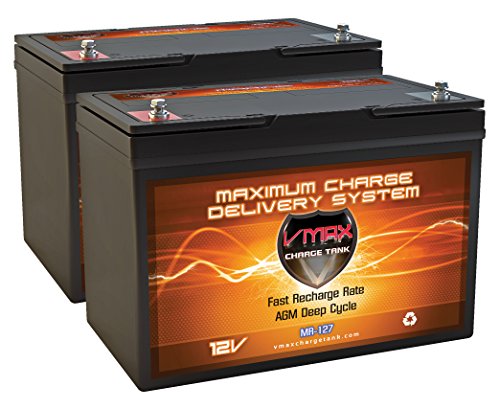
VMAX MR127-100 12V 100Ah AGM Deep Cycle Batteries (Two-Pack, 24V Kit)
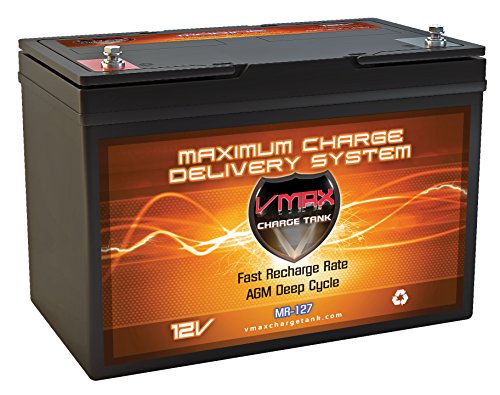
VMAX MR127 12V 100Ah AGM Deep Cycle Marine Battery (Group 27)

Weize Deep Cycle AGM 12V 100Ah Battery (1150A Max Discharge)

GOKWH 12V100Ah LiFePO4 Lithium Battery for Trolling Motor (2-Pack)
A Breakdown Of The Leading Choices
The GOKWH 12V 100Ah Group24 LiFePO4 Lithium Battery lands at the top of the shortlist because it threads the needle between capacity, size, and oversight. Its Group 24 case footprint (a common BCI battery sizing standard that fits many RV and marine trays) drops into standard battery boxes without custom mounts, while Bluetooth 5.0 and the companion app let you check SOC (state of charge, meaning how full the battery is), voltage, and temperature from the cab or cabin.
A 100A BMS (battery management system, the onboard circuitry that prevents overcharge, over-discharge, and overheating) and 1280Wh of usable energy handle the daily demands of RV fridges, LED lighting, and small inverters without flinching. Owners commonly pair it with solar setups between 100W and 400W for weekend trips, and the rugged case handles vibration on rougher roads or chop.
Reasons It Performs
- Bluetooth 5.0 with real-time SOC, voltage, and temperature readouts via the smartphone app.
- Up to 4000 deep cycles, meaning the battery can be fully drained and recharged that many times while keeping usable capacity.
- Group 24 case fits standard trays in many RVs, campers, and trolling motor setups.
- Smart BMS with low-temperature cutoffs helps protect the cells on cold mornings.
Things To Consider
- Requires a LiFePO4-compatible charger, so legacy lead-acid chargers may need a swap.
- App setup occasionally needs a firmware update before first pairing.
- Cold-weather charging below freezing demands a heated variant or insulation strategy.
Key Specs
Made For
Weekend RVers and cabin owners who want app oversight, standard case sizing, and a cycle rating that shrugs off daily cycling.
Consider Something Else When
You run a high-thrust 24V trolling setup, where the VMAX MR127-100 two-pack offers a simpler series-ready AGM solution.
Stepping up to the GOKWH 12V 320Ah LiFePO4 Lithium Battery trades the compact Group 24 form factor for raw capacity. At 4096Wh, this unit swallows the daily draw of a household fridge, communications gear, and a small air conditioning unit on a single charge, making it a favorite for off-grid homes and serious solar arrays.
The 200A BMS supports heavy inverter loads, while the Bluetooth app reports SOC, voltage, and temperature in real time. Compare that to the 100Ah Group 24 unit above, which targets lighter weekend loads; this one suits permanent installations where the battery rarely leaves the battery bay.
Where It Excels
- 4096Wh capacity covers multi-day outages without solar recharging.
- Up to 8000 deep cycles for installations expecting daily discharge.
- 200A BMS drives large inverters and high-wattage appliances confidently.
- Smart app exposes fault alerts remotely, helpful for unattended sheds or cabins.
Honest Caveats
- Larger footprint demands planning for tray space and weight distribution.
- Higher up-front cost than Group 24 lithium options.
Who It Suits Best
Off-grid homeowners and solar integrators building long-runtime backup banks who value cycle depth over compactness.
Look Elsewhere When
Your rig is a weekend van build, where the Litime 12V 100Ah Xtra Mini LiFePO4 Lithium Battery keeps weight and footprint smaller.
Where the 320Ah home backup unit serves stationary loads, the GOKWH 12V 320Ah LiFePO4 Lithium Battery Smart APP for Trolling Motor is tuned for life on the water. Anglers who run 80-100 lb thrust trolling motors for full-day tournaments benefit from the deep reserve and the app’s instant access to runtime estimates and fault alerts.
The same 320Ah platform from the previous pick is dressed for marine service here, so owners stepping up from the VMAX MR127-100 12V 100Ah AGM Marine Battery (further down the list) get a meaningful jump in usable runtime and cycle depth.
Useful Highlights
- 320Ah capacity supports long trolling sessions without mid-day recharges.
- App monitoring shows voltage and temperature from the helm in real time.
- LiFePO4 chemistry tolerates partial state-of-charge better than AGM, which is common in fishing.
- Lightweight relative to AGM banks of equivalent capacity, helping balance fore-aft weight.
Points To Note
- Battery tray space on smaller boats may require custom mounting.
- Sealed lithium cases still need a marine-grade fuse and disconnect nearby.
Best Suited To
Tournament anglers and full-day fishing guides running 80-100 lb thrust motors on mid-sized bass boats.
Not Your Match When
You fish from a kayak or jon boat with limited space, where the Litime 12V 100Ah Xtra Mini LiFePO4 Lithium Battery fits the hull far better.
The Litime 12V 100Ah LiFePO4 Battery, Group 31 steps up the case size (a larger BCI footprint that fits heavier marine trays and full-size RVs) while keeping the same 1280Wh capacity as the smaller Group 24 lithium picks. The IP65 rating (a dust-tight seal that also resists low-pressure water jets) earns real credibility for marine cockpits and exposed battery compartments.
Up to 15000 cycles positions this Group 31 unit as a long-haul companion for travel trailers and saltwater boats where corrosion and vibration shorten battery life. Owners running multi-bank systems appreciate the Max 4P4S expandability (the ability to wire four in parallel and four in series for larger banks).
Good Reasons To Consider
- IP65 enclosure rating against spray and dust for marine environments.
- Up to 15000 deep cycles for installations expecting heavy daily cycling.
- 4P4S configuration flexibility for larger 24V, 36V, or 48V banks.
- 100A BMS handles typical inverter draws and trolling motors alike.
Practical Considerations
- Group 31 case is larger than Group 24 trays, so check the bay first.
- Heavier than the Litime 12V 100Ah LiFePO4 Battery, Group 24 unit above.
Quick Facts
Right Fit For
Full-time RVers and saltwater anglers who want the longest cycle life in a sealed marine-rated case.
Skip It When
You need a smaller, lighter drop-in for a weekend camper, where the Litime 12V 100Ah LiFePO4 Battery, Group 24 is easier to place.
For van lifers converting a cargo van or pop-up camper, the Litime 12V 100Ah LiFePO4 Battery, Group 24 keeps the swap straightforward. At 21.9 lb, it lands around 63% lighter than a typical lead-acid Group 24, so the difference shows up the moment you wrestle it into a side compartment.
Bluetooth monitoring pairs with the Litime app to check voltage and SOC, useful when the battery hides under a bench seat. The energy density (3-5x lead-acid according to the manufacturer) means a smaller case still delivers the same 1280Wh of usable power.
Why It Works Well
- 21.9 lb weight simplifies rooftop, basement, or under-seat installations.
- Group 24 footprint fits standard RV battery trays without modification.
- Bluetooth app removes the need to physically check terminals in tight bays.
- Direct lead-acid replacement for owners upgrading from flooded cells.
Less Ideal Details
- Cycle rating is lower than the Group 31 Litime sibling above.
- No IP rating listed, so marine spray demands extra enclosure care.
Perfect Match For
Van and campervan conversions where weight savings and Group 24 fitment matter more than absolute cycle count.
A Better Fit Elsewhere
You run saltwater service and need a sealed enclosure, where the Litime 12V 100Ah LiFePO4 Battery, Group 31 is the smarter call.
The Litime 12V 100Ah Xtra Mini LiFePO4 Lithium Battery targets the awkward installations that fight you at every turn. At 19.13 lb with built-in handles, it slides into kayak hatch compartments, small skiffs, and compact camper builds where the standard Group 24 simply won’t fit.
Bluetooth 5.0 and the Litime app track voltage and power levels from your phone, removing the “did I leave something on?” anxiety that haunts weekend campers. Compare that to the full-size Litime Group 24 reviewed above, which makes more sense when tray space is generous.
Points In Its Favor
- 19.13 lb weight with handles for one-handed carry to remote mounts.
- Compact Xtra Mini footprint opens up kayak, skiff, and small-truck installs.
- Bluetooth 5.0 with real-time power data through the Litime smartphone app.
- LiFePO4 chemistry tolerates partial state-of-charge abuse better than AGM.
Trade Offs
- Smaller case may not match legacy battery hold-downs in some boats.
- Lower energy density per cubic inch than the larger 320Ah GOKWH unit.
Who Should Grab It
Kayak anglers, skiff owners, and small RV builders who fight for every inch of storage space.
Swap It Out When
You run a larger boat or RV with a standard battery bay, where the Litime 12V 100Ah LiFePO4 Battery, Group 24 keeps cabling simpler.
This two-pack flips the script from the lithium entries above. The VMAX MR127-100 pair ships wired-ready for 24V trolling motors (connecting two 12V batteries in series, meaning positive to negative, doubles the voltage to 24V while keeping capacity the same), so anglers running larger motors skip the math on series battery configuration.
Group 27 AGM (a slightly larger BCI size than Group 24, common in bigger boats) brings maintenance-free operation with no risk of acid spills in rough water. For boaters who prefer proven AGM reliability over the app-driven lithium ecosystem, this kit simplifies the upgrade path significantly.
What Helps Most
- Factory-matched 24V kit for 24V trolling motors without extra cabling work.
- Sealed AGM chemistry resists vibration and rough marine conditions.
- Maintenance-free operation with no water top-ups or terminal acid checks.
- Includes carrying handles for safer battery bay loading.
Small Caveats
- Heavier than equivalent lithium banks, which affects fore-aft boat balance.
- Lower cycle depth than the lithium alternatives earlier in this list.
Feature Snapshot
Built With In Mind
Boaters running 24V trolling motors on bass boats or pontoons who want a turnkey AGM upgrade out of the box.
Reach For A Different Pick When
Weight and runtime matter more than chemistry preference, where the GOKWH 12V 320Ah LiFePO4 Lithium Battery for Trolling Motor covers longer days with less mass.
The single-unit VMAX MR127 12V 100Ah AGM Deep Cycle Marine Battery brings the same sealed AGM reliability as the two-pack above, but in a single Group 27 case for 12V setups. It’s compatible with 40-100 lb thrust trolling motors from common brands, so most recreational anglers can drop it in without rewiring.
Maintenance-free operation suits weekend boaters who don’t want to wrestle with water levels, and the rugged case absorbs vibration from chop and trailer transport. Owners commonly report solid starting-surge performance for onboard electronics alongside the deep-cycle duties.
Where It Delivers
- Drop-in replacement for older Group 27 marine batteries in single-bay setups.
- Compatible with common 40-100 lb thrust trolling motor brands.
- Sealed AGM construction prevents acid leaks during rough water.
- Maintenance-free operation fits boaters who avoid hands-on cell service.
Points To Keep In Mind
- Heavier than the Litime 12V 100Ah LiFePO4 options in the same group.
- Lower cycle count than lithium alternatives for daily cycling users.
Whose Shelf It Belongs On
Recreational boaters with a single-bay 12V trolling setup who want proven AGM durability without a lithium learning curve.
Where Another Pick Suits Better
You need more runtime for multi-day trips, where the VMAX MR127-100 two-pack doubles capacity in the same family.
The Weize Deep Cycle AGM 12V 100Ah Battery earns its spot as the budget-friendly entry on the shortlist. The 1150A max discharge figure handles serious surge loads (the brief, high-current draws that happen when inverters or motors first spin up), which matters when you fire up a microwave or winch from a small inverter.
A 3% self-discharge rate (how much charge the battery loses per month sitting idle) keeps the battery topped up during off-season storage in a shed or garage. Maintenance-free AGM construction removes the periodic watering that flooded lead-acid batteries demand, which is a real convenience for new owners.
Key Advantages
- 1150A max discharge current supports inverter surge demands.
- 3% self-discharge rate preserves charge across storage months.
- Maintenance-free AGM construction with no acid spills.
- Versatile footprint fits RV, solar, marine, and camping applications.
A Few Limitations
- Heavier than the Litime lithium options in similar case sizes.
- Shorter cycle life than the lithium entries higher on this list.
At A Glance
The Right Fit
Solar shed owners, weekend campers, and budget-first shoppers building a basic off-grid system without the lithium premium.
Where A Sibling Pick Shines
You want app oversight and longer cycle life, where the GOKWH 12V 100Ah Group24 LiFePO4 Lithium Battery is a smarter long-term play.
Closing the list, the GOKWH 12V100Ah LiFePO4 Lithium Battery 2-Pack suits kayaks, small boats, and dual-motor trolling rigs that need 24V of headroom without buying separate batteries. Pairing two LiFePO4 units in series delivers the voltage a larger motor wants while keeping the per-unit footprint friendly for tight hulls.
The Bluetooth 5.0 monitoring, low-temperature protection, and 100A BMS carry over from the single-unit Group 24 GOKWH reviewed first. Owners running two trolling motors or a single high-thrust motor benefit from the matched-pair design, which reduces imbalance between cells.
Positive Takeaways
- Two-pack design simplifies 24V trolling motor setups out of the box.
- LiFePO4 chemistry tolerates partial state-of-charge better than AGM banks.
- Bluetooth 5.0 monitoring tracks each unit’s status through the GOKWH app.
- Smart BMS adds low-temperature protection for cold-morning launches.
Practical Considerations
- Two-pack weight adds up versus a single 320Ah lithium option.
- Series wiring requires careful matching and fusing between units.
Who Will Love This
Kayak anglers with 24V motors and dual-trolling setups who want matched lithium units in a single purchase.
Another Choice May Suit
You run a single 12V motor on a small boat, where the Litime 12V 100Ah Xtra Mini LiFePO4 Lithium Battery fits the hull far better.
Smart Choices Before You Commit
Match Capacity To Real Loads
A 12 Volt 100ah Battery sounds uniform until you add up what actually runs on a typical day. An RV fridge drawing 3 amps, a few LED fixtures, a phone charger, and a 12V water pump can total 60-70Ah before factoring in inverter losses. Lithium models around 100Ah cover a comfortable weekend, while 320Ah lithium or paired 12V banks extend to multi-day runtime. For most weekend setups, a true 100Ah LiFePO4 hits the sweet spot between cost, weight, and reserve.
Confirm Case Size And Tray Fit
Group 24, 27, and 31 all share rough dimensions but differ enough to demand a tape measure. A Group 24 Litime drop-in fits many stock RV trays, but the Group 31 VMAX and Litime units demand extra clearance. Always check tray width, terminal orientation, and hold-down bracket reach before clicking purchase, especially in older RVs and saltwater boats with non-standard layouts.
Decide Between Lithium And AGM Up Front
AGM (absorbed glass mat) batteries like the VMAX MR127 and Weize Deep Cycle AGM 12V 100Ah Battery cost less up front and work with existing chargers, but they weigh more and cycle fewer times. LiFePO4 (lithium iron phosphate) options like the GOKWH and Litime lines cost more initially but last far longer, weigh less, and tolerate partial state-of-charge better. For full-time off-grid use, lithium pays back in replacement savings alone.
What Separates Premium From Basic
Wrong Turns To Avoid
A common slip-up is trusting label-only capacity claims without checking the BMS rating (the battery management system that limits continuous current draw). A 100Ah battery with a 50A BMS struggles to drive 1000W inverters continuously. Another trap is mixing old lead-acid chargers with lithium batteries, which can damage cells without a LiFePO4-compatible profile. Finally, ignoring cold-weather charging limits can permanently reduce capacity in unheated bays.
The Upgrade Payoff
Paying more for premium lithium buys longer cycle life, app oversight, and lighter weight. The GOKWH 12V 100Ah Group24 LiFePO4 Lithium Battery, for instance, exposes SOC, voltage, and temperature through Bluetooth, removing guesswork from runtime planning. Premium builds also include low-temperature cutoffs that protect cells in cold storage. For full-time off-grid owners, the upgrade compounds across years of avoided replacements.
Frequently Asked Questions
How long will a 12 Volt 100ah Battery run an RV fridge?
A typical RV fridge draws 3-5 amps per hour, so a 100Ah LiFePO4 unit delivers roughly 20-30 hours of cooling before reaching a 50% depth-of-discharge cutoff (the safe minimum charge level to preserve battery life). AGM batteries with a 50% cutoff give you half that window.
Can I use a regular lead-acid charger with lithium batteries?
Most legacy lead-acid chargers lack the voltage profile LiFePO4 cells need for full charge. You risk undercharging at best and cell damage at worst, so swapping to a LiFePO4-compatible charger is strongly recommended.
What’s the difference between Group 24 and Group 31 cases?
Group 31 cases are physically larger than Group 24, giving more room for higher-capacity cells or heavier plate designs. Always measure your battery tray before committing to either size, since hold-down brackets and terminal placement vary.
Is Bluetooth monitoring really necessary?
For weekend campers who check batteries by eye, it’s a nice extra. For full-time off-grid owners, app-based SOC and temperature data can flag a failing cell before it strands you with a dead bank, which makes the small premium worthwhile.
Can I wire multiple 12 Volt 100ah Battery units in series or parallel?
Yes, but match batteries of the same age, brand, and capacity. Series wiring (positive to negative) raises voltage for 24V or 48V systems, while parallel wiring (positive to positive) raises capacity. Many LiFePO4 units on this list, including the Litime Group 31, support 4P4S configurations out of the box.
Closing Remarks
Pick a 12 Volt 100ah Battery that matches your chemistry preference, tray size, and runtime needs, then match the charger and fusing to the cells you actually bought. Lithium earns its premium for daily cycling; AGM remains a solid choice for occasional weekend use. Whichever route you take, measure your tray first and budget for a compatible charger before the first install.