Most of us don’t think about batteries until something stops working at the worst possible moment: the smoke detector chirping at 2 AM, a trolling motor dying mid-lake, or a cordless drill running flat during a weekend project. A “10 volt battery” actually covers a surprisingly wide range of products, from tiny lithium packs inside specialty tools to the 12V deep-cycle cells that share a 10–12.8V charging window. This list brings together everyday household cells, photo lithiums, marine LiFePO4 power, tool packs, and USB charging accessories so you can match the right chemistry to the right device.
A Side-By-Side Look

Duracell Coppertop 9V Battery 4-Count

Duracell Coppertop D Batteries 8-Count

Energizer MAX 9V Batteries 2-Pack
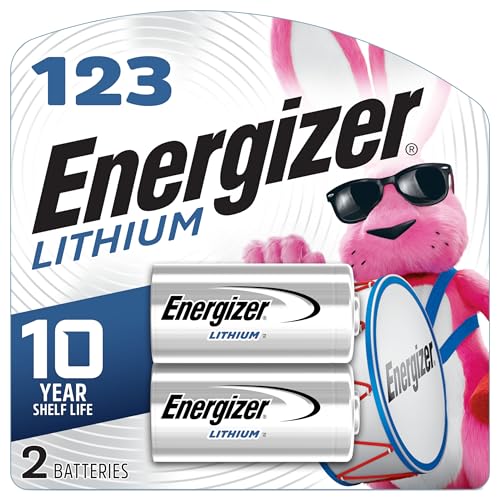
Energizer 123 Lithium Batteries 2-Pack

Litime 12V 100Ah Trolling Motor LiFePO4 Battery 3-Pack

Litime 12V 100Ah Trolling Motor LiFePO4 Battery (Yacht)

LiTime 12V 100Ah Group 24 Deep Cycle LiFePO4 Battery 2-Pack

Bosch BAT414 12V 2.0Ah Max Li-Ion Battery
BUBBA Magnum Lithium Ion Pack for Electric Fillet Knife
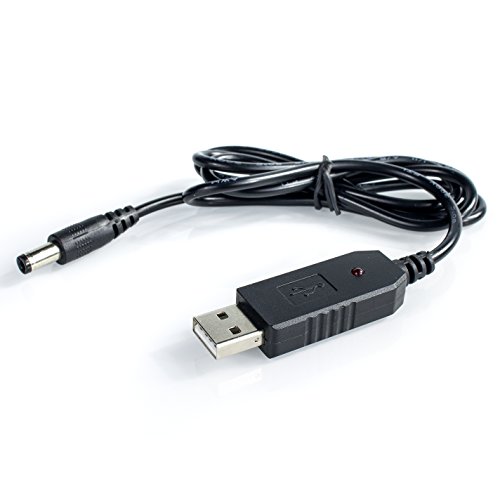
BTECH USB Smart Charger 9-10.8V Transformer Cable
More On The Choices That Made The List
The 9V block is the quiet workhorse of any hallway or bedroom ceiling. The Duracell Coppertop 9V 4-pack is the kind of thing most households cycle annually inside ionization and photoelectric smoke detectors, carbon monoxide alarms, and basic security panels.
You won’t notice it until you swap it in, which is exactly the point. For a family replacing cells on a calendar rotation, four fresh cells cover the typical ceiling detectors and leave one in the drawer for a chirping unit later.
A Few Strong Suits
- Alkaline chemistry (a single-use manganese-dioxide cell that delivers steady voltage for low-drain safety devices) holds voltage well in standby sensors.
- Long storage life means spares stay usable across multiple seasonal rotations.
- The four-pack ratio matches the typical detector count in a mid-sized home.
- Familiar form factor fits standard 9V compartments with no adapters or shims.
Worth Noting
- Alkaline cells can leak a corrosive paste if left past their service window; owners commonly report cleanup headaches in rarely-checked attic alarms.
- Not rechargeable, so households with many sensors accumulate more cell waste annually.
Key Specs
Best Suited To
Homeowners maintaining a calendar rotation of ceiling-mounted smoke and CO detectors who want a simple annual swap.
Skip It When
Anglers or RV owners needing a deeper-cycle cell should look at the LiTime Group 24 instead.
D cells are the closest thing a garage shelf has to a prepper staple. The Duracell Coppertop D 8-pack covers heavy-duty flashlights, weather alert radios, and big lantern units that smaller AAs simply cannot power for long.
Compare that to the tiny 9V in Pick 1: same brand, but a much larger reservoir of capacity. Cabin owners, RV travelers, and anyone rotating a four-person emergency kit will find eight cells is a sensible working stock without overbuying.
Where It Excels
- Long shelf stability means cells stay ready across years of inactivity in a closet or bin.
- High capacity supports lantern and boombox-style devices for multi-hour sessions.
- Eight-count packaging lines up with a four-cell flashlight and a four-cell radio for a complete household refresh.
Trade Offs
- Single-use alkaline means frequent-use gadgets (kids’ toys, hand-crank radios) chew through them quickly.
- D cells are heavy to stockpile in bulk, so storage space matters for a true multi-pack reserve.
Right Fit For
Off-grid households, cabin owners, and storm-prep households maintaining an emergency lighting rotation.
Look Elsewhere When
Cordless tool users will get more from the Bosch BAT414 12V pack, which delivers rechargeable cycles for daily work.
The Energizer MAX 9V sits right alongside the Duracell Coppertop from Pick 1 as a familiar ceiling-detector companion. Its PowerSeal Technology is built to lock in power between uses, which matters in a smoke sensor that draws micro-amps most of the year.
A two-pack is the lean choice: enough for one detector swap with one cell left for the kitchen CO unit, without the bulk of a four-pack. For apartment dwellers with only a couple of ceiling devices, the smaller pack keeps clutter down.
The Value In It
- PowerSeal construction helps the cell hold charge across years in the package.
- Two-pack size suits households with just a smoke and CO alarm pair.
- Standard 9V format fits any device the Duracell 9V in Pick 1 fits.
Minor Gripes
- Packaging may vary by seller, so label inspection matters if you stockpile loose cells in a bin.
- Alkaline cells share the same leakage risk as other household batteries left in low-drain gear past service life.
Who Will Love This
Renters and small-space households with only a couple of detectors to rotate annually.
A Better Fit Elsewhere
Heavy stereo gear and high-drain toys pair better with the Duracell Coppertop D cells in Pick 2.
The Energizer 123 is a different animal from the alkaline 9Vs earlier in the list. The 123 lithium cell drives high-drain camera flashes, optics, and smart-home sensors that an alkaline cell drains within weeks.
For photographers shooting weddings or wildlife, the lithium output holds voltage through fast recycle times, which a basic alkaline simply cannot keep up with. Two cells fit neatly into a small gadget bag without adding noticeable weight.
Notable Gains
- Lithium chemistry delivers high pulse output for camera flashes and tactical lights.
- Long storage life in camera drawers between shoots.
- Wide operating temperature range suits outdoor shoots and cold-weather use.
Honest Caveats
- 3V output is higher than household AA or 9V gear, so these cells only fit devices designed for the 123 format.
- Lithium cells are pricier per pack than alkalines, though fewer are needed per device.
Perfect Match For
Photographers, videographers, and homeowners with smart-home motion sensors that chew through alkalines.
Swap It Out When
Smoke detectors and CO alarms need the 9V format in Pick 1 or Pick 3, not a 3V lithium.
The jump from a smoke-detector 9V to a 100Ah LiFePO4 (lithium iron phosphate, a stable, long-cycle chemistry favored for deep-discharge marine and RV use) bank is enormous. The Litime 3-pack is built for serious anglers running 36V trolling setups, where three 12V cells in series drive a higher-voltage motor.
Bluetooth monitoring lets you check cell state from the helm, and low-temperature cut-off protection guards against damage when launching an early-spring bass trip. For multi-bank boats this is a turnkey system, not just a battery.
Real Benefits
- 100Ah per bank supports long run times at low-to-medium throttle on trolling motors.
- Bluetooth reporting gives cell voltage and state of charge from a phone.
- Low-temp charge and discharge protection preserves cell health in shoulder-season launches.
Where It Is Less Suited
- Three-pack weight and shipping are non-trivial; handling requires a sturdy cart.
- LiFePO4 needs a charger matched to its profile, so the BTECH USB cable from Pick 10 won’t substitute.
Feature Snapshot
Made For
Boat owners running 36V trolling motors who want Bluetooth visibility into cell health on the water.
Not Your Match When
Solo 12V setups pair better with the single LiTime 12V battery in Pick 6 or the Group 24 pack in Pick 7.
The single Litime 12V 100Ah is the right scale for a single-bank boat, kayak trolling rig, or yacht house bank. Unlike the three-pack above, this one cell stands on its own without demanding a series wiring project.
You get the same Bluetooth monitoring and low-temp protection as the larger three-pack, just at a more approachable scale. Yacht owners running a small electronics bank get a clean replacement for an aging AGM (absorbent glass mat, a sealed lead-acid battery type common in marine use) without redesigning the compartment.
The Upside
- QR-code Bluetooth pairing for quick phone setup at the dock.
- Standalone 12V form factor simplifies single-battery swap-ins.
- Low-temp discharge cut-off protects early-morning fishing runs.
Softer Spots
- Not built for a 36V trolling bank without pairing additional units.
- Hazardous-materials handling applies, so delivery requires planning for a heavy parcel.
Whose Shelf It Belongs On
Boat owners running a single 12V trolling motor or yacht electronics bank who want Bluetooth diagnostics.
Reach For A Different Pick When
RV owners upgrading a Group 24 box will find the form factor in Pick 7 easier to drop in.
The Group 24 form factor is the RV industry’s universal box size. The LiTime 2-pack drops into existing Group 24 trays as a direct replacement for AGM cells without rewiring anything.
That physical compatibility is the headline win for camper owners. You pull out the heavy AGM, slide in the lithium, and keep the same hold-downs and cable ends. For a van or trailer with two battery bays, this pair is a complete system in one purchase.
Bright Spots
- BCI Group 24 sizing fits standard RV battery trays without shimming.
- One-third the weight of comparable AGM cells, which matters for payload-conscious vans.
- Higher usable capacity means deeper discharge without damage.
Small Caveats
- Large cells are heavy for a single person to maneuver into a tight battery compartment.
- Multi-pack orders may arrive in separate shipments, so planning around staggered delivery matters.
Feature Rundown
The Right Fit
RV and camper owners upgrading from AGM to lithium with a true drop-in Group 24 form factor.
Where Another Pick Suits Better
Boat owners running higher-voltage trolling motors should look at the Litime 3-pack in Pick 5.
The Bosch BAT414 is the kind of slide-on pack that makes a 12V drill feel right at home in tight cabinetry or outdoor trim work. It’s noticeably compact and light compared to older 12V packs, which reduces arm fatigue on long runs overhead.
For DIYers already inside the Bosch 12V Max ecosystem, this is the second pack that keeps a drill and impact driver cycling without downtime. Cold-weather performance down to -4°F means garage projects in winter keep going when other packs taper off.
Noteworthy Benefits
- Compact 12V Max form factor reduces drill weight on long overhead runs.
- 2.0Ah capacity gives meaningful runtime over older 1.3Ah cells in the same tool line.
- Cold-weather operation keeps winter garage projects moving.
A Few Limitations
- Brand-locked to Bosch 12V Max tools, so it isn’t cross-compatible with other 12V platforms.
- 2.0Ah capacity is modest for heavy framing or continuous driving work.
Who Should Grab It
Bosch 12V Max owners adding a second pack to keep a drill and driver running in rotation.
Consider Something Else When
Ham radio operators needing USB field charging should look at the BTECH cable in Pick 10.
The BUBBA Magnum battery is the upgrade pack for the brand’s cordless electric fillet knives, the kind of tool serious anglers lean on after a long day on the water. The 3500 mAh capacity (milliamp-hours, a measure of how long a cell can deliver current) runs roughly twice as long as the original BUBBA pack.
For tournament anglers and shore fishermen cleaning multiple species in one session, the extra runtime means finishing the last catch without swapping mid-clean. The 10V output matches the knife platform exactly, so installation is just a slide-on click.
A Few Highlights
- High 3500 mAh capacity supports extended cleaning sessions between charges.
- Slide-on form factor matches existing BUBBA knife chassis.
- No-memory-effect lithium chemistry maintains capacity across the cell’s life.
Factors To Consider
- Brand-specific to BUBBA fillet knives, so it won’t power other 10V tools.
- Higher capacity means slightly longer charge cycles between uses.
Built With In Mind
Anglers running long cleaning sessions on a single trip who already own a BUBBA cordless fillet knife.
Another Choice May Suit
General cordless tool users get more flexibility from the Bosch BAT414 in Pick 8.
The BTECH USB charger cable is a different category from the rest of the list: it doesn’t store power, it transforms USB output into the 10V a BaoFeng or BTECH handheld radio charger base expects. That’s a niche but a real one for amateur radio operators.
For ham operators running a go-bag with a USB battery bank, this cable turns any USB port, including a solar panel, into a 10V charger. Field deployment, ARES activations, and portable POTA setups get cleaner with one less wall wart.
What Pays Off
- Step-up from USB to 10V DC matches CH-5 and CH-8 charger bases.
- Compact cable form fits inside a radio go-bag alongside handhelds and spare batteries.
- Generation detection helps avoid over-supplying older charger revisions.
Details To Watch
- Not compatible with 12V charger bases, so check the radio’s base label before plugging in.
- USB power source must supply adequate amperage for full charging speed.
Quick Facts
Who Should Grab It
Ham radio operators who want field-friendly USB charging for handheld radios and go-bags.
Not Your Match When
Homeowners looking for actual stored power should jump back to the Energizer lithium packs in Pick 4.
What To Weigh Before Buying Any 10 Volt Battery
Match The Voltage Format To The Device
Before anything else, check what the device actually accepts. A smoke detector wants 9V, a fillet knife wants 10V, and a trolling motor bank wants 12V (or 36V across three in series). These three ranges cover most of the picks on this list, and the wrong cell either won’t fit or could damage the device’s charging circuit. For household ceilings, count compartments before buying a multi-pack, since buying too few creates mid-year gaps.
Consider Capacity And Runtime Needs
Capacity comes in two flavors: milliamp-hours (mAh) for small cells like the BUBBA 3500 mAh pack, and amp-hours (Ah) for big banks like the Litime 100Ah marine cells. Small mAh numbers suit short-burst devices (camera flashes, short cleanup sessions). High Ah cells suit anything you want to run for hours: trolling motors, RV house banks, solar storage. Buying too small creates range anxiety; buying too large adds weight and cost you won’t use.
Factor In Chemistry And Climate
Alkaline cells (the household 9V and D cells in Picks 1-3) are inexpensive but leak if ignored past service life. Lithium cells (Pick 4 and Pick 9) hold voltage across long storage and shrug off cold weather. LiFePO4 deep-cycle cells (Picks 5-7) deliver thousands of cycles but require a charger profile designed for them. For unheated garages, boats, or RVs stored outside, lithium or LiFePO4 keeps performing where alkaline fades.
Plan For Charging And Accessories
If you’re choosing a rechargeable platform (Bosch, BUBBA, LiTime), the matching charger matters as much as the cell. Off-brand chargers can underdeliver or, worse, oversupply voltage to older electronics. The BTECH USB cable in Pick 10 is a good reminder that charging accessories deserve attention, especially for radios with multiple charger generations.
Smart Choices Across This Whole List
Common Shopping Slip Ups
The most common miss in this category is confusing voltage families. A 9V block won’t substitute for a 10V fillet knife pack, and a 12V marine cell won’t drop into a drill without a charger that knows lithium. Second, buying by price alone often means alkalines in devices that chew through them weekly, costing more in replacements than a single lithium cell. Third, ignoring temperature ratings leaves you stuck on cold mornings when capacity drops fast.
What The Higher Tier Buys
Paying more in this category mostly buys two things: longer cycle life and built-in electronics. LiFePO4 cells from Litime and LiTime cost more upfront than AGM but tolerate thousands of deep cycles, so cost per cycle is lower over years of use. Bluetooth monitoring and low-temp cut-offs aren’t luxuries, they let you see real cell state instead of guessing. For a single household battery, the premium is overkill. For a trolling boat or RV bank that gets used hard, the upgrade pays for itself.
Frequently Asked Questions
What Is The Difference Between A 9V, 10V, And 12V Battery?
The 9V is the small rectangular block for smoke detectors and guitar pedals. The 10V is a specialty format used by some cordless tools like the BUBBA fillet knife. The 12V covers everything from car electronics to marine deep-cycle banks. The voltages are not interchangeable, and each device expects one specific format.
Can I Use A Lithium Battery In A Device Designed For Alkaline?
Generally yes when the voltage and physical size match. Lithium cells hold voltage longer in storage and work better in cold, but they cost more per cell. For low-drain safety devices like smoke detectors, alkaline is still the standard recommendation.
How Long Do LiFePO4 Marine Batteries Last?
LiFePO4 deep-cycle cells are commonly rated for thousands of discharge cycles under proper charging conditions. In real-world boat or RV use, that translates to many years of regular weekend use before capacity meaningfully degrades.
Are USB Chargers Safe For Two-Way Radios?
Yes, when the USB cable is matched to the radio’s charger base generation. The BTECH cable in Pick 10 explicitly detects CH-5 and CH-8 differences. Using a mismatched cable can over-voltage an older charger base, so check the radio’s base label first.
How Do I Know What Battery My Trolling Motor Needs?
Check the motor’s nameplate or manual for voltage and amp-hour recommendations. A 12V trolling motor pairs with a single 100Ah cell like the Litime in Pick 6. A 36V system typically needs three 12V cells wired in series, similar to the Litime three-pack in Pick 5.
Wrap Up
The right 10 volt battery depends entirely on the device you’re trying to run, and this list spans everything from a 9V smoke detector cell to a 36V trolling bank and a USB ham-radio charger. Start with the format your device expects, then layer in capacity, chemistry, and climate fit. For most households, the Duracell Coppertop 9V 4-pack from Pick 1 is the practical starting point. For boaters, RV owners, or specialty tool users, the LiTime and Litime LiFePO4 options deliver real depth where it counts. Pick the one that matches your gear, and the rest takes care of itself.