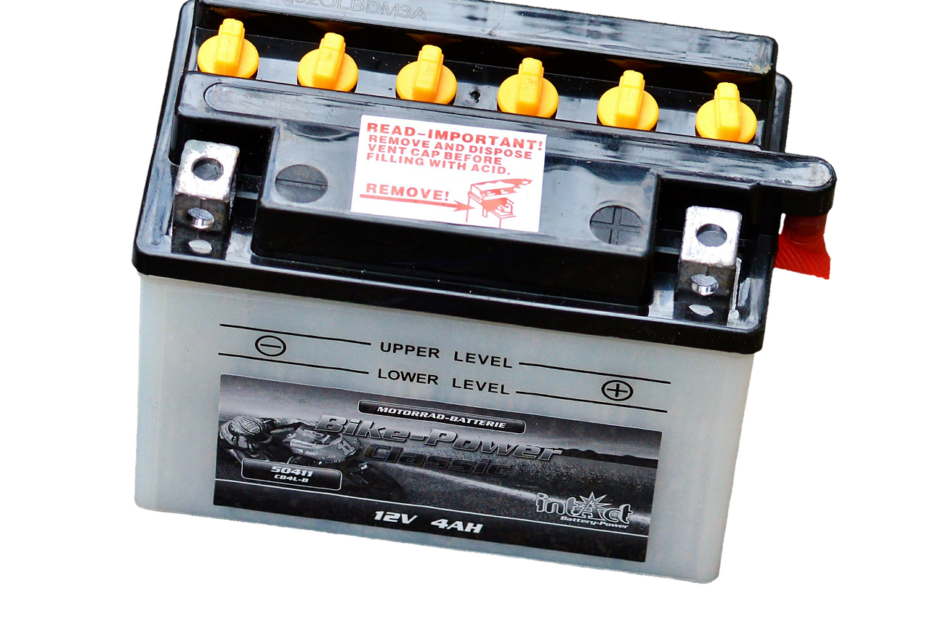
Inside a rechargeable cell, heat, charge level, chemical reactions, and age gradually alter materials, reducing usable energy and power. You see the result as shorter phone runtime, less EV range, slower performance under load, or earlier shutdowns during demanding use.
Here, you’ll see how lithium-ion cells age, which daily stresses carry the most weight, and which warning signs point to service rather than normal wear.
Capacity Loss and Power Loss Show Up Differently
Shorter runtime points to capacity fade, while weak performance during a heavy task points to rising internal resistance. Your phone can still display 100% charge while storing far less energy than it held when new.
A laptop that slows during video work or an EV that limits acceleration on a steep grade may have higher resistance rather than a sudden cell failure. Resistance creates voltage sag under load, so your device reaches its low-voltage limit sooner.
| Change you notice | What it can mean | What separates it from other issues |
|---|---|---|
| Shorter runtime or range | Capacity fade | Energy storage declines across months or years. |
| Weak output under load | Higher internal resistance | Voltage drops and heat rises during demanding work. |
| Sudden shutdown or no charging | Cell, connection, or charging fault | The change appears abruptly rather than gradually. |
| Reduced winter range | Temporary cold-weather loss | Performance returns after the pack warms. |
| Jumping battery percentage | Inaccurate charge estimate | The gauge may need recalibration, not a new cell. |
Inside a lithium-ion battery, lithium ions move between two electrodes through an electrolyte. Irreversible reactions trap some lithium, roughen electrode surfaces, and leave less active material available during each charge-discharge cycle.
Chemical Changes Reduce the Material Available for Charging
Surface reactions consume active lithium
Wear begins at electrode surfaces, where the electrolyte can form unwanted compounds. The solid electrolyte interphase, or SEI, forms on the graphite anode during early use and serves as a protective layer.
A thin SEI layer helps stabilize the cell. As the layer thickens, it consumes active lithium and slows ion movement, leaving your charger to push energy through greater resistance.
That added resistance explains why charging near full can slow and why a heavily used phone warms more easily during gaming. Your battery is not losing charge in one dramatic event; chemical wear accumulates in small increments.
Electrode particles change shape with use
Lithium movement causes tiny expansion and contraction inside electrode particles. Across hundreds of equivalent cycles, particles can crack, lose electrical contact, or expose fresh material to more side reactions.
Heat then feeds the problem. Current moving through resistance produces heat, and higher temperature speeds the reactions that raise resistance further. Your older phone may run warmer during the same app because this loop has strengthened over time.
That accumulating heat burden intersects with two independent timelines: elapsed time and use.
Calendar Aging and Cycle Aging Run on Separate Clocks
Time changes an unused battery
A spare power-tool battery left in a hot garage still ages chemically. Calendar aging describes wear that happens across months, even while the battery remains unused.
High state of charge and warm storage speed voltage-sensitive reactions at the electrodes. Your unused Apple iPhone, Samsung Galaxy, laptop, EV, or home-storage battery does not pause its chemical clock.
Store an unused lithium-ion battery near 40% to 60% charge in a moderate indoor space. That range places less strain on the cell than long storage near empty or near full.
Energy movement causes cycle wear
Cycle aging comes from energy moving in and out of the cell. One full equivalent cycle means 100% of rated energy has moved through the battery, even across four separate 25% discharges.
| Aging path | Main trigger | Example you may see |
|---|---|---|
| Calendar aging | Time, heat, and high charge level | An EV parked full through a hot week. |
| Cycle aging | Total energy moved through electrodes | A work laptop charged and discharged each day. |
| Mixed aging | High energy use plus heat | A delivery vehicle fast-charged after long routes. |
Low use reduces cycle aging, but it does not stop calendar aging. That difference explains why batteries degrade when not in use and why storage habits still shape your long-term capacity.
Because both clocks accelerate under unfavorable conditions, everyday temperature and charge level become especially consequential.
Heat and High Charge Levels Cause the Largest Daily Strain
Heat and full storage lead the stress hierarchy
Sustained heat and long periods near full charge usually matter more than an occasional fast-charge session. A phone under a pillow, a laptop left in a hot car, or an EV parked full during summer holds the cell in a demanding state.
High temperature speeds electrolyte breakdown and electrode damage. Long periods near 100% raise cell voltage, giving calendar aging more time to consume active lithium.
Use a charge limit near 80% when your laptop or phone stays connected through most workdays. Charge to 100% before travel, a long shift, or a planned road trip without treating that choice as harmful.
Deep discharge and high current add strain
Running close to empty adds stress to voltage-sensitive materials, especially during a heavy load. A deep depth of discharge is not disastrous on its own, but repeated low-battery shutdowns give your cell fewer gentle cycles.
Fast charging has a narrower effect than its reputation suggests. High current adds wear mainly where it produces substantial heat, while occasional fast charging in a thermally controlled device carries less weight than chronic heat exposure.
- Keep devices cool: Move charging devices away from direct sun, bedding, upholstery, and enclosed vehicles.
- Use charge limits: Set an 80% cap during long plugged-in periods where your daily range needs allow it.
- Recharge before empty: Plug in before low-power shutdowns become part of your routine.
- Pause heavy work: Stop gaming, rendering, towing, or high-load driving while the battery is already hot.
- Use built-in controls: Let device charging controls regulate current rather than forcing repeated high-current sessions.
Cold Charging and High-Power Use Add Different Risks
Cold weather cuts output before it causes lasting loss
Low temperature slows ion movement, so range and power fall until the cell warms. Your EV may show less range on a freezing morning, while a phone can shut down earlier outdoors.
Those effects differ from permanent capacity fade because performance returns after the battery reaches a warmer operating temperature. Cold weather exposes a temporary limit in ion movement rather than removing stored energy from the cell.
Charging in cold conditions creates a different concern. Lithium plating can form when metallic lithium deposits on the anode instead of entering its structure, leaving material that no longer stores energy normally.
Heavy loads expose rising resistance
Hard acceleration, towing, gaming, 4K video rendering, and power-tool cutting pull current quickly. Your device then produces more heat because internal resistance has risen, even though the task itself has not changed.
A battery management system, or BMS, limits voltage, current, temperature, and cell imbalance. Tesla packs use active liquid thermal management, while a small phone has little surface area and no active coolant to absorb heat.
How strongly these stresses matter depends on the device’s size, cooling system, and operating demands.
Phones, Laptops, EVs, and Home Storage Need Different Habits
Physical size changes how quickly heat builds. A phone battery sits beside processors, cameras, and wireless components, so your Apple iPhone or Samsung Galaxy may warm quickly during charging and intensive use.
| Battery system | Main stress pattern | Useful habit for you |
|---|---|---|
| Phone | Heat from apps, wireless charging, and compact cell size | Remove heat sources and avoid prolonged hot charging. |
| Laptop | Long periods connected to power | Use a charge cap during desk work where available. |
| Electric vehicle | Heat, mileage, and rapid charging | Reserve full charge for planned distance rather than daily parking. |
| Home storage | Calendar aging at one location | Keep equipment in a temperature-controlled space. |
Laptops have room for charge-limit settings, while EV packs use cell balancing to keep individual cells from drifting too far apart. Your BMS can reduce uneven wear, but it cannot restore lithium already consumed by chemical reactions.
Full charging makes sense before an airport day, a long work shift, or a planned EV trip. An 80% limit suits a device that stays connected for eight hours and would leave the extra stored energy unused.
Battery degradation in electric vehicles depends heavily on pack temperature, charging behavior, and miles driven. Thermal management gives EV packs more protection than phones receive, yet heat and time at high state of charge still affect the cells.
Battery Health Data Separates Normal Wear From a Service Problem
State of health measures remaining usable capacity
A 90% rating indicates a battery holds about nine-tenths of the energy it stored when new. A reading of 85% state of health suggests your device stores about 85% of its original usable energy.
Power capability and internal resistance still shape your real-world experience. Your phone may show an 85% health reading yet shut down under a heavy load because voltage drops faster than the percentage display suggests.
Consumer phones and laptops can show clear capacity loss after two to four years. Heat exposure, charging pattern, chemistry, total energy throughput, and cell design can move your result far above or below that range.
Health checks need more than one percentage
Phone and laptop settings can show health estimates, cycle counts, or service alerts. Your EV may show a diagnostic report through its service menu or dealer system.
To check battery state of health, compare runtime under the same brightness, route, workload, and temperature across several sessions. A repeatable pattern tells you more than one battery percentage reading.
IEC 62660 sets performance and safety test methods for lithium-ion cells used in electric road vehicles. Laboratory measurements help engineers compare cells, while repeated conditions show how your own battery performs in daily use.
Storage, Troubleshooting, and Replacement Protect Your Safety
Practical habits slow further wear
Small changes work because you can repeat them without turning charging into a ritual. Keep unused lithium-ion batteries partly charged, store them away from heat, and use charge limits where they fit your schedule.
- Choose hard surfaces: Charge on a surface with airflow rather than under pillows, blankets, or dashboard glass.
- Store mid-charge: Leave spare batteries near mid-charge rather than full or empty for months.
- Use indoor storage: Pick a dry cabinet instead of a vehicle, shed, or sunlit windowsill.
- Wait after freezing: Let a cold battery warm before charging unless its equipment warms the pack itself.
- Track sudden changes: Record shutdowns, rapid drops, and charging errors before seeking service.
Recalibration fixes reporting rather than chemistry
A software gauge can lose track of usable energy and display a jumpy percentage. A controlled discharge and recharge can recalibrate that estimate on some devices, but it cannot restore consumed lithium, cracked electrodes, or a thickened SEI layer.
Swelling, overheating, a burning smell, physical damage, rapid percentage drops, or unexpected shutdowns call for prompt professional service. Stop charging a swollen or damaged battery, because your safety matters more than extracting a few more hours from a failing cell.
Replacement becomes reasonable after capacity loss disrupts your daily use or your device reaches its stated service threshold. A sudden change deserves attention sooner than gradual wear, especially where heat, swelling, or damage appears.
Final Takeaways
Your battery ages through two clocks: time and energy throughput. Heat and long periods at high charge speed both forms of wear, while rising resistance turns demanding use into added heat.
Use sensible charge limits where they fit your routine, then charge fully where your plans require the range. Sudden shutdowns, swelling, overheating, and rapid percentage drops point to a service issue rather than ordinary aging.
FAQ
Can battery degradation be reversed?
Irreversible chemical wear cannot be undone because lost active lithium, cracked electrode material, and increased resistance do not return to their new-cell state. You can correct an inaccurate charge percentage through recalibration on some devices, but your original runtime will not return without a new battery.
Do batteries degrade if you do not use them?
Yes. Calendar aging continues while a battery sits unused, especially in heat or at a high state of charge. Your spare battery lasts longer in a moderate-temperature location near mid-charge than it does fully charged in a hot vehicle or garage.
What are the common causes of battery degradation?
Heat, high charge level, repeated charge-discharge cycles, deep discharge, high charging current, and normal chemical aging are major causes. Your cell also loses performance through electrolyte breakdown, SEI growth, electrode cracking, loss of active material, and rising internal resistance.
Does fast charging degrade a battery faster?
Fast charging can add wear where high current raises cell temperature for long periods. Your occasional fast-charge session is less concerning than repeated hot charging because charging controls lower current as temperature or state of charge rises.
What is the average lifespan of a rechargeable battery?
Consumer phones and laptops can show clear capacity loss after two to four years, while EV packs are designed for far longer service under thermal and charging controls. Your actual lifespan depends on chemistry, heat exposure, depth of discharge, charging pattern, and total energy used.
What causes battery degradation over time?
Heat, high state of charge, chemical side reactions, repeated energy throughput, deep discharge, and high current all add wear. Your battery also ages while sitting unused because calendar aging continues through temperature- and voltage-sensitive reactions.