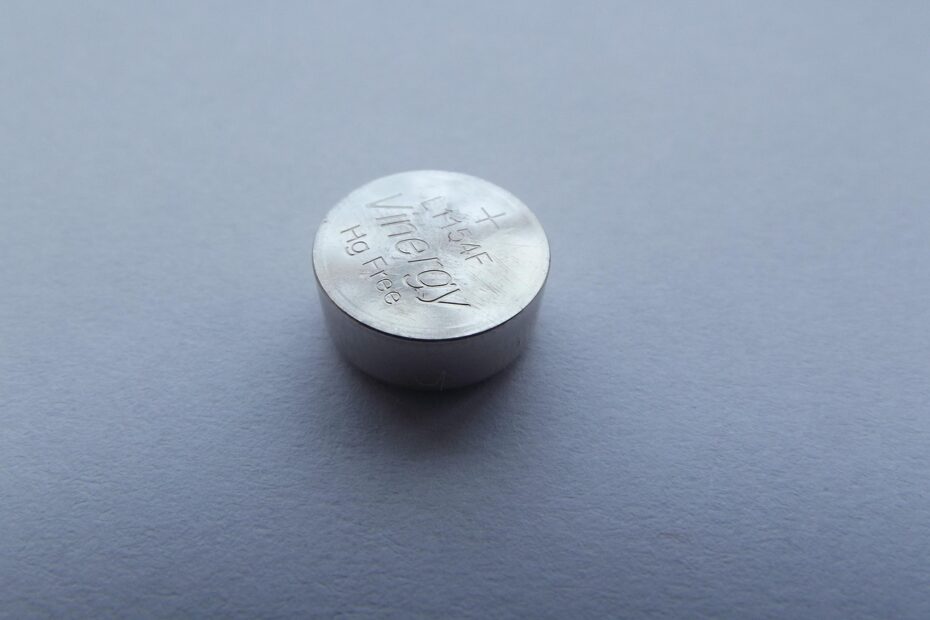
At specialized facilities, used cells move through collection, chemistry sorting, energy stabilization, and recovery of metals, plastics, and active materials. A phone battery can sit quietly in your drawer, yet damaged terminals can spark once pressure or metal contact creates a short circuit.
This explanation follows household cells, electronics, tools, and vehicle batteries from your drop-off choice through sorting, material recovery, and new manufacturing inputs.
Separate Collection Keeps Batteries Out of Dangerous Equipment
A loose rechargeable cell can start a fire inside a garbage truck within seconds. Compactors, conveyor belts, and sorting equipment can pierce a casing, connect battery terminals, and release stored energy as heat.
Your trash and curbside bin handle paper, cans, bottles, and food waste, not live electrical devices. Batteries can sit inside earbuds, greeting cards, toys, toothbrushes, vapes, laptops, and power-tool packs, where damage is easy for you to miss.
Keep lithium-ion batteries out of household trash and curbside recycling. A short circuit can trigger thermal runaway, a rapid self-heating reaction that can spread from one cell to nearby materials.
Separate collection also keeps recoverable material out of landfills and incinerators. Batteries contain metals, plastics, graphite, steel, electrolytes, and active powders that facilities sort into usable material streams.
A broken alkaline battery can leak caustic material, while a swollen lithium-ion pouch can rupture under light pressure. Your next task is identifying the chemistry inside the casing, because chemistry determines every later handling step.
Battery Chemistry Sets the Recovery Route
Two batteries with the same size can require very different handling. A silver-oxide button cell, an AA alkaline battery, and a rechargeable 18650 lithium-ion cell contain different metals, electrolytes, voltages, and fire risks.
Common household battery chemistries
| Battery type | Common uses | Main recovery focus | Handling concern |
|---|---|---|---|
| Lithium-ion | Phones, tools, laptops, e-bikes | Lithium, nickel, cobalt, manganese, copper, aluminum | Fire from damaged or shorted cells |
| Lead-acid | Cars, boats, backup power | Lead, polypropylene plastic, electrolyte | Heavy weight and corrosive acid |
| Alkaline | AA, AAA, C, D household cells | Steel, zinc, manganese compounds | Leakage and low recovery value |
| Nickel-metal hydride | Rechargeable AA cells, hybrid vehicles | Nickel and specialty alloys | Mixed chemistries in collection bins |
| Nickel-cadmium | Older tools and emergency equipment | Nickel and cadmium | Cadmium needs controlled handling |
| Button cells | Watches, hearing aids, remotes | Silver, zinc, mercury-containing parts where present | Small size and ingestion hazard |
Your recycler sorts chemistry before selecting equipment because battery materials react differently to heat, water-based solutions, magnets, and shredders. Voltage, pack size, charge level, contamination, and casing damage also shape the route.
Material value does not make recovery simple
Lithium-ion battery recycling draws attention because some cells contain critical minerals such as lithium, nickel, cobalt, and manganese. Yet a mixed shipment of phone batteries, e-bike packs, damaged vapes, and unknown imports still needs trained handling, fire controls, and chemical separation.
Alkaline batteries show the opposite trade-off. Steel and zinc can be recovered, but transport and processing expenses can exceed the material value, so your county program may send these cells through a household hazardous-waste location.
Those chemistry differences explain why a collection box is only the starting point. Battery collection and sorting must keep unlike materials apart before recovery machinery touches a casing.
Collection and Sorting Start the Controlled Chain
A retailer box, municipal drop-off room, manufacturer take-back program, or household hazardous-waste event serves as the entry point. Staff or trained contractors place batteries in containers that limit movement, terminal contact, and accidental damage.
Collection follows six handling stages
- Receive items Staff separate loose cells, battery packs, electronics, and vehicle batteries at the collection location.
- Inspect condition Swelling, leaks, crushed casings, heat, and recalled products move into a higher-risk stream.
- Identify chemistry Labels, shape, voltage, device type, and pack markings help classify each item.
- Protect terminals Tape, bags, dividers, and nonconductive containers reduce contact between exposed metal ends.
- Group compatible units Similar material travels together, keeping lead-acid, lithium-ion, and nickel-based batteries apart.
- Ship sealed loads Qualified carriers move containers to facilities equipped for the hazard level involved.
Your role ends at the correct drop-off location, yet the battery recycling process has only started. Chemistry-based sorting keeps a lithium-ion pouch out of machinery designed for dry alkaline cells and keeps cadmium-bearing material out of the wrong stream.
Damaged batteries follow a separate route
Swollen, leaking, hot, crushed, or recalled batteries do not belong in an ordinary collection bin. Contact the product maker, your household hazardous-waste program, or a specialized battery location for directions tied to that item.
Do not tape over a torn pouch, press a swollen battery flat, or place a damaged lithium-ion pack in water. Keep it away from flammable material and follow local handling directions.
Stored charge remains a hazard after shipment arrives at a facility. A device that no longer powers on can still hold enough energy for a cutter or shredder to trigger a short circuit.
That residual charge must be neutralized before workers can open or reduce the battery safely.
Stabilization Makes Battery Breakdown Safer
A dead phone does not prove that its battery is electrically empty. Facilities discharge, isolate, cool, or stabilize incoming units before cutting or shredding begins.
Large packs come apart in layers
Electric-vehicle modules, e-bike packs, and power-tool batteries contain more than cells. Technicians remove exterior housings, bus bars, cables, cooling plates, circuit boards, fuses, and connectors before the cells enter a chemistry-specific route.
Your old drill pack can contain dozens of cylindrical cells joined by metal strips. Controlled dismantling separates those parts and keeps copper-rich wiring and aluminum housings out of active battery powders.
Lithium-ion cells produce black mass
After stabilization, lithium-ion cells can enter a sealed shredding system with ventilation and fire controls. Mechanical shredding breaks the pack into plastic, steel, aluminum foil, copper foil, graphite, and cathode-material fragments.
The fine dark powder from that work is called black mass. It contains graphite and compounds with lithium, nickel, cobalt, or manganese, though its makeup changes with battery design and age.
Black mass cannot move directly into a new battery because it remains a mixed powder. Refining must separate metals and compounds into cleaner streams that meet manufacturing specifications.
Recovery Methods Separate Mixed Battery Materials
Shredded battery fragments contain foils, powders, plastic flakes, and steel pieces in the same load. Facilities use physical sorting, high heat, liquid chemistry, or cathode restoration to separate useful material from that mixture.
Mechanical separation sorts physical fractions
Screens, magnets, and density-based equipment divide shredded material by visible and physical traits. Screens divide coarse and fine pieces, magnets pull steel away, air systems separate light plastic, and density equipment helps split copper from aluminum.
Your discarded battery does not become pure metal through shredding alone. Mechanical sorting prepares cleaner input for refining and removes bulky fractions that interfere with later chemical work.
Hydrometallurgy separates dissolved metals
Hydrometallurgy uses liquids to dissolve selected metals from black mass. Operators change acidity, temperature, or reagents in controlled stages so lithium, nickel, cobalt, manganese, and related compounds separate into individual products.
Clean feedstock matters during this route. Excess aluminum, mixed plastics, moisture, and unknown chemistries complicate separation and raise processing expense.
Heat and direct recovery serve different material streams
| Method | How it works | Strength | Trade-off |
|---|---|---|---|
| Mechanical separation | Uses screens, magnets, air, and density sorting | Recovers physical fractions before refining | Does not fully purify active materials |
| Hydrometallurgy | Dissolves metals into controlled liquid solutions | Separates lithium, nickel, cobalt, and manganese | Needs reagent and wastewater control |
| Pyrometallurgy | Uses high-temperature furnaces to form metal alloys | Handles mixed feedstock and recovers cobalt, nickel, and copper | Lithium recovery can be less efficient |
| Direct recycling | Restores cathode powders for battery use | Can reduce energy and chemical use | Needs well-sorted, known chemistry |
Direct recycling keeps the structure of cathode powders instead of reducing every ingredient to raw metal compounds. That route suits clean, identified streams such as manufacturing scrap or a known family of electric-vehicle cells.
Processing choices follow the material that entered the plant. Lead-acid batteries, alkaline batteries, nickel-metal hydride batteries, and lithium-ion batteries arrive with different chemistry, construction, and recovery limits.
Major Battery Types Move Through Different Systems
Lead-acid batteries show why dedicated collection works. Their heavy lead plates, polypropylene cases, and liquid electrolyte enter established recovery systems, and vehicle-service shops commonly accept used car batteries.
Lithium-ion recovery starts with fire control
Lithium-ion batteries require close attention because internal damage can trigger thermal runaway. After discharge and controlled size reduction, facilities recover copper, aluminum, steel, plastics, graphite, and black mass for further refining.
Your laptop battery and an electric-vehicle pack share broad chemistry traits, yet their construction differs sharply. Large automotive packs need disassembly and insulation checks, while small consumer cells can arrive mixed with tape, housings, and attached electronics.
Lead-acid batteries return material at scale
More than 99% of a lead-acid battery’s components can be recovered through direct, well-established material streams. Facilities smelt and refine lead, wash and pelletize polypropylene cases, and handle sulfuric-acid electrolyte under controlled conditions.
A car battery holds more scrap value than a drawer full of AA cells because it contains substantial recoverable lead. Your vehicle shop may charge a core deposit at purchase, encouraging the old unit to return through the proper channel.
Household cells depend on local acceptance
Alkaline batteries can yield zinc, manganese compounds, and steel, but collection access varies by state and county. Nickel-metal hydride batteries contain nickel-rich material, while nickel-cadmium units need a controlled route because of cadmium.
Button cells need separate care. Silver-oxide batteries can contain recoverable silver, and older mercury-containing designs need specialized handling, so keep them apart from loose rechargeable cells.
Each route aims to turn used components into usable feedstock. Recovered material still needs cleaning, refining, and quality checks before it enters a new product.
Recovered Materials Reenter Manufacturing Streams
A recycled lead plate can become part of another lead-acid battery, while recovered copper can return to wiring, electronics, or industrial alloys. Material recovery narrows the gap between discarded products and raw-material demand.
Recovery produces several material outputs
- Refined lead returns to lead-acid batteries and industrial lead products after smelting and purification.
- Copper and aluminum move into wire, foil, alloys, electronics, and battery-component supply chains.
- Nickel and cobalt can become battery-grade salts or feedstock for stainless steel and specialty alloys.
- Lithium compounds need further refining before cathode production or other industrial uses.
- Steel and plastic can enter containers, automotive parts, construction products, and other manufactured goods.
- Graphite-rich material can be refined for industrial uses, though battery-grade reuse demands tight purity control.
Your old phone battery will not always return as the same phone battery model. A circular supply chain sends recovered materials into the product category that matches their purity, chemistry, and commercial specification.
Battery-grade material needs narrow specifications
Battery makers set narrow limits for moisture, particle size, trace metals, and chemical composition. A small amount of contamination can shorten cell life, reduce capacity, or affect safety, so recovered powders pass through refining before reuse.
Second-life use sits ahead of recycling for some large packs. A battery with reduced vehicle range can serve in stationary energy storage after inspection, while damaged or unsuitable packs move into material recovery.
That distinction shapes your choice at home. A collection location handles end-of-life material, while reuse programs need a battery that still passes technical checks and remains safe to operate.
Drop-Off Preparation Protects Collection Staff and Facilities
A strip of nonconductive tape over exposed terminals can stop a loose cell from turning a storage bucket into a short-circuit path. Preparation protects your home, collection staff, transport crews, and the recovery facility.
Prepare used batteries before transport
- Separate battery types Store lithium-ion, button cells, alkaline batteries, and lead-acid units apart before transport.
- Cover exposed terminals Use nonconductive tape where the collection location asks you to protect battery contacts.
- Bag loose cells Place each lithium-ion cell in its own clear bag or use terminal protection to limit metal contact.
- Leave packs intact Do not pry open phone, tool, laptop, or e-bike batteries to remove individual cells.
- Isolate damaged units Keep swollen, leaking, crushed, or hot batteries away from regular collection containers.
- Check acceptance rules Confirm that the location takes your battery chemistry, size, and condition before travel.
Call2Recycle locations accept many consumer rechargeable batteries, though accepted items differ by location. Your household hazardous-waste program can handle broader categories, while vehicle-service shops are a practical route for lead-acid car batteries.
Product makers may offer a take-back route for a laptop, phone, e-bike, vape, or battery pack. Recalls need extra care because the maker can direct you to packaging and shipping instructions for that model.
Battery fire risks from trash disposal also align with guidance from the Environmental Protection Agency (EPA), which directs households toward collection programs rather than curbside bins for rechargeable batteries.
Scrap value follows chemistry and volume
Most individual household batteries have little or no direct scrap value for you. Collection, fire protection, labor, shipping, and refining can outweigh the recoverable metal value in several AA cells or one worn phone battery.
Car batteries and commercial loads differ because lead content and volume can justify payment or a core credit. The amount a battery is worth for scrap depends on chemistry, weight, condition, quantity, regional processing capacity, and metal-market prices.
How battery recycling works becomes practical at drop-off: match your battery to the correct collection stream, protect it before transport, and leave material recovery to facilities built for that chemistry.
Final Takeaways
Separate collection is the hinge point for safe recovery. Your battery holds more material value after it stays out of trash equipment, reaches chemistry-based sorting, receives stabilization, and moves into clean material streams that manufacturing can use again.
FAQ
Can batteries go in curbside recycling bins?
No. Curbside systems crush, compact, and sort mixed materials, which can damage batteries and short their terminals. Put batteries in a dedicated collection program instead, especially lithium-ion cells, power-tool packs, vapes, button cells, and rechargeable electronics.
Can batteries cause fires if they are not recycled?
Yes. Lithium-ion batteries can ignite after crushing, puncture, overheating, or terminal contact with metal. Fires can begin in household trash, waste trucks, transfer stations, and sorting facilities, which is why loose rechargeable batteries need separate collection and terminal protection.
What happens to batteries after they are recycled?
Collected batteries are sorted by chemistry and condition, then discharged, dismantled, shredded, smelted, or chemically processed. Recyclers recover materials such as lead, steel, copper, aluminum, nickel, cobalt, manganese, lithium compounds, plastics, and graphite for further refining and manufacturing.
How should you prepare batteries before taking them to a recycling drop-off site?
Keep batteries separate from household trash and protect exposed terminals with nonconductive tape where the site requests it. Place loose lithium-ion cells in individual bags or protected containers, leave battery packs intact, and contact a specialized program for swollen, leaking, crushed, or recalled units.
Where can you recycle rechargeable, single-use, and car batteries?
Thousands of Call2Recycle locations accept consumer rechargeable batteries, while household hazardous-waste programs may take single-use and specialty cells. Vehicle-service shops are a common drop-off route for lead-acid car batteries. Check your location’s acceptance rules before transport.
Are all types of batteries recycled using the same process?
No. Lead-acid batteries move through dedicated lead, plastic, and electrolyte streams. Lithium-ion packs need fire controls and may produce black mass, while alkaline batteries and nickel-metal hydride batteries follow different material-recovery routes.