Corroded or loose battery cable ends are the kind of failure that strands a vehicle, a boat, or a generator at the worst possible moment. Whether you’re restoring a classic truck, wiring a marine setup, or just replacing a cracked factory terminal, the right hardware makes the difference between a connection that holds for years and one that fails on a cold morning. This roundup covers ten solid options across OEM-style replacements, copper lug kits, crimping tool bundles, and lead military-style terminals, so you can match the gear to the gauge, environment, and skill level in front of you.
Your Options, Compared
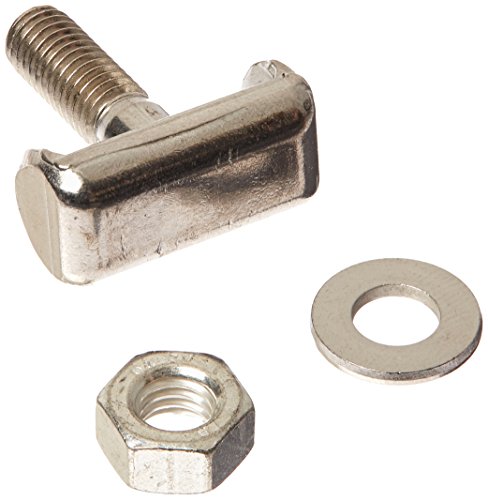
GM 19116852 Battery Cable Tensioner Bolt Kit

RED WOLF 1/0 Gauge Copper Ring Terminals 12-Pack

SVAAR 20pcs Tinned Copper 1/0 and 2/0 AWG Lugs

SVAAR 56pcs Tinned Copper 4/6/8 AWG Lug Kit

SVAAR 68pcs Copper Lugs 1/0, 1, and 8 AWG Kit

SVAAR 72pcs Tinned Copper 2/4/6 AWG Lug Kit

SVAAR 34pcs Bare Copper 1/0, 2, 4 AWG Lugs

Twidec 230PCS Lugs With 10-Ton Hydraulic Crimper

Quick Cable Lead Military Style Terminal Pair

SVAAR 28pcs Copper Lugs 1/0, 2, 6 AWG
The Picks, Examined More Closely
GM owners chasing a factory-correct repair start here. The 19116852 kit ships as a genuine OEM replacement part, which means the threads, plating, and dimensions line up with the original hardware on compatible GM vehicles. For anyone restoring a stock electrical system, that exact-fit promise matters more than shiny extras.
Unlike the copper lug kits further down this list, this is a tensioner bolt kit, not a ring terminal. The trade-off is clear: it solves one specific problem, then it is done. In our view, anyone running a non-GM vehicle or building a custom harness should look elsewhere.
Points In Its Favor
- Genuine OEM factory hardware rather than an aftermarket imitation.
- Maintains the original look and feel of a stock GM engine bay.
- Direct fit reduces the chance of cross-threaded or loose cable ends.
- Trusted choice for restoration projects where authenticity matters.
Trade-Offs To Consider
- Limited to GM applications, so it is a non-starter for other brands.
- No ring terminals or lugs included, just the tensioner hardware.
Who Should Grab It
GM vehicle owners chasing a factory-correct battery cable repair.
Look Elsewhere When
You need ring terminals for a custom harness, where the RED WOLF 1/0 Gauge kit covers that gap better.
Marine and off-grid installers reach for tinned copper lugs because bare copper invites corrosion in damp environments. The RED WOLF kit pairs six 3/8″ and six 5/16″ 1/0 gauge lugs with twelve pieces of 3:1 dual-wall adhesive heat shrink, which seals the crimp joint against moisture once heated.
The honest read is that this kit is purpose-built for one gauge class. If your build mixes 4 AWG and 2/0 cable, the single-size format means buying another kit for the smaller runs. Compared to the multi-gauge SVAAR bundles, RED WOLF trades versatility for a tighter fit in marine contexts.
Features That Help
- Bare annealed copper lugs with a corrosion-resistant surface treatment.
- 3:1 ratio adhesive-lined heat shrink that seals the crimp once activated.
- Matched 3/8″ and 5/16″ stud sizes handle most battery post configurations.
Trade-Offs To Consider
- Single gauge (1/0) means extra purchases for mixed wire sizes.
- Twelve lugs is enough for a focused job but tight for a full rewire.
Key Product Details
Made For
Marine and RV owners who need sealed, tinned copper terminations in corrosive environments.
Swap It Out When
You wire multiple gauge sizes from the same bench, where the SVAAR 68-piece kit is a broader fit.
High-amperage builds, think audio systems, winches, or dual-battery setups, need lugs that shrug off heat and corrosion. SVAAR’s 20-piece set covers 1/0 and 2/0 AWG cable with both 5/16″ and 3/8″ eyelets, plus heat shrink for the finished crimp.
The matte-tinned T2 copper finish handles salt air better than bare copper, and the closed-end barrel design keeps moisture away from the conductor. For most enthusiasts running a 2/0 main feed, this kit covers the heavy end without overbuying.
Strong Points
- Handles 1/0 and 2/0 gauge cable, the heaviest class in this roundup.
- Matte-tinned finish resists corrosion in marine and under-hood environments.
- Closed-end barrel keeps the conductor dry inside the lug.
- Includes 3:1 heat shrink tubing for sealed terminations.
Things To Consider
- Only twenty pieces means it suits targeted heavy-cable jobs, not a full shop restock.
- A proper hydraulic crimper is recommended for these gauges.
Built With In Mind
Installers wiring high-amperage accessories like inverters, audio amplifiers, or winches.
Consider Something Else When
Your build is mostly mid-gauge accessory wiring, where the SVAAR 4/6/8 AWG 56-piece kit fits better.
Mid-gauge accessory wiring is where most home and automotive projects live, and lugs in the 4 to 8 AWG range handle everything from lighting circuits to small inverter taps. This SVAAR kit delivers 56 tinned copper terminals with both 5/16″ and 3/8″ stud options, giving a hobbyist enough stock to make mistakes and still finish the job.
Compare that to the larger 68-piece and 72-piece kits also from SVAAR: those add another gauge tier, but they also cost more per box. If your bench never sees anything heavier than 4 AWG, this set keeps things tidy and affordable.
Well-Handled Touches
- T2 low-resistivity copper with a matte-tinned surface for corrosion protection.
- Closed-end barrel design keeps the conductor sealed from moisture.
- Compatible with both 5/16″ and 3/8″ studs, covering most battery posts.
- Generous 56-piece count for one-off mistakes and future repairs.
Some Limits To Know
- Limited to 4, 6, and 8 AWG, so 2/0 or 1/0 jobs need a different kit.
- Heat shrink tubing is not bundled in this particular SKU.
Quick Technical Notes
Whose Shelf It Belongs On
DIYers running lighting, fan, or small-inverter circuits who want a versatile mid-gauge supply.
A Better Fit Elsewhere
You regularly work with 1/0 or 2/0 main feeds, where the SVAAR 20-piece heavy-gauge set fits the work.
Mixed gauge projects are the norm for anyone restoring an older vehicle or building a custom harness. SVAAR’s 68-piece set bundles 1/0, 1 AWG, and 8 AWG lugs with 3/8″ and 5/16″ eyelets, so a single trip to the bench covers main cables and small accessory feeds.
Rated for 600 volts and built for stranded or flexible copper conductors, the kit handles the same crimping workflow regardless of size. The catch is that you skip 2 AWG and 4 AWG coverage, so projects centered on those mid sizes will leave some pieces unused.
A Few Strong Suits
- Three gauge tiers in one kit, useful for full-vehicle or full-boat runs.
- 600-volt rating leaves headroom for inverter and solar battery banks.
- Works with stranded and flexible copper cable, the common DIY formats.
Practical Considerations
- No 2 AWG or 4 AWG lugs, so mid-gauge projects may need a second kit.
- Heat shrink is not bundled here, plan to source tubing separately.
Feature Rundown
The Right Fit
Hobbyists tackling varied builds who want one kit for main and accessory cable ends.
Reach For A Different Pick When
Your work centers on 2/4/6 AWG mid-gauge wiring, where the SVAAR 72-piece kit covers that range.
At 72 pieces, this kit is the deepest bench-stock option in the roundup. It focuses squarely on the 2, 4, and 6 AWG range, with both 5/16″ and 3/8″ eyelets and the same matte-tinned T2 copper recipe that the rest of the SVAAR line uses.
The honest take is that this kit assumes you will use a lot of mid-gauge lugs. If you only need one or two repairs, the 28-piece starter kit higher up the list is a tighter buy. For a working garage or a marine shop, the 72-piece count keeps the drawer full through multiple projects.
Real Benefits
- Largest piece count in this roundup for true bench-stock buying.
- Marine-grade construction suits damp and outdoor installations.
- Matte-tinned finish reduces oxidation compared to bare copper.
- Heat shrink tubing included for sealed terminations.
Less Ideal Details
- No 1/0 or 2/0 coverage for heavy main-cable work.
- Overkill for one-off household repairs where a smaller kit suffices.
The Main Details
Best Suited To
Shops and frequent DIYers who want a reliable mid-gauge drawer fill that lasts through multiple projects.
Not Your Match When
You only need a few mid-gauge lugs for a single repair, where the SVAAR 28-piece starter set is a lighter buy.
Bare copper lugs offer the lowest electrical resistance in this roundup, but they need a dry, indoor environment to stay bright. This 34-piece SVAAR set covers 1/0, 2, and 4 AWG cable with 5/16″ and 3/8″ eyelets, plus heat shrink for the finished joint.
For shop projects, classic car restorations in dry climates, or any installation where you’ll seal the joint completely, bare copper is a smart pick. The flip side is that marine or under-vehicle environments will tarnish these lugs faster than the tinned kits.
Positive Takeaways
- Pure T2 copper maximizes conductivity over tinned alternatives.
- Three practical gauge sizes cover most heavy and mid-range builds.
- Closed-end barrel keeps the cable end sealed and aligned.
- Heat shrink included for a moisture-resistant finished joint.
Practical Considerations
- Bare copper tarnishes faster than tinned finishes in damp locations.
- Smaller piece count than the multi-gauge 68 and 72-piece kits.
Who Will Love This
Garage builders and restorers working in dry, controlled environments where maximum conductivity matters.
Skip It When
You are wiring a boat or any outdoor system, where the RED WOLF 1/0 tinned kit handles the corrosion risk better.
Buying lugs without a proper crimper is a common DIY dead-end. Cheap plier-style crimpers deform the lug barrel without truly compressing the copper strands, leading to resistance and heat at the joint. The Twidec bundle solves that by pairing 230 copper lugs with a 10-ton hydraulic crimper.
With a 0.45-inch stroke and a 12 AWG through 2/0 AWG crimping range, the tool covers every gauge in this roundup except the 2/0 heavy end. For first-time installers without shop equipment, this is the most complete package on the list.
Noteworthy Benefits
- Includes a real hydraulic crimper that produces consistent, gas-tight joints.
- 230 lugs cover 12 AWG to 2/0 AWG for full project flexibility.
- Heavy-duty pure copper terminals with closed-end barrel design.
- One purchase covers tools and consumables for new installers.
Worth Bearing In Mind
- Hydraulic tool adds bulk versus a basic hammer crimper.
- Bulk of the lugs may outlast a single owner’s project needs.
Right Fit For
First-time installers and weekend warriors who need a crimper and lugs in one bundle.
Look Elsewhere When
You already own a quality crimping tool and just need lugs, where the SVAAR 56 or 72-piece kits alone are a better value.
Restorers chasing a vintage look reach for military-style lead terminals because they match the original equipment used on classic American vehicles and equipment. Quick Cable builds these terminals in the USA with zinc-plated steel fasteners and ships them as a positive-and-negative pair.
Unlike the copper lug kits throughout this roundup, these are clamp-on terminals that bolt directly to the battery post. The long bolts accommodate additional power connections, and the 3/4″ low-profile height fits in tight engine bays. One thing worth considering: lead terminals require occasional cleaning to stay bright.
Positive Points
- Exceeds military specification A52425-1 (positive) and A52425-2 (negative).
- Long bolts allow extra accessory connections at the terminal.
- Low-profile 3/4″ height fits tight engine bay layouts.
- Made in the USA with zinc-plated steel fasteners for durability.
Points To Note
- Lead construction needs periodic cleaning to prevent oxidation.
- Only one pair included, enough for a single battery replacement.
Who It Suits Best
Restorers and classic-vehicle owners wanting an authentic military-style terminal appearance.
Reach For A Different Pick When
You are terminating modern copper cable ends with a crimper, where the SVAAR or RED WOLF kits serve better.
Single-job repairs don’t always justify a 56 or 72-piece kit. The 28-piece SVAAR starter set hands you 1/0, 2 AWG, and 6 AWG lugs with both 5/16″ and 3/8″ eyelets, plus 28 pieces of heat shrink tubing in red and black for polarity marking.
Rated for 600 volts and built for stranded or flexible copper conductors, this kit punches above its size for one-off jobs. Compare that to the bare copper 34-piece set earlier in the list: same gauge range, different finish, similar role. Choose this one for the heat shrink inclusion.
The Upside
- Compact 28-piece count suits one-off repairs without leftover waste.
- 600-volt rating handles automotive, marine, and solar battery banks.
- Heat shrink in red and black helps with clean polarity identification.
- Compatible with stranded and flexible copper conductors.
Honest Caveats
- Limited piece count means reordering for any follow-up job.
- Bare copper benefits from sealing in damp or marine installations.
Spec Overview
Perfect Match For
DIYers tackling one focused repair who want enough lugs and shrink tubing without overbuying.
Another Choice May Suit
You run a busy shop or multi-vehicle fleet, where the SVAAR 72-piece bench-stock kit is the smarter long-term buy.
What To Weigh Before Choosing Battery Cable Ends
The first decision is gauge. Match the lug to the actual wire size you are terminating, often 4, 2, 1/0, or 2/0 AWG for battery cable work, because an undersized lug will not seat properly in the crimp and creates resistance. Mismatched stud size is the next common pitfall: 5/16″ and 3/8″ cover most battery posts, but verify before ordering.
Material matters more than count. Tinned copper adds a corrosion-resistant layer that pays off in marine, off-road, and under-hood environments. Bare copper conducts marginally better in dry, indoor setups but tarnishes faster. Lead military-style terminals suit vintage restorations where authenticity matters more than conductivity.
The crimping method rounds out the choice. Hammer-style and cheap plier crimpers deform the lug without compressing the copper strands, while a proper hydraulic crimper produces a gas-tight joint. First-time installers without tools should consider the Twidec bundle, while experienced shops can buy lugs alone. Heat shrink with adhesive lining seals the joint against moisture and is worth including whenever the cable lives near engine heat or weather.
Smart Buying Angles Across These Picks
Wrong Turns To Avoid
The most common mistake is buying a lug with the wrong stud size, since 5/16″ and 3/8″ posts look similar at a glance but will not interchange. Skipping heat shrink in marine or outdoor installs is another pitfall, because bare crimps corrode fast in salt air. Finally, some shoppers pick a kit by piece count alone and end up with the wrong gauge range. Match the gauges in the kit to the cables on your bench before clicking order.
Where The Extra Money Goes
Premium kits and bundles earn their keep in two ways. Higher-end copper lugs use T2-grade material with tighter annealing standards, which translates to lower resistance and longer service life. Bundled hydraulic crimpers cost more upfront but produce consistent, gas-tight joints that cheap tools cannot match. For a single repair, mid-range tinned kits are the practical sweet spot. For shops or multi-vehicle owners, paying extra for a 68 or 72-piece tinned kit with bundled heat shrink pays back in fewer reorders and longer-lasting connections.
Frequently Asked Questions
What gauge battery cable end do I need?
Match the lug to the wire gauge you are terminating, commonly 4, 2, 1/0, or 2/0 AWG for battery cable work. An undersized lug will not seat in the crimp and adds resistance at the joint.
Are tinned copper lugs better than bare copper?
Tinned copper resists corrosion better in marine, off-road, and under-hood environments. Bare copper conducts slightly better in dry, indoor setups but tarnishes faster when exposed to moisture.
Do I need a special crimper for battery cable ends?
Yes, a proper hydraulic or ratcheting crimper produces gas-tight joints on heavy-gauge cable. Cheap plier-style crimpers deform the lug without compressing the strands, leading to resistance and heat.
What stud size fits most battery posts?
5/16″ and 3/8″ studs cover most automotive and marine battery posts. Verify the post size on your specific battery before ordering, since mismatch is the most common return reason.
Can I solder battery cable ends instead of crimping?
Soldering works on small lugs but is not recommended for heavy-gauge battery cable. A properly crimped joint handles vibration and heat better than soldered joints, which can crack over time.
Wrap Up
The right battery cable ends come down to matching gauge, stud size, material, and tool capability to the job in front of you. OEM-style hardware suits factory restorations, while tinned copper kits win in marine and outdoor builds. Pick the kit that covers your actual cable sizes, and invest in a real crimper if you do not already own one. The connections will outlast the battery.