A flat trailer battery exposed to road grime, kicked-up gravel, and the occasional puddle of standing water rarely lasts a full season. Anyone hauling a camper, utility trailer, or boat-tow rig eventually learns that the gear around the battery matters as much as the battery itself, from the sealed enclosure keeping terminals clean to the shore-power inlet that tops it off at the campground. This roundup pulls together ten practical pieces of trailer electrical hardware, including shore-power inlets, interior lighting, extension cords, a hitch setup, and a diagnostic tool, that solve the unglamorous problems of trailer ownership.
A Snapshot Of The Selections
A Snapshot Of The Selections

PAULINN 20A 125V RV Shore Power Inlet Plug with 5-IN-1 Adapter

NOCO GCP2 15A AC Port Plug with 18-Inch Integrated Cords

Camco PowerGrip 50-Ft 30-Amp Camper Extension Cord
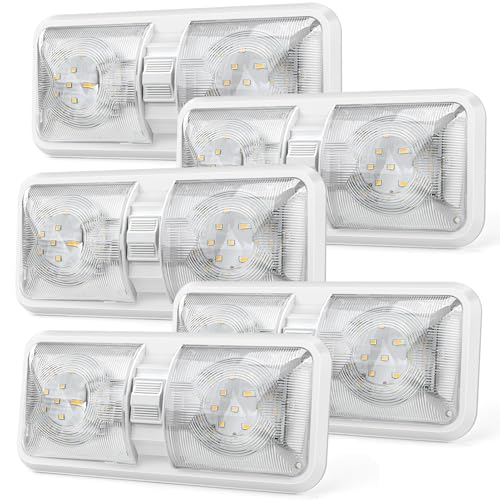
Kohree 12V RV LED Double Dome Lights, 5-Pack

Leisure LED 10-Pack RV Double Dome Light Fixtures

stio 20A 125V AC Port Plug with 3FT Extension Cord

CURT Class 1 Trailer Hitch with 4-Way Wiring for 2014-2017 Soul
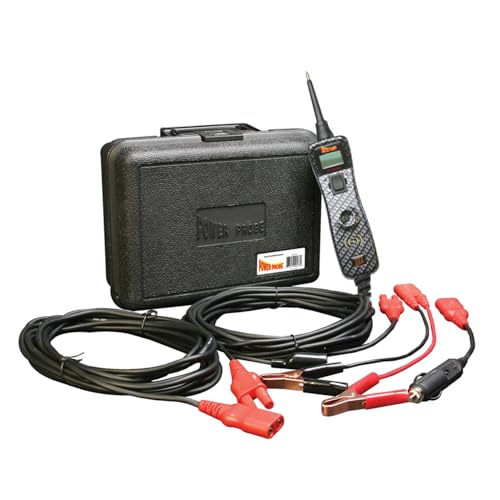
Power Probe 3 Circuit Tester Kit (PP319CARB)

JacEnergy 15A 125V Shore Power Inlet, NEMA 5-15

WELLUCK 15A 125V RV Shore Power Inlet with Dual 18″ Cords
What Each Pick Brings To The Table
Shore-power inlets usually assume one plug shape, then leave you juggling adapters at the campground pedestal. The PAULINN inlet sidesteps that frustration by accepting NEMA 1-15P, 5-15P, 5-20P, 6-15P, and 6-20P cords in a single housing, which is genuinely handy when you travel with mixed gear or share a pedestal with neighbors running different rigs. Two pre-installed 12AWG pigtails, each 18 inches long, branch out the back so you can feed two interior circuits without splicing extra wire.
For trailers that sit outside through summer storms, the sealed face and locking ring give the connection a fighting chance against rain and splash-back. Setup is closer to a half-hour drill-and-mount job than a full wiring project, provided you have a 2-inch hole saw on hand.
Features That Help
- Five plug profiles in one inlet, reducing adapter clutter in the truck bin.
- Dual 12AWG pigtails split the feed to two separate interior runs, useful for separating lighting and outlets.
- 20A rating supports heavier loads like a 1500W inverter or a microwave, not just lights.
- Locking weather cover keeps the inlet sealed between campground visits.
Things To Consider
- 6-15P and 6-20P modes require devices rated for the full 110V to 250V range; a 120V-only appliance on the wrong setting could be damaged.
- The 2-inch mounting hole is standard but demands accurate drilling to avoid a gap that lets water creep in.
Feature Snapshot
Who It Suits Best
Campers who plug in at multiple campgrounds each season and want one inlet to handle whatever pedestal layout they encounter.
Where Another Pick Suits Better
Trailer owners running strictly 15A circuits with a single appliance load may prefer the simpler JacEnergy 15A 125V Shore Power Inlet, which keeps the install compact.
The NOCO GCP2 sits low on the trailer wall, which is the first thing you notice about it visually, and the second thing you appreciate when a gust of road debris hits the side of the rig. The pressure-fit rubber cap seals the inlet between uses, a small detail that matters more than it sounds once you’ve fought a corroded connector after a wet winter. Dual 18-inch outdoor cords exit the back of the housing, so the install stays plug-and-play without splicing.
Where the PAULINN focuses on plug versatility, the GCP2 leans into weather durability and a clean finish. It is a better match for trailers stored outside year-round, especially in coastal or snowy regions, where salt and freeze-thaw cycles punish exposed fittings.
What It Does Well
- Low-profile face reduces snag points on brushy campsites and tight storage spots.
- Rubber pressure-fit cap creates a tight seal without the bulk of a threaded ring.
- Dual integrated leads simplify the install, with no separate pigtails to terminate.
- Outdoor-rated cord jacket tolerates UV and moisture exposure on the wall.
Honest Caveats
- 15A rating caps heavier loads, so high-draw appliances need a different setup.
- The slim cap can stick after years of road grime and is worth inspecting seasonally.
Key Product Details
Made For
Outdoor-stored trailers and marine-side installs where weather sealing is a daily concern rather than an afterthought.
Skip It When
You run higher-draw appliances and need the 20A capacity offered by the stio 20A 125V AC Port Plug instead.
Nothing humbles a campsite setup faster than discovering your trailer’s shore cord reaches the wrong side of the pedestal. The Camco PowerGrip 50-footer solves that with fifty feet of 30-amp cable and chunky handles at each end that actually fit a gloved hand. The same cord works as a Level 1 EV charger extension, which broadens its usefulness beyond just camping weekends.
The handles stay cool to the touch, and the cable jacket is rated for outdoor exposure, so the cord can sit on damp gravel during a long weekend. Compared to the inlets above, this is the side of the equation you grab when the pedestal is just out of reach.
Good Reasons To Consider
- Fifty-foot reach covers awkward pedestal layouts and back-in sites with the post on the far side.
- Ergonomic handles make plugging and unplugging easier, especially in cold or wet weather.
- Doubles as a Level 1 EV extension, useful for homeowners with a plug-in car.
- 30A capacity supports larger RVs, not just compact campers.
Points To Note
- The longer cable adds bulk to the storage bin, weighing down smaller tow vehicles.
- 30A connectors don’t downgrade to 15A outlets without a separate dogbone adapter.
The Right Fit
Campers and travel trailer owners who frequently park on sites where the pedestal is awkwardly placed.
Reach For A Different Pick When
If you only need a short pigtail from an existing inlet, the WELLUCK RV Shore Power Inlet’s built-in 18-inch leads make more sense.
Old incandescent trailer lights turn a camper into a dim cave and chew through battery capacity. The Kohree double dome replacements swap in a neutral white 4000-4500K LED panel that lights up a small bedroom or galley area without harsh blue tint. Each fixture has a three-way switch on the base that lets you run one side, the other, or both, which is genuinely useful when only half the trailer needs light during a late-night water run.
Compared to the Leisure LED 10-pack, this is the lighter refresh: enough fixtures to retrofit a couple of problem spots without buying a wholesale supply. Installation is a two-wire, no-polarity setup that most beginners can knock out in a coffee break.
Everyday Perks
- Three-way switch per fixture cuts power draw when full brightness isn’t needed, helping preserve battery life overnight.
- Heat-resistant housing keeps the lens from yellowing over years of use.
- Two-wire no-polarity install means no fussing over positive and negative at the ceiling.
- Natural white tone flatters wood-grain interiors common in travel trailers.
Trade Offs
- Five fixtures may leave you short on a longer trailer that needs seven or eight lights.
- Mounting screws are included but the hole spacing may not match existing fixtures in older trailers, requiring minor patching.
Feature Card
Best Suited To
Travel trailer owners refreshing a few dim incandescent fixtures without committing to a full interior overhaul.
Look Elsewhere When
You need to light every room in a longer coach at once; the Leisure LED 10-Pack covers a whole trailer in one buy.
There is a specific kind of satisfaction in pulling ten dead incandescent fixtures out of a 1990s camper and dropping in matched LEDs that all share the same warm-neutral tone. The Leisure LED ten-pack is built for exactly that project, with each fixture rated for the same 11-18V operating range, the same natural white output, and the same independent two-side switch. The 2835 SMD chips inside run cooler and last longer than older bulb designs, which matters on ceilings where heat builds up on summer afternoons.
This is the same fixture family as the previous Kohree lights, but in a quantity that suits longer coaches and whole-fleet refreshes for rental fleets or family camper rebuilds. Buy once, install everywhere.
Benefits That Matter
- Ten fixtures cover an entire mid-size travel trailer in a single purchase, simplifying project planning.
- 11-18V input range tolerates the voltage swings of solar charging and alternator feeds.
- Heat-resistant and anti-corrosive housing holds up in humid climates and unventilated ceiling cavities.
- 3-way switch per fixture keeps power draw low when full output isn’t needed.
Less Ideal Details
- Ten fixtures is overkill for a small teardrop or single-room camper.
- Natural white color sits cooler than the warm-yellow bulbs some owners prefer for a vintage feel.
Technical Highlights
Perfect Match For
Trailer renovators doing a full interior lighting overhaul on a longer camper or a small rental fleet.
Swap It Out When
You only need to replace two or three dim fixtures, since the Kohree 5-Pack saves bulk and cost on a smaller job.
The stio inlet shares the same five-in-one plug profile as the PAULINN, but its real differentiator is the 3-foot heavy-duty pigtail option, giving interior runs extra slack to reach a deeper cabinet or a remote junction box. The copper conductor and black nylon housing are sized for genuine 20A continuous loads, meaning a microwave, a 1500W inverter, or a small space heater can run through the same inlet without tripping at the pedestal.
It earns its place on this list for trailers that run heavier loads and want the option of upgrading to a longer pigtail as the build evolves. Compared to the NOCO GCP2’s 15A rating, this one trades a smaller plug profile for raw electrical headroom.
Everyday Advantages
- 20A rating handles microwave ovens and small space heaters without overloading the pedestal breaker.
- Multiple pigtail length options (16-inch to 12-foot) let you match the run to the trailer layout.
- Five-in-one plug face reduces adapter clutter across mixed campground pedestals.
- Nylon housing resists UV and chemical damage on exterior walls.
Some Limits To Know
- Larger pigtail options add to install time and require planning for routing through cabinets.
- Higher amperage demands appropriately rated interior wiring, which may force upgrades in older trailers.
Whose Shelf It Belongs On
DIYers running higher-draw appliances on a towable rig who want a single, capable shore inlet.
A Better Fit Elsewhere
Minimalist campers running only LED lights and small battery chargers will find the NOCO GCP2 plenty capable.
Most trailer electrical stories focus on the trailer itself, but the tow vehicle side deserves equal attention when something at the rear keeps shorting out. The CURT Class 1 hitch with custom-fit wiring is engineered specifically for the 2014-2017 Kia Soul, giving it a 2000 lb gross trailer weight rating and a 4-way flat connector that lights up brake lamps, turn signals, and running lights without splicing into the factory harness. For Soul owners pulling a small utility trailer or a lightweight camper, it closes the loop.
This is a niche pick in a roundup largely aimed at trailer gear, but it earns its spot because the wiring is where most trailer-light troubleshooting begins. Compared to the diagnostic tool coming up next, this is the proactive install, while that one is the reactive fix.
Strengths Worth Knowing
- Custom-fit design eliminates guesswork on a vehicle that wasn’t built with towing as its primary mission.
- 4-way flat connector covers the lighting basics that any trailer needs to be street-legal.
- Rubber dust cover keeps the connector clean between hauls, especially useful on dusty job sites.
- 1 1/4-inch receiver accepts common hitch-mounted accessories beyond just ball mounts.
What To Weigh
- 2000 lb GTW caps this to smaller trailers, not full-size campers.
- Vehicle-specific design limits resale value if you switch tow vehicles.
Built With In Mind
Kia Soul owners pulling a small utility trailer or a lightweight popup camper under 2000 lb.
Where A Sibling Pick Shines
Anyone troubleshooting trailer wiring on a non-Soul vehicle will want the Power Probe 3 Circuit Tester Kit instead.
When a trailer’s brake light works one day and not the next, a multimeter alone can leave you guessing which side of the circuit is misbehaving. The Power Probe 3 lets you supply power or ground to a component directly, watching the voltmeter respond in real time. Its 12-24V range covers everything from a camper house battery to a tow-vehicle charging circuit, and a resettable 8A breaker keeps the tool safe when something short-circuits unexpectedly.
This is the kind of tool that turns a Saturday of frustration into an afternoon of methodical work. Compared to the lighting fixtures above, it doesn’t add capability to the trailer, but it makes every other piece of gear easier to install, diagnose, or repair.
What Works In Its Favor
- Supplies power or ground directly to components, eliminating guesswork in dark electrical bays.
- 20-foot power cable reaches from a tow vehicle battery to the rear trailer connector.
- Resettable 8A circuit breaker protects both the tool and the wiring being tested.
- Continuity and component testing modes consolidate several tools into one.
Points To Keep In Mind
- Learning curve is steeper than a basic test light, so first-time users benefit from a quick start video.
- Carrying case adds bulk to small tool bags.
Who Should Grab It
DIYers who maintain their own trailers and want to chase down electrical gremlins without paying a shop hourly rate.
Consider Something Else When
You simply need a replacement lighting fixture, not a diagnostic tool; the Kohree 5-Pack fits that job better.
Trailers that only need a basic 15A shore-power hookup for lights and a small charger don’t need the adapter juggling of a five-in-one inlet. The JacEnergy flanged inlet is built for that simpler job, with a NEMA 5-15 receptacle that accepts standard household shore cords and a 16-inch integrated pigtail for the interior run. The pressure-fit rubber cover keeps splash out, and three mounting screws hold it flush to the wall.
For boats, van builds, golf carts, and lightweight trailers, this is a straightforward, no-nonsense entry point into shore power. It skips the 20A capacity of the stio and PAULINN inlets in exchange for a smaller hole, simpler wiring, and lower cost.
Real-World Strengths
- Simple 15A design suits boats, vans, golf carts, and small trailers that don’t need 20A capacity.
- 2-inch hole size matches common hole saws already in most DIY tool kits.
- Pressure-fit rubber cover seals out splash and road debris between uses.
- Three-screw mount keeps the inlet flush against the exterior wall.
Small Limitations
- 15A ceiling caps heavier appliance loads, including most microwave ovens.
- Integrated pigtail length may require a junction box extension on deeper interior walls.
The Right Fit
Boat owners, van builders, and small-trailer users who want a basic, weather-resistant shore inlet without the extra amperage.
Not Your Match When
You need to feed heavier loads and want built-in adapter coverage; the PAULINN 20A 125V RV Shore Power Inlet handles that scenario.
Coastal trailer owners know that salt air finds every weakness in outdoor electrical fittings, and UV exposure slowly degrades cheaper plastic housings over a few seasons. The WELLUCK inlet counters both with a nickel-coated copper pole that resists oxidation and a nylon body designed to handle UV and chemical exposure. Dual 18-inch leads exit the back, letting you split the feed into two interior circuits without splicing.
It’s a thoughtful match for trailers stored near the water or in sun-baked southern climates. Compared to the JacEnergy inlet, the WELLUCK trades a slightly more robust material spec for a similar 15A capacity.
A Few Highlights
- Nickel-coated copper pole resists corrosion in salt-air environments.
- Nylon housing tolerates UV exposure without becoming brittle.
- Four long stainless steel screws anchor the inlet firmly through thicker exterior walls.
- Dual integrated cords simplify interior wiring without extra splices.
Worth Bearing In Mind
- 15A rating matches basic shore-power needs but caps heavier appliances.
- Stainless steel hardware adds a small cost step compared to zinc-plated screws.
Made For
Coastal and sun-exposed trailer owners who want a corrosion-resistant inlet that won’t fail after a few seasons.
Another Choice May Suit
Trailering farther north with milder climates makes the NOCO GCP2 a comparable, well-sealed alternative.
Picking The Right Trailer Power And Lighting Hardware
A trailer’s electrical system is really a small ecosystem, and the gear that surrounds the battery shapes how reliably everything runs. Start by matching the inlet’s amperage to the largest appliance you plan to run, since a 15A inlet will reject a microwave even if the pedestal provides 20A. Shore-power cords should be long enough to reach awkward pedestals without stretching, which is why a 50-foot cord covers more campsites than a 25-footer. Interior lighting matters more than most newcomers expect: LEDs at 4000-4500K strike a comfortable middle tone, run cooler, and last years longer than the incandescent fixtures they replace. Diagnostic tools like circuit testers pay for themselves the first time a brake light mysteriously stops working on a Friday night before a trip. Finally, vehicle-side hitches and wiring harnesses must match the tow vehicle exactly; a custom-fit design eliminates the wiring guesswork that often strands owners with trailer lights that refuse to cooperate.
What To Watch Before You Buy
Pitfalls Shoppers Hit
The most common buying mistake is matching amperage to the pedestal rather than to the appliance. A 20A pedestal feeding a 15A inlet looks fine until you run a small space heater and trip the breaker mid-glamp. Another trap is buying a cord without checking the connector type, since 30A twist-lock, 15A straight-blade, and 50A shore plugs all look similar at a glance. Finally, skipping the seal and cover inspection on an outdoor inlet leaves the most vulnerable part of the circuit exposed to splash and road grime, which corrodes terminals within a season in coastal climates.
Where The Extra Money Goes
Higher-tier inlets earn their price through better weather sealing, UV-resistant housings, and adapter flexibility. The jump from a basic 15A inlet to a five-in-one 20A model covers more campground pedestals without buying a separate adapter bag, and a nickel-coated copper pole resists corrosion that would otherwise pit a cheaper brass terminal. For lighting, the upgrade often shows up in heat management and LED longevity, where a better fixture runs cooler and lasts well past the 50,000-hour mark. Spending up is most worthwhile for trailers that see year-round outdoor storage or frequent salt-air exposure, where a basic inlet shows its age within a season or two.
Frequently Asked Questions
What amperage shore inlet does a small camper actually need?
Most small campers with LED lighting and a battery charger run comfortably on a 15A inlet. You step up to 20A only when running higher-draw appliances like a microwave or a small space heater through the same inlet.
Can one shore cord work for both an RV and a Level 1 EV charger?
Yes, a 30A RV cord with standard connectors doubles as a Level 1 EV extension at campsites that offer pedestal power, as long as the EV’s portable charger accepts that amperage.
How long do RV LED ceiling fixtures usually last?
Quality RV LED dome fixtures are commonly rated for 50,000 to 60,000 hours, which translates to many years of typical weekend use before any noticeable dimming.
Do trailer hitches need a separate wiring harness?
Most vehicle-specific hitches require a matching harness to power trailer lights and turn signals. A plug-and-play custom harness avoids splicing into factory wiring and protects resale value.
How do you diagnose a trailer light that works intermittently?
A circuit tester that supplies power or ground directly to the suspect component isolates whether the bulb, the wiring, or the connector is the culprit. This method is faster than swapping parts one at a time.
Final Verdict
Trailer ownership rarely rewards gear that gets the basics wrong. The picks above span the full electrical ecosystem, from the inlet on the wall to the LED dome on the ceiling to the diagnostic tool that keeps it all honest. Match each component to your trailer’s real workload, choose the level of weather sealing that fits your climate, and you’ll spend more weekends enjoying the rig than repairing it.