A sudden outage during a deadline, a brownout that corrupts a NAS, a router that drops mid-call, those moments cost real time. Home offices, small studios, and small server closets all benefit from a sensible battery backup sized to the gear you actually run. This roundup walks through ten UPS picks across desktop, rackmount, and specialty builds, matched to the loads you need protected and the runtime you can expect.
A Snapshot Of The Selections

Eaton 9SX 1000VA 120V Tower UPS

CyberPower CST135UC 1350VA/810W LCD UPS

NCLTHS DC 12V 5A Access Control UPS

Vertiv PowerUPS 200 850VA Desktop UPS

CyberPower CP500PFCRM1U PFC Sinewave UPS

Eaton 5P 1500 Tower UPS 1440VA

CyberPower EC450G Ecologic 450VA UPS

CyberPower PR3000LCD Smart App 3000VA UPS
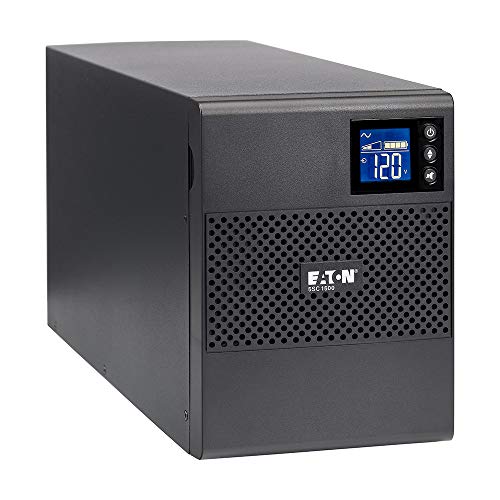
Eaton 5SC1500 Pure Sinewave 1440VA UPS
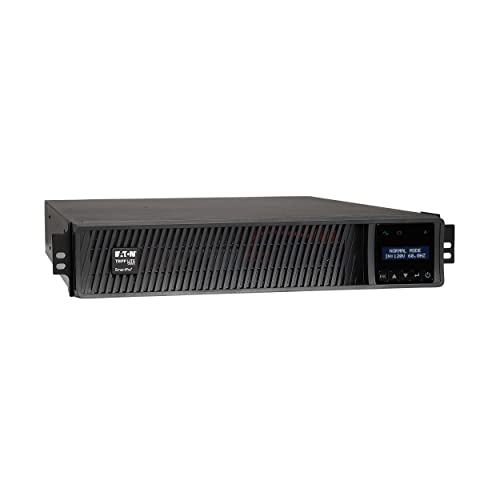
Eaton Tripp Lite SMART2200RM2U 2000VA UPS
What Each Pick Brings To The Table
The Eaton 9SX 1000VA is built around double-conversion topology, a design that continuously rebuilds the AC waveform rather than waiting for the grid to fail. That matters in homes with chronic brownouts, where sensitive electronics get battered every time voltage dips. Picture a recording studio where a brief sag can corrupt a multitrack session; this unit isolates the load from those disturbances entirely.
At roughly 17 kg with a tower chassis around 56 cm tall, it anchors a corner of the office rather than living under a desk. The 120V rating matches North American outlets, and the unit pairs naturally with workstations and network stacks. Anyone running a single desktop tower plus a NAS will find capacity comfortable, though heavy server racks will outgrow it.
Practical Advantages
- Continuous double-conversion isolation shields connected gear from sags and surges before they reach the load.
- 1000VA handles a workstation, monitor, and small NAS comfortably through a typical outage.
- Tower form factor keeps the unit accessible for status checks and battery swaps.
- Stable output reduces wear on power supplies compared to stepped or simulated waveforms.
Things To Consider
- The premium design commands a heavier footprint than most desktop picks in this list.
- Runtime scales quickly with load, so heavier workstations may see only minutes of backup.
Quick Facts
Whose Shelf It Belongs On
Home professionals running active PFC workstations in areas with unstable power who need consistent clean output.
Reach For A Different Pick When
The CyberPower EC450G Ecologic suits casual home users whose only concern is keeping a router and modem alive through short outages.
The CyberPower CST135UC sits in a useful middle ground for home offices that need more headroom than a budget standby unit offers. Its 1350VA/810W rating covers a desktop tower, a 27-inch monitor, and a network switch without breaking a sweat. Line-interactive topology (where the unit actively smooths minor voltage dips without draining the battery) paired with Automatic Voltage Regulation keeps small brownouts from triggering battery use.
That distinction matters over time: AVR extends battery lifespan by avoiding constant charge cycles on minor grid noise. The simulated sinewave output is well matched to standard PC power supplies, though audiophile gear with linear supplies may want pure sinewave instead. An LCD on the front gives you load, battery level, and event logs at a glance.
Notable Gains
- AVR corrects minor voltage dips without draining the battery pack.
- 1350VA capacity suits a full desktop plus monitor, NAS, and router stack.
- LCD readout surfaces load, runtime estimates, and event history without software.
- Mini-tower chassis slips beside a desk without dominating floor space.
Points To Keep In Mind
- Simulated sinewave output may interact poorly with some active PFC power supplies.
- Battery replacement every few years requires downtime for the swap.
Made For
Remote workers and small-office setups running one or two PCs plus networking gear who want diagnostic visibility on the front panel.
Skip It When
The Eaton 5SC1500 Pure Sinewave UPS serves better when the load includes audio/video equipment that prefers true sinewave output.
This NCLTHS unit is not a general-purpose UPS; it is purpose-built for door access systems, maglocks, and entry controllers that need steady 12V DC. The metal-cabinet design supports wall mounting near the access panel where space is tight, and worldwide AC input (110-240V) makes it viable across different electrical standards. If a gate operator or keypad controller loses grid power, this unit keeps the lock released or secured depending on the fail-safe or fail-secure wiring.
What separates it from a desktop UPS is the dedicated DC output and the NC/NO relay contacts that integrate directly with electric lock hardware. Over-voltage and over-current protection shut the unit into self-preservation if the load faults, then reset once the issue clears. Battery is sold separately, so plan for that add-on.
Good Reasons To Consider
- Dedicated 12V DC output matches maglocks, strikes, and access panels natively.
- Worldwide AC input supports installations in mixed-voltage environments.
- Metal cabinet dissipates heat well in enclosed wiring closets.
- Built-in surge and over-current protection guard downstream hardware.
Worth Bearing In Mind
- Battery is sold separately, adding cost and a sourcing step.
- Specialty form factor makes it useless for general computer backup needs.
Who It Suits Best
Security installers and facility managers who need battery-backed 12V for door hardware rather than AC outlet coverage.
A Better Fit Elsewhere
The CyberPower CP500PFCRM1U handles security-room racks far better when 120V outlets and pure sinewave are the priority.
The Vertiv PowerUPS 200 PSA6-850LVT slides into tight retail and small-office settings where floor space matters. At 850VA/530W it covers a point-of-sale terminal, a receipt printer, and a network switch without crowding the counter. Line-interactive topology (the same AVR-correcting design used in the CyberPower CST135UC above) stabilizes voltage swings common in older commercial wiring, while surge protection guards the back end.
For a small store running a single register, this unit supplies enough runtime to wrap a transaction and shut down cleanly. Compared to the larger CyberPower CST135UC above, the trade-off is a smaller capacity ceiling in exchange for a smaller footprint. Surveillance cameras and small network appliances are also well within scope.
What Pays Off
- Compact desktop chassis fits under counters and beside registers.
- AVR-correcting topology prevents battery drain during minor voltage dips.
- 850VA is enough for a full POS station plus network gear.
- Surge protection defends against nearby lightning or HVAC spikes.
Honest Caveats
- 530W ceiling rules out heavier workstations or gaming rigs.
- Limited outlets mean a power strip may still be needed for full setups.
Best Suited To
Small retail counters, kiosks, and surveillance systems that need compact, steady backup rather than long runtime.
Look Elsewhere When
The CyberPower PR3000LCD serves better for full department server rooms where much higher wattage is the priority.
The CyberPower CP500PFCRM1U is a 1U rackmount UPS, a form factor built for AV cabinets and IT racks where horizontal space is at a premium. Pure sinewave output supports active PFC power supplies found in modern servers and high-end workstations, the same equipment that misbehaves on stepped or simulated waveforms. At 500VA, the capacity is modest but the use case is targeted: small rack fixtures and A/V head-end equipment.
EMI/RFI filtration (a filter that blocks electromagnetic and radio-frequency interference from the AC line) is part of the package, which matters for audio gear where line noise translates directly to hiss. The AVR function here mirrors the line-interactive design used in the Vertiv unit above, but adds true sinewave regeneration. Mounting hardware for standard 19-inch racks is included.
Points In Its Favor
- Pure sinewave output is fully compatible with active PFC power supplies.
- 1U form factor keeps rack density intact in small AV or IT cabinets.
- EMI/RFI filtration cleans up line noise that affects audio gear.
- Automatic Voltage Regulation handles brownouts without battery use.
Where It May Fall Short
- 500VA capacity is small for anything beyond a few rack components.
- Runtime on a full load may only be a few minutes.
Who Should Grab It
AV installers and small-office IT managers running compact rackmount gear that demands pure sinewave input.
Swap It Out When
The Eaton Tripp Lite SMART2200RM2U is a stronger match for distributed IT racks needing both pure sinewave and far more capacity.
The Eaton 5P 1500 is the workhorse pick for small server rooms that need serious capacity without moving to 2U or larger rackmount chassis. At 1440VA/1100W and eight outlets, it absorbs a tower server, a switch, and monitoring equipment in one footprint. RS-232 and USB connectivity open the door to graceful shutdown software, so connected hosts power down automatically before the battery hits empty.
Owners commonly report the front LCD and management interface as the strongest usability features. Compared to the Eaton 9SX reviewed earlier, this model uses line-interactive rather than double-conversion topology, which trims cost while still covering most small-business power quality issues. For IT admins, the ability to schedule self-tests and review event logs remotely adds meaningful operational value.
What Helps Most
- 1440VA covers a tower server, switch stack, and monitor with headroom to spare.
- RS-232 and USB enable automated shutdown scripts on connected hosts.
- Eight outlets reduce the need for additional power strips.
- LCD and management interface give visibility into load and runtime.
Trade-Offs To Consider
- Line-interactive topology is a step below the double-conversion isolation of the Eaton 9SX.
- Tower chassis occupies floor space near the server rack.
The Right Fit
Small-business IT admins supporting a single server plus network stack in an office without rack space constraints.
Another Choice May Suit
The CyberPower PR3000LCD is the better pick when the load includes department servers and telecom gear needing higher capacity.
The CyberPower EC450G is the entry-level standby UPS for keeping essentials online during short outages. At 450VA/260W it is sized for a cable modem, router, and a small network switch, exactly the gear that needs to keep running so you can finish a call or a download. Standby topology means the unit idles on the wall outlet and only switches to battery when the grid drops.
The Ecologic branding signals an ECO mode that disables peripheral outlets when the primary device (typically a PC) is off, cutting vampire draw. Eight outlets give flexibility for wall-wart gear, though battery-backed outlets are the ones that matter during an outage. For a home office, this is the minimum tier worth buying, and it fills the role that bigger units would over-provision.
Notable Upsides
- Compact chassis tucks behind a desk or entertainment center.
- ECO mode reduces idle power waste for connected accessories.
- Eight outlets support a mix of battery and surge-only connections.
- Low cost-of-entry for first-time UPS shoppers.
Where It Is Less Suited
- 450VA is too small for any desktop PC workload.
- Standby topology offers no AVR for chronic brownouts.
Who Will Love This
Casual home users protecting a router, modem, and small streaming setup from short utility blips.
Reach For A Different Pick When
The Vertiv PowerUPS 200 is the better choice for small retail or office loads needing AVR and higher capacity.
The CyberPower PR3000LCD is the heavy hitter of this list, delivering 3000VA/2700W in a tower chassis built for departmental server closets. Sinewave output keeps active PFC power supplies happy, and the ten-outlet layout supports multiple servers, switches, and storage appliances on a single unit. AVR, the same brownout-correcting feature reviewed in earlier picks, runs continuously without dipping into battery reserves.
The Smart App branding signals network management capability, letting admins monitor load, battery health, and event logs from a browser. For a small server room with sustained runtime needs, this unit offers a practical alternative to a rackmount unit like the Tripp Lite reviewed below. Owners commonly note the LCD clarity and the audible alarm volume as positive daily-use features, though you may find the fan noise noticeable under heavy load.
Practical Pluses
- 3000VA/2700W covers a department server stack with comfortable margin.
- Pure sinewave output supports modern active PFC power supplies.
- Ten outlets minimize the need for additional distribution hardware.
- Network management interface enables remote monitoring and shutdown scripts.
Points To Note
- Tower footprint requires dedicated floor space.
- Cooling fans ramp up under sustained heavy load.
Perfect Match For
IT teams supporting multiple servers and network appliances in a department-level closet without rack infrastructure.
Look Elsewhere When
The Eaton Tripp Lite SMART2200RM2U fits better in standard 19-inch rack environments needing rack ears over tower footprints.
The Eaton 5SC1500 is the pure sinewave sibling of the 5P1500 reviewed earlier, built for sensitive IT loads that reject stepped waveforms. At 1440VA/1080W it covers the same general capacity envelope, but the pure sinewave output keeps active PFC power supplies in modern workstations and servers running clean. Line-interactive AVR corrects input voltage variations without dipping into battery reserves, extending battery service life.
An LCD front panel and Eaton’s Intelligent Power Manager software give admins visibility into load, battery health, and event logs. Compared to the CyberPower CST135UC reviewed earlier, this unit steps up to true sinewave output for loads that demand it. The honest read is that for most home offices, simulated sinewave works fine; for audio production, lab instruments, and medical-adjacent gear, pure sinewave is the safer bet.
A Favorable Mix
- Pure sinewave output matches the strictest active PFC power supplies.
- Continuous AVR reduces battery cycle count on minor grid events.
- LCD and management software provide remote monitoring capability.
- 1440VA capacity suits workstations, servers, and lab equipment.
Less Ideal Details
- Pure sinewave design carries a price premium over simulated units.
- Tower chassis needs placement away from heat-sensitive gear.
Built With In Mind
Small businesses and prosumers running sensitive IT gear where clean power matters more than raw capacity.
A Better Fit Elsewhere
The Eaton 9SX is worth the upgrade when you need the deeper isolation of full double-conversion topology.
The Eaton Tripp Lite SMART2200RM2U brings pure sinewave output into a 2U rackmount chassis designed for distributed IT and telecom installations. At 2000VA/1950W with seven outlets (a mix of L5-20R and standard 5-20R), it supports a small rack of switches, a server, and managed PDUs in one UPS. Outlet-level monitoring, available on managed outlets, lets you track consumption down to the bank.
For network closets where gear stacks into standard 19-inch rails, this unit replaces a tower UPS cleanly. Compared to the CyberPower PR3000LCD reviewed above, the trade-off is lower capacity in exchange for rack-friendly form factor. Owners commonly cite reliability over years of service as the standout strength, which matters when the UPS sits unattended in a wiring closet.
Advantages To Know
- 2U rackmount form factor integrates cleanly into standard IT racks.
- Pure sinewave output supports active PFC server power supplies.
- Outlet-level monitoring tracks power consumption by outlet group.
- 2000VA covers a small rack of switches and a server.
Small Caveats
- Rackmount rails may require separate purchase depending on the configuration.
- Higher capacity fans generate audible noise in quiet rooms.
Whose Shelf It Belongs On
IT and telecom teams supporting distributed network closets with rack-based gear and a need for clean sinewave output.
Not Your Match When
The CyberPower EC450G is the right pick for small home offices where only a router and modem need protection.
Matching Battery Backup Systems To Real Loads
Sizing The Capacity To Your Gear
The single most common mistake is buying a UPS by VA rating alone rather than by the actual wattage your equipment draws. A modern desktop plus monitor can pull anywhere from 200 to 500 watts, and adding a NAS, switch, and cable modem adds another 50 to 100. Add up the real numbers from your power supplies, then choose a UPS rated for roughly 25 percent more than the total, leaving headroom for inrush spikes when devices power on. The CyberPower CST135UC and Vertiv PowerUPS 200 cover most home office scenarios, while the CyberPower PR3000LCD steps in for full server stacks.
Topology And Waveform Choices
Standby, line-interactive, and double-conversion describe how a UPS handles power transitions. Standby units like the CyberPower EC450G wait for an outage before switching over. Line-interactive units add AVR, which is the brownout-correcting feature used across the CyberPower CST135UC, Vertiv PowerUPS 200, and Eaton 5P picks. Double-conversion units, represented by the Eaton 9SX, rebuild the AC waveform continuously. Sinewave matters too: simulated waveforms work for most PCs, but active PFC power supplies and audio gear often require pure sinewave output to behave properly.
Runtime And Battery Maintenance
Manufacturers quote runtime at half load and full load, and those numbers assume fresh batteries. After two to four years, sealed lead-acid batteries lose capacity and should be replaced to keep the unit honest. Plan a battery swap path before you buy; modular UPS designs are far easier to service than sealed units. Climate matters too: a closet that runs warm will shorten battery life noticeably.
Things Worth Knowing Before You Choose
Common Shopping Slip Ups
The cheapest standby UPS looks like a deal until it cannot carry a desktop PC. Buyers sometimes grab a 450VA unit for a workstation and then watch it shut down the moment a monitor and tower both spin up. Match the capacity to the actual load, not to the wish list. Pure sinewave is also easy to skip on budget, only to discover the active PFC supply in a newer workstation refuses to play nicely with simulated waveforms.
What The Higher Tier Buys
Premium units like the Eaton 9SX and Eaton Tripp Lite SMART2200RM2U earn their place with double-conversion isolation, longer component warranties on internal parts, and management software that handles graceful shutdown across multiple hosts. The upgrade pays off when the gear downstream justifies the protection: a recording studio, a small server closet, or a NAS array holding irreplaceable data. For a single router and modem, the budget tier does the job and the extra spend is hard to justify.
Frequently Asked Questions
How long will a battery backup system keep a router running?
Most 450VA to 850VA units run a cable modem, router, and small switch for roughly 30 to 90 minutes depending on the actual draw, giving plenty of time to finish a call or save work during a typical outage.
Do I need pure sinewave for a home office PC?
Most modern desktops tolerate simulated sinewave fine, but workstations with active PFC power supplies sometimes misbehave on stepped waveforms. Pure sinewave is the safer pick if the budget allows.
Can a UPS replace a surge protector?
A UPS includes surge protection on its battery-backed outlets, but for purely surge-sensitive loads like a TV or printer, a dedicated surge-only outlet on the same unit or a separate strip is the more economical choice.
How often should UPS batteries be replaced?
Sealed lead-acid batteries in most consumer and prosumer UPS units last two to four years under normal office conditions. A self-test every few months surfaces weak batteries before the next outage.
Will a UPS protect against lightning?
UPS surge protection handles small surges and nearby grid events, but a direct lightning strike will overwhelm any consumer-grade surge protection. For storm-prone areas, a separate building-level surge suppressor at the panel is a smarter investment.
Bottom Line
Battery backup systems earn their keep when they match the actual gear on your desk or in your rack, not when they overpromise raw VA numbers. Home offices usually do well with the CyberPower CST135UC or Eaton 5SC1500, while small server closets benefit from the Eaton 5P 1500 or CyberPower PR3000LCD. For specialty loads like access control, the NCLTHS DC unit handles 12V hardware the others cannot touch. Pick the capacity that fits your real load, decide on pure sinewave only when your gear demands it, and you will have a setup that quietly outlasts the next utility blip.