Solar path lights look great in summer and quietly die by Thanksgiving. The battery inside is usually the culprit: cold nights, partial shade, and a cheap cell that never held a full charge to begin with. Replacing the cell, rather than the fixture, is the fastest fix. This roundup covers everything from a single AA you swap into a $4 path light to a 12V lithium bank that backs up an off-grid cabin, so you can match the cell to the job without overspending.
Your Options, Compared

Victron Energy Smart Battery Sense Sensor

Eneloop Panasonic BK-3MCCA8BA AA Rechargeable Batteries 8-Pack
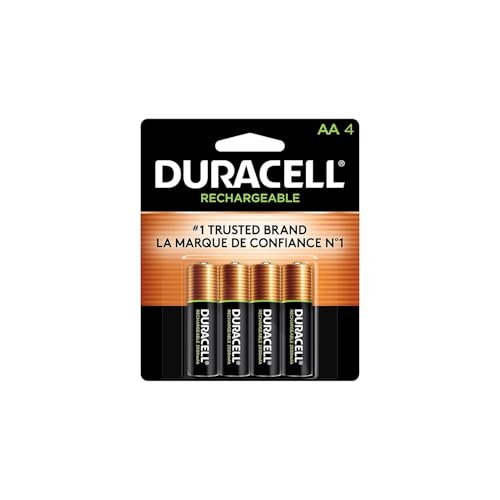
Duracell Rechargeable AA NiMH Batteries 4-Pack

GEILIENERGY Ni-MH AA 600mAh Solar Light Batteries 12-Pack

ECO-WORTHY 12V 314Ah LiFePO4 Lithium Battery

ECO-WORTHY EnergyRock 12V 280Ah LiFePO4 Batteries 2-Pack

ECO-WORTHY 12V 280Ah Metal Case LiFePO4 Battery

GEILIENERGY Ni-MH AA 600mAh Solar Light Batteries 8-Pack
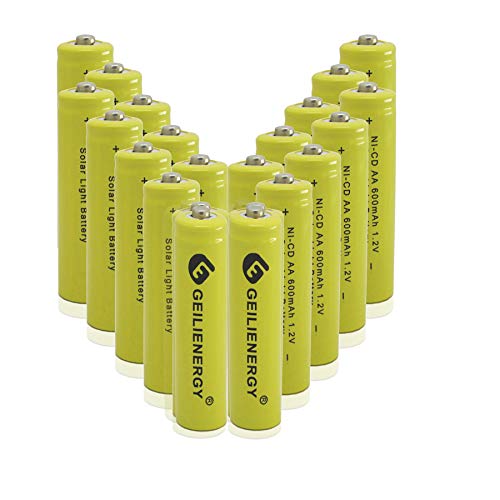
GEILIENERGY Solar Light Batteries AA 600mAh 20-Pack
Teneyuuo Ni-CD AA 200mAh Solar Light Batteries
A Deeper Look At The Lineup
The Victron Smart Battery Sense is not a battery itself; it’s an accessory that wires a Victron MPPT solar charger into the real condition of the bank it feeds. The unit measures voltage and temperature at the terminals and sends that data wirelessly over Victron’s VE.Smart Network, so the charge controller can adjust its output instead of relying on a guess from its own internal sensor.
For a homeowner with a small off-grid lighting system, RV solar setup, or cabin battery bank, that added accuracy can be the difference between a battery that lives through five winters and one that sulfates early. Owners commonly report that pairing the sensor with a Victron SmartSolar charger noticeably improves the depth-of-charge behavior in cold weather, since temperature compensation actually has a temperature reading to work from.
Bright Spots
- Wireless link means no extra control wires to run through walls or conduit.
- Real-time voltage and temperature let the charger apply proper compensation, which tends to extend battery life in cold or hot climates.
- Small, low-profile housing is easy to tuck near a battery box or fuse panel.
- Compatible with any Victron SmartSolar charge controller that supports VE.Smart Networking.
Things To Consider
- Adds no value unless paired with a Victron charger, so it’s wasted on non-Victron systems.
- You still need a separate battery to actually store the solar energy; this is a tuning tool, not a power source.
- Bluetooth pairing can take a couple of tries the first time, depending on phone model and proximity.
Best Suited To
Homeowners and RV owners already running Victron MPPT gear who want longer-lasting battery banks in variable climates.
Consider Something Else When
The Eneloop Panasonic BK-3MCCA8BA AA 8-Pack is the better swap for someone just refreshing AA cells in garden path lights rather than tuning a 12V system.
Eneloop’s AA cells have built a reputation over many product generations as the rechargeables that just keep working. This 8-pack ships pre-charged using solar power at the factory, so you can drop them straight into a remote control, gamepad, or wall-mounted solar accent light without a preliminary top-up. The cells use Ni-MH chemistry (nickel-metal hydride), which handles partial charging better than older Ni-CDs and avoids the “memory effect” that drags capacity down over time.
For shoppers who want one rechargeable AA that pulls double duty across both household gadgets and the occasional solar fixture, this pack earns its place. It isn’t specifically marketed as a solar light replacement, so expect shorter runtimes per night than a 600mAh cell dedicated to a yard light, but the cycle life more than makes up for it in shared use.
Everyday Wins
- Pre-charged at the factory, so they’re usable out of the package.
- Hundreds of recharge cycles per cell, which spreads the cost over years of typical household use.
- Low self-discharge rate keeps them holding most of their charge during long storage on a shelf or in a drawer.
- Standard AA size fits dozens of devices around the home beyond solar lights.
Honest Caveats
- Capacity is lower than dedicated solar-light cells, so a path light may dim earlier on a winter night.
- A separate Ni-MH charger is required; using a fast non-Ni-MH charger can shorten cell life over time.
Quick Facts
Whose Shelf It Belongs On
Multi-device households that want one rechargeable AA to share between remotes, gamepads, and occasional solar accents.
Skip It When
The GEILIENERGY Ni-MH AA 600mAh 12-Pack makes more sense for someone whose main goal is refreshing a yard full of path lights at one time.
Duracell’s rechargeable AA lineup is the easy default for shoppers who don’t want to research. The cells use Ni-MH chemistry and arrive pre-charged, so you can slot them into a wireless mouse or TV remote the moment the package opens. Country of manufacture is listed as Japan, which usually signals consistent quality control on coin-cell-style rechargeable products.
For solar lights specifically, these are general-purpose cells rather than high-capacity replacements, so a single winter night may cut runtime shorter than a dedicated 600mAh solar cell. Where they shine is the swap-and-forget convenience: most households already know the brand, can find a charger in a drawer, and don’t have to learn anything new.
What Earns Its Place
- Pre-charged and ready to use straight from the pack.
- Mainstream brand with wide retail availability, making replacements easy to find later.
- Ni-MH chemistry holds up to partial top-offs better than older Ni-CDs.
Points To Note
- Four-cell pack is small; large solar refits will chew through it quickly.
- Runtime per charge in a solar light may be modest compared to a 600mAh replacement cell.
The Right Fit
Shoppers who want a familiar brand for everyday devices and just a couple of solar fixtures, not an entire yard.
Look Elsewhere When
The Teneyuuo Ni-CD AA 200mAh 8-Pack fits older fixtures that originally shipped with Ni-CDs better than a Ni-MH swap.
GEILIENERGY’s 12-pack of 600mAh Ni-MH AA cells is built for one specific job: replacing the dead batteries inside a row of yard path lights. The 600mAh rating lines up with the original cells in most common garden fixtures, and the 1.2V output matches what those lights expect to see. Rated for up to 1000 recharge cycles, the pack is intended to be installed once and then topped up daily by each fixture’s own solar panel for years.
This is the cell to reach for when half a dozen path lights start dimming by October. The trade-off is that 600mAh is on the modest side; in deeply shaded yards or during long winter nights, you may notice runtime dipping sooner than newer lithium-iron-phosphate designs promise.
The Value In It
- Twelve cells in one pack handles a full yard of path lights at once.
- 600mAh capacity matches what most garden fixtures shipped with originally.
- Rated for up to 1000 recharge cycles under typical solar charging conditions.
- Ni-MH chemistry handles partial charging without the memory issues of Ni-CD cells.
Small Caveats
- Capacity is lower than lithium-iron-phosphate replacements, so shaded-yard runtime may disappoint.
- Cells should be drained close to empty before recharging for longest life, which isn’t always easy to control with a solar panel.
Feature Snapshot
Who It Suits Best
Homeowners with a dozen-or-so path lights who want a single, low-fuss replacement batch.
Another Choice May Suit
The GEILIENERGY 8-Pack is a smaller-quantity alternative for someone refreshing just a handful of fixtures.
The 314Ah ECO-WORTHY LiFePO4 is the largest single battery in this lineup by capacity, and the one most likely to anchor a whole off-grid lighting system rather than a path light. Lithium-iron-phosphate chemistry (LiFePO4) trades some energy density for vastly longer cycle life and better thermal stability than older lithium-ion designs, which is why it has become the default for stationary solar storage. The built-in 200A BMS (battery management system) protects the pack from over-discharge, over-current, and short circuits, while low-temperature cut-off helps prevent charging damage in freezing weather.
Bluetooth monitoring and a SOC LED indicator on the housing let you check state of charge without crawling around with a multimeter. For a homeowner running multiple LED fixtures on a 12V DC bus, an RV, or a small cabin solar array, this is the cell that quietly powers everything from dusk to dawn.
The Upside
- 314Ah capacity translates into thousands of watt-hours of usable off-grid storage.
- LiFePO4 chemistry is rated for thousands of deep cycles, far beyond lead-acid.
- Built-in BMS with low-temp cut-off protects the pack in cold winter conditions.
- Bluetooth readout and SOC LEDs make monitoring easy from a phone.
Possible Compromises
- Single large-format cell is heavy; moving it into a battery box usually takes two people.
- Up-front cost is high compared to swapping AA cells in path lights, so it only makes sense at system scale.
- Low-temp protection disables charging below freezing, so cold-climate users may need an insulated enclosure.
Spec Overview
Made For
Off-grid homes, RVs, and small cabins running a 12V DC lighting system with solar input.
Reach For A Different Pick When
The ECO-WORTHY EnergyRock 280Ah 2-Pack suits shoppers who want flexibility to expand capacity later by paralleling batteries.
The EnergyRock 2-Pack arrives as two 280Ah LiFePO4 cells in metal enclosures, sold together for users who want either a paralleled bank for higher capacity or two separate systems for different buildings. The metal housing upgrades the older plastic case design, which ECO-WORTHY states was switched in mid-2026 for improved durability and heat resistance. The internal cells, capacity, and performance are unchanged between the two label variants shipped from the warehouse.
Compared to the single 314Ah pack, two 280Ah units in parallel give you slightly less total energy storage but more flexibility: one cell can run the cabin lighting while the other handles the shed, or both can be combined for an RV house bank. Bluetooth monitoring and the 200A BMS are unchanged.
Useful Strengths
- Two-cell configuration supports parallel expansion as power needs grow.
- Metal case improves heat dissipation and physical durability over earlier plastic enclosures.
- Bluetooth state-of-charge monitoring from a phone is built in.
- Low-temp protection prevents charging damage in cold conditions.
Trade Offs To Consider
- Total pack weight is substantial; two cells require careful mounting or a battery box.
- Wiring two cells in parallel demands correctly sized cables and fuses to balance current safely.
Right Fit For
RV and cabin owners planning a scalable solar bank who want matched cells from a single order.
A Better Fit Elsewhere
The single ECO-WORTHY 280Ah Metal Case battery is the cleaner choice when only one bank is needed.
The single 280Ah LiFePO4 in a metal enclosure hits a sweet spot for users who want a robust, all-in-one battery without committing to a 2-pack. The metal shell is heavier than the older plastic design but offers noticeably better fire resistance and heat dissipation. ECO-WORTHY ships the same internal cell with two exterior label styles selected at random, so the box you receive may look slightly different from a friend’s purchase but will perform identically.
For solar lighting at the system level (cabin, shed, RV, or trolling-motor setups) this cell holds enough reserve to run a string of 12V LED fixtures through several cloudy days. The weak-current power switch on the housing lets you cut the pack off without disconnecting cables, a small but useful safety touch during storage.
Why It Works Well
- 280Ah capacity supports a 12V lighting system through extended cloudy stretches.
- Metal enclosure adds heat and fire resistance over older plastic cases.
- Bluetooth monitoring and a low-current cutoff switch are convenient touches.
- 200A BMS guards against over-discharge and short-circuit events.
A Few Limitations
- Single-cell design is heavier than splitting the same capacity across two units.
- Bluetooth antenna range is short; signal drops once you’re more than a few feet away with the case closed.
Key Attributes
Who Should Grab It
DIY solar builders needing one rugged, well-protected cell for an off-grid lighting or trolling-motor system.
Not Your Match When
The Victron Smart Battery Sense is the smarter purchase if you already own a Victron MPPT charger and just want better charge accuracy.
The 8-pack version of GEILIENERGY’s solar-light cell fits the front-yard shopper who isn’t ready to commit to a 12- or 20-pack. The cells are explicitly marketed as replacements for common solar garden light brands such as Intermatic and Malibu, and the 600mAh rating matches what those fixtures originally shipped with. Beyond yard lights, they double as standard rechargeable AAs for remotes and mice around the house.
For most suburban yards with six to eight visible path lights, eight cells cover one full swap with a couple of spares. Cells should be allowed to discharge close to empty before recharging for longest life, which is built into daily solar use but is worth remembering if you swap them into a flashlight.
What Makes Sense
- Eight cells is a comfortable quantity for a typical front-yard refresh.
- 600mAh capacity lines up with original solar garden light cells.
- Multi-use: works in remotes and mice when not needed in yard fixtures.
Worth Bearing In Mind
- Draining cells fully before recharging extends life, which solar panel behavior doesn’t always guarantee.
- Capacity is modest compared to newer lithium-iron-phosphate garden cells when those become available.
Perfect Match For
Homeowners with a small cluster of yard lights who want one convenient replacement batch.
Where A Sibling Pick Shines
The GEILIENERGY 20-Pack is the better deal per cell for someone refreshing a larger yard.
The 20-pack is the same 600mAh Ni-MH AA cell in bulk form, aimed at owners of large yards, long driveways, or rental properties with a dozen-plus fixtures. Each cell drops into common solar garden lights from Intermatic and Malibu, and doubles as a regular household AA when not in use. Buying in this quantity also means you can keep spares on hand for the next batch of dim lights next year.
For most shoppers, twenty cells is a long-term investment rather than a one-off purchase. If your yard has fewer than ten fixtures, the smaller 8-pack or 12-pack makes more practical sense; this one earns its keep when you genuinely need a full fleet replacement at once.
What Stands Out
- Twenty cells in one pack covers an entire large-yard refit with spares to spare.
- Compatible with the most common consumer solar light brands.
- Cells recharge through the fixture’s existing solar panel, no separate charging station needed.
Soft Spots
- Overkill for small yards with only a handful of fixtures.
- Cells can lose capacity if constantly topped up without a full discharge, which solar winter conditions sometimes prevent.
Built With In Mind
Owners of large properties or property managers handling multi-fixture replacements in a single session.
Swap It Out When
The Teneyuuo Ni-CD AA 200mAh 8-Pack is the correct replacement for older fixtures that originally used Ni-CD chemistry.
Ni-CD (nickel-cadmium) AA cells at 200mAh are a niche pick these days, but they remain the right answer for older solar lights that originally shipped with Ni-CDs. Mixing chemistries in a multi-cell fixture can lead to uneven charging and early failure of the new cells, so matching the original chemistry matters more than chasing higher capacity. The 1.2V output and standard AA size are compatible with most legacy fixtures.
For shoppers with a string of older garden lights or path markers from a decade ago, this is the cell that keeps them running without rewiring the fixture. Newer yards are better served by Ni-MH replacements, since Ni-CD capacity tops out low and the cells need full discharge cycles to avoid memory effect.
Useful Highlights
- Ni-CD chemistry matches what many older solar fixtures were designed around.
- Tolerates a wide temperature range, which helps in unheated outdoor fixtures.
- Standard AA size drops into the existing battery bay without modification.
Some Limits To Know
- 200mAh capacity is low by Ni-MH standards, so newer fixtures will run dimmer for shorter stretches.
- Ni-CD cells benefit from full discharge cycles, which solar top-up behavior doesn’t always provide.
Who Will Love This
Owners of older solar garden lights who want a like-for-like chemistry swap rather than mixing Ni-MH cells into a Ni-CD fixture.
Where Another Pick Suits Better
The Duracell Rechargeable AA 4-Pack is a smarter pick for households needing a familiar Ni-MH replacement across modern remotes.
Matching The Right Cell To Your Setup
Why Capacity And Chemistry Drive Real-World Runtime
A solar light’s night-time performance comes down to three numbers working together: cell capacity (measured in mAh or Ah), nominal voltage (1.2V for most AA replacements, 12V for system batteries), and chemistry. Ni-MH cells at 600mAh typically run a small path LED for six to eight hours per summer night before dimming. Lithium-iron-phosphate cells at 280Ah run entire 12V lighting systems for days between charges, which is why the larger packs on this list look absurdly over-spec for a single yard light but make sense at the cabin level. The honest read is that capacity beyond a fixture’s draw is wasted money, while capacity below it shows up as dim, short-lived light by November.
How Battery Form Factor Affects Your Project
Picking the right battery starts with the fixture or system, not the cell. AA-size Ni-MH replacements fit consumer garden lights, where space is tight and draw is low. 12V LiFePO4 packs fit larger systems: an off-grid cabin running LED strips, an RV house bank, a shed with multiple fixtures on a DC bus. Accessories like the Victron Smart Battery Sense matter only when you already have a compatible charge controller; without one, it has no system to tune. Match the form factor to your project first, then compare capacity within that form factor.
When To Replace Versus Upgrade The Whole Fixture
Most solar path lights from the last decade use replaceable AA cells, which makes a battery swap a five-minute job with a screwdriver. Newer integrated LED fixtures with sealed lithium packs aren’t designed for end-user battery swaps; once the internal cell fades, the fixture is effectively disposable. If your lights are older than ten years, swapping cells usually buys another two to four seasons. Newer sealed fixtures are often worth replacing outright when the cell fades, since LED efficiency has improved enough that a fresh fixture will outrun a refurbished one.
Key Considerations Across These Picks
Common Buying Traps
The biggest mistake is matching voltage without matching chemistry: dropping Ni-MH cells into a fixture originally built for Ni-CDs, or vice versa, can cause uneven charging and shortened cell life. The second trap is over-buying capacity; a 280Ah LiFePO4 in a yard with four path lights is wasted weight and money. Finally, shoppers sometimes overlook self-discharge rate, which matters for any cell that sits in storage between seasons. A low self-discharge Ni-MH or properly stored LiFePO4 will hold its charge through winter far better than a standard Ni-MH cell left in a drawer.
Where The Extra Money Goes
Higher-tier LiFePO4 packs cost more because they include a real BMS (battery management system) board, low-temperature cut-off, Bluetooth monitoring, and a metal enclosure that older plastic shells can’t match. Each of those adds safety, longevity, or convenience that cheaper cells skip. The upgrade pays off when the battery lives through a freezing winter, balances cells across thousands of cycles, or warns you before it goes flat. For a single AA path light, none of that matters; for an RV or cabin bank, it’s the difference between a battery that lasts a decade and one that fails in two winters.
Frequently Asked Questions
Can You Use Regular Rechargeable AAs In Solar Lights?
Regular rechargeable AAs work in most solar garden lights, but a cell specifically rated for solar lighting typically matches the original capacity and self-discharge profile more closely, which extends nightly runtime.
How Long Do Solar Light Batteries Usually Last?
Ni-MH cells in daily solar use tend to last two to four seasons before capacity drops noticeably. LiFePO4 packs in stationary solar systems can last a decade or more under proper charge management.
Is It Worth Upgrading To Lithium-Iron-Phosphate Batteries?
For small path lights, the upgrade is rarely worth the extra cost. For 12V off-grid lighting systems, RV banks, or cabin solar setups, LiFePO4’s longer cycle life and thermal stability justify the higher up-front spend.
Why Do Solar Lights Stop Holding A Charge?
Cold nights, partial shade on the solar panel, and natural cell aging are the usual suspects. Replacing the cells every few seasons restores most of the original runtime.
Can You Mix Old And New Batteries In The Same Fixture?
Mixing cells of different ages or chemistries inside one fixture causes uneven charging and usually shortens the life of the newer cells. Replacing the whole set at once is the safer move.
The Takeaway
The right battery depends entirely on the project: AA Ni-MH cells for path lights, larger LiFePO4 packs for system-level storage, and accessories like the Victron sensor when you want existing Victron gear to charge more accurately. Match the chemistry, voltage, and capacity to the fixture first, then pick the cell that fits your yard or system without overbuying.