A reliable home solar setup lives or dies by its battery bank, and the gap between a weekend experiment and a real off-grid or backup system usually comes down to storage choices. Anyone wiring panels to run a fridge during outages, an off-grid cabin, or a shed workshop needs to match battery chemistry, capacity, and low-temperature behavior to the climate and load. This roundup walks through ten widely available options, from large LiFePO4 deep-cycle banks to plug-and-play portable stations, with a clear sense of who each one actually serves.
How The Shortlist Stacks Up

VATRER POWER 12V 300Ah LiFePO4 Battery with APP Monitoring

VATRER POWER 12.8V 460Ah Self-Heating LiFePO4 RV Battery

Mighty Max 12V 18AH SLA Battery (2-Pack)

BLUETTI Elite 200 V2 Portable Power Station 2073.6Wh

EF ECOFLOW Delta 3 Portable Power Station 1024Wh

ECO-WORTHY 12V 314Ah LiFePO4 Battery with Bluetooth

ECO-WORTHY EnergyRock 12V 280Ah 2-Pack LiFePO4

BLUETTI AC200L Portable Power Station 2048Wh
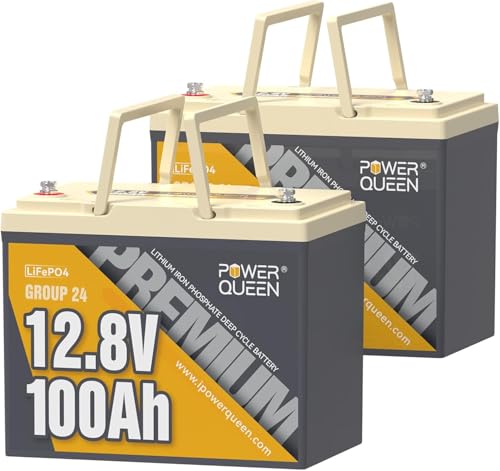
Power Queen 2-Pack 12V 100Ah LiFePO4 Group 24

ECO-WORTHY 12V 280Ah Metal Case LiFePO4 Battery
The Details Behind The Selections
Whole-home backup builds usually need one bank that can handle both steady storage and sudden surges, and this VATRER POWER pack leans into that exact dual role. The battery management system (BMS) shifts between a deep-cycle storage profile and a power mode that supports engine starting, so the same cell can sit in a rack feeding an inverter or deliver a brief cranking pulse when a generator kicks in.
Compared with the larger 460Ah VATRER unit below, this one prioritizes versatility per amp-hour rather than outright capacity. For homeowners running a modest solar array with occasional generator backup, that flexibility matters more than sheer size.
The Good Stuff
- Dual-mode BMS handles storage and starting in one unit
- 300Ah capacity supports multiple days of light household loads
- Smartphone app lets you check state of charge from inside the house
- Long cycle life suits daily solar cycling for years
Points To Note
- Heavier than smaller Ah packs, so plan mounting space carefully
- App-dependent monitoring means occasional firmware updates are worth watching for
Who It Suits Best
This battery fits homeowners running a mid-size solar array who want one bank that doubles as both storage and a backup cranking source.
Look Elsewhere When
The Mighty Max 12V 18AH SLA pair is a better fit for anyone needing a small, low-cost replacement for an existing alarm or backup panel.
Anyone storing batteries in an unheated garage or a northern off-grid cabin knows the frustration of a lithium bank refusing to take a charge in winter. This 460Ah VATRER pack includes a self-heating function that the BMS triggers when temperatures drop, warming the cells just enough for safe charging.
It’s a noticeably larger Ah rating than the 300Ah model above, so the trade-off is bulk versus weather resilience. For year-round off-grid cabins in the Midwest or Northeast, that bulk is often a worthwhile price.
Practical Pluses
- Automatic self-heating prevents cold-weather charging lockouts
- 460Ah capacity extends runtime for full-day solar generation
- App monitoring tracks state of charge and temperature remotely
- Sturdy LiFePO4 chemistry tolerates deep daily cycling
Trade-Offs To Consider
- Shipping falls under hazardous materials rules, so delivery can take longer
- Physical size requires planning battery box or compartment dimensions
- Self-heating draws extra power, slightly reducing winter efficiency
Made For
This pack is built for off-grid households and RVers in cold climates who need dependable winter charging without bringing batteries indoors.
A Better Fit Elsewhere
The BLUETTI Elite 200 V2 is a smarter choice for someone who values a self-contained plug-and-play station over a raw battery bank.
Not every solar project needs a 300Ah lithium giant. Small backup loads, security panels, and gate openers often run fine on sealed lead-acid (SLA) chemistry, and Mighty Max has kept a tight 18Ah replacement on the market for years. The pair ships as a sealed, maintenance-free bundle at a notably lower cost per unit than lithium.
Unlike the larger lithium banks on this list, these are designed for shallow, intermittent cycling rather than daily deep discharge. That makes them a useful complementary pack rather than the main storage of a serious off-grid home.
What Stands Out
- Low upfront cost per battery for replacement projects
- Sealed, maintenance-free design mounts in any orientation
- Wide operating temperature range suits indoor and outdoor boxes
- Two-pack format covers a typical small dual-circuit setup
Honest Caveats
- Deep discharge shortens SLA cycle life compared with lithium
- 18Ah rating limits runtime to small loads
- Heavier per usable Ah than lithium equivalents
Best Suited To
This pair is right for DIYers replacing worn alarm panels, sump pump backups, or small solar shed lighting where deep cycling isn’t part of the daily routine.
Skip It When
The ECO-WORTHY 314Ah Bluetooth battery serves you better if you want a modern LiFePO4 bank that handles daily deep cycling for a real solar array.
Portable stations trade DIY wiring for an all-in-one box, and the BLUETTI Elite 200 V2 leans hard into high-wattage output. The inverter handles continuous loads that would overwhelm smaller stations, making it a realistic option for keeping a fridge, lighting, and communications gear online during a multi-hour outage.
Set beside the ECOFLOW Delta 3 below, this one is the heavier, higher-capacity sibling. For homeowners who want a single unit they can wheel into the kitchen and plug into wall outlets, that physical simplicity is the real draw.
A Favorable Mix
- High continuous output covers kitchen and work-from-home gear
- Large capacity supports overnight loads on a single charge
- All-in-one design removes inverter and wiring complexity
- LiFePO4 cells inside for long service life
Worth Bearing In Mind
- Not modular in the same way as raw battery banks
- Weight makes true portability a two-person task
Right Fit For
This station is a strong match for homeowners who want outage coverage without hiring an electrician to install a battery wall.
Reach For A Different Pick When
The VATRER POWER 460Ah self-heating bank is the better choice if you need a permanent wired battery array in a cold garage or shed.
Capacity needs rarely stay fixed, and ECOFLOW built the Delta 3 around that reality. The unit starts modest but accepts extra battery packs and integrates with larger siblings, so you can grow a household backup system one purchase at a time instead of sizing everything upfront.
Compared with the BLUETTI Elite 200 V2 above, this is the lighter, more modular cousin. For someone easing into solar with the option to expand later, that flexibility usually beats raw capacity.
A Strong Showing
- Expandable up to several kWh with add-on packs
- Fast recharge shortens downtime between uses
- App control surfaces real-time input and output data
- Mid-size capacity covers daily device charging with room to spare
Some Limits To Know
- Lower continuous output than larger stations
- Total cost climbs quickly once expansion packs are added
Key Specs
Perfect Match For
This station fits homeowners starting small who want a clear upgrade path as their solar and backup needs grow.
Swap It Out When
The BLUETTI AC200L is a smarter pick if you need much larger built-in capacity and expansion headroom from day one.
Standing in front of an open battery box, it’s hard to tell how full a bank actually is. ECO-WORTHY addressed that directly with built-in SOC (state of charge) LEDs on the casing, so a quick glance tells you the pack’s status without pulling out a multimeter.
Against the 280Ah ECO-WORTHY units further down the list, this one offers a bit more capacity and a similar Bluetooth app. For off-grid arrays where visibility into state of charge matters, that detail earns its place.
Useful Touches
- Integrated SOC display shows battery status at a glance
- 314Ah capacity offers a noticeable bump over common 280Ah packs
- Low-temperature protection guards cells in chilly garages
- Bluetooth pairs with phones for remote monitoring
Where It Is Less Suited
- Higher Ah means heavier lifting at install time
- BMS limits peak current compared with higher-output banks
Whose Shelf It Belongs On
This pack fits off-grid solar owners who value on-device readouts and want a mid-to-large LiFePO4 bank with smartphone monitoring.
Consider Something Else When
The VATRER POWER 300Ah dual-mode battery is a better fit for setups needing both storage and starting capability from one unit.
Buying batteries in pairs simplifies wiring math, and ECO-WORTHY ships this 280Ah pack as a matched two-pack with a metal enclosure upgrade. For RV owners or travel trailer dwellers running a standard 12V house system, the bundle format reduces guesswork about matching cells.
Compared with the single 280Ah metal-case version later in this list, the pair doubles your storage in one purchase. If you’re planning to expand over time, that matters more than the slight per-unit savings of singles.
Good Reasons To Consider
- Two-pack format matches common 12V parallel setups
- Metal case design improves heat dissipation and durability
- Bluetooth monitoring tracks both units through the app
- Low-temperature cut-off protects cells in cold weather
A Few Limitations
- Two-pack weight requires a sturdy mounting surface
- Parallel wiring adds a small step at install time
Who Should Grab It
This bundle suits RV and travel trailer owners wanting matched batteries from a single order rather than mixing cells of different ages.
A Better Fit Elsewhere
The Power Queen 2-Pack Group 24 is a smarter match for anyone replacing existing Group 24 lead-acid boxes without rewiring.
Whole-home backup often outgrows a single unit, and BLUETTI built the AC200L to accept several different expansion batteries. Owners can stack multiple packs to reach capacities that rival small wall installations, all from a portable form factor.
Stacked against the ECOFLOW Delta 3 above, this station offers roughly double the base capacity with a broader expansion family. For someone designing a serious backup setup, that headroom is the deciding factor.
Useful Highlights
- Accepts multiple expansion battery models for huge capacity
- Fast recharge reduces downtime after heavy use
- High continuous output covers demanding household gear
- LiFePO4 cell chemistry supports years of daily cycling
Practical Considerations
- Total system cost climbs as expansion packs are added
- Heavier than mid-size stations, so plan placement carefully
Built With In Mind
This unit fits homeowners designing a long-term backup system who want flexibility in how they scale capacity over time.
Where Another Pick Suits Better
The ECO-WORTHY 280Ah metal case battery is a smarter choice for those preferring a permanent wired battery wall over a portable unit.
Swapping batteries sounds simple until box dimensions don’t match. Power Queen designed this pair to drop into standard Group 24 enclosures, so owners replacing tired AGM batteries don’t have to rework their battery trays or cable runs.
Alongside the larger ECO-WORTHY 280Ah units on this list, this is the lighter, more legacy-friendly option. For anyone modernizing an existing RV or boat electrical system, that compatibility is often more valuable than maximum capacity.
Everyday Advantages
- Standard Group 24 footprint fits existing trays without modification
- Noticeably lighter than equivalent AGM batteries
- Two-pack covers typical RV house and starter separation
- LiFePO4 cells deliver long cycle life for daily solar charging
Points To Keep In Mind
- Lower total capacity than the larger 280Ah packs
- May require a different charger profile than the AGM it replaces
Who Will Love This
This pack fits RV and trailer owners modernizing from lead-acid who want a clean swap without rewiring the entire battery bay.
Not Your Match When
The ECO-WORTHY 314Ah Bluetooth battery serves you better if maximum storage per box matters more than drop-in sizing.
Garage installations generate heat and the occasional knock from a ladder, so a sturdy enclosure earns its keep. ECO-WORTHY wrapped this 280Ah pack in a metal case with a low-voltage cutoff switch, raising the durability bar for permanent home solar setups.
Compared with the 2-pack version of the same brand above, this single unit suits smaller arrays or shops that only need one battery to round out a system. For installers thinking about long-term wear, the metal housing is a real-world upgrade.
The Upside
- Metal enclosure improves heat resistance and impact durability
- Built-in cutoff switch lets you isolate the battery quickly
- Bluetooth monitoring tracks status from your phone
- Low-temperature protection suits unheated installations
Things To Weigh Up
- Metal case adds weight compared with plastic alternatives
- Single unit requires buying multiples for larger banks
The Right Fit
This battery fits homeowners installing a permanent single-bank solar setup in a garage, shop, or basement where durability matters most.
Where A Sibling Pick Shines
The ECO-WORTHY EnergyRock 280Ah 2-Pack is the better choice for anyone wanting matched batteries shipped together for a parallel setup.
What To Match Up Before Picking Your Solar Battery
Capacity always gets the headline, but the more telling details sit underneath. Think through these before you commit to any single option, and you’ll avoid the common mismatch between a battery’s spec sheet and the way it actually performs in your home.
Capacity Versus Real Usable Energy
A 300Ah label sounds identical to a 314Ah label, but usable energy depends on how deeply you can discharge the pack without shortening its life. Most LiFePO4 banks let you use nearly all stored energy, while older lead-acid chemistries limit you to roughly half. Match the rating against your actual daily load in watt-hours rather than Ah alone.
Climate And Operating Temperature
Cold garages, attic closings, and unheated cabins all change the math. Batteries with low-temperature protection or self-heating prevent the BMS from blocking a charge when winter sets in. Living anywhere with sub-freezing winters makes this a near-mandatory feature, not a nice-to-have.
Form Factor And Expansion Path
Group 24 drop-in replacements work beautifully in legacy trays, while tall block-format LiFePO4 packs demand more planning space. Think about whether you want one large unit today or matched pairs that can grow over time.
Inverter And Charging Compatibility
A battery’s BMS protects the cells, but the inverter, solar charge controller, and charger need to speak the same language. Before any purchase, confirm the charging voltage profile, recommended absorption voltage, and maximum charge current match the rest of your system.
Monitoring And Maintenance Reality
Bluetooth apps and on-device SOC displays save you from climbing into the battery box with a multimeter. Built-in readouts are especially helpful when a bank sits in a closet or outside enclosure, where direct inspection gets uncomfortable fast.
What Separates Premium From Basic In Solar Storage
Hidden Buying Traps First Timers Hit
New solar owners often size their battery bank to the panels rather than the loads. The honest approach is to add up the watt-hours you actually plan to run during an outage, then size storage for at least one day of that draw. Skipping that math is how people end up with full batteries that still cannot keep a fridge cold overnight.
Why Higher-Tier Models Cost More
Premium banks usually upgrade three things at once: cell quality, BMS sophistication, and enclosure durability. Those upgrades translate into longer cycle life, better cold-weather tolerance, and physical cases that hold up to garage wear. The higher tier pays off when you measure cost over years of daily cycling rather than upfront alone.
Frequently Asked Questions
How Many Batteries Does A Home Solar Setup Need?
A typical home backup setup needs at least 10 to 15 kWh of usable storage to ride through a night of essential loads. Smaller systems using one or two 12V batteries work fine for sheds, RVs, or partial backup of a single appliance.
What Is The Difference Between LiFePO4 And SLA Batteries?
LiFePO4 (lithium iron phosphate) batteries tolerate deep daily discharge and last far more cycles than sealed lead-acid (SLA) units. SLA batteries cost less upfront but wear out much faster under regular solar cycling.
Can Solar Batteries Be Installed Outdoors?
Most LiFePO4 packs tolerate indoor or sheltered outdoor installations, but direct rain and full sun exposure shorten lifespan. A ventilated battery box or shaded enclosure usually gives the best long-term results.
How Long Do Home Solar Batteries Last?
Quality LiFePO4 batteries commonly deliver several thousand cycles before noticeable capacity loss, which translates to many years of daily solar use. SLA batteries typically last a small fraction of that under the same workload.
Do Solar Batteries Need Maintenance?
LiFePO4 batteries are essentially maintenance-free aside from occasional state-of-charge checks. SLA batteries benefit from terminal cleaning and proper charge voltage to extend service life.
Closing Remarks
The right battery for your solar setup depends less on raw specifications than on the loads you plan to run, the climate you live in, and how much room you have to install. Pick the chemistry and capacity that match your daily draw, confirm the inverter and charger agree on voltage and current, and you will avoid most of the frustration that sends first-time solar owners back to the drawing board.