A dead battery ends a shoot. That single frustration has cost more great photos than any lens flare or motion blur ever did, and it shows up at the worst possible moment: the hike at golden hour, the wedding recessional, the doorbell alert that finally catches the package thief. The right cell makes the difference between capturing the moment and reading about it later. Whether you shoot mirrorless in the backcountry or run a Ring doorbell at the front door, this roundup covers the chemistries, form factors, and capacities worth your attention in 2026.
The Lineup, Simplified

Duracell CR2 3V High Power Lithium Battery (2 Count)

Canon Battery Pack LP-E17

DURNERGY CR123A Lithium Batteries 12 Pack

Fujifilm NP-W126S Li-Ion Rechargeable Battery
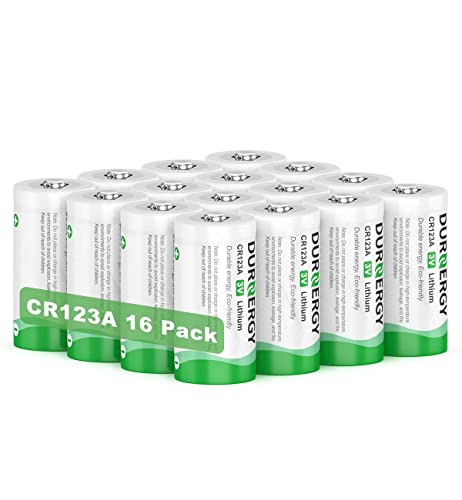
DURNERGY CR123A Lithium Batteries 16 Pack

OHZHAO 4-Pack 7200mAh Replacement Battery with Charger Station

OHZHAO 2-Pack 7200mAh Battery for Ring Doorbells

OHZHAO 2-Pack 7200mAh Replacement Battery with Charger Station

OHZHAO 4-Pack 7200mAh High Endurance Replacement Battery
Why These Options Stand Out
The CR2 cell is one of those batteries that lives in very specific corners of a camera bag: compact point-and-shoots, hunting rangefinders, and older flash units that refuse to die. This two-pack from Duracell drops into those slots without complaint, and the lithium chemistry (lithium cells trade higher voltage and longer shelf life for a higher cost than alkaline) holds up across temperature swings that would flatten a standard alkaline cell on a winter trail.
You probably won’t shoot a wedding with one of these, but for the gear that takes a CR2, there is rarely a reason to chase an off-brand when the major-brand cell costs only a few cents more. Where you need steady voltage and a decade of shelf life waiting in a drawer, this two-pack earns its spot.
Positive Takeaways
- Lithium chemistry holds voltage in cold and hot conditions, which matters for outdoor rangefinders and trail-friendly gear.
- Ten-year storage claim means you can stash a spare for years and trust it on the day you need it.
- Brand-name reliability reduces the risk of cell leakage that ruins an expensive optic or flash tube.
- Two-pack sizing matches the way most people buy CR2s: one in the device, one waiting in the bag.
Things To Consider
- This is a specialty size, so you cannot swap it for the more common CR123A cells in larger flash units.
- Cost per cell runs higher than alkaline equivalents, so stock-up shoppers may feel the pinch.
Quick Facts
Who It Suits Best
Anyone running a compact camera, rangefinder, or specialty optic that calls for CR2 cells and wants a brand-name spare waiting in the drawer.
Where Another Pick Suits Better
Owners of larger flash units and trail cams that take CR123A cells get more value per cell from the DURNERGY 12-pack reviewed below.
The LP-E17 is the cell that powers a healthy chunk of the Canon ecosystem, from the EOS Rebel series to the EOS RP and several mid-range bodies. Buying the OEM (Original Equipment Manufacturer) pack means you’re getting the same battery Canon ships in the box, with the right charge profile, the right contacts, and full compatibility with your camera’s battery info readout. For a working photographer, that readout is more than convenience: it gives accurate percentage data so you know whether to swap or push through.
Where the LP-E17 shines is on a long event day or travel trip where one cell just isn’t enough. Carrying two means you never stop the camera when the moment arrives, and the optional Canon charger refills the spare without pulling the in-camera cell out of rotation.
Advantages To Know
- OEM fit preserves the in-camera battery percentage readout and charge cycle reporting.
- 1040 mAh capacity gives a comfortable buffer for video clips and Live View sessions.
- Li-ion chemistry (lithium-ion, rechargeable cells with high energy density and no memory effect) holds charge longer in storage than older NiMH types.
- Two-pack pricing makes it easy to keep one cell in the camera and one in the bag.
Trade Offs
- OEM pricing sits well above the third-party LP-E17 market, which may sting for casual hobbyists.
- Capacity tops out around 1040 mAh, so heavy video shooters may still chew through two cells per day.
Feature Snapshot
Made For
Canon shooters running LP-E17 bodies who want full compatibility and accurate on-screen battery data without third-party guesswork.
Swap It Out When
Fujifilm X-series owners should reach for the NP-W126S reviewed further down for native fit and better thermal behavior under video.
CR123A cells show up in trail cameras, standalone flash units, and a surprising number of household sensors. Buying them two or four at a time gets old fast, which is where a 12-pack earns its keep. DURNERGY offers lithium chemistry at a cost-per-cell that makes sense for anyone running more than one high-drain specialty device.
The operating range covers -40°F to 185°F, so a security camera mounted on a north-facing wall in January is not going to blink out before its time. One practical note for anyone new to this size: CR123A cells are not rechargeable, and the pack makes that clear. Drop them in, use them, and replace them, no charger required.
What Earns Its Place
- Bulk sizing brings the per-cell cost down for multi-device households.
- Lithium chemistry maintains voltage across extreme cold and summer heat.
- Ten-year shelf life keeps spares usable across seasons of disuse.
- Broad cross-list compatibility covers the CR123, 123A, and other common equivalent codes.
Points To Note
- Disposable format means ongoing replacement cost compared to rechargeable setups.
- No charger is included because these are not rechargeable, so plan around that.
At A Glance
Best Suited To
Households running trail cameras, outdoor sensors, or flash units that chew through CR123A cells faster than smaller packs can keep up.
Consider Something Else When
Smart doorbell owners running rechargeable setups will get more value from the OHZHAO 7200 mAh pack reviewed later in this list.
The NP-W126S is Fujifilm’s upgraded cell for the X-series lineup, and the change that matters most is internal. Compared to the older NP-W126, this “S” revision manages heat better, which translates directly to longer 4K recording sessions before the camera throws its thermal warning. For anyone shooting video on an X-T2, X-T3, or X-T4, that is not a small thing.
Rated at 1260 mAh (minimum 1200 mAh) at 7.2V, the cell gives a comfortable working buffer for a day of stills with room for video clips mixed in. It is also the recommended pack when pairing an X-T2 with the Vertical Power Booster Grip for extended 4K work, so the cells stack cleanly when grip shooting.
Good Reasons To Consider
- Improved thermal handling supports longer 4K recording windows on supported bodies.
- 1260 mAh capacity keeps a working photographer shooting for a full day in most conditions.
- Native compatibility across the current X-series lineup reduces confusion when ordering spares.
- Drops into existing NP-W126 chargers, so no extra accessory purchases.
Some Limits To Know
- Capacity tops out where the original NP-W126 left off, so heavy video shooters still need three or four cells.
- OEM pricing sits above the third-party W126 market, though the heat-handling claim makes the premium easier to justify.
Who Should Grab It
Fujifilm X-series shooters who mix stills with 4K video and want the cleanest thermal behavior the platform offers.
A Better Fit Elsewhere
Canon shooters running LP-E17 bodies are better served by the OEM Canon Battery Pack reviewed above.
Sometimes 12 cells just is not enough. The 16-pack version of the DURNERGY CR123A line steps in for property managers, off-grid cabin owners, and anyone running multiple trail cameras across a property. Lithium chemistry keeps voltage steady in weather that would cripple alkaline cells, which matters when a trail cam is mounted in a tree and left alone for months.
The honest read here is that 16 cells is more than most households need, but for the right user it’s exactly the right size. The cost-per-cell math is solid, and you can rotate cells into devices as they deplete without reordering for a long stretch.
The Good Stuff
- Larger pack pushes per-cell cost down further for multi-device setups.
- Operating range of -40°F to 185°F handles outdoor deployments across all seasons.
- Long shelf life keeps cells viable across years of staged deployment.
- Wide cross-list compatibility simplifies ordering for mixed CR123A fleets.
Where It May Fall Short
- Bulk sizing may feel like overkill for a single trail cam or flash unit.
- Single-use chemistry means ongoing replacement cost compared to rechargeable packs.
Who Will Love This
Landowners and security-focused users running multiple CR123A-powered cameras or sensors across a property.
Reach For A Different Pick When
Smart doorbell owners who want fewer disposable cells in their routine should look at the OHZHAO 4-pack with charger station reviewed next.
The smart doorbell category changed the way people think about camera batteries, and the OHZHAO 4-pack slots into that world cleanly. Each cell runs 7200 mAh, which is a noticeable bump over the stock Ring battery, and the included charging station turns a routine “swap and wait” chore into a one-hand operation. Pop a depleted cell out, drop a fresh one in, dock the spent cell, and the doorbell stays online the entire time.
Where this pack earns its spot is in multi-camera households. With four cells rotating through the doorbell and a Stick Up Cam or two, downtime drops to whatever time it takes to swap a battery, which for most front porches is under a minute.
What Helps Most
- 7200 mAh capacity outlasts stock cells for fewer swaps per month.
- Charging dock included removes the need to buy a separate accessory.
- Compatibility spans Ring Video Doorbell 2 through 3 Plus and Stick Up Cam generations.
- Four-pack sizing keeps a full rotation going without reordering mid-month.
Practical Considerations
- Compatibility list covers Ring devices but is not universal, so confirm your specific model before ordering.
- Larger capacity means cells can sit on the dock longer when fully depleted, so plan charging cycles.
Perfect Match For
Ring doorbell households that want longer runtime between swaps and a clean dock to charge spares without hunting for cables.
Where A Sibling Pick Shines
Users who only need two rotating cells and prefer a smaller footprint may prefer the OHZHAO 2-pack with charger station reviewed further down.
The 2-pack version of the OHZHAO doorbell battery keeps the 7200 mAh capacity but drops the charging station, which trims cost for anyone who already has a dock or charges through the Ring adapter. For high-traffic front porches where the doorbell triggers dozens of times a day, the higher capacity cuts the swap frequency noticeably compared to the stock cell.
The honest tradeoff: two cells means less rotation depth, so a busy doorbell may still need both cells in active service to keep up. That’s workable for most households, but heavier users may feel the pull toward the 4-pack reviewed above.
Strong Points
- 7200 mAh capacity extends time between swaps for active doorbells.
- Li-ion chemistry holds charge well during long stretches of disuse.
- Compatibility covers Ring Doorbells 2, 3, 4, and 3 Plus, plus Stick Up Cam, Spotlight Cam, and Peephole Cam.
- Lower cost of entry than the 4-pack with charging dock.
What To Weigh
- No charging dock included, so users without an existing dock need a USB cable or compatible charger.
- Two cells may not cover the heaviest-use households without active rotation.
Built With In Mind
Front-porch doorbell owners with moderate to heavy alert volume who already have a charging solution in place.
Look Elsewhere When
Households running multiple Ring devices should consider the OHZHAO 4-pack reviewed above for deeper rotation depth.
This 2-pack sits in a sweet middle ground for Ring households that need a charger but don’t want to commit to a 4-cell rotation. The charging dock turns the swap into a clean, repeatable task, and the 7200 mAh capacity gives the same runtime extension as the larger OHZHAO packs. For most doorbells in normal suburban use, two cells rotating through one dock is enough to keep the camera online.
The fit profile matches Ring Video Doorbell 2, 3, 4, and 3 Plus along with Stick Up Cam and Spotlight Cam. Confirmed compatibility before ordering is worth the ten seconds it takes, since Ring has shifted generations over the years.
Bright Spots
- 7200 mAh cells extend doorbell uptime between swaps.
- Charging dock included for clean swap-and-charge routine.
- Two-pack sizing matches typical household rotation needs.
- Broad compatibility across the most common Ring doorbell and cam models.
Details To Watch
- Two-cell rotation can run tight for doorbells with very high daily event volume.
- Compatibility excludes some older Ring models, so double-check the supported list.
Right Fit For
Suburban households with a single doorbell and moderate alert traffic who want a complete dock-and-battery package.
Skip It When
Multi-camera properties that need deeper rotation should step up to the OHZHAO 4-pack with charging station reviewed earlier.
The 4-pack without a charging station targets households that already have a dock or want to spread batteries across multiple Ring devices. With four cells at 7200 mAh each, the rotation depth is enough to cover a doorbell, a Stick Up Cam at the back door, and a Peephole Cam without leaving any device offline for long.
The honest read is that this is the right call for larger homes or gate installs where one charger station would bottleneck the rotation. The upgrade over stock cells is meaningful in any of those scenarios, and the bulk sizing pushes per-cell cost down compared to smaller packs.
Useful Strengths
- Four 7200 mAh cells rotate across multiple Ring devices without reordering.
- Upgraded Li-ion chemistry supports steady voltage across the discharge cycle.
- Compatibility spans the most common Ring doorbell and camera models on the market.
- Higher pack count reduces the per-cell cost relative to smaller alternatives.
Where It Is Less Suited
- No charging dock included, so households without a dock need to source one separately.
- Larger pack may be more than single-doorbell owners can rotate through efficiently.
The Right Fit
Multi-device Ring households and larger properties that need rotation depth across several cameras and doorbells.
Not Your Match When
Single-doorbell households may find the OHZHAO 2-pack with charger station reviewed above more practical for the size of their setup.
Choosing The Right Battery For Your Camera
The first fork in the road is battery format. Compact cameras and rangefinders often rely on coin-style lithium cells like CR2, while larger flash units and trail cameras lean on CR123A. Mirrorless and DSLR bodies use proprietary lithium-ion packs shaped to the camera, which means the brand and model of the body usually decide the cell for you.
The second fork is chemistry. Lithium cells trade higher cost for better cold-weather performance and longer shelf life, while alkaline cells cost less per unit but lose capacity faster in extreme temperatures. Rechargeable Li-ion cells are the right answer for camera bodies you shoot with regularly, since the per-cycle cost drops sharply compared to disposable cells.
Capacity, measured in mAh (milliamp hours, the amount of current a battery can deliver over one hour), matters most for high-drain uses. Video shooters, timelapse photographers, and active doorbells benefit from higher mAh ratings. Storage and standby life matter more for trail cameras and backup spares, where a cell might sit in a drawer for months before earning its keep.
Picking Smart Without Overbuying
Mistakes Worth Dodging
The most common slip is assuming all CR2 and CR123A cells are interchangeable. They look similar, but the voltage and size are different, and the wrong cell simply won’t fit. The second is buying a third-party camera battery without confirming the in-camera percentage readout works. Some off-brand packs lose that feature, leaving you guessing how much runtime remains. Always confirm the OEM-equivalent claim matches your specific camera model before checking out.
Why Top Tier Costs More
Premium camera batteries command higher pricing for OEM-grade cells, tighter voltage tolerance, and thermal management tuned to specific camera bodies. For working photographers who depend on accurate battery readouts and reliable thermal behavior under video, the upgrade usually justifies itself. Casual hobbyists shooting once a month often find solid mid-tier third-party packs do the job at lower cost. The honest split: the more often you shoot and the more you depend on accurate battery data, the more the premium tier earns its place.
Frequently Asked Questions
How long do camera batteries typically last before needing replacement?
Rechargeable Li-ion camera packs generally last two to four years with regular use before capacity drops noticeably, though heavy video use can shorten that window. Disposable CR2 and CR123A cells last as long as the device draws power, with shelf life measured in years when unused.
Can I use third-party batteries in my camera without damaging it?
Quality third-party packs from reputable makers work in most modern bodies without issue. Confirming the specific model compatibility and reading recent owner feedback on percentage readout accuracy helps avoid surprises, since some off-brand packs lose the in-camera battery data feature.
What is the difference between CR2 and CR123A batteries?
CR2 cells measure roughly 15mm in diameter and deliver 3V, fitting compact cameras and rangefinders. CR123A cells measure about 17mm in diameter with the same 3V output, fitting larger flash units, trail cameras, and certain household sensors. They are not interchangeable despite similar voltage.
How should I store spare camera batteries long term?
Keep cells in a cool, dry place away from direct sunlight and extreme temperatures. For Li-ion packs, a partial charge around forty to sixty percent during long storage helps preserve capacity. Avoid storing loose cells where contacts can short against metal objects.
Do higher mAh ratings always mean longer runtime?
Generally yes, though actual runtime depends on the camera’s power draw, the age of the cell, and operating temperature. A higher mAh rating on the same chemistry typically delivers longer shooting sessions, but two different chemistries at the same mAh can perform quite differently in cold weather.
Closing Remarks
The right battery for your camera comes down to three honest questions: what format does your gear require, how often do you shoot, and where will the cells live between uses. Match the chemistry to your environment, the capacity to your shooting style, and the brand to your camera model, and the rest tends to take care of itself. A few minutes spent matching the cell to the camera saves the frustration of a dead battery at the worst possible moment.