A solid battery terminal is one of those parts you don’t think about until something stops working. Corroded clamps, loose posts, or worn boots can leave you stranded on a cold morning, and the wrong terminal on a race car or off-road rig can quietly drain your electrical system. The right set keeps current flowing cleanly and survives years of heat, vibration, and weather.
This roundup covers ten options across three categories: precision adapters for performance builds, military-spec top post kits for daily drivers, and remote jump post kits for relocating batteries in tight engine bays. You’ll find a mix of materials, mounting styles, and amp ratings so you can match the terminal to your vehicle and skill level.
A Side-By-Side Look

Antigravity AG-TA-1 Automotive SAE Terminal Adapters, Brass
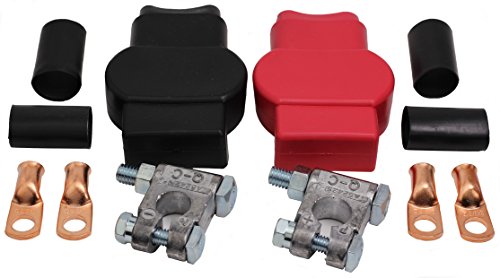
Fastronix Military Spec Battery Terminal Top Post Kit

Fastronix Top Post Military Spec Battery Terminal and Cover Kit
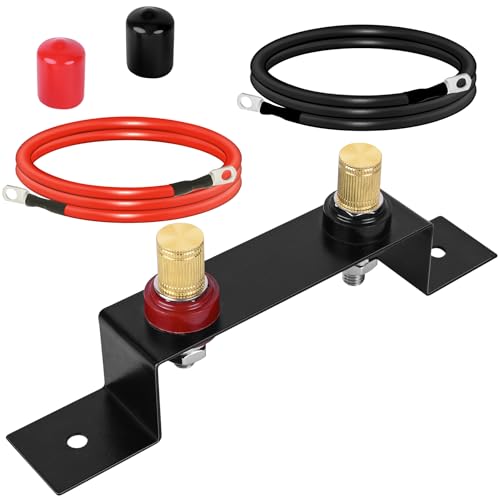
Kikerike Battery Jump Post Kit Heavy Duty Remote Terminals

Ford EL3Z-14293-A Genuine Kit – Terminal, Black

Kikerike 2 PCS Battery Jump Post Kit Heavy Duty Remote Terminals

250A Remote Battery Terminals 3/8″ Stud Battery Jump Post Kit

Lead Military Style Battery Terminal w/Zinc Plated Steel Fasteners Pair
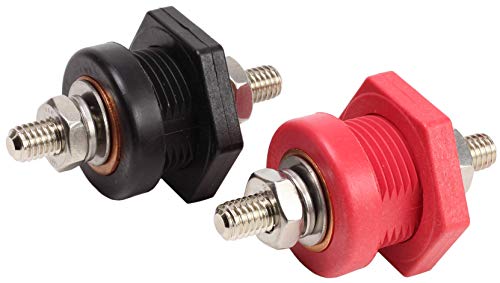
Fastronix Premium High Current 3/8″ Thru Panel Battery Terminal Connectors

Motorcraft WT56872 Terminal Kit, 1 Pack
Inside Each Recommended Option
Race shops and lithium-battery swaps run into a recurring problem: aftermarket batteries often ship with M6 terminals that don’t mate with standard automotive clamps. These Antigravity AG-TA-1 adapters solve that with a screw-on brass interface that converts the post to a familiar SAE-style clamp pattern, letting you reuse factory wiring without re-crimping lugs. Compared with the generic lead clamps on most replacement kits, solid brass holds tighter tolerances and tolerates repeated torque cycles without deforming.
For weekend track cars or a dedicated drag build, the brass body also resists the corrosion that often shows up on lead terminals in humid garages. You get a red positive and black negative pair in the box, color coded so you can’t cross them during a hurried install in the pits. Owners running compact lithium packs under tight cowls tend to appreciate the low-profile stack height.
Features That Help
- Solid brass body offers better corrosion resistance than lead terminals in humid environments.
- Color-coded red and black pair reduces the risk of polarity mix-ups during installation.
- Screw-on design accepts the included Allen hardware, so no specialty crimper is required.
- SAE clamp pattern reuses factory battery cables, saving rewiring time on performance swaps.
- Low-profile shape fits under tight battery covers common in custom engine bays.
Points To Note
- Brass costs more than lead, so this kit carries a higher price than standard replacement terminals.
- Only useful if your battery actually has the matching Antigravity post style; confirm compatibility before ordering.
- No boots or covers included, so you’ll need to source insulating covers separately for under-hood protection.
Key Specs
Whose Shelf It Belongs On
Track-day enthusiasts and anyone running an Antigravity lithium battery who needs a reliable SAE conversion without rewiring the entire harness.
Where Another Pick Suits Better
If you drive a daily commuter and just need a standard top post replacement, the Fastronix Military Spec Battery Terminal Top Post Kit is a more practical fit at a friendlier cost.
Restoring a vintage truck or upgrading a hot rod’s wiring usually means replacing terminals that have outlived three batteries already. The Fastronix Military Spec Battery Terminal Top Post Kit bundles a positive and negative lead alloy terminal, four copper 2-gauge lugs, adhesive-lined heatshrink, and color-matched military-style covers in one box. The lead alloy construction is denser than standard die-cast zinc, which reduces the flaking and corrosion that plagues older clamps.
Wiring a secondary accessory circuit, a high-output alternator, or a winch often requires stacking multiple cables on one post. Each terminal here accepts several leads on its 3/8-inch bolt, so you can run your main feed and accessory jumpers without stacking adapters. Compared to the bare-bones single-terminal options on the market, this kit covers most of what a weekend installer needs in one pass.
Real-World Strengths
- Lead alloy body resists corrosion better than zinc-plated alternatives in damp climates.
- Includes adhesive-lined heatshrink to seal lug connections against moisture intrusion.
- Color-matched military-style covers protect against accidental shorting during service work.
- Multi-cable capacity on each post supports accessory circuits and dual-battery setups.
- Domestic manufacturing tends to mean tighter quality control on the casting.
Honest Caveats
- Battery cable itself is not included, so you’ll need to source wire separately.
- Lead is heavier than aluminum alternatives, which matters on weight-sensitive race builds.
Best Suited To
Garage hobbyists wiring accessory circuits or replacing corroded factory terminals with a complete, ready-to-install kit.
Reach For A Different Pick When
If you need to relocate your battery to the trunk or rear cargo area, the Kikerike 250A Remote Battery Terminals kit provides the remote posts and cables that this kit lacks.
The Fastronix Top Post Military Spec Battery Terminal and Cover Kit strips back the extras to focus on the core job: replacing a pair of worn factory terminals with durable lead versions. You get a positive and negative lead clamp plus a matching set of military-grade rubber covers, nothing more, nothing less. Lead tolerates the heat cycling under the hood better than zinc, so these tend to last through several battery changes.
For a service shop replacing terminals on a fleet of work trucks, this kit keeps the parts shelf lean. The 3/8-inch bolt holds standard battery cable leads tightly without spreading under torque. Where the previous Fastronix kit adds lugs and heatshrink for a full rewire, this version assumes you’re just refreshing the clamp end.
Key Advantages
- Lead construction handles repeated thermal cycling better than zinc alternatives.
- Included military-spec covers guard against accidental shorts during under-hood work.
- 3/8-inch bolt clamps multiple leads firmly without deforming.
- Domestic manufacture supports consistent casting quality.
Trade-Offs To Consider
- No lugs or heatshrink included, so any rewiring requires extra parts.
- Lead weight adds a small penalty over aluminum-bodied options.
- Covers are durable but flexible rubber, which can split if over-flexed during installation.
Feature Snapshot
Made For
Service technicians and DIYers performing a straightforward clamp swap on a daily driver without rewiring the cables.
A Better Fit Elsewhere
Custom installers running multiple accessories on a single post should step up to the Fastronix Military Spec Battery Terminal Top Post Kit, which includes copper lugs and heatshrink.
Relocating a battery to a trunk, toolbox, or rear skid plate means you still need a way to jump, charge, and test the system from under the hood. The Kikerike Battery Jump Post Kit solves that with a remote post and bracket that mounts anywhere accessible, letting you extend your positive and negative reach without running full battery cables through the firewall. For UTVs, side-by-sides, and compact engine bays where the original battery location fights for space, this kind of remote post is a common solution.
Off-grid setups, dual-battery systems, and overland builds often use these posts as a tie-in point for solar controllers, air compressors, or onboard chargers. The included bracket keeps the post anchored to a solid panel rather than hanging loose on the cable. Compared with the Fastronix Top Post kits that replace factory clamps, this one adds a new access point rather than swapping existing hardware.
Advantages To Know
- Bracketed post provides a clean jump-start and charging access point away from the battery.
- Frees up engine bay space by relocating heavy battery hardware to a less crowded area.
- Compatible with a wide range of vehicles from UTVs to RVs and tractors.
- Useful as a tie-in point for accessories, solar chargers, and onboard electronics.
Things To Weigh
- Requires custom routing of the included cable, which adds install time for first-timers.
- Mounting location needs to be planned around existing wiring and heat sources.
- Not a direct replacement for factory terminals; works alongside your existing setup.
Who It Suits Best
Off-road and overland builders who want clean jump-start access without crawling to the battery each time.
Skip It When
You just need to replace worn factory terminals on a stock vehicle; the Fastronix Top Post Military Spec Battery Terminal and Cover Kit handles that job more directly.
Aftermarket terminals sometimes fit “close enough,” but on a modern Ford with battery monitoring sensors and start-stop systems, that close-enough fit can trigger electrical gremlins. The Ford EL3Z-14293-A Genuine Kit is the factory-spec terminal engineered to your specific vehicle’s wiring geometry, so the clamp seats properly on the post and the cable boots align without forcing. For Fusion, Edge, and similar Ford owners chasing an exact replacement, this is the part the dealership would reach for.
OEM parts are built to the automaker’s tolerances, which means you avoid the clearance issues that pop up with universal-fit options. You also keep any factory warranty coverage intact if the battery monitoring system is part of the conversation. Where the Fastronix kits suit modified or older vehicles, this Ford terminal keeps a stock Ford electrical system genuinely stock.
What It Does Well
- Engineered to factory specifications for exact fitment on listed Ford models.
- Maintains proper clearance with battery monitoring sensors and start-stop electronics.
- Preserves OEM-grade materials that match the original terminal’s conductivity.
- Direct replacement requires no cable modification or shimming.
Practical Considerations
- Application-specific, so it won’t fit vehicles outside its listed compatibility range.
- OEM parts typically cost more than universal aftermarket alternatives.
Quick Facts
Perfect Match For
Ford owners replacing a damaged terminal on a relatively modern vehicle with start-stop or battery sensing technology.
Look Elsewhere When
You drive a non-Ford vehicle or a vintage Ford without modern battery monitoring; the Quick Cable Lead Military Style Battery Terminal suits older restorations more naturally.
Single-post remote kits leave you improvising a ground point, which often means hunting for an existing bolt on the chassis. The Kikerike 2 PCS Battery Jump Post Kit fixes that by including both positive and negative remote posts, so a clean relocation gets a proper tie-in on both sides of the circuit. For dual-battery setups in overland rigs or split-charged systems in RVs, having symmetrical hardware simplifies the wiring plan.
Each post mounts through a bracket, so you can place the pair on a fenderwell, firewall, or any flat panel that lines up with your cable routing. The same compatibility list as the single-post kit covers UTVs, ATVs, cars, trucks, and boats, which makes it a flexible choice for custom fabricators. Compared with the lower-priced Fastronix clamps, this kit trades direct-replacement simplicity for a complete relocation solution.
Everyday Advantages
- Two-post design delivers matched positive and negative remote access points.
- Bracket-mount system anchors securely to flat panels under the hood or in a cabin.
- Useful for dual-battery installs where symmetry across posts matters.
- Broad vehicle compatibility covers everything from ATVs to motorhomes.
Room For Improvement
- Requires planning two clean mounting locations rather than a single tie-in.
- Cable routing between posts and battery adds labor versus a one-cable setup.
Who Should Grab It
Custom builders running a dual-battery system or anyone relocating both terminals to a cleaner location for charging and jump-start access.
Swap It Out When
You only need to relocate the positive side or want higher amp capacity for a winch setup; the Kikerike 250A Remote Battery Terminals kit handles heavier current loads.
A winch, a high-output stereo, or a bank of off-road lights can pull serious current through a remote post, and a generic terminal can heat up or voltage-drop under that load. The 250A Remote Battery Terminals kit rates its 3/8-inch stud for 250 amps of continuous current with 4AWG cable, which puts it in the same conversation as the Fastronix thru-panel connectors. For trucks and UTVs running a 12,000-pound winch or a 2,000-watt amplifier, that headroom matters.
The kit includes the mounting bracket, two color-coded 4AWG cables roughly 4.4 feet long, protective boots, and heatshrink for the terminations. That’s a more complete package than the basic single-post remote kits, which often leave you sourcing wire and lugs separately. You may find the cable length short for a full trunk relocation, so measure your routing path before assuming the included wire reaches.
A Few Highlights
- 250A continuous rating supports winches, inverters, and high-output audio systems.
- 4AWG cable minimizes voltage drop across long runs to a relocated battery.
- Complete kit with boots and heatshrink reduces extra trips to the parts store.
- 3/8-inch stud accepts standard ring terminals commonly stocked in workshops.
Possible Compromises
- Included 4.4-foot cables may fall short for full trunk-to-front-hood routing.
- Higher amp rating comes at a premium over lower-rated remote post kits.
Right Fit For
Off-road and overland owners adding heavy-draw accessories that demand real current headroom at the jump post.
Not Your Match When
You need panel-mount pass-through connectors rather than under-hood remotes; the Fastronix Premium High Current 3/8″ Thru Panel Battery Terminal Connectors fill that niche.
Restorers chasing an authentic look under the hood often want terminals that look like the originals, not shiny aftermarket parts. The Lead Military Style Battery Terminal pair from Quick Cable leans into that period-correct appearance while meeting military-spec conductivity standards. Lead has been the go-to material for battery clamps since the early days of automotive electrical systems, and these cast versions keep that tradition alive.
The 3/8-inch stud and long bolts allow additional power connections beyond the main battery cable, so adding an accessory feed doesn’t require stacking adapters. The zinc-plated steel fasteners resist corrosion at the clamping surfaces, which is where most terminal failures begin. Compared with the Fastronix Military Spec kits, these use a slightly different profile that suits classic and muscle car restorations particularly well.
A Strong Showing
- Lead casting meets or exceeds military specification A52425-1 and A52425-2 standards.
- Long bolts permit multiple cable connections without adapter stacking.
- Zinc-plated steel fasteners resist corrosion at the clamping interface.
- Period-correct appearance suits classic car restorations.
Worth Bearing In Mind
- Lead weighs more than modern aluminum-bodied alternatives, which matters on weight-conscious builds.
- Military-style look may not blend with modern engine bay aesthetics.
- No protective covers included in the standard pair, unlike some competing kits.
Feature Rundown
Who Will Love This
Classic car restorers and muscle car owners who want authentic-looking terminals that still meet modern electrical demands.
Consider Something Else When
You want a complete kit with covers and lugs included; the Fastronix Military Spec Battery Terminal Top Post Kit provides those accessories in one package.
Custom battery boxes, race car firewall pass-throughs, and trunk-mounted setups all need a way to get high current through a metal panel without shorts. The Fastronix Premium High Current 3/8″ Thru Panel Connectors handle exactly that job: a 3/8-inch stud on each side of a panel mount, isolated by a nylon backing nut that prevents shorts even when the surrounding metal is part of the structure. Rated for 440 amps continuous with momentary 550-amp spikes, these clear the bar for serious electrical demands.
The inner copper core carries the current efficiently, which matters when you’re feeding a 200-amp alternator or a bank of amplifiers from a rear-mounted battery. You can mount these in panels up to 7/16-inch thick in a 1-17/64-inch hole, which covers most custom fabrication scenarios. For installation cleanliness, Fastronix sells matching rubber terminal covers separately, giving you a finished look once the wiring is in place.
Real Benefits
- 440A continuous rating handles alternators, inverters, and high-output audio systems.
- Nylon backing nut isolates the stud from metal panels to prevent shorts.
- Inner copper core delivers efficient current transfer across the pass-through.
- Mounts in panels up to 7/16-inch thick for flexible fabrication options.
Less-Strong Areas
- Requires drilling a precise 1-17/64-inch hole, which means accurate tools and layout work.
- Matching rubber covers sold separately rather than included in the kit.
Built With In Mind
Custom fabricators and race car builders who need a clean, high-current pass-through for relocated battery systems.
Where A Sibling Pick Shines
If you want a simpler under-hood remote post rather than a panel pass-through, the 250A Remote Battery Terminals kit offers a bracket-mount alternative.
Motorcraft is Ford’s own parts brand, which means the WT56872 Terminal Kit shares the same engineering standards as the EL3Z kit covered earlier. For Ford and Lincoln owners who want an OE-grade replacement sourced through a different distribution channel, this kit offers comparable factory fit without the dealership parts counter. The single-pack format suits service operations replacing terminals one vehicle at a time.
You won’t find any flashy marketing claims here, just a straightforward replacement terminal built to the automaker’s specifications. For fleet maintenance shops that service a mix of Ford vehicles, stocking Motorcraft parts keeps the inventory aligned with what came from the factory. Where the previous Ford terminal focused on a specific model application, this kit carries broader Ford/Lincoln compatibility for general service work.
What Earns Its Place
- Motorcraft is Ford’s factory parts brand, so fitment matches original engineering specs.
- Suitable for general service work across a range of Ford and Lincoln vehicles.
- Single-pack format suits one-at-a-time replacements in service environments.
A Few Limitations
- Single-pack format means ordering multiples for vehicles that need both terminals.
- Less specialized than application-specific kits for vehicles with unique battery monitoring systems.
Who Should Grab It
Service shops and Ford owners who want an OE-grade terminal without the dealership price premium.
Look Elsewhere When
You drive a modern Ford with sensitive battery monitoring electronics; the Ford EL3Z-14293-A Genuine Kit offers more precise application engineering.
What Matters Most Before Choosing Auto Battery Terminals
Match the Terminal Type to Your Battery Posts
Top post batteries use tapered lead terminals that bolt down over a conical post, while side post batteries use a threaded stud that receives a bolt-on clamp. Adapters like the Antigravity AG-TA-1 set exist for batteries with non-standard post styles, including lithium race packs. Confirming your battery’s post style before ordering saves the hassle of returns and ensures the clamp seats properly.
Consider Current Demands and Cable Gauge
Stock automotive electrical systems pull modest current, so a standard top post clamp handles daily driving without complaint. High-output builds running aftermarket alternators, winches, audio amplifiers, or auxiliary lighting push higher amperage through the connection. For those setups, terminals rated for 250 amps or more with 4AWG or thicker cable maintain voltage under load. Undersized terminals heat up and voltage-drop, which causes dim lights and sluggish cranking.
Think About Materials and Corrosion Resistance
Lead and lead alloy remain the traditional choices for battery terminals, valued for their conductivity and forgiving fit on tapered posts. Brass, like that used in the Antigravity adapters, resists corrosion better in humid environments but costs more. Zinc-plated steel hardware at the clamping surfaces helps prevent the slow oxidation that creeps in over years of under-hood exposure. Protective boots and covers keep splash and accidental contact from shorting the posts.
Account for Relocation and Mounting Needs
Stock terminals live next to the battery, but custom builds often move the battery to the trunk or rear cargo area. Remote jump post kits, panel pass-throughs, and bracket-mounted posts make that relocation practical by giving you an accessible connection point. Drilling requirements, panel thickness limits, and cable routing distances all shape which mounting style fits your project.
Key Considerations Across These Picks
Pitfalls Shoppers Hit
A common misstep is buying a generic terminal that looks right but doesn’t match your specific battery post style, which leads to loose connections and intermittent starts. Another is ignoring amp ratings and using a low-current terminal on a winch or high-output audio system, which causes the terminal to overheat under load. Skipping protective covers leaves the posts exposed to splash and accidental shorting, especially during routine under-hood work.
Where The Extra Money Goes
Premium terminals justify their cost through better materials, tighter tolerances, and higher amp ratings. Brass construction resists corrosion where lead slowly oxidizes, military-spec castings offer tighter quality control than budget castings, and thru-panel connectors provide proper isolation that basic clamps lack. If your build runs heavy electrical loads or sees harsh conditions, the upgrade pays back in reliability and fewer roadside headaches.
Frequently Asked Questions
What Is the Difference Between Top Post and Side Post Battery Terminals?
Top post terminals clamp over a tapered conical post and tighten with a bolt from above, while side post terminals bolt onto a threaded stud on the side of the battery. The two systems are not interchangeable, so you need a terminal that matches your battery’s configuration. Adapters exist for special cases like lithium race batteries with non-standard posts.
How Do I Know if I Need a Remote Battery Terminal Kit?
A remote kit makes sense when your battery sits away from where you typically jump, charge, or test the electrical system. Common examples include trunk-mounted batteries, dual-battery setups, and vehicles where the battery has been relocated to free engine bay space. The remote post gives you an accessible connection point without exposing the relocated battery each time.
Can I Replace Battery Terminals Without Disconnecting the Battery?
Working around a connected battery is risky because any accidental contact between a tool and the chassis can short the system. The safest approach is to disconnect the negative cable first, then the positive, before swapping terminals. Reconnect in reverse order, positive first then negative, to minimize sparking near the battery.
What Does Military Spec Mean for Battery Terminals?
Military specification standards define minimum requirements for materials, dimensions, and electrical performance on terminals used in military vehicles. Terminals that meet or exceed these standards tend to offer consistent quality and reliable conductivity. Several kits in this roundup, including the Fastronix and Quick Cable options, reference military spec compliance.
Are Brass Battery Terminals Better Than Lead?
Brass resists corrosion more effectively than lead and holds its shape under repeated tightening, which makes it a strong choice for performance and race applications. Lead remains the traditional standard for daily drivers and offers a forgiving fit on tapered posts. The right material depends on your climate, budget, and electrical demands.
Final Verdict
The right battery terminal depends on what you drive, how you use it, and how much current your accessories pull. For a stock daily driver needing a straightforward clamp swap, the Fastronix Military Spec kits deliver proven reliability. For custom builds, remote setups, and high-output electrical systems, the panel pass-throughs and 250A remote posts provide the headroom those projects demand. Match the terminal to your actual use case, and your electrical system will reward you with years of trouble-free starts.