A chirping keypad at 2 a.m. is the most common reminder that alarm panels, key fobs, and wireless sensors all run on small batteries with a finite shelf life. Choosing the right replacement means matching the cell to the device and knowing whether you need a one-off coin-style swap or a rechargeable backup that keeps the system alive during an outage.
A Fast Comparison Of The Options

Duracell 21/23 12V Specialty Alkaline Battery 4-Pack (6 Packs)

Duracell 12V Battery Card of 4
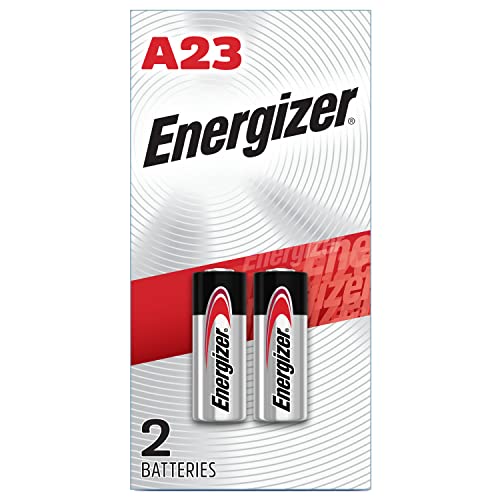
Energizer A23 Alkaline Batteries 2-Pack

Duracell 21/23 12V Alkaline Battery Single Pack

Energizer L1028 A23 Replacement Battery 2-Pack
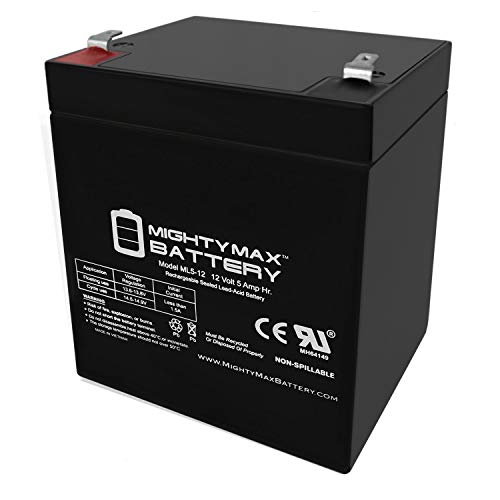
Mighty Max ML5-12 12V 5AH SLA Replacement Battery

Energizer EN5-12 12V 5Ah Rechargeable AGM

LiCB A23 23A 12V Alkaline Battery 10-Pack
A Closer Look At Each Pick
Buying replacements one by one gets old fast, especially in homes with a dozen wireless sensors and a couple of car remotes all sharing the same 21/23 footprint. This bulk Duracell pack ships twenty-four cells in total, split across six inner 4-packs, which means you can stash extras in a junk drawer, the garage, and the glove box without rationing.
Each cell is a standard 12V alkaline designed for specialty low-drain gear like key fobs, garage door openers, and standalone alarm sensors. For most households, that translates into years of standby power before a swap is even needed, and the layered packaging keeps unused cells sealed until you crack a fresh card open.
Notable Gains
- 24 total cells give you a long runway before the next battery run.
- Duracell 21/23 spec fits key fobs, car alarms, and many standalone sensors.
- Inner 4-pack cards keep loose cells organized and easy to store.
- Trusted alkaline chemistry suited to low-drain specialty devices.
Worth Noting
- Batteries can lose charge sitting unused, so rotate older stock first.
- Alkaline cells are single-use; budget-conscious owners may look at rechargeables for high-drain gear.
Who It Suits Best
Owners managing many wireless sensors, remotes, and key fobs who want one purchase to cover the next couple of years of routine swaps.
Consider Something Else When
You only need a single replacement cell right now, in which case the Duracell 21/23 single pack is a cleaner fit.
The card of four is the middle ground between the giant 24-cell haul and a single-cell swap, and it lands in a sweet spot for apartments and small homes. Four fresh 12V alkaline cells cover the most common low-drain devices, from a stuck garage remote to a single dead window sensor, with spares left over.
Compared with the bigger Duracell pack reviewed above, the trade-off is volume: you lose the long stockpile but pay less up front and keep less inventory on a shelf. For most renters and small households, that balance is the more honest choice.
What Pays Off
- Four-cell card is enough for a typical sensor cluster plus one spare.
- Standard 21/23 spec covers car alarms, key fobs, and basic alarm sensors.
- Smaller packaging fits in a kitchen drawer without dominating the space.
Trade Offs
- No extras beyond four cells, so heavy users will burn through quickly.
- Single-use chemistry means you discard rather than recharge.
Feature Snapshot
Made For
Renters, small-home owners, and anyone replacing one or two sensors without committing to a deep stockpile.
Look Elsewhere When
You maintain a large property or fleet of vehicles and would burn through four cells in weeks, in which case the 24-cell bulk Duracell pack is the smarter pick.
Garage door openers and small remote controls are some of the easiest devices to forget about, right up until the day the door refuses to budge. Energizer’s A23 cells are the textbook fit for that category: tiny 12V alkaline cylinders sized exactly for keyless entry systems and compact remotes.
The two-pack format works for anyone who only needs to fix one or two gadgets and doesn’t want leftover inventory. If your home leans on a mix of garage remotes and alarm sensors rather than whole-home wireless coverage, this small pack keeps the drawer uncluttered.
Features That Help
- Energizer-brand alkaline chemistry is widely trusted for low-drain specialty use.
- A23 footprint matches garage door openers, keyless entry, and slim remotes.
- Compact two-pack avoids waste when only one device needs attention.
- Lightweight cells are easy to swap in tight battery compartments.
Points To Note
- Only two cells per pack, so larger households will need multiple packs.
- Alkaline chemistry is single-use and not ideal for high-drain devices.
Right Fit For
Homeowners whose main concern is a finicky garage door remote or a couple of small key fobs that need fresh power.
A Better Fit Elsewhere
If you also need to cover a wall-mounted alarm panel, the Energizer EN5-12 rechargeable AGM is a smarter backup fit than a handful of coin cells.
Sometimes you just need one cell. Maybe a single key fob died, or a lone door sensor started chirping and everything else still reads full. Duracell’s single 21/23 12V alkaline pack exists for exactly that scenario, sparing you the cost of a multi-pack when you only want one fresh cell.
The downside is that the per-cell cost runs higher than bulk options, and you walk away with no backup. For most people juggling a single dead device, though, that trade is worth it, especially when a fresh sensor battery restores quiet to a bedroom at midnight.
The Case For It
- Single-cell format eliminates waste for one-off sensor swaps.
- Standard 21/23 spec fits key fobs, car alarms, and standalone sensors.
- Lower upfront cost than any multi-pack option in this list.
- Compact retail card fits any junk drawer or glove box.
Small Caveats
- No spare cells left over once the single swap is done.
- Per-cell cost is the least efficient in this roundup.
Who Should Grab It
Anyone replacing a single dead device right now and not interested in storing extras for future use.
Reach For A Different Pick When
You know the sensor cluster is aging and you want a buffer, in which case the Duracell 12V Battery Card of 4 makes more sense.
Not every device labels its battery compartment in the same way, and the L1028 cross-reference is the classic case where “A23” and a different model number can both be printed on the same cell. Energizer’s L1028 pack leans into that reality, giving you a two-pack that covers both naming conventions without forcing a return trip to the store.
That dual-fit claim is most useful when you’re dealing with an older remote, a Bluetooth accessory, or a specialty gadget whose manual only mentions L1028. For most mainstream alarm and key-fob work, though, the standard A23 is enough, which makes this pack a smarter buy only when you genuinely need the L1028 designation.
What Makes Sense
- Dual A23 and L1028 labeling simplifies tricky replacements.
- Energizer alkaline chemistry suits low-drain specialty electronics.
- Two-cell pack balances cost and leftover inventory.
Honest Caveats
- Marginal cost premium over plain A23 cells.
- Single-use chemistry; not suitable for high-drain applications.
Best Suited To
Owners of older gadgets or specialty devices that specifically call out L1028 cells in their battery compartment.
Swap It Out When
You only have modern A23-labeled gear, in which case the standard Energizer A23 2-Pack is the more straightforward buy.
Coin cells and A23s handle the small stuff, but backup batteries are the silent hero keeping alarm panels alive when the grid goes down. The Mighty Max ML5-12 is a 12V 5Ah sealed lead-acid (SLA) cell built for that kind of standby role, sized to fit Chamberlain garage door opener backup compartments and similar gear.
The trade-off shows up in weight and chemistry: SLA is heavier than alkaline and has a more limited cycle life than AGM alternatives, but it remains a dependable, drop-in fit for the equipment it was designed around. Owners with compatible Chamberlain units will find the swap straightforward.
Strong Points
- Standard 12V 5Ah SLA footprint fits Chamberlain 41A6357-1 backup bays.
- Maintenance-free sealed construction for indoor standby use.
- Affordable entry point for replacing worn backup cells.
- Wide operating temperature range suits garage environments.
Factors To Consider
- Heavier than alkaline or AGM alternatives.
- SLA cycle life is shorter than AGM, so replacements come sooner under heavy cycling.
- Terminal style and dimensions should be confirmed before ordering.
Quick Facts
Whose Shelf It Belongs On
Chamberlain garage opener owners whose backup battery has started losing charge faster than it used to.
Where Another Pick Suits Better
If you want a longer-lasting AGM chemistry for a broader alarm panel, the Energizer EN5-12 is the more modern alternative.
Absorbent Glass Mat (AGM) is a sealed lead-acid variant where the electrolyte is held in fiberglass mats, giving you a non-spillable, low-maintenance cell that handles deeper discharge cycles than older SLA designs. Energizer’s EN5-12 leans into that chemistry for alarm panels, garage openers, ride-on toys, and any other 12V gear that wants rechargeable backup.
The catch is upfront cost compared with traditional SLA options like the Mighty Max ML5-12 reviewed above. You may find the longer cycle life worth the premium in any setup where the panel sees frequent power blips or extended outages.
The Helpful Details
- AGM chemistry delivers deeper discharge recovery than conventional SLA.
- Sealed, non-spillable design suits indoor alarm panel installations.
- Compatible with garage door openers, alarm panels, and backup systems.
- Maintenance-free operation, no water top-ups required.
- Energizer branding adds familiarity for battery shoppers.
Possible Compromises
- Heavier and pricier than a pack of coin cells.
- AGM still benefits from periodic full-charge cycles to maximize lifespan.
Built With In Mind
Owners running a wired alarm panel or a smart garage opener who want a rechargeable backup that survives repeated outages.
Skip It When
You only need to replace a single key fob or remote sensor, in which case the Energizer A23 2-Pack is the right tool.
Households juggling multiple key fobs, garage remotes, doorbell chimes, and standalone alarm sensors can drain small battery packs surprisingly fast. LiCB’s 10-pack covers that high-turnover scenario at a per-cell cost that beats most name-brand 2-packs.
The honest read is that LiCB sits in the value tier rather than the premium tier, so you may find runtime slightly shorter than long-standing brands. For low-drain specialty devices that sit idle most of their life, that trade-off is usually easy to absorb.
Useful Touches
- Ten cells per pack suit multi-device households and small offices.
- A23 23A 12V spec covers garage remotes, doorbells, and basic alarm sensors.
- Per-cell cost is one of the most efficient in this roundup.
- Sealed retail packaging keeps unused cells fresh on the shelf.
Details To Watch
- Alkaline chemistry is single-use; recycling programs should be used.
- Value-tier brand may not match premium longevity in every device.
Perfect Match For
Multi-fob households, small offices, and anyone tired of running to the store every time a remote dies.
Another Choice May Suit
Shoppers who prioritize brand familiarity over per-cell cost may prefer the Duracell 21/23 bulk pack reviewed earlier in this roundup.
What Matters Before Swapping In A New Battery
Most alarm gear runs on one of two chemistries. Coin-style alkaline cells like the A23, 21/23, and 23A formats handle key fobs, door sensors, and remotes with low, intermittent draw. Sealed lead-acid and AGM batteries like the ML5-12 and EN5-12 step in for wall-mounted panels and garage openers that need standby capacity during outages.
Voltage and footprint matter more than brand for the small cells. Match the printed designation on the old battery (A23, 23A, 21/23, or L1028) and confirm the physical dimensions line up, since some specialty remotes only accept one specific size. Polarity orientation inside the compartment is another easy miss, especially in tight battery bays.
For backup batteries, terminal type and physical size rule the fit. F1 and F2 spade terminals are the two most common connectors on 12V 5Ah cells, and a mismatch means the wiring harness won’t seat. Capacity (Ah) and chemistry together decide how long your alarm panel can run on backup power and how many charge cycles the cell will tolerate.
Lifestyle fit matters too. Frequent travelers and large families benefit from bulk packs so replacements are always on hand. Single-device owners and renters usually do better with a 2-pack or single cell. Climate matters: garages that swing from cold to hot put extra stress on SLA and AGM cells, so heavier-duty AGM chemistry is worth considering in unconditioned spaces.
Picking The Right Cell For The Job
Common Shopping Slip Ups
The biggest mistake is grabbing a 12V cell without checking the printed format, since A23, 23A, 21/23, and L1028 look nearly identical but are not always interchangeable in every device. Another trap is assuming any 12V 5Ah battery will fit a garage opener, when the terminal style and case dimensions vary by brand. Skip the habit of mixing old and new cells in the same device, and always reseal unused batteries rather than tossing them loose in a drawer where contacts can corrode.
Where The Extra Money Goes
A premium AGM battery like the Energizer EN5-12 costs more than a basic SLA cell because the absorbent glass mat construction tolerates deeper discharges and a wider temperature range without permanent damage. For alarm panels and garage openers that cycle regularly, that longer service life often offsets the higher upfront cost. Bulk alkaline packs charge a small premium per cell for organized retail packaging and a trusted brand name, which mostly buys peace of mind and shelf-life consistency.
Frequently Asked Questions
How often should I replace alarm system batteries? Most key fobs and wireless sensors need a fresh cell every one to three years, depending on usage and environment. Backup batteries in alarm panels and garage openers typically last three to five years before capacity drops noticeably.
Can I use any 12V battery in my alarm sensor? No. Sensors and remotes are designed for specific cell formats such as A23, 23A, or 21/23, and using the wrong size or chemistry can lead to poor fit or rapid drain. Always match the designation printed on the original cell.
What’s the difference between SLA and AGM batteries? SLA stands for sealed lead-acid, a maintenance-free chemistry where the electrolyte is suspended in the cell. AGM (Absorbent Glass Mat) is a subtype that holds the electrolyte in fiberglass mats, giving it better deep-discharge recovery and a longer cycle life.
Are rechargeable batteries worth it for alarm devices? For wall panels and garage openers that see frequent power events, rechargeable AGM cells can save money over time. For low-drain key fobs and remotes, single-use alkaline cells are usually simpler and more cost-effective.
How should I dispose of old alarm batteries? Most hardware stores, battery retailers, and municipal hazardous-waste centers accept spent alkaline and lead-acid cells. Never toss them in regular household trash, especially lead-acid units, which contain materials that need proper recycling.
Bottom Line
The right replacement depends on whether you’re feeding a coin-sized sensor, a key fob, or a wall-mounted panel with backup duty. Bulk alkaline packs suit busy households, mid-size packs cover most apartments, and AGM batteries are the answer for any system that needs reliable standby power through real outages. Match the cell format to the device, confirm the terminals and dimensions, and stock enough spares to silence that 2 a.m. chirp before it starts.