Picking the wrong sealed battery can leave your gear dead at the worst moment. A weak lawn tractor battery on a spring morning, a backup system that fades during a storm, or an AGM that can’t handle the discharge profile of your medical cart, all trace back to the same mistake: buying on assumption instead of fit. AGM and VRLA (valve-regulated lead-acid) chemistry packs have earned their reputation by resisting spills, holding stable voltage, and running maintenance-free for years, yet their real performance hinges on matching amp-hour rating, CCA (cold cranking amps, the surge current available at cold temperatures), and terminal layout to your exact use. The list below walks through ten picks that cover everything from garden tractors to medical carts, emergency lighting, and off-grid solar sheds, so you spend once and forget about it.
The Leading Options At A Glance
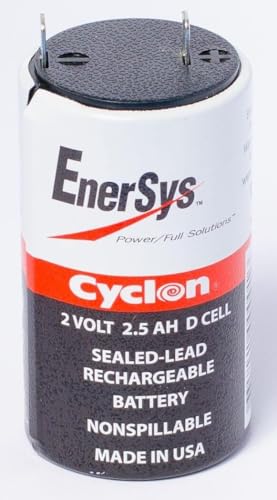
Enersys Cyclon 0810-0004 D-Cell Sealed Lead Acid Battery

Miady 6V 5Ah Rechargeable Sealed Lead Acid Battery

WEIZE Lawn Garden AGM Battery, 12V 300CCA BCI Group U1

WEIZE Lawn Garden AGM Battery, 12V 200CCA BCI Group U1

MK Battery ES5-12 T2 Sealed Lead-Acid Battery
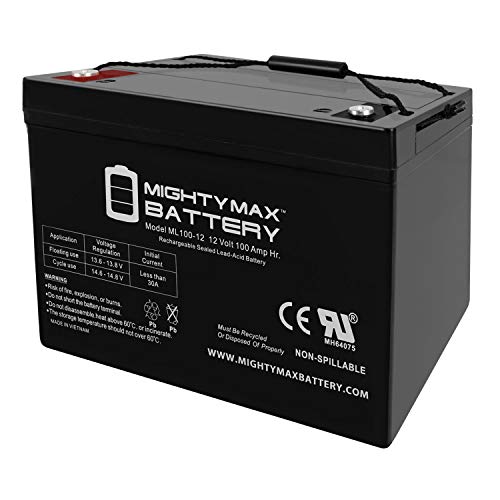
Mighty Max ML100-12 12V 100AH SLA AGM Battery

WEIZE Lawn Garden AGM Battery, 12V 350CCA BCI Group U1
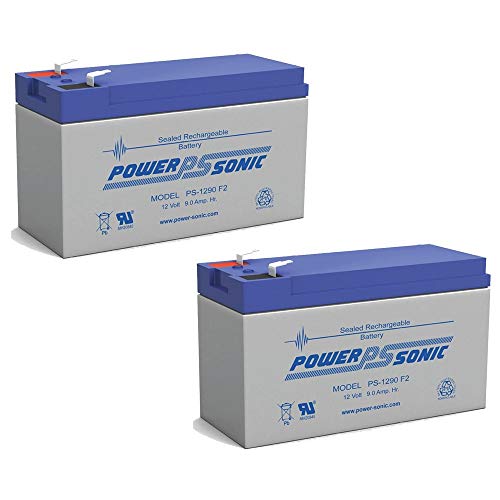
Power Sonic PS-1290 12V 9AH SLA Battery, Pack of 2

Mighty Max ML35-12INT 12V 35AH SLA AGM Battery

Mighty Max ML55-12INT 12V 55AH SLA AGM Battery
What Each Pick Brings To The Table
Few sealed cells stretch into mission-critical roles as comfortably as the Enersys Cyclon 0810-0004. A pure lead-tin chemistry, where lead is alloyed with tin for stronger grain structure and reduced corrosion, sets this 2V/2.5Ah D-cell apart from the generic AGM bricks you’ll see further down the list. The flat discharge profile mirrors nickel-cadmium behavior, which makes it a quiet favorite for telecom racks, hospital signal lines, and aviation-grade backup loops where a sagging voltage curve is unacceptable.
Engineers reach for Cyclon when they need predictable output across hundreds of cycles and the safety credentials to install cells in occupied spaces. Where the Miady 6V/5Ah coming next is a hobbyist pick, this one is the pro-grade specimen for a server closet or an aircraft avionics bay. The single-cell format also means you can stack units for higher voltages without rewiring an entire battery tray.
Bright Spots
- Pure lead-tin construction delivers the highest volumetric power density in its class, meaning more usable energy in a smaller footprint
- Rated for up to 300 full discharge cycles at 100% depth-of-discharge, beating standard sealed-lead rivals by 50 to 200 percent
- Ten-year design life in float standby (continuous maintenance-charge holding) at 25°C, so installations run for nearly a decade without replacement
- Minimal gassing under normal charge cycles, safe for offices, hospitals, and aircraft cabins without venting
- Flat voltage curve from full charge down to cutoff keeps downstream electronics running in their sweet spot
Things To Consider
- 2V output means you wire multiple units in series for 12V or 24V systems, which adds cost and cabling work
- Capacity tops out at 2.5Ah, so it is unsuited for any application needing sustained high current draw
- Premium pure-lead chemistry commands a noticeably higher price per amp-hour than the AGM alternatives below
Key Specs
Who It Suits Best
Engineers and installers building telecom backup, medical signal lines, or aviation-grade standby rigs where voltage stability and longevity matter more than raw capacity.
Consider Something Else When
You need a single 12V block for a ride-on toy or mobility scooter; the Miady 6V 5Ah is a far simpler drop-in for that scale of job.
The Miady 6V 5Ah is the pocket-rocket of the AGM world. Measuring roughly 2.68 by 1.77 by 3.86 inches, it slips into the battery compartments of kids’ ride-on cars, emergency exit lights, and small alarm panels without complaint. Absorbed Glass Mat (AGM) construction holds the electrolyte in fiberglass separators, so the cell can sit in any orientation without leaking, and ABS plastic casing shrugs off the kind of vibration a garage or shed routinely dishes out.
Where the Enersys Cyclon above targets telecom rooms and aircraft bays, this Miady exists for the everyday quick-fix job. It accepts a wide temperature range and recovers from deep discharge, which makes it forgiving for seasonal gear that sits idle for months. Most shoppers grab one or two to refresh a ride-on toy before summer and stash it on a shelf until the next project.
Strengths Worth Knowing
- Compact 6V/5Ah footprint fits ride-on toys, exit signs, and small UPS (uninterruptible power supply) units where space is tight
- AGM chemistry with sealed ABS case means zero maintenance and no spill risk in any mounting orientation
- Wide operating temperature tolerance handles garages, sheds, and unheated basements through seasonal swings
Trade Offs
- 6V output requires either two units in series or a different wiring setup for 12V devices
- F1 terminal style (a small spade connector, 0.187 inch wide) doesn’t match the heavier automotive bolt terminals on larger batteries
- 5Ah capacity is modest for any gear that pulls sustained current over hours
Made For
Parents and homeowners replacing dead cells in kids’ Power Wheels-style ride-ons, exit signs, or hobby projects where size and safety matter more than raw capacity.
Reach For A Different Pick When
Your lawn tractor struggles to turn over on a chilly morning; the WEIZE 12V 350CCA Group U1 reviewed further down delivers the cranking amps that small sealed bricks cannot.
The WEIZE 12V 300CCA Group U1 is the middle child of the WEIZE lawn-and-garden trio, and for many yards it is exactly right. Its 7.68 by 5.12 by 6.22 inch case matches the BCI Group U1 footprint, a standardized battery case size set by the Battery Council International, used across John Deere, Cub Cadet, Toro, and Craftsman riding mowers, so swapping an exhausted battery is a 15-minute job rather than a fabrication project. With 300 cold cranking amps on tap, it starts engines comfortably in spring chill and keeps mower electronics stable through long mowing sessions.
You get an SLA (sealed lead-acid) construction that resists vibration across rough yards and a square-hole nut-and-bolt terminal layout that matches OEM (original equipment manufacturer) hardware. The positive terminal sits on the left, so wiring mirrors factory routing. Compared with the 200CCA sibling covered next, this one trades a bit of weight for meaningful headroom when temperatures dip.
Positive Takeaways
- Group U1 case dimensions drop directly into John Deere, Toro, Cub Cadet, and Craftsman mower trays with no shimming
- 300CCA rating handles cool spring mornings and thicker grass without a weak first crank
- Sealed AGM design tolerates the tilted mounting common in compact tractor bays
Points To Note
- Hazardous-materials shipping rules mean this item may not be returnable through standard channels
- At roughly 18.7 pounds, it’s lighter than the 350CCA option but still demands two hands for the swap
Best Suited To
Homeowners with mid-size riding mowers or lawn tractors who want a no-fuss replacement battery that balances cranking power and budget.
Swap It Out When
You mow in consistently cold regions where the WEIZE 12V 350CCA Group U1 offers extra starting reserve at a similar form factor.
The 200CCA sibling in the WEIZE Group U1 line takes the same 7.68 by 5.12 by 6.22 inch case and trims back the cold cranking output for shoppers who mow in milder weather. You still get sealed AGM construction, the same square-hole nut-and-bolt terminal layout, and the positive-on-left polarity that matches factory harnesses. For most suburban lawns with stored tractors, 200CCA is enough to spin a small engine through spring and fall.
This is the most budget-friendly path onto a Group U1 platform, and it makes sense if your mower lives in a garage that doesn’t drop below freezing. Compare it to the Mighty Max ML35-12INT further down: the WEIZE is optimized for starting bursts, while the Mighty Max leans toward deeper accessory loads, so your choice depends on whether you’re cranking a small engine or running accessories for hours.
What Makes Sense
- Most accessible entry into the Group U1 AGM platform for budget-focused mower owners
- Sealed construction means no acid spills on driveway concrete during installation
- Standard 30-day return window through normal channels, unlike some hazardous-restricted batteries
Honest Caveats
- 200CCA may struggle in climates that see sustained freezing temperatures
- Heavier at roughly 21.5 pounds despite the lower output, since the case is identical to the 350CCA unit
Who Will Love This
Mild-climate homeowners who want a reliable AGM replacement for a stored riding mower without paying extra cranking amps they will rarely use.
Look Elsewhere When
You need to crank a larger engine in frosty weather; the WEIZE 12V 350CCA Group U1 costs a bit more but turns over heavier motors with less strain.
MK Battery has long supplied VRLA cells for mobility scooters, emergency lighting, and medical carts where consistent standby performance is non-negotiable. The ES5-12 sits in that heritage as a 5Ah, 12V sealed block with T2 terminals, the slightly wider 0.25-inch spade connectors common on UPS and medical gear. Sealed and 100% maintenance-free, it can sit in a closet, under a desk, or mounted in a wheelchair bag without leaking or venting.
This is the kind of cell you spec when you’re not chasing raw cranking amps but want a long float life in standby duty. Compared to the smaller Miady 6V/5Ah earlier in this list, the MK ES5-12 gives you a full 12V output at a similar capacity rating, so it covers the typical 12V UPS and exit-light circuits without series wiring. For a fire-alarm panel or a stairwell emergency fixture, it is exactly the right pedigree.
What Works In Its Favor
- Established VRLA pedigree in the medical and emergency-lighting markets
- T2 tab connectors drop into standard UPS, exit-light, and security panel wiring
- Sealed, non-spillable design allows cabinet or under-desk installation
Points To Keep In Mind
- 5Ah capacity is light for any continuous-load application beyond standby circuits
- VRLA chemistry is sensitive to overcharge, so the existing charger’s voltage profile matters
Right Fit For
Facilities teams and homeowners maintaining UPS backups, exit lights, and small alarm panels where a sealed 12V standby cell is the standard replacement.
A Better Fit Elsewhere
You need hours of accessory runtime on a scooter or a trolling motor; the Mighty Max ML35-12INT brings 35Ah of reserve for that kind of load.
When a project demands real amp-hours, the Mighty Max ML100-12 is the heavyweight of this list. At 12 volts and 100 amp-hours (a measure of how much current a battery can deliver over time; 100Ah means 1 amp for 100 hours, or 10 amps for 10 hours), it brings enough reserve to run a sump pump through a power outage, keep a small off-grid cabin’s lights alive, or carry a trolling motor through a long day on the water. The calcium-alloy grid, where calcium is added to the lead plates to reduce water loss and self-discharge, is built for both float and cyclic duty, so it holds up under repeated deep discharges far better than a starter battery would.
Internal-thread terminals accept heavy-gauge cable lugs, and the sealed AGM design is happy in a battery box, an equipment bay, or a closet with the rest of the power gear. Compared with the WEIZE lawn-tractor units above, this is the cell you reach for when you need hours of sustained draw rather than a single short crank.
What It Does Well
- 100Ah deep-cycle reserve handles sump pumps, trolling motors, and small solar sheds for hours at a time
- Calcium-alloy grid construction balances float life with strong cyclic tolerance
- Sealed, valve-regulated design works in enclosed spaces without venting
- Internal-thread terminals accept heavy cabling for high-current loads
Some Limits To Know
- Size and weight make it impractical for portable carry or frequent transport
- Deep-cycle use demands a charger with the correct voltage profile, or the bank will sulfate (build up lead-sulfate crystals that permanently reduce capacity) prematurely
Feature Snapshot
Built With In Mind
Off-grid cabin owners, boat anglers, and preppers who need a deep-cycle reserve to keep critical gear running through long outages.
Skip It When
You only need a portable starter battery for a riding mower; the WEIZE 12V 300CCA Group U1 is dramatically lighter and cheaper for that role.
The 350CCA member of the WEIZE Group U1 family tops the lawn-tractor trio in starting power, and for cold-weather regions it earns that spot honestly. The 7.68 by 5.12 by 6.22 inch case fits the same mower trays as the 200CCA and 300CCA siblings, so upgrading cranking performance is a one-bolt affair. At roughly 21.45 pounds, it carries the heft you’d expect for the highest-output option in the lineup.
Square-hole nut-and-bolt terminals mirror factory hardware, and the positive-left, negative-right polarity keeps existing cables oriented correctly. Compared with the Power Sonic PS-1290 12V 9Ah twin pack covered further down, this is a single higher-output brick aimed at engine cranking, not alarm-panel standby, so the choice depends entirely on whether your load is a starter motor or a low-draw accessory circuit.
Strong Points
- 350CCA starting power handles frosty mornings and larger mower engines without a labored crank
- Identical Group U1 dimensions let it drop into existing WEIZE-compatible trays
- Sealed AGM construction stands up to vibration from rough yard terrain
Room For Improvement
- Hazardous-materials shipping rules may complicate returns through standard channels
- Higher output costs more, so mild-climate mowers don’t always recoup the premium
Who Should Grab It
Cold-region homeowners and rural property managers who fire up stored tractors in freezing weather and want the strongest cranking reserve in a Group U1 footprint.
Another Choice May Suit
Mild-climate owners on a tighter budget should look at the WEIZE 12V 200CCA Group U1 for adequate cranking at a lower outlay.
Power Sonic’s PS-1290 arrives as a twin pack, and that detail matters: many backup alarms, mobility devices, and gate operators use two batteries wired in series or parallel, so buying a matched pair removes the gamble of mixing an old cell with a fresh one. Each 12V/9Ah cell weighs roughly 6 pounds and measures 5.95 by 2.56 by 3.86 inches, fitting standard battery holders in uninterruptible supplies and security panels.
SLA/AGM maintenance-free design accepts any mounting orientation without leaking, and the rugged construction tolerates the vibration that security cabinets and RV bays see over years of service. The included one-year coverage on the pair adds a layer of reassurance if you’re rolling the dice on a swap. Most users in practice find these outlive the warranty by a wide margin when kept on a float charger.
Reasons It Performs
- Two matched cells ship together, so series or parallel bank replacements stay balanced
- Multi-position mounting capability is rare in this price tier and useful in cramped cabinets
- Shock and vibration resistance suit gate operators and mobile equipment bays
Where It Is Less Suited
- 9Ah per cell is light for any application requiring sustained high draw
- Pair format means you carry the cost of two cells even if you only need one
At A Glance
Whose Shelf It Belongs On
Homeowners and small-business operators refreshing a pair of UPS, alarm, or gate-opener batteries who want matched cells and a one-year warranty.
Where A Sibling Pick Shines
You need a single, deeper-reserve cell for a scooter or solar shed; the Mighty Max ML35-12INT carries 35Ah in one block without the second-cell cost.
The ML35-12INT lands in the comfortable middle of the Mighty Max deep-cycle family, and for many everyday uses it hits the sweet spot. At 12V and 35Ah, it covers the typical mobility scooter, power wheelchair, kid’s electric vehicle, and small trolling motor without the heft or cost of the 100Ah flagship. Calcium-alloy grid construction delivers solid float life with enough cyclic tolerance for daily discharge cycles.
Internal-thread terminals accept heavy gauge lugs, and the valve-regulated AGM design is safe in enclosed indoor spaces. Compared to the Power Sonic twin pack above, this single 35Ah cell is the right answer when one battery is enough; compared to the WEIZE lawn-tractor line, it leans toward deeper accessory loads rather than engine cranking. For most shoppers in this capacity range, it’s a versatile middle-of-the-road pick.
Features That Help
- 35Ah reserve covers mobility scooters, power wheelchairs, and small trolling motors for realistic sessions
- Calcium-alloy grid balances float life and cyclic duty for mixed-use installations
- Internal-thread terminals accept standard automotive lugs for clean wiring
- Sealed, valve-regulated design works in indoor cabinets and outdoor enclosures
Factors To Consider
- Not a starting battery, so it’s the wrong match for riding-mower cranking duty
- Heavier than the compact 9Ah cells, so portable carry demands planning
Feature Rundown
The Right Fit
Mobility users, weekend anglers, and homeowners running small accessory loads who want a single block of 35Ah reserve without the size of the 100Ah model.
Not Your Match When
Your project demands multi-day off-grid runtime; the Mighty Max ML100-12 reviewed earlier carries three times the reserve for serious solar or sump duty.
The ML55-12INT rounds out the Mighty Max trio at 55Ah, sitting between the 35Ah sibling and the 100Ah flagship. That capacity bracket suits larger mobility scooters, RV house banks, mid-size trolling setups, and workshop backup systems where 35Ah feels thin and 100Ah feels excessive. Calcium-alloy grid construction handles daily cycles without the rapid capacity loss you’d see in a starter battery pressed into deep-cycle service.
Internal-thread terminals and sealed AGM construction make it a drop-in for standard battery trays in workshop and RV bays. For shoppers who already trust the 35Ah model and need more headroom, the 55Ah cell is a logical step without jumping to the 100Ah investment. Most users running it as a mid-size house bank find it carries a weekend of moderate loads comfortably.
Standout Benefits
- 55Ah reserve handles RV house banks, larger scooters, and mid-size trolling motors for realistic runtimes
- Calcium-alloy grid construction tolerates repeated deep discharge cycles
- Internal-thread terminals accept the same heavy-gauge lugs as the other Mighty Max cells
Some Limits To Know
- Not optimized as a starting battery, so engine cranking duty belongs on the WEIZE U1 picks
- Size and weight make it less portable than smaller sealed cells
Perfect Match For
RVers, workshop owners, and anglers running mid-size accessory loads who need more runtime than the 35Ah model without the bulk of the 100Ah flagship.
Where Another Pick Suits Better
Compact gear like kids’ ride-ons or alarm panels is better served by the Miady 6V 5Ah earlier in this roundup.
What To Weigh Before Choosing An Agm Vrla Battery
Capacity is the first filter, and it is the most common point of confusion. Amp-hours describe how long a battery can sustain a given current, while CCA describes a short burst of starting power; mixing the two up is how projects end up with a deep-cycle brick where they needed a starter battery, or vice versa. Lawn tractors need high CCA in a Group U1 footprint, while trolling motors and solar sheds need high amp-hours in a heavier case. Sizing capacity about 20% above your actual draw is the usual rule of thumb, because repeatedly discharging to zero shortens cycle life.
Terminal layout is the second filter that catches people off guard. F1 spade connectors, F2 wider spades, T2 tabs, square-hole nut-and-bolt posts, and internal-thread lugs are not interchangeable. Always check your existing hardware before ordering, especially on WEIZE Group U1 replacements where the positive-on-left polarity matters for cable routing. A wrong terminal layout means new cables or adapters, and on a starter battery that’s a weekend wasted. AGM and VRLA batteries handle enclosed spaces, any mounting orientation, and minimal gassing, so installation flexibility is high, but charger compatibility is not universal. Many cheap chargers run voltages that sulfate a VRLA bank prematurely, so match the charger profile to the chemistry.
Intended use drives the rest. Pure lead-tin cells like the Enersys Cyclon suit telecom and aviation; calcium-alloy SLA workhorses like the Mighty Max and WEIZE lines suit mobility, garden, and backup service. Cold-climate mowers should chase higher CCA ratings, while weekend cabin solar sheds should chase higher amp-hour ratings. Spending a moment here is what separates a battery that quietly runs for years from one that fails in its first season.
Smart Angles Shoppers Overlook
Pitfalls Shoppers Hit
The most common mistake is buying a starter battery for deep-cycle duty or a deep-cycle battery for cranking duty. Both chemistries exist in this category, and they look almost identical on the shelf. A second trap is under-sizing capacity by chasing a tempting lower price; a battery that runs to 100% depth-of-discharge every cycle wears out roughly twice as fast as one sized to 50% depth. Third, ignoring return restrictions on hazardous-materials-classified batteries means a bad fit can become a permanent shelf queen, so check return terms before ordering a heavy AGM brick.
Why Top Tier Costs More
The price gap between the budget Miady 6V/5Ah and the premium Enersys Cyclon comes down to chemistry, cycle life, and pedigree. Pure lead-tin cells cost more per amp-hour but deliver up to 300 full cycles and a ten-year float life, which is why telecom and medical buyers pay the premium. Calcium-alloy SLA workhorses trade some of that longevity for affordability, and that trade is worth it when the application is a weekend scooter or a seasonal lawn tractor. Paying more pays off when you actually need the cycle life or the float-life extension; for short-life hobby use, the lower tier is the honest choice.
Frequently Asked Questions
How long does an AGM VRLA battery typically last?
Most AGM and VRLA batteries last between three and six years in standby service at room temperature, while premium pure-lead variants like the Enersys Cyclon can stretch to ten years. Float temperature, depth of discharge, and charger quality all have a major impact on real-world service life.
Can AGM VRLA batteries be mounted in any position?
Yes, the absorbed glass mat holds the electrolyte against the plates rather than as a free liquid, so the cells can be mounted upright, on the side, or even inverted without leaking. Valve-regulated construction also keeps gassing to a minimum, which makes them safe in enclosed spaces.
What is the difference between AGM and flooded lead-acid batteries?
AGM batteries suspend the electrolyte in fiberglass separators, making them sealed, maintenance-free, and spill-proof, whereas flooded batteries hold liquid acid that requires periodic topping off and ventilation. AGM cells also typically deliver stronger cranking performance and recover better from deep discharge, which is why they have largely replaced flooded batteries in standby and mobility applications.
Do AGM VRLA batteries require a special charger?
Most modern AGM cells charge happily on any charger with a voltage-regulated lead-acid setting, but chargers without temperature compensation or with excessively high equalization voltages can shorten service life. Using a charger matched to AGM chemistry keeps the bank healthy for the full rated cycle life.
Why are some lawn and garden AGM batteries non-returnable?
Sealed lead-acid batteries are classified as hazardous materials for shipping, which limits return shipping under many carrier policies. This is why some WEIZE Group U1 listings restrict returns to defective units only, while smaller AGM cells often allow standard 30-day windows.
Wrap Up
The right AGM VRLA battery comes down to matching voltage, capacity, terminal layout, and intended duty to your specific gear, rather than chasing the highest amp-hour rating on the shelf. Lawn tractors want WEIZE Group U1 CCA in cold or mild climates; mobility and small solar setups want Mighty Max 35Ah to 100Ah reserve; telecom and aviation backup want pure-lead Cyclon pedigree; hobby projects want compact Miady cells. Once you match chemistry to use case, the rest of the choice tends to fall into place.