Tiny silver discs shouldn’t be this confusing. The AG5 button cell hides behind a dozen cross-reference names, from LR754 to SR754W to plain old 309/393, and most shoppers only realize that when the dead battery comes out of a watch, glucometer, or laser pointer. This guide sorts nine widely available equivalents by chemistry, capacity, and real use cases so you grab the right cell without overpaying for a name you don’t need.
A Snapshot Of The Selections

PKCELL 20 Pack LR754 AG5 Battery 309 393 SR754W
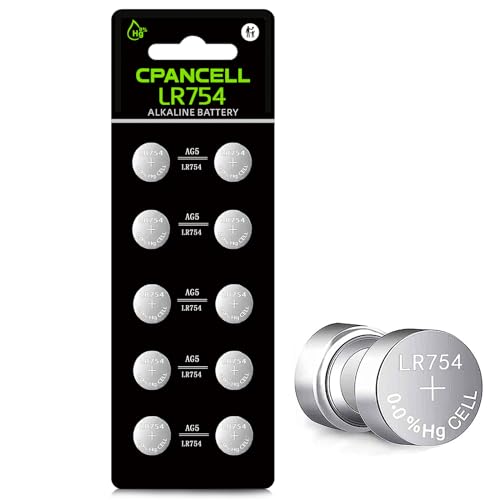
CPANCELL AG5 LR754 309 393 SR754 Alkaline 10-Pack

SKOANBE LR754 309/393 AG5 1.5V Watch Batteries 10-Pack

Energizer 393/309 Silver Oxide Button Cell (5-Pack)

Tianqiu 10-Pack AG5 LR754 393 SR754SW Alkaline

BlueDot Trading AG5 LR754 LR48 193 30-Pack

LOOPACELL 20-Pack AG5 393 LR754 SR754 Button Cell

Camelion LR754 AG5 393 193 Alkaline 10-Pack

Cotchear AG5 LR754 393 SR48 10-Pack
A Deeper Look At The Lineup
Twenty cells in a single pack shifts the economics for households juggling several small gadgets at once. The PKCELL line ships a coin-shaped alkaline cell stamped with multiple cross-reference codes (AG5, 309, 393, LR754, SR754W), which means a single drawer can cover a wristwatch, a digital thermometer, and a pet collar without juggling half a dozen packs.
You benefit most when your devices drift between brands and you don’t want to memorize model numbers. A loose alkaline cell does not match a silver-oxide watch on long-term voltage stability, so dedicated timepiece owners may still want a separate pick.
Standout Benefits
- Twenty-cell count spreads the per-battery cost down for bulk shoppers.
- Multi-code labeling removes guesswork when replacing cells in unfamiliar gadgets.
- Alkaline chemistry suits low-drain tools like thermometers and bathroom scales.
- Standard 7.9 mm by 5.4 mm footprint matches the AG5/LR754 dimension across devices.
Points To Keep In Mind
- Alkaline voltage can dip gradually in watches that expect silver-oxide steadiness.
- Twenty loose cells demand a small organizer so they don’t disappear in junk drawers.
Key Specs
Right Fit For
You manage a household with several watches, thermometers, and small electronics that eat coin cells at unpredictable intervals.
Look Elsewhere When
The Energizer 393/309 silver-oxide pack is a stronger match when your priority is keeping a fine wristwatch running at a flat voltage curve over many months.
Cross-references feel like alphabet soup, and CPANCELL leans into that confusion with one of the broadest name lists in the category. The pack covers AG5 alongside D309, D393, G5A, L754, LR48, SR48, RW28, 15, 48, 193, 546, and several less common codes, which is the kind of breadth that rescues a stuck device you’ve had sitting in a drawer for years.
It suits the shopper who inherited a vintage calculator or a quirky medical accessory and just wants one pack that probably fits. The alkaline chemistry keeps the cost approachable for one-off replacements rather than bulk rotation.
Strengths Worth Knowing
- Wide cross-reference chart covers obscure AG5 family codes found in older imports.
- Ten-cell count strikes a middle ground between single replacements and bulk stashes.
- Standard 1.5V output suits toys, calculators, and basic remotes without fuss.
- Compact pack stores easily in a kitchen drawer or a small toolbox.
Trade-Offs To Consider
- Alkaline construction may drift in high-end watches used to silver-oxide chemistry.
- Loose cells benefit from a small organizer to prevent loss between replacements.
Whose Shelf It Belongs On
You dig out an old device with a faded battery code and want a single pack with a strong chance of fitting.
A Better Fit Elsewhere
The Camelion LR754 pack is worth a look when sealed construction and reduced leakage risk matter more than cross-reference breadth.
SKOANBE pitches its pack at laser pointers, and that hint carries weight. A pointer draws in short bursts but expects a steady 1.5V curve so the beam doesn’t dim mid-presentation. The cells ship with low self-discharge and a stated three-year shelf life, which keeps a rarely used pointer from dying in the back of a desk drawer.
You benefit most when you need predictable alkaline output for toys, small calculators, or training pointers used once a week. Owners of automatic watches should still consider silver-oxide chemistry for steadier long-term voltage.
Real Benefits
- Low self-discharge helps the cells hold charge during long idle periods.
- Stable 1.5V output suits brief high-drain draws from laser pointers and small toys.
- Ten-cell count covers several devices or a season of pointer use.
- Mercury-free construction aligns with common household disposal expectations.
Worth Bearing In Mind
- Alkaline output drifts more than silver-oxide, which may shorten runtime in precision watches.
- Packaging style varies, so labeling the date of purchase helps you use older cells first.
Who Should Grab It
You run a classroom pointer, a pet toy, or a small electronic that draws in short bursts and sits idle most of the time.
Reach For A Different Pick When
The Energizer 393/309 silver-oxide pack is a smarter pick when a fine wristwatch is your primary concern and you want a flatter voltage curve over months.
Silver-oxide chemistry, the kind labeled SR754W and SR48W, behaves differently from the alkaline cells above. The voltage holds flatter through the cell’s life, which is exactly what a wristwatch movement or a precision glucometer expects. Energizer builds the 393/309 with a nominal 1.55V and roughly 75 mAh of capacity, sized at 7.9 mm in diameter and 5.4 mm tall.
This is the pick for timepiece owners who measure runtime in years, not weeks. Five cells per pack keeps the per-unit cost higher than alkaline, but the chemistry tradeoff rewards anyone whose watch stops gaining or losing time when the cell weakens.
What Helps Most
- Silver-oxide chemistry holds voltage steadier through the cell’s life than alkaline equivalents.
- 75 mAh capacity suits multi-year wristwatch replacements without frequent swaps.
- Standard 7.9 x 5.4 mm dimensions slot into AG5, LR754, 309, and 393 sockets.
- Reputable brand backing adds confidence for medical devices like glucometers.
Honest Caveats
- Five-cell pack costs more per cell than bulk alkaline alternatives.
- Silver-oxide can over-deliver voltage in low-drain toys, which may shorten runtime in casual use.
Feature Snapshot
Made For
You wear a wristwatch daily or rely on a precision glucometer that punishes weak voltage with erratic readings.
Consider Something Else When
The PKCELL twenty-pack fits better when a drawer full of mixed household gadgets matters more than silver-oxide chemistry.
Tianqiu keeps the pitch simple: ten alkaline cells, labeled with the AG5 family codes, no extra marketing claims attached. For shoppers who want a budget rotation pack and don’t care about brand cachet, that restraint is the appeal.
You benefit most when your household burns through coin cells in small electronics at a steady, predictable pace. Like other alkaline options, it sacrifices silver-oxide stability, which can show up in watches used to flat voltage curves.
Features That Help
- Ten-cell count covers multiple small devices without overspending.
- Multi-code labeling matches AG5, LR754, 393, and SR754SW sockets.
- Standard 1.5V alkaline output suits thermometers, calculators, and basic toys.
- Plain packaging keeps the cost focused on cells rather than presentation.
Soft Spots
- No published capacity rating makes runtime comparisons harder across brands.
- Alkaline output drifts in watches, so dedicated timepiece owners may want a different chemistry.
Best Suited To
You want a basic alkaline rotation pack for casual low-drain gadgets and don’t need silver-oxide chemistry.
Not Your Match When
The Energizer 393/309 is the better answer for any device where flat voltage over months protects accuracy.
BlueDot Trading leans into the hearing-aid and medical-monitor crowd with a thirty-cell pack rated at 1.5V and 60 mAh per cell. That capacity lands between typical alkaline coin cells and silver-oxide options, which works for daily-use hearing aids and glucose meters that chew through batteries faster than a wristwatch would.
You benefit most when weekly battery swaps are the norm and you don’t want to reorder every month. For shoppers with a precise timepiece or a meter that’s voltage-sensitive, the chemistry tradeoff still matters.
Notable Upsides
- Thirty-cell count minimizes reordering for high-turnover devices like hearing aids.
- 60 mAh capacity suits daily-use medical accessories and small electronics.
- Broad cross-reference list covers SR48, SG5, LR48, 193, 309, 393, and other codes.
- Standard 1.5V output matches AG5/LR754 sockets across devices.
Points To Note
- Alkaline chemistry drifts in voltage, which can shorten useful life in precision watches.
- Larger pack demands dedicated storage to keep cells organized and within reach.
Quick Facts
Who Will Love This
You swap hearing aid or glucometer batteries weekly and prefer a single large pack over frequent small orders.
Skip It When
The Camelion LR754 pack is a quieter fit when sealed construction matters more than sheer cell count.
LOOPACELL frames its pack around device variety rather than chemistry depth. The cells cover laser pointers, insulin pumps, heart-rate monitors, car remotes, organizers, and CMOS backup batteries, which signals an attempt to fit whatever small electronics you’ve got lying around.
You benefit most when your garage drawer holds a mix of key fobs, watches, and old electronics that all take the AG5 family. Owners of medical devices may want a chemistry specifically tuned for steady discharge rather than a generalist alkaline pack.
What Pays Off
- Device list covers automotive remotes, medical accessories, and everyday electronics.
- Twenty-cell count balances bulk savings against drawer clutter.
- Cross-reference labeling covers LR48, 393, 393A, V393, D393, and GP393 codes.
- Standard 1.5V output fits AG5/LR754 sockets across most consumer devices.
Where It Is Less Suited
- Alkaline cells can drift in insulin pumps or heart-rate monitors expecting steady voltage.
- Loose cells in larger packs tend to scatter without a small organizer on hand.
Perfect Match For
You keep a drawer full of key fobs, garage remotes, and older electronics that all take the AG5 size.
Where Another Pick Suits Better
The Energizer 393/309 silver-oxide pack serves insulin pump users better when voltage stability matters more than device breadth.
Camelion positions this pack around leak resistance, which is the kind of detail that matters when coin cells sit forgotten inside a toy for a season. A leaking alkaline cell can ruin a gadget, so sealed construction pays off for seldom-used electronics.
You benefit most when your devices live in drawers for months between uses, from holiday decorations to backup remotes. The same caution about alkaline versus silver-oxide still applies for any watch that punishes voltage drift.
Noteworthy Benefits
- Leak-resistant sealing protects seldom-used electronics stored over long periods.
- Standard 7.9 mm diameter and 5.4 mm height match the AG5/LR754 footprint.
- Cross-reference list covers LR754, CR754, SR754, 193, 393, and many family codes.
- Ten-cell count suits small rotation without overwhelming a household drawer.
A Few Limitations
- Alkaline chemistry still drifts in voltage for precision timepieces.
- Smaller pack means more frequent reordering for high-turnover hearing aid users.
Feature Rundown
Who It Suits Best
You store coin cells inside seasonal toys and decorations for months at a time and want leak resistance as the priority.
Swap It Out When
The BlueDot Trading 30-pack covers you better when daily hearing aid swaps outweigh the storage benefit of leak resistance.
Cotchear rounds out the list with a standard alkaline 10-pack sized at roughly 7.9 mm in diameter, which is the typical AG5/LR754 dimension. The pack leans toward hobby workbench use, where you might need a quick replacement while tinkering with a calculator, laser pointer, or small toy.
You benefit most when your priority is keeping a small stock on hand for bench repairs rather than watch-grade precision. The same alkaline caveat applies for any device expecting silver-oxide stability.
Key Advantages
- Standard 7.9 mm diameter matches the AG5/LR754 socket family.
- Ten-cell count suits a small workbench drawer or hobby kit.
- Multi-code labeling covers AG5, LR754, 393, SR48, L754, and SR754 sockets.
- Standard 1.5V output fits toys, calculators, and laser pointers.
Room For Improvement
- Alkaline voltage drift can shorten useful life in precision wristwatches.
- No published capacity rating makes side-by-side comparison harder.
The Right Fit
You keep a small bench drawer for quick replacements during hobby electronics repairs and casual tinkering.
Another Choice May Suit
The CPANCELL pack offers broader cross-reference coverage when the device you pull from a drawer carries an unusual code.
What Matters Most Before Choosing Ag5 Battery Equivalents
Chemistry: Alkaline Versus Silver Oxide
Alkaline cells are cheaper and easier to find, but their voltage drifts downward through the cell’s life. Silver-oxide cells hold a flatter discharge curve, which keeps watches and precision meters accurate for longer. Watch owners benefit from silver oxide; casual toy or thermometer shoppers rarely notice the difference.
Capacity And Voltage
Most AG5 equivalents run at 1.5V (alkaline) or 1.55V (silver oxide), and capacity is measured in milliampere-hours, or mAh. Higher mAh ratings stretch runtime in hearing aids and glucometers but rarely matter in a wristwatch that draws microamps. Pick the capacity that matches your device’s drain rate rather than chasing the largest number.
Physical Size And Cross-Reference Codes
The AG5 cell measures roughly 7.9 mm in diameter and 5.4 mm in height, shared with the LR754, 309, 393, SR754W, and SR48W families. Always check the original battery code printed on the dead cell or in the device manual before matching codes. Buying by physical size and chemistry beats trusting a label alone.
Shelf Life And Storage
Coin cells lose charge slowly even when unused, so a pack with a stated three-year shelf life beats an unmarked competitor for long-term drawer storage. Keep cells in their original packaging until use, and avoid mixing old and new cells in the same device.
Key Considerations Across These Picks
Pitfalls Shoppers Hit
The most common mistake is grabbing an alkaline cell for a wristwatch that expects silver-oxide stability, then blaming the brand when the watch drifts. Another is matching a code by sight without checking the dimensions, which can fit a slightly thinner cell that loses contact mid-use. Always confirm the chemistry and the 7.9 x 5.4 mm footprint before ordering.
Where The Extra Money Goes
Silver-oxide cells cost more because they hold a flatter voltage curve through their life, which suits precision devices. Alkaline cells save money for casual rotation in toys and thermometers where the drift goes unnoticed. Pay the upgrade when your device is voltage-sensitive; save when it isn’t.
Frequently Asked Questions
What batteries are equivalent to AG5?
AG5 cells cross-reference with LR754, 309, 393, SR754W, SR48W, L754, and several less common codes. All share roughly the same 7.9 x 5.4 mm footprint.
Are AG5 and LR754 the same battery?
Yes, AG5 and LR754 refer to the same physical size and voltage class. The “AG” prefix typically marks alkaline, while “LR” follows the IEC naming convention for alkaline coin cells.
Can I use a 393 battery instead of AG5?
Yes, 393 (silver oxide) and AG5 (alkaline) share the same footprint. Silver oxide holds voltage more steadily, which suits watches and meters better than alkaline equivalents.
How long does an AG5 battery last?
In a typical wristwatch, an AG5 alkaline cell lasts around one to two years, while a silver-oxide equivalent can stretch to two to four years. Hearing aids and glucometers drain coin cells much faster, often in weeks.
Are AG5 batteries the same as 357?
No. The 357 cell is a larger silver-oxide battery used in some watches and medical devices. It does not fit AG5/LR754 sockets and should not be substituted.
The Takeaway
AG5 equivalents come down to chemistry and use case more than brand. Silver-oxide cells serve precision timepieces, alkaline packs cover everything else, and bulk counts help when you rotate coin cells across multiple gadgets. Pick the cell that matches your device, and you’ll rarely think about button batteries again.