Every drawer seems to hide a different coin cell. Watches, kitchen thermometers, laser pointers, garage door openers, and that one toy your kid refuses to retire all run on the same family of tiny 1.5V button cells, and the AG13 label is just one of dozens stamped on the metal. Sorting through LR44, 357, SR44, A76, and the rest can feel like decoding a parts catalog at midnight. This roundup narrows nine solid picks down to the ones worth stashing in your junk drawer, organized by chemistry, count, and the devices you actually own.
The Picks In Brief

LiCB 10 Pack LR44 AG13 357 303 SR44 Button Coin Cell

LiCB 40 Pack LR44 AG13 357 303 SR44 Button Coin Cell

Duracell 76A 1.5V Batteries, 4 Count
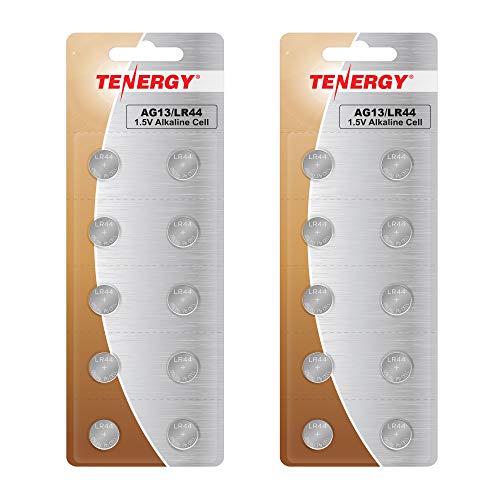
Tenergy 1.5 Volt LR44 Button Cell, 20 Count

Duracell 357 303 A76 PX76 SR44 Silver Oxide, 10 Pack

POWEROWL LR44 24 Count Premium Alkaline 1.5V
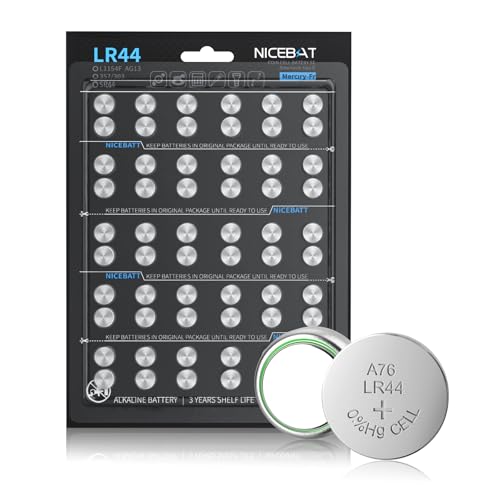
NICEBATT LR44 60 Pack Premium Alkaline 1.5V

PKCELL LR44 10 Pack AG13 L1154f Button Battery

30 Pack LR44 AG13 A76 L1154F SR44 Button Coin Cell
This 10-pack of LiCB button cells earns the opener because the count is friendly for first-time shoppers without burying you in spares. Each cell carries the long equivalence list printed on the back, which makes matching the right code to your watch, thermometer, or remote feel less like detective work. The pack covers AG13, LR44, 357, SR44, and roughly two dozen other designations that share the same 1.5V footprint.
For most households, the chemistry is alkaline (the standard low-cost option for low-drain devices like calculators and small toys). Run a kitchen scale or a digital thermometer through a single cell and you’ll get the kind of long, steady output the format is known for. Owners commonly report that these cells slide cleanly into tight compartments and seat without the wobble that cheaper imports sometimes show.
What Works In Its Favor
- Wide cross-compatibility covers nearly every AG13-equivalent code on the market, so one pack handles most of the drawer
- Modest 10-count means fresh stock gets rotated through instead of sitting in a junk drawer for years
- Compact cells fit common watches, calculators, thermometers, and small LED toys without modification
- Alkaline chemistry keeps upfront cost low for devices that sip rather than gulp power
Things To Consider
- Alkaline cells slowly lose voltage as they discharge, so watches may gain or lose minutes near the end of life
- Pack size runs out quickly in homes with several coin-cell gadgets, pushing frequent restockers toward the 40-count
Feature Snapshot
Who It Suits Best
Shoppers stocking a small drawer of cells for a watch, a kitchen scale, and the occasional toy will appreciate the modest count and broad compatibility.
Where Another Pick Suits Better
The LiCB 40 Pack makes more sense for households running coin cells through toys, calculators, and remotes at a steady pace, since the per-cell cost drops sharply.
Step up to the LiCB 40-pack and the math starts favoring anyone with more than two or three devices to feed. The same long compatibility list from the smaller pack is here, so AG13, LR44, 357, and SR44 devices all share the same stash. That consolidation matters when a single drawer holds remote batteries, pet collar batteries, and the inevitable toy from last year’s birthday.
Compared with the 10-pack earlier, this bulk version trades a small footprint for a sharper per-cell cost. Owners commonly rotate packs so the older cells get used first, which helps avoid the frustration of grabbing a dead battery from the back of a drawer. If your household treats coin cells as a recurring expense, this is the friendlier long-term move.
A Few Strong Suits
- Bulk 40-count drops the per-cell cost noticeably compared with smaller packs
- Single compatibility list simplifies matching across watches, toys, calculators, and remotes
- Stash supports multi-device households without forcing constant reorders
- Cells arrive in resealable-style packaging that keeps unused units together for the next swap
Points To Keep In Mind
- Alkaline cells gradually lose voltage near end of life, so a precision watch may drift in its final weeks
- Large count means slower rotation in low-use households, occasionally leading to forgotten spares
Quick Facts
Right Fit For
Families running coin cells through garage remotes, bathroom scales, and a steady parade of small toys will appreciate the bulk format and reduced per-unit cost.
Consider Something Else When
The Duracell 357 303 Silver Oxide 10-pack is a better call for watch collectors or medical device users who want flatter voltage over the cell’s life.
The Duracell 76A arrives in a small 4-count card that feels familiar from years of drugstore runs. Where it differs from the alkaline bulk packs above is the brand pedigree: Duracell manufactures these cells under tighter tolerance controls, and the 76A label is explicitly cross-referenced with LR44, A76, and AG13 equivalents on the packaging. For a watch or key fob you depend on daily, that consistency earns its keep.
The smaller count also encourages prompt rotation. Most households burn through four cells in under a year, well before any meaningful self-discharge sets in. Owners commonly keep a card in a junk drawer as a backup, knowing that a dead watch battery at 7 a.m. won’t require a hardware store trip.
Strong Points
- Brand-name manufacturing standards give tighter voltage consistency cell to cell
- Compact 4-count suits watch owners and key fob users who rotate cells quickly
- Cross-reference list on the pack simplifies matching AG13, LR44, and A76 labels
- Retail availability makes emergency replacement straightforward at most drugstores
Trade Offs
- Per-cell cost runs higher than the bulk alkaline packs earlier in the list
- Alkaline chemistry still tapers in voltage, so precision watches may drift late in life
Feature Card
Best Suited To
Watch wearers and key fob owners who want a known brand on hand for a quick swap will find the 4-count card a tidy match.
Skip It When
The LiCB 40 Pack suits shoppers running coin cells through toys, remotes, and household gadgets at a higher cadence where per-cell cost matters more than brand recognition.
Tenergy slots a 20-count alkaline pack right in the middle of the size spectrum, sized for households that have outgrown the small starter card but don’t need a 60-pack takeover. The cells are labeled as LR44 with AG13 equivalence called out in the product description, covering watches, laser pointers, thermometers, and similar portable electronics. Low internal resistance is the spec to watch here, since it translates into steadier output under load.
Compared with the smaller LiCB 10-pack earlier, this gives you double the count without committing to bulk. Laser pointer presenters and small medical devices tend to drain coin cells quickly, and a 20-pack tends to outlast the typical use cycle before shelf life becomes a worry. Owners commonly report clean fit inside tight compartments, with no rattling once seated.
The Practical Payoff
- Mid-size 20-count splits the difference between starter packs and bulk options
- Low internal resistance design supports steady output for laser pointers and small electronics
- Wide compatibility list covers AG13, LR44, and most labeled equivalents on the market
- Reasonable shelf life for cells used within a couple of years of purchase
Honest Caveats
- Alkaline chemistry sags slightly toward end of life, so high-precision watches may run short of accuracy late in the cycle
- Twenty cells can sit longer than expected in a low-drain household, occasionally leading to a drawer full of unused spares
Whose Shelf It Belongs On
Office workers running laser pointers and households with a mix of watches, thermometers, and small gadgets will appreciate the balanced 20-count format.
A Better Fit Elsewhere
The NICEBATT 60 Pack makes more sense for craft rooms, classrooms, and workshops where coin cells get burned through quickly in projects and activities.
Silver oxide chemistry is the headline difference on this Duracell pack, and it matters more than the spec sheet first suggests. Where alkaline cells gradually drift downward in voltage over their life, silver oxide (a denser chemistry built around silver compounds) holds its output remarkably flat until the very end. For a wristwatch, a glucometer, or any device that depends on stable voltage for accuracy, that flatter curve is the whole point.
The compatibility list covers 357, 303, A76, PX76, SR44W, SR44SW, and LR44-style slots, though you should confirm your device specifically calls for silver oxide rather than alkaline. The 10-count format suits collectors and medical device users who want premium chemistry without committing to deep bulk. Owners commonly keep a few cells aside as backups for watches they trust but rarely service.
The Value In It
- Silver oxide chemistry delivers flat voltage output, ideal for watches and precision devices
- Wide compatibility covers 357, 303, A76, PX76, SR44, and related codes
- Duracell brand manufacturing keeps cell-to-cell consistency tight across the pack
- 10-count keeps rotation manageable for specialty electronics that drain slowly
Some Limits To Know
- Silver oxide cells cost more per unit than the alkaline packs earlier in this roundup
- Chemistry differs from alkaline, so devices expecting alkaline discharge curves may behave differently
Spec Overview
Who Should Grab It
Watch collectors, medical device users, and anyone whose device calls specifically for silver oxide chemistry will benefit from the stable voltage curve.
Reach For A Different Pick When
The LiCB 40 Pack suits shoppers feeding coin cells into toys, calculators, and remotes where alkaline chemistry is perfectly adequate and cost matters more.
POWEROWL’s 24-pack leans on higher-density cell construction, a spec the brand highlights as improving energy output compared with standard alkaline coin cells. The result is a battery that handles moderate-drain devices like garage door remotes, pet collars, and small toys with a touch more staying power than entry-level alkaline cells. The chemistry is still alkaline, so the voltage curve behaves like other alkaline cells here, but the runtime per cell tends to edge out cheaper imports.
Sealed packaging keeps the cells protected from humidity and accidental discharge until you’re ready to use them. The compatibility list runs through the usual AG13, LR44, 357, 303, SR44, and A76 codes, so the pack drops into most coin-cell slots without a second thought. Owners commonly report solid fit inside tight compartments.
Good Reasons To Consider
- Higher-density cells deliver a runtime edge over standard alkaline coin cells in moderate-drain use
- Sealed packaging protects against humidity and shelf drain before first use
- Compatibility list covers the major AG13/LR44 equivalents across common household gadgets
- 24-count splits the difference between small packs and deep bulk
Points To Note
- Alkaline chemistry still tapers late in discharge, so voltage-sensitive devices may behave differently at end of life
- Per-cell cost sits between budget bulk packs and premium silver oxide, so value shoppers may compare carefully
At A Glance
Perfect Match For
Households with garage remotes, pet collars, and a parade of small toys will appreciate the higher-density cells in a manageable 24-pack.
Look Elsewhere When
The Duracell 76A 4-pack serves shoppers who prefer a familiar brand in a smaller count for watches and key fobs they service one at a time.
NICEBATT goes the furthest of any pack on this list with 60 cells bundled together, sized for anyone treating coin cells as a recurring project supply. The cells are alkaline, with leak-resistant construction designed to protect devices left idle for stretches between battery swaps. A high-density core is part of the spec sheet, and the chemistry holds the same 1.5V output as every other entry here.
Where smaller packs suit a household’s incidental needs, this 60-count format makes sense for craft rooms, STEM classrooms, and workshops where button cells disappear into LED projects, mini flashlights, and assorted gizmos. Compared with the 40-pack earlier, the per-cell cost drops further, though you trade shelf rotation for the bulk savings.
The Upside
- Largest count on the list, ideal for classrooms, craft rooms, and workshops
- Leak-resistant design helps protect expensive electronics sitting idle between uses
- Per-cell cost drops noticeably compared with mid-size packs
- Compatibility list covers AG13, LR44, 357, 303, SR44, and most labeled equivalents
Where It May Fall Short
- Bulk size outpaces casual household demand, so cells may sit longer than ideal before rotation
- Alkaline chemistry still drops voltage gradually, so watches may drift near end of life
Feature Snapshot
Made For
Classrooms, craft rooms, and small workshops feeding coin cells into LED projects, mini flashlights, and assorted hobby electronics will find the 60-count format fits the pace.
Another Choice May Suit
The Tenergy 20 Count suits a household juggling watches and laser pointers where a smaller mid-size pack fits the drawer better than a 60-cell surplus.
PKCELL keeps the format simple with a 10-pack of LR44 cells labeled as AG13 and L1154f equivalents, alongside the long compatibility list shared across this category. The chemistry is alkaline, sized for low-drain household gadgets that don’t justify silver oxide pricing. The cells arrive with a stated 3-year shelf life, which matters more in a starter pack than in deep bulk, since small counts get rotated through faster.
This sits in the same neighborhood as the LiCB 10-pack reviewed earlier, and the honest comparison is straightforward: both packs target the same casual household use at similar counts. Where PKCELL differentiates is in the explicit 3-year shelf life claim and the L1154f cross-reference, useful if your device lists that specific code.
What Helps Most
- Compact 10-count works well for first-time shoppers or one-off replacements
- 3-year shelf life claim keeps stored cells usable for backup purposes
- Compatibility list covers AG13, LR44, L1154f, and common equivalents
- Alkaline chemistry keeps cost low for low-drain devices like thermometers and scales
A Few Limitations
- Alkaline cells lose voltage gradually, so precision watches may run slightly off near end of life
- Smaller count means frequent reorders for households running multiple coin-cell devices
Built With In Mind
Shoppers replacing a specific device battery or starting a small drawer stash for thermometers and kitchen scales will find the 10-count format practical.
Not Your Match When
The POWEROWL 24 Count suits households that burn through coin cells faster and want higher-density cells without jumping straight to bulk.
This Pallenvibe 30-pack rounds out the list with a mid-bulk count that splits the difference between starter and deep stash. The cells deliver 1.5V alkaline output across the standard AG13/LR44 compatibility list, with L1154F and A76 called out alongside. A 3-year shelf life is part of the spec, which matters since mid-bulk packs often sit partially used for a year or more.
Compared with the POWEROWL 24-pack and the Tenergy 20-pack reviewed earlier, this lands at a slightly higher count without jumping into workshop-scale territory. Owners commonly report solid fit inside digital calipers, kitchen scales, and similar low-drain devices, where the alkaline chemistry handles the workload without complaint.
Useful Touches
- 30-count size fits between starter packs and bulk stashes for steady household use
- 3-year shelf life keeps stored cells usable as backups for emergencies
- Compatibility list covers AG13, A76, L1154F, SR44, and common equivalents
- Alkaline chemistry handles low-drain devices like thermometers, scales, and mini LEDs
Things To Weigh
- Alkaline chemistry tapers late in life, so voltage-sensitive devices may behave slightly off at end of discharge
- Mid-bulk count may outpace casual household demand, leading to longer shelf storage before rotation
The Right Fit
Shoppers wanting a backup drawer for thermometers, kitchen scales, and the occasional remote will appreciate the 30-count format with stable 1.5V output.
Swap It Out When
The NICEBATT 60 Pack suits users with craft rooms or workshops where coin cells disappear into projects at a faster pace than a 30-count can keep up with.
What Matters Most Before Choosing Ag13 Battery Equivalents
Start by checking your device’s manual or the old battery’s engraving for the exact chemistry it wants. Alkaline cells (the standard 1.5V option) handle low-drain gadgets like remotes and thermometers, while silver oxide holds flatter voltage for watches and medical tools. The next call is count: a watch owner needs only a 4-pack, but a household running toys and remotes benefits from a 20-count or larger.
Compatibility deserves attention too. AG13, LR44, 357, SR44, and A76 all share the same 11.6mm by 5.4mm footprint (the standard “button” dimensions), but silver oxide and alkaline cells aren’t always interchangeable in voltage-sensitive devices. Confirm the exact code on your device before mixing chemistries.
Shelf life and storage round out the practical picture. Sealed packs with air- and liquid-tight seals protect cells from humidity and accidental discharge, which matters for backup stashes sitting in a drawer for a year or more. Households in humid climates benefit most from this kind of packaging, while arid storage spaces are more forgiving.
Choosing The Right Chemistry
Alkaline is the cost-effective default for most coin-cell devices. Silver oxide commands a premium because it holds voltage flat through nearly the entire discharge cycle, which keeps watches accurate and medical readings stable. For toys, calculators, and remotes, alkaline chemistry is more than enough.
Matching Count To Your Drawer
Starter packs under 10 cells suit single-device shoppers. Mid-size packs from 20 to 30 cells cover typical households with three to six coin-cell gadgets. Bulk packs of 40 or more make sense for workshops, classrooms, and project-heavy homes where cells disappear quickly.
Key Considerations Across These Picks
Where Shoppers Go Wrong
The most common slip is grabbing the cheapest alkaline pack and dropping it into a watch that called for silver oxide. The watch may run, but accuracy drifts as voltage sags, and the cell often dies sooner than expected. Cross-reference your device’s manual before assuming any 1.5V coin cell will do.
A second trap is buying deep bulk without thinking about shelf rotation. Coin cells self-discharge slowly over years, and a 60-pack in a low-use household can sit long enough that early cells fade before reaching a device. Match the count to your actual turnover.
Why Top Tier Costs More
Silver oxide chemistry uses denser compounds and tighter manufacturing tolerances, which raises the per-cell cost. For voltage-sensitive devices like watches, medical tools, and some instruments, that flatter discharge curve is the actual product, not a luxury. Alkaline cells in the same slots work, but you’ll replace them more often and accept some accuracy drift near end of life.
Frequently Asked Questions
What batteries are equivalent to AG13?
AG13 is one of many labels for the same 11.6mm by 5.4mm 1.5V button cell. Common equivalents include LR44, 357, SR44, A76, PX76, L1154, and G13, all of which share the same footprint. Confirm your device’s chemistry preference before swapping chemistries, since silver oxide and alkaline behave differently in voltage-sensitive electronics.
Can I use LR44 instead of AG13?
Yes, LR44 and AG13 are the same 1.5V button cell sold under different naming conventions by different manufacturers. The cells fit identical slots and power identical devices. The only practical difference is brand labeling and packaging count, not the cell itself.
Are all AG13 batteries the same chemistry?
Most AG13-labeled cells are alkaline, which is the cost-effective standard for low-drain devices. Silver oxide AG13 equivalents exist under codes like 357 or SR44, and these hold flatter voltage for watches and precision electronics. Check the device manual to see which chemistry your gadget expects.
How long do AG13 batteries last in a watch?
A typical AG13 alkaline cell powers a watch for roughly one to two years, depending on the watch’s power draw and features. Silver oxide equivalents can stretch that further thanks to flatter voltage output. Heavy-use watches with backlights or chronographs drain faster than simple analog models.
Is it safe to store spare coin cells together?
Storing coin cells loosely in a drawer risks contact with metal objects, which can short the terminals and drain the cells. Keep them in original packaging or a small plastic case until use. Avoid mixing old and new cells in the same device, since voltage mismatches can cause leaks in low-quality cells.
Final Take
For most households, a mid-size alkaline pack in the 20 to 30-count range covers watches, remotes, thermometers, and the occasional toy without overstocking. Watch collectors and medical device users get the most from silver oxide chemistry, while workshops and classrooms justify deep bulk. Pick the count that matches your turnover, confirm the chemistry your device wants, and keep the spares sealed until you need them.