If your drawer is overflowing with half-used alkaline Aaa batteries, you already know the quiet frustration of swapping dead cells in TV remotes, game controllers, and flameless candles. Rechargeable Aaa cells pay back their cost quickly, but the category ranges from bargain packs to premium low-self-discharge (LSD) chemistries built for serious cycle life. This shortlist focuses on NiMH cells (nickel-metal hydride, the standard rechargeable chemistry for household Aaa sizes) that hold a charge well and survive hundreds of recharges, so you spend less time at the battery bin.
How The Shortlist Stacks Up

Panasonic eneloop AAA 2100 Cycle Ni-MH Rechargeable Batteries, 16 Pack
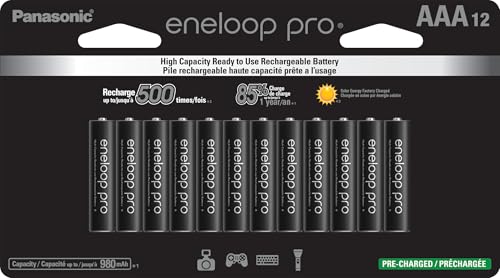
Eneloop Panasonic pro AAA High Capacity Ni-MH Rechargeable Batteries, 12 Pack

Nraonrn 4 Pack NI-MH AAA Rechargeable Battery for Panasonic

HIVEVOLT Rechargeable AAA Batteries, 1100mAh, 24 Count
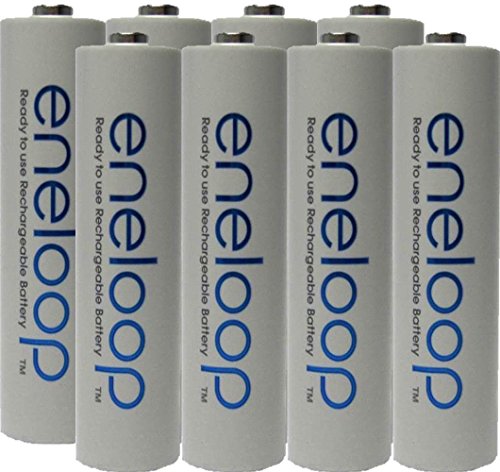
Eneloop 4th Gen AAA NiMH Rechargeable Batteries, 8 Count with Holder

Nraonrn 4 Pack NI-MH AAA Rechargeable Battery for Panasonic Cordless Phones
The Picks, Examined More Closely
Sixteen cells arrive pre-charged and ready to drop into a TV remote, a wireless mouse, or a string of LED candles without the usual wait at the charger. The Panasonic eneloop AAA 16-pack leans on low-self-discharge chemistry, meaning the cells keep most of their stored energy while sitting on a shelf between uses, which matters more than raw capacity for low-drain devices.
Cycle life is the headline number here, and the spec sheet claims up to 2,100 recharge cycles before noticeable wear. For households cycling through dozens of remotes, flameless candles, and small electronics, that translates into years of service before capacity really starts to sag. Compared with the budget HIVEVOLT pack later in this list, you’re paying for longevity rather than cell count.
A Favorable Mix
- 2,100 recharge cycles means a single pack can outlast several generations of alkaline throwaways.
- Low self-discharge chemistry holds roughly 70 percent of charge after long shelf storage, so a spare set stays usable for months.
- Pre-charged out of the package, removing the typical first-use charging delay.
- Sixteen cells cover a typical household’s Aaa-drain devices with spares to spare.
Things To Consider
- Capacity sits in the standard NiMH range rather than the higher-capacity “pro” tier, so drain-hungry game controllers may need recharging sooner.
- A 16-pack is overkill for anyone replacing a single device, and loose cells tend to migrate around junk drawers over time.
Quick Facts
Who It Suits Best
Households with a long tail of low-drain Aaa devices, from remote controls to wall clocks, who want one purchase to last several years.
Look Elsewhere When
Hardcore gamers and shutterbug photographers using flash units should reach for the Eneloop Panasonic pro AAA 12-pack instead, since higher capacity translates to more runtime per charge.
The “pro” in the name tells you where this 12-pack is aiming: devices that chew through Aaa cells in days rather than months. Compared with the standard Panasonic eneloop AAA 16-pack reviewed earlier, this set trades cycle count for higher per-cell capacity, giving game controllers, camera flash units, and motorized toys noticeably longer sessions before they head back to the charger.
The trade-off lands squarely on longevity. Where the standard cells advertise up to 2,100 recharge cycles, the pro tier is rated closer to 500, which sounds low until you realize most households never hit that ceiling anyway. For the user profile that drains cells weekly, the runtime gain matters more than the cycle number on the spec sheet.
Reasons It Performs
- Higher per-cell capacity keeps game controllers and camera flashes running noticeably longer than standard NiMH cells.
- Pre-charged at the factory, so the first use requires no charging dock time.
- Low-self-discharge formulation still holds roughly 85 percent of charge after a year on the shelf.
- Twelve cells is enough to cover a typical two-controller gaming setup plus a spare set.
Worth Noting
- Rated for around 500 recharge cycles, meaningfully shorter than the standard eneloop lineup.
- Premium positioning makes this a poor fit for low-drain devices where standard cells already last months.
Key Specs
Made For
Gamers and hobby photographers who burn through Aaa cells quickly and want longer runtime per charge rather than maximum cycle count.
Swap It Out When
Anyone running a household full of low-drain remotes and clocks will get better long-term value from the Panasonic eneloop AAA 16-pack, since those devices don’t need the extra capacity.
Most rechargeable Aaa picks assume you’re powering a remote or a game controller. This Nraonrn 4-pack sits firmly in a different lane: it’s positioned as a replacement for the specific rechargeable Aaa cells found inside certain Panasonic cordless phone handsets. The capacity sits at a modest 400 mAh (milliamp-hours, a measure of how much energy a cell stores), which matches the slow drain profile of a phone sitting on a charging cradle most of the day.
Where the larger 16-pack and 24-pack options on this list target broad household use, this small batch is built for the shopper with a dead handset and a list of compatible battery codes on hand. Owners commonly note that the chemistry is pre-charged with a low self-discharge rate, which suits a phone that gets pulled off the base only for short calls.
Standout Benefits
- Positioned as a direct replacement for common Panasonic handset battery codes.
- Low self-discharge chemistry keeps cells topped off between calls.
- Pre-charged at the factory, so a handset can be revived without a dock session first.
- Compact 4-pack size fits a single-handset replacement without surplus cells to lose.
Points To Note
- 400 mAh capacity is low by Aaa standards, so this set underperforms in anything beyond a cordless phone.
- The list of compatible battery codes is specific, and shoppers should match their old cell’s printed model number before ordering.
Best Suited To
Owners of a single aging Panasonic cordless phone who want a low-fuss rechargeable replacement rather than swapping to a whole new handset.
Reach For A Different Pick When
Anyone powering remote controls, toys, or game controllers will get far better runtime from the HIVEVOLT 24-pack reviewed later in this list.
A 24-pack of rechargeables changes the math for a busy household. Where the standard Panasonic eneloop 16-pack earlier in this list trades cell count for proven longevity, the HIVEVOLT 24-count tilts the other direction, flooding the drawer with enough cells to keep toys, remotes, flameless candles, and game controllers all running at once without constant rotation through the charger.
Per-cell capacity sits at a usable 1,100 mAh, with the manufacturer claiming up to 1,200 recharge cycles and roughly 80 percent charge retention after a year on the shelf. For shoppers building a recharge-and-reuse routine around a NiMH charger they already own, the value proposition is simple: more cells for less per-cell cost.
Everyday Wins
- 1,100 mAh per cell handles mid-drain devices like wireless mice and small toys with room to spare.
- 1,200-cycle rating keeps the cells useful across years of regular recharging.
- Low self-discharge chemistry holds around 80 percent of charge after a year of storage, so spares stay ready.
- Mercury-free construction and a sealed coating aim to minimize leak risk during long-term storage.
Honest Caveats
- Capacity sits below the Eneloop pro tier reviewed earlier, so power-hungry game controllers will still drain faster than premium cells.
- Twenty-four loose cells demand a storage case or organizer to keep them from scattering in a junk drawer.
Feature Snapshot
Right Fit For
Families and gadget-heavy households who want a deep bench of rechargeables on hand for remotes, small toys, and seasonal decor.
A Better Fit Elsewhere
Shutterbug photographers running motorized flashes should look at the Eneloop Panasonic pro AAA 12-pack for higher per-cell capacity.
This 8-count Eneloop set ships with a plastic storage case, which sounds like a small detail until you’ve spent twenty minutes matching loose cells in a junk drawer. The fourth-generation cells retain the familiar 2,100-cycle rating but add an improved low-temperature tolerance, a meaningful upgrade for outdoor sensors, garage door openers, and anything else that spends part of the year in an unheated space.
Compared with the original Panasonic eneloop 16-pack reviewed earlier, this set is smaller and bundled with a case, but the chemistry is the same proven low-self-discharge formulation. For shoppers who care more about a tidy storage solution than bulk cell count, the included holder alone can justify the purchase.
Well-Handled Touches
- 2,100-cycle rating matches the standard eneloop lineup and supports years of regular recharging.
- Improved cold-temperature performance extends usability into garages and outdoor sensor housings.
- Pre-charged and ready to use straight from the package.
- Included storage holder keeps cells paired and organized between charging cycles.
Points To Keep In Mind
- Eight-cell count covers one or two devices and a small spare set, leaving nothing for a deep household bench.
- Standard NiMH capacity, not the higher-capacity pro tier, so drain-hungry gear still benefits from the Eneloop pro pack.
Feature Card
Whose Shelf It Belongs On
Shed and garage owners, plus anyone running outdoor wireless sensors, where cold-temperature reliability matters more than sheer cell count.
Where Another Pick Suits Better
Large families should reach for the HIVEVOLT 24-pack instead, since eight cells will run out quickly across a busy household.
This second Nraonrn entry on the list is nearly a twin of the 4-pack reviewed earlier, with one practical difference: the listing is framed as a generic Aaa NiMH cell compatible with multiple electronic devices, including Panasonic and Motorola cordless phones. For shoppers who want one small recharge-ready batch for a single handset without committing to a larger pack, the size here keeps things tidy.
Like its sibling, this set targets the slow-drain world of cordless phones rather than game controllers or camera flashes. The NiMH chemistry arrives pre-charged and leans on low self-discharge behavior, so a handset parked on its cradle holds onto its charge between calls.
Real-World Strengths
- Compact 4-pack size keeps spares minimal for a single-handset replacement.
- Listed as compatible with common Panasonic and Motorola cordless phone battery codes.
- Pre-charged low-self-discharge cells stay topped off between calls.
- Standard NiMH 1.2V output matches the voltage profile expected by most household Aaa devices.
Practical Considerations
- Lower capacity than general-purpose household packs, so it underperforms outside cordless phones.
- Shoppers should match the battery code on their old handset to the compatibility list before ordering.
Who Should Grab It
Anyone replacing the rechargeable Aa-equivalent cells in one or two aging cordless phone handsets without buying more than they need.
Consider Something Else When
Households running game controllers or wireless keyboards will get more useful capacity from the HIVEVOLT 24-pack reviewed earlier in this list.
What To Weigh Before Choosing Aaa Rechargeable Batteries
Start with the drain profile of your devices. A remote control sips milliwatts and barely cares about capacity, while an Xbox controller or a camera flash unit gulps energy and benefits from high-capacity NiMH cells like the Eneloop pro tier. Choosing the wrong tier is the most common regret shoppers report: paying for capacity they never use, or buying a budget pack that can’t keep up with daily gaming.
Capacity (mAh) and cycle life are the two numbers that drive long-term cost. A higher mAh rating means longer runtime per charge, while a higher cycle count means the cell survives more recharge cycles before wearing out. For low-drain devices, a standard 750 to 850 mAh cell with a 2,000-plus cycle rating tends to be the smarter buy.
Low self-discharge chemistry matters more than most shoppers realize. Standard NiMH cells can lose a meaningful chunk of charge sitting unused for a few months, which is why your old rechargeables often feel “dead” even though you charged them last fall. LSD cells (low self-discharge, a formulation that resists charge loss on the shelf) hold most of their charge for a year or longer, making them the right pick for emergency devices, seasonal decor, and anything that sits in a drawer between uses.
Key Considerations Across These Picks
Pitfalls Shoppers Hit
The most common mistake is buying a high-capacity “pro” cell for low-drain devices and assuming it’s strictly better. Higher capacity often means lower cycle life, so you’re trading long-term durability for runtime you don’t need. The second classic slip is ignoring self-discharge: standard NiMH cells can sit dead for months, leaving a flashlight useless in a power outage.
Where The Extra Money Goes
Premium pricing in this category mostly funds three things: longer cycle life, low self-discharge chemistry, and tighter capacity matching from cell to cell. For shoppers using rechargeables in critical gear (medical devices, professional flash units, frequent gaming), the upgrade pays back through fewer mid-cycle replacements. For a drawer full of remotes, a value pack with decent LSD chemistry usually delivers more practical value per dollar.
Frequently Asked Questions
How long do rechargeable Aaa batteries last per charge?
It depends entirely on the device. A remote control can run six months on a single charge, while an active game controller may need a swap every twenty to forty hours of play. Capacity (mAh) is the closest proxy for runtime, but actual drain depends on the device’s power draw.
Can I use rechargeable Aaa batteries in any device that takes Aaa?
In most cases, yes. Standard NiMH cells output 1.2V, while alkaline Aaa cells output around 1.5V, so a few sensitive devices (some older digital thermometers, certain medical tools) may misbehave. For remotes, game controllers, and most modern electronics, the slightly lower voltage is rarely an issue.
Do rechargeable Aaa batteries leak less than alkaline?
Modern NiMH cells with sealed constructions and mercury-free chemistries tend to leak less than aged alkaline batteries, which are notorious for corroding device contacts. That said, no rechargeable is immune to leakage if left dead in a device for years.
How many times can I recharge a typical Aaa NiMH cell?
Cycle ratings range from about 500 for high-capacity pro cells to 2,100 for standard LSD formulations like eneloop. In practice, most shoppers never reach the rated ceiling, but the higher the cycle rating, the longer the cell stays useful before noticeable capacity loss.
Do I need a special charger for rechargeable Aaa batteries?
Yes, you need a NiMH-compatible charger. Older NiCd (nickel-cadmium) chargers exist, but using one on NiMH cells can undercharge them. Modern smart chargers detect cell chemistry, manage individual cell health, and prevent overcharging, which extends the life of your cells.
Wrap Up
The right rechargeable Aaa depends less on the brand and more on what you’re powering. For households with a long tail of low-drain devices, a standard LSD cell with a high cycle count delivers the best value over time. For gamers and hobby photographers, higher capacity matters more than cycle life. Specialty replacements make sense for cordless phones, and bulk packs work for big families. Match the cell to the device, and the rest takes care of itself.