Hunting season means long days in the field, and your trail camera eats through AA cells faster than you’d think. Whether you’re monitoring a back-forty food plot or a remote deer trail, the right battery chemistry makes the difference between a full memory card and a wasted trip. This roundup covers alkaline workhorses, rechargeable lithium-ion packs, and high-capacity lithium primaries built for cold mornings and weeks-long deployments. Each pick below fits a slightly different setup, so you can match battery choice to camera model, trip length, and how often you check your SD card.
Your Options, Compared

Energizer Alkaline Power AA Batteries (32 Count)
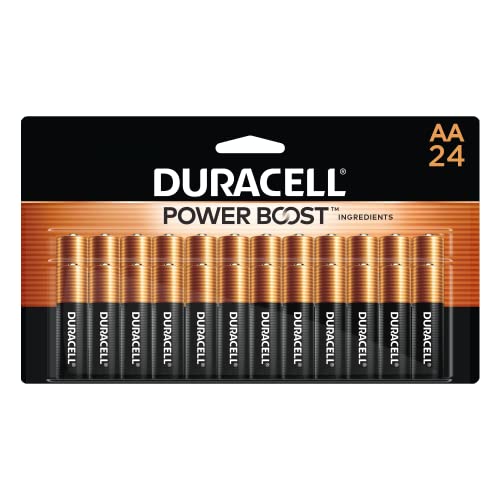
Duracell Coppertop AA Batteries (24 Count)
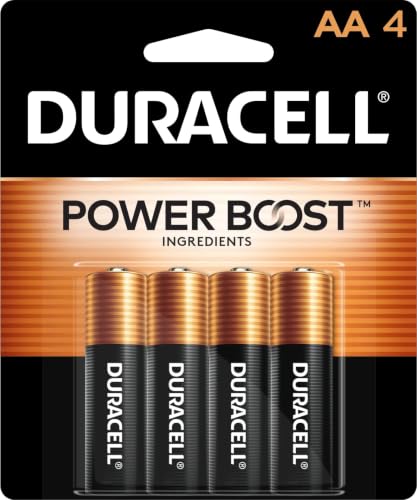
Duracell Alkaline Powerboost AA4 (4 Count)
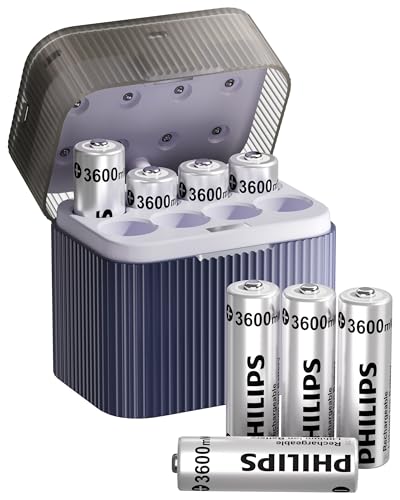
PHILIPS Rechargeable AA Lithium Batteries 8 Pack (3600mWh)
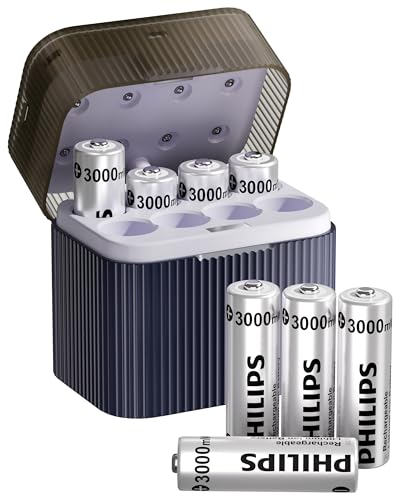
PHILIPS Rechargeable 3000mWh AA Lithium Batteries 8 Pack

PHILIPS Rechargeable AAA Lithium Battery 8 Pack (1300mWh)

PHILIPS Rechargeable AA Lithium Battery 4 Pack (3600mWh)
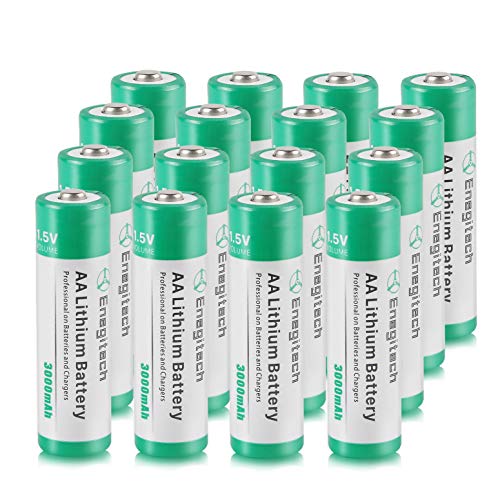
Enegitech AA Lithium Battery 3000mAh (16 Pack)

Enegitech AA Lithium Battery 1.5V (24 Pack)

Enegitech AA Lithium Battery 1.5V (8 Pack)
Alkaline chemistry (a common, low-cost cell type using zinc and manganese dioxide) is the default trail-camera fuel for many hunters, and this 32-count pack gives you plenty of spares for a full season of swaps. The Energizer Alkaline Power AA Batteries come in a familiar cardboard sleeve with clearly labeled expiration dates, which helps when you’re grabbing handfuls from a tackle box in the dark.
If you run a camera that only triggers a few times a day and you check it weekly, alkaline cells make solid economic sense. They struggle in extreme cold and can leak if left in a device for months, so storing spares somewhere temperate matters more than the brand on the wrapper.
Features That Help
- Thirty-two cells per pack covers four typical eight-battery swaps.
- Standard 1.5V output works in nearly every AA-compatible trail camera.
- Widely available, so you can replace cells at any rural gas station.
- Date-coded packaging helps you track freshness when buying in bulk.
Things To Consider
- Capacity drops sharply below freezing, so winter setups need a different chemistry.
- Owners commonly report occasional leakage when cells sit unused for long stretches.
Who It Suits Best
Casual hunters running a single low-trigger camera in mild weather who want the lowest upfront cost per cell.
Look Elsewhere When
You monitor multiple cameras through a snowy winter, in which case the Enegitech AA Lithium Battery 1.5V (24 Pack) holds voltage better in the cold.
The Coppertop line is one of the most recognizable alkaline names on store shelves, and the 24-count carton is sized for three full reloads of an eight-battery trail camera. Compared with the bare-bones Energizer pack above, you get a slightly sturdier box and a longer shelf-stability guarantee, which is helpful when you buy for the whole hunting camp at once.
Real-world performance lands close to other premium alkalines: solid for everyday triggers, modest in freezing temps. If your scouting runs mostly from September through November, these cells are a comfortable, mainstream choice.
Everyday Perks
- Long shelf-stability rating keeps spare cells fresh across off-seasons.
- Compatible with hundreds of AA devices beyond trail cameras, from remotes to flashlights.
- Recognizable copper-top branding helps you grab the right pack in a hurry.
Trade Offs
- Still alkaline, so sub-zero dawns in a tree stand will shorten run time noticeably.
- Heavier per cell than lithium primaries, a small factor for backpack hunters.
Built With In Mind
Hunters who set up in early fall and pull cameras before the first hard freeze, and want a dependable bulk pack for the family cabin.
Consider Something Else When
You keep cameras deployed through January, where the Enegitech AA Lithium Battery 3000mAh (16 Pack) handles cold-weather voltage better.
A four-pack is the smallest practical refill for a typical eight-cell trail camera, and the Duracell Alkaline Powerboost AA4 leans into that “just enough” use case. Each cell is individually date-coded, and the pack is rated for reliable operation across a wide temperature window.
For most hunters, this is a backup size, not a primary one, since two packs cover one full camera swap. It shines when you need to replace a single dead cell between longer deployments without buying a 24- or 32-count carton you don’t need yet.
Positive Takeaways
- No added mercury, useful if you worry about long-term contact corrosion in storage.
- Wide operating range covers cold mornings and warm afternoons alike.
- Compact four-cell format fits in a glove box or rangefinder pouch.
Points To Note
- Smaller pack means a higher per-cell cost if you swap frequently.
- Alkaline chemistry still trails lithium primaries in cold-weather endurance.
Made For
Light users who rotate one or two cameras and only need to top off a partial set between trips.
Skip It When
You maintain a half-dozen cameras year-round, where the larger 24- or 32-count alkaline cartons save repeated trips to the store.
Rechargeable lithium-ion AA cells (a newer chemistry that holds 1.5V through most of the discharge curve, unlike older NiMH which sag gradually) change the math for serious trail-camera owners. This PHILIPS pack delivers a constant 1.5V output rated at 3600mWh, with a long cycle life aimed at heavy-use households.
The trade-off shows up in charging logistics: you need a compatible lithium-ion charger and a habit of topping cells off before each deployment. For someone running a cellular trail camera that wakes up dozens of times per day, the steady voltage prevents the early “low-battery” shutdowns that NiMH rechargeables suffer.
What Stands Out
- Stable 1.5V across nearly the full discharge keeps cameras running at full trigger sensitivity longer.
- Rated for many recharge cycles, so the upfront cost amortizes over multiple seasons.
- Eight cells cover one full swap in a typical AA trail camera.
A Few Limitations
- Higher upfront investment than alkaline, even before adding a charger.
- Requires occasional recharging logistics that disposable cells avoid entirely.
Feature Snapshot
Right Fit For
Hunters with cellular or high-trigger cameras who check cells monthly and have a charging routine dialed in.
Not Your Match When
You leave cameras untouched for six months at a time, since disposable lithium primaries like the Enegitech AA Lithium Battery 1.5V (24 Pack) require zero maintenance.
This second PHILIPS option trades a bit of capacity (3000mWh instead of 3600mWh) for a charging case that doubles as storage. You pop cells into the bundled Type-C dock rather than juggling a separate charger, which simplifies a multi-device setup where game controllers and trail cameras share the same cell pool.
For most trail cameras, the slightly lower capacity is barely noticeable in field use, and the integrated case keeps you from losing individual cells in a glove box. If you’re already carrying a power bank, the Type-C input is a welcome touch.
A Favorable Mix
- Bundled charging case eliminates the need for a separate charger purchase.
- Type-C input works with the same cable as phones and power banks.
- Same stable 1.5V output chemistry as the higher-capacity sibling.
Room For Improvement
- Capacity is modestly lower than the 3600mWh PHILIPS option above.
- Charging case adds bulk to your pack versus bare cells.
Feature Card
Who Should Grab It
Multi-device households where the same rechargeables power cameras, controllers, and remotes, all topped off from one Type-C cable.
A Better Fit Elsewhere
Remote property owners who want maximum runtime per cycle should consider the higher-capacity PHILIPS Rechargeable AA Lithium Batteries 8 Pack (3600mWh) instead.
AAA cells power a smaller subset of trail cameras, mostly compact scouting models and certain flash units. This PHILIPS pack shares the constant 1.5V profile and Type-C charging case of its AA sibling, just scaled down to 1300mWh for the smaller form factor.
If your camera happens to take AAA cells, this matches the AA pick above in charging convenience. The honest read is that AAA trail cameras are rarer, so most shoppers will skip straight to the AA variants.
Benefits That Matter
- Constant 1.5V output keeps compact trail cameras from early low-battery warnings.
- Eight-slot Type-C charging station handles the whole pack at once.
- Rechargeable design avoids the recurring cost of disposable AAA lithium cells.
Less-Strong Areas
- Only relevant if your trail camera actually accepts AAA cells.
- Capacity per cell is naturally lower than AA equivalents.
Best Suited To
Owners of compact AAA-powered scouting cameras who want the same rechargeable convenience as their AA-cell household devices.
Reach For A Different Pick When
Your camera runs on AA cells, in which case the PHILIPS Rechargeable AA Lithium Batteries 8 Pack (3600mWh) is the better match.
Same 3600mWh chemistry as the eight-pack, just in a smaller four-cell bundle. If you run a single trail camera that takes four AAs (some compact and many game-camera variants do), this is the most efficient buy without paying for cells you’ll rarely use.
The smaller format also helps for hunters who want to keep one charging set in rotation: two cells in the camera, two cells on the dock. The integrated storage box keeps everything together in your pack.
Everyday Wins
- Compact four-pack avoids buying extras that sit unused in a drawer.
- Same premium 3600mWh capacity as the larger 8-pack option.
- All-in-one charging case doubles as a tidy storage box.
Small Caveats
- Four cells only refills half a typical 8-battery trail camera.
- Charging case is shared with the eight-pack sibling, so two cameras may need a second dock.
Whose Shelf It Belongs On
Single-camera owners, especially those running 4-cell compact models, who want premium lithium-ion performance without bulk-pack waste.
Swap It Out When
Your trail camera runs on eight AAs, where the larger PHILIPS Rechargeable AA Lithium Batteries 8 Pack (3600mWh) handles a full swap in one round.
Lithium primaries (single-use lithium cells, not rechargeable) outperform alkaline in two trail-camera scenarios that matter: cold weather and long, undisturbed sits. The Enegitech 16-pack delivers a 3000mAh capacity at a flat 1.5V, with the leak-resistant construction hunters worry about when leaving cells installed for months.
These are non-rechargeable, so once a cell dies it goes in the bin. For someone who checks cameras once a quarter, that tradeoff beats the charging chore of rechargeables.
Where It Helps
- Wide operating range suits trail cameras deployed in cold, remote spots.
- Leak-resistant construction reduces the risk of corroding battery compartments over long sits.
- Higher capacity than alkaline at the same voltage, so triggers stay consistent.
- Sixteen cells cover two full swaps for an 8-battery camera.
Honest Caveats
- Non-rechargeable, so replacement cost recurs every season.
- Slightly higher upfront price than alkaline per cell.
Key Product Details
Who Will Love This
Hunters running cameras through freezing mornings or in remote stands that get checked once a month.
Another Choice May Suit
You visit your cameras every weekend and want reusables, in which case the PHILIPS Rechargeable AA Lithium Batteries 8 Pack (3600mWh) pays off over time.
For hunters managing a network of cameras across multiple parcels, a 24-cell supply hits a sweet spot. The Enegitech AA Lithium Battery 1.5V (24 Pack) uses a lithium-iron (Li-FeS2) chemistry rated for noticeably more cycles than alkaline in field deployments, while still being a primary (non-rechargeable) cell.
Compared with the 16-pack above, this version adds enough cells to cover three full reloads or a small multi-camera rotation without restocking mid-season.
Real-World Strengths
- Bulk 24-cell count suits hunters running three or more trail cameras.
- Lithium-iron chemistry handles temperature swings better than alkaline.
- Compatible with a wide range of low-voltage AA devices beyond trail cameras.
Practical Considerations
- Non-rechargeable, so used cells need proper disposal each season.
- Heavier to ship and store than a small alkaline carton.
Perfect Match For
Landowners managing three to five trail cameras who want one bulk lithium purchase to cover a full hunting season.
Not Your Match When
You only run a single camera and want the smallest practical pack, where the Enegitech AA Lithium Battery 1.5V (8 Pack) avoids overbuying.
An eight-pack is the natural unit for one complete reload of an 8-battery trail camera, and the Enegitech AA Lithium Battery 1.5V (8 Pack) lands exactly there. Same 3000mAh lithium-iron profile as the larger Enegitech options, just in a smaller carton.
If you only want to try lithium primaries before committing to a 16- or 24-pack, this size lets you run one camera for a season and judge the runtime yourself. It also doubles as a household AA backup for flashlights and door sensors.
Why It Works Well
- Eight cells fill one complete camera in a single purchase.
- Lithium-iron chemistry keeps voltage steady through long, cold deployments.
- Compact format works for backpack hunters watching pack weight.
- Doubles as backup AA power for home flashlights and smart-home sensors.
Where It May Fall Short
- Single reload only; multi-camera properties will need a larger pack.
- Non-rechargeable design adds to recurring seasonal battery budgets.
Feature Card
Best Suited To
First-time lithium-primary shoppers testing the chemistry on one camera before scaling up to bulk packs.
Where A Sibling Pick Shines
You manage a network of cameras and want fewer restock trips, in which case the Enegitech AA Lithium Battery 1.5V (24 Pack) covers the whole season.
## Picking The Right AA Battery For Your Trail Camera SetupThe first decision is chemistry. Alkaline is the cheapest entry point and works fine in mild weather with cameras that don’t trigger constantly. Lithium primaries cost more upfront but hold voltage in freezing temps and resist leakage across long sits. Lithium-ion rechargeables sit in a third camp, requiring a charger but paying off if you check cameras often.Cell count matters as much as chemistry. Most trail cameras swallow eight AAs, so a 16-pack covers two clean swaps and a 24-pack covers three. If you maintain five or more cameras, the bulk Enegitech options reduce mid-season trips to town.Storage and shelf life quietly shape cost. Alkaline cells slowly self-discharge (lose stored energy while sitting unused), and a pack that sits through summer before fall deployment can arrive under spec. Lithium primaries hold their charge for years, which makes them forgiving when you buy early.Camera compatibility matters too. Cellular trail cameras wake up more often than standard IR models and benefit from steady 1.5V output, which is where lithium chemistry earns its keep. For low-trigger scouting cameras in moderate climates, alkaline still does the job at the lowest cost.## Key Considerations Across These Picks### Wrong Turns To AvoidBuying alkaline for a winter deployment is the most common miss. Once temperatures dip below freezing, alkaline capacity plummets and cells die early, sometimes leaking in the process. Match the chemistry to your climate, not just your camera.Another trap is mixing cell brands and ages in the same camera. New lithium primaries paired with depleted alkalines drag the whole pack down. Stick with matched cells from the same pack, and replace the whole set at once.### Where The Extra Money GoesPremium lithium cells earn their price through cold-weather endurance, longer shelf stability, and lower leakage risk. For hunters who lose a full season of data to a dead battery, that insurance is worth real money. Rechargeable lithium-ion cells cost more upfront, but the cycle life spreads that cost across many seasons of use, especially for cellular cameras that burn through cells fast.## Frequently Asked Questions### Are lithium AA batteries better than alkaline for trail cameras?Lithium cells hold voltage better in cold weather and last longer per deployment, which matters for cameras that run through winter. Alkaline still works for low-trigger cameras in mild climates at a lower upfront cost.### How long do AA batteries last in a trail camera?Run time varies by trigger count, temperature, and chemistry. Low-trigger alkaline setups can stretch a few months, while high-trigger cellular cameras with lithium primaries may need fresh cells every four to eight weeks.### Can I use rechargeable AA batteries in any trail camera?Most cameras accept any 1.5V AA cell, including rechargeable lithium-ion and NiMH. Rechargeable lithium-ion packs hold 1.5V longer during discharge, which helps high-drain cameras stay active.### How many AA batteries does a typical trail camera take?Most mid-size trail cameras use eight AAs, though some compact models use four. Check your camera’s battery compartment before buying a pack.### Should I remove batteries from my trail camera during the off-season?Yes, especially alkaline cells, which can leak over months of storage. Pulling cells also prevents slow parasitic drain in some camera models.## The TakeawayFor most hunters, a mid-size lithium-primary pack is the easiest path to longer run time and fewer mid-season swaps, while alkaline remains a sensible choice for low-trigger cameras in mild weather. Rechargeable lithium-ion earns its place when you check cameras often and want to skip the disposable battery cycle. Match the chemistry to your climate, pick a pack size that covers two or three swaps, and you’ll spend more time reviewing photos than swapping cells.