Those tiny cylindrical A23 cells punch well above their size, hiding inside garage door remotes, car key fobs, GPS trackers, and wireless doorbells. When one finally dies at the worst moment, the fix is fast once you know which alkaline to grab. This guide walks through ten solid A23 12V battery options, sorted by use case and pack size, so the right replacement is always on hand.
The Lineup, Simplified

Energizer A23 Battery, 12V (4-Pack)

Duracell 12V Alkaline Alarm Remote Battery MN21/A23 (2-Pack)

Single A23 Alkaline Garage Door Opener Battery

Duracell MN21 Alkaline 12V Battery (2-Pack)
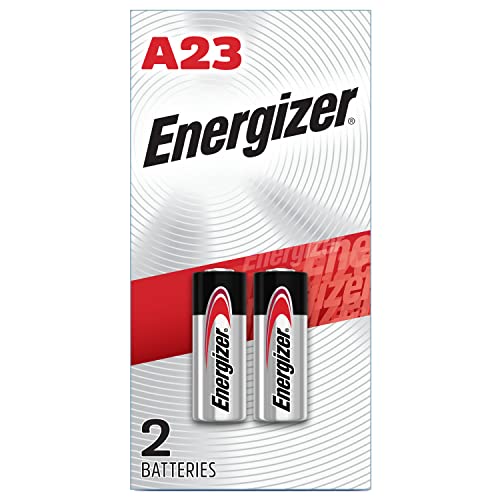

Duracell 21/23 12V Alkaline Battery (1-Pack)

A23 23A 12 Volt Battery (10-Pack)

Amazon Basics 4-Pack 23A Alkaline Battery 12V

Energizer L1028 Replacement Battery A23 (2-Pack)

LiCB A23 23A 12V Alkaline Battery (5-Pack)
Meet The Standout Selections
Energizer’s four-pack sits at the front of the shelf for a reason: the 12-volt alkaline chemistry delivers a steady output that small remotes and fobs expect. For households juggling multiple garage doors, key fobs, and entry devices, a four-pack means one trip covers most annual replacements without leaving loose cells rattling in a junk drawer.
The cells share the standard A23 footprint, about 10mm in diameter and 28mm long, so they slip into virtually any remote cradle. Compared with the single-cell options reviewed later, this pack’s bulk format tends to suit a busy family kitchen where batteries get pulled from a central caddy. For most suburban homes with two vehicles and a garage door, four cells usually outlasts the year.
Real Benefits
- Four cells mean less reordering for households running several remotes.
- Standard A23 dimensions fit most garage and key fob cradles without forcing.
- Alkaline chemistry holds voltage well under the brief, intermittent draw that fobs demand.
- Recognized brand labeling helps when matching old stock against a device manual.
Things To Consider
- A spare-cell sleeve or tray helps, since loose cylinders tend to roll and short against metal.
- Alkaline A23 cells don’t tolerate deep discharge well in cold garages, so rotation matters.
Whose Drawer It Belongs In
Households running two or more vehicles, a garage door, and an entry keypad benefit most from keeping a four-pack in the kitchen drawer.
A Better Fit Elsewhere
Single-device users with just one fob to feed should consider the single-cell Garage Door Opener Battery from Key Battery Outlet reviewed below.
Duracell’s MN21/A23 two-pack leans hard into the alarm and security category, carrying the cross-reference label that installers and manuals often print. A23 cells are tiny alkaline cylinders commonly labeled with several equivalent codes, including 23A, MN21, and 23AE, which can make a specific pack easier to spot when a manual calls out a less common code.
For homeowners whose wireless alarm panels, door sensors, or older key fobs reference the MN21 label, this pack removes guessing. The pair format also suits households with one active device and one spare, keeping inventory tight. Compared with the larger four-pack from Energizer above, this Duracell is a more focused buy for someone chasing a single panel.
A Favorable Mix
- MN21 cross-label on the packaging simplifies matching for security system manuals.
- Two-cell format suits single-device owners who want one active and one backup.
- Alkaline chemistry delivers the consistent voltage alarm panels expect for clean signals.
- Recognizable brand makes verifying freshness dates straightforward at a glance.
Points To Keep In Mind
- Two cells run out faster in households feeding several remotes at once.
- Standard alkaline chemistry, so cold-weather garages may shorten usable life.
The Right Fit
Homeowners with a single wireless alarm panel or older key fob that references MN21 will find this two-pack covers them neatly.
Look Elsewhere When
Anyone running a garage plus a vehicle fob plus an entry keypad should grab the Energizer A23 4-Pack reviewed above for broader coverage.
This single A23 from Key Battery Outlet is engineered specifically for garage door openers and keypads, with a leak-resistant seal that matters in a metal remote that sits in a hot car. A leak-resistant seal refers to the layered gasket inside the cell that helps stop alkaline paste from venting onto the spring terminals, which is the most common cause of ruined remote contacts.
The single-cell format suits shoppers who only need one fresh battery right now, no extra spares cluttering a drawer. The manufacturer claims a five-year shelf life, which is genuinely useful when this cell lives in a rarely used backup remote. Compared with the multi-pack picks above, this one is purpose-built for a single garage door remote swap.
The Upside
- Leak-resistant seal protects the spring contacts inside garage door remote cases.
- Single-cell format avoids the waste of buying four when only one remote is dead.
- Up to five years of shelf stability suits backup remotes stored in a drawer or glovebox.
- Cross-compatible with Chamberlain, LiftMaster, Genie, and Craftsman remotes.
Worth Bearing In Mind
- Only one cell per purchase means anyone with multiple remotes ends up reordering often.
- Single-cell pack may cost more per unit than a multi-pack option.
Made For
Anyone replacing a single garage door remote battery right now, especially if the old one left residue inside the case.
Consider Something Else When
Households feeding two or three garage remotes at once should pick the Amazon Basics 4-Pack 23A reviewed later for better long-term coverage.
Duracell stamps virtually every common equivalent code on this two-pack’s labeling, which is a quiet gift for anyone matching a generic part number. The cell sits at the standard A23 size, around 1.13 inches tall with a roughly 0.40 inch diameter, fitting into tight remote wells without forcing.
The two-cell format is a sensible middle ground between the single-cell option above and the bulk four-packs elsewhere. For homeowners with a single dead remote and a desire for one spare, this is the format most folks actually reach for. Compared with the multi-coded Duracell two-pack reviewed earlier, this one extends the labeling to include V23GA, GP23A, and L1028, broadening compatibility with older manuals.
Useful Strengths
- Extensive cross-reference list on the packaging covers older manuals and European codes.
- Standard A23 dimensions fit tight remote compartments without modification.
- Two cells strike a practical balance between spares and waste.
- Duracell’s alkaline chemistry tends to ship with a long freshness window.
Small Caveats
- Two-cell pack may run short for households running several remotes.
- Some users find the printing on the cell itself harder to read against a busy drawer.
Best Suited To
Anyone with a fob or remote labeled with an older European-style code like V23GA or GP23A will appreciate the matching convenience.
Skip It When
Workshop owners stocking spares for many devices should grab the 10-pack from Bvgokcell reviewed below.
Energizer’s two-pack is the kind of replacement that lands in a kitchen junk drawer and quietly fixes problems for years. The cells use the standard alkaline A23 chemistry that suits garage door openers, keyless entry systems, and small electronics like Bluetooth devices, cameras, and security alarms.
The two-cell format suits the common pattern of “one remote died, one spare ready.” Compared with the larger Energizer four-pack reviewed earlier, this version is a tighter buy that doesn’t overstock the drawer. For most suburban households running a couple of vehicles and a single garage door, this format covers the realistic annual drain.
Where It Excels
- Energizer’s brand recognition and quality control are well established in the category.
- Two-cell format avoids the waste of buying more cells than a household actually cycles.
- Alkaline chemistry matches the standard A23 voltage expected by garage and entry remotes.
- Cells tend to ship with a freshness window suitable for long drawer storage.
Where It Is Less Suited
- Two cells run thin for households feeding multiple vehicles plus an entry keypad.
- Alkaline A23 cells can leak after long storage, especially in hot vehicles.
Who Should Grab It
A two-car household with one garage door and one spare fob fits this pack size cleanly.
Reach For A Different Pick When
Anyone maintaining several security sensors and an alarm panel should consider the Duracell 21/23 single-pack for a more focused security-system swap.
This single Duracell carries the 21/23 cross-label that turns up frequently in car alarm and key fob manuals, which can save a trip back to the parts drawer. A23 cells are technically interchangeable with the 21/23 label because the form factor and voltage are identical, just branded under different historical naming.
For drivers with one dead key fob and no need for spares, this single-cell pack is a tight, no-waste buy. The Duracell construction tends to ship with a long freshness window, useful for the occasional fob that lives in a junk drawer for years. Compared with the leak-resistant single-cell option reviewed earlier, this one is more about broad compatibility than specific garage door engineering.
Where It Helps
- 21/23 labeling matches many car alarm and key fob owner manuals directly.
- Single-cell format suits drivers replacing exactly one fob battery.
- Duracell quality control tends to translate to long shelf life in storage.
- Standard alkaline A23 dimensions fit virtually all common fob wells.
Practical Considerations
- Only one cell per pack, so households with multiple vehicles reorder more often.
- Alkaline A23 cells can vent after long hot-car storage, so check the date code.
Who It Suits Best
A driver with a single key fob or car alarm remote that just died benefits most from this single-cell format.
Swap It Out When
Anyone stocking fobs for multiple vehicles should grab the Amazon Basics 4-Pack reviewed below for broader coverage.
Bvgokcell’s ten-pack is the heavyweight option in the lineup, aimed squarely at workshop drawers and small-business inventories. The 23A cross-label appears on the packaging, which matches the equivalent code most frequently listed on older manuals and import-brand devices.
Ten cells is a lot, but for households feeding multiple vehicles, several alarm sensors, and a garage door, the math starts to favor bulk. The plastic packaging is designed to keep unused cells organized rather than rattling loose. Compared with the four-pack Energizer reviewed first, this Bvgokcell pack is for the household that has clearly decided to stop running out.
The Practical Payoff
- Ten cells suit households and small workshops with several active A23 devices.
- Plastic organizer packaging keeps spares sorted and protected from shorting.
- 3-year shelf life supports long-term storage in a closet or drawer.
- Bulk format typically runs cheaper per cell than smaller packs.
A Few Limitations
- Ten cells is more inventory than most single-family homes actually need.
- Generic brand may feel less reassuring than Duracell or Energizer for security devices.
Perfect Match For
Workshop owners, property managers, and households with several A23-powered devices benefit most from the bulk format.
Not Your Match When
Anyone with a single dead fob should grab the Duracell 21/23 single-pack reviewed earlier to avoid waste.
Amazon Basics slots a four-pack of 23A alkaline cells into the middle of the lineup, aimed at households running keyless entry devices, key fobs, garage door openers, remote controls, and small toys. The heavy-duty casing is built to handle the kind of in-drawer storage that goes on for years before a cell is actually pulled.
The four-cell format is the most commonly purchased pack size in the category, and Amazon Basics leans into that mainstream slot. Compared with the Energizer four-pack reviewed first, this one typically lands at a friendlier cost per cell. For most households, the trade-off between brand familiarity and price leans toward this Amazon Basics pick when stocking spares.
What Makes Sense
- Four-cell format matches the most common annual A23 drain in a typical household.
- Heavy-duty casing helps the cells survive long in-drawer storage.
- Wide device compatibility covers key fobs, garage remotes, toys, and entry pads.
- Amazon Basics usually lands at a friendlier cost per cell than legacy brands.
Small Limitations
- Generic brand label may feel less reassuring than Duracell or Energizer for alarm panels.
- Alkaline chemistry still risks venting after very long hot storage, so rotation matters.
Right Fit For
Households running multiple garage remotes, key fobs, and small electronics benefit most from this balanced four-pack format.
Another Choice May Suit
Anyone specifically matching an MN21-labeled manual should grab the Duracell MN21 2-Pack reviewed earlier for easier cross-referencing.
This Energizer two-pack carries the L1028 cross-label prominently, which makes it a useful find for owners of older devices that reference that European-style code. The L1028 designation refers to the same physical cell as A23, just under a different historical naming system that turns up on legacy garage door keypads and certain import-brand sensors.
The pack is engineered for today’s high-drain small electronics, which means steady voltage under the brief but consistent pulses that remote signals demand. Compared with the standard Energizer two-pack reviewed earlier, this L1028-labeled version is the better cross-reference match for owners hunting a specific code. For most shoppers, it functions identically to the standard A23 once installed.
Useful Touches
- L1028 cross-label simplifies matching for older European-branded devices.
- Energizer’s construction supports consistent voltage under repeated signal pulses.
- Two-cell format suits single-device owners who want one active and one spare.
- Standard A23 dimensions ensure drop-in fit for garage and entry remotes.
Honest Caveats
- Two cells run short for households feeding multiple A23 devices at once.
- L1028 labeling is less recognizable than A23 to shoppers scanning a drawer quickly.
Who Will Love This
Anyone whose garage keypad or import-brand sensor references L1028 directly will appreciate the labeled convenience.
Where A Sibling Pick Shines
Households with multiple vehicles and entry pads should pick the Energizer 4-Pack reviewed first for broader coverage.
LiCB’s five-pack is the odd-count option in the lineup, sitting between the four-packs and the bulk ten-pack in cell count. The cells are tested under quality control standards and ship with a fresh charge, which matters when an old fob has been sitting dead in a drawer for a season.
Five cells is a friendly number for households feeding a couple of vehicles plus a garage door remote, with one cell left as a true spare. The packaging tends toward blister-card style, which keeps unused cells protected until they’re actually needed. Compared with the mainstream four-pack options reviewed earlier, this LiCB pack gives one extra cell for the same kind of stocking scenario.
Strengths Worth Knowing
- Five-cell count suits households with two vehicles and one garage remote, plus a spare.
- Quality-tested cells typically ship at full 12V charge for immediate use.
- 3-year shelf life supports long storage between actual replacements.
- Blister packaging protects unused cells from shorting against loose metal.
Practical Considerations
- Less recognizable brand than Duracell or Energizer in mainstream retail.
- Five cells is more inventory than most households actually cycle through in a year.
Built With In Mind
Households with two vehicles, a garage door, and a small spare buffer fit the five-cell format cleanly.
A Better Fit Elsewhere
Anyone matching an MN21-labeled alarm manual should grab the Duracell MN21 2-Pack reviewed earlier for direct cross-referencing.
What To Weigh Before Buying A23 12v Battery
Pack size matters more than brand name for most shoppers. A four-pack covers a typical household running two vehicles and a garage door for roughly a year, while a single cell is the right call when only one remote died. Cell chemistry in this category is almost universally alkaline, which delivers the steady voltage small remotes expect.
Cross-reference labeling can save a return trip. A23 cells are interchangeable with several equivalent codes including 23A, MN21, V23GA, GP23A, and L1028, and many manuals print one of these older names rather than “A23.” For alarm panels and import-brand sensors, a pack with the matching code printed on the front simplifies installation.
Shelf life matters more than people think. A23 cells often sit in a drawer or glovebox for years before being used, and a five-year shelf rating means a backup remote will still fire when the day finally comes. Hot storage shortens usable life, so rotation between the car and the kitchen drawer is a sensible habit.
Device compatibility varies more than the spec sheets suggest. Garage openers, car alarms, key fobs, GPS trackers, wireless doorbells, and small toys all use the same physical cell but draw power at different rates. Higher-drain devices like GPS trackers tend to chew through cells faster than the average garage remote, so a backup in the drawer pays off faster.
Things To Watch When Choosing A23 12v Battery
Where Shoppers Slip Up Most
Buying a four-pack when only one cell is dead is the most common waste, especially when the dead remote turns out to be a corroded contact rather than a depleted battery. Test the old cell with a multimeter or swap it into a known-good remote before reordering.
Ignoring the equivalent code list on the packaging causes plenty of returns. A device labeled MN21 needs the same physical A23 cell, but shoppers searching for “MN21” miss the broader A23 listings. Reading the manual’s full cross-reference list avoids that trap.
Storing A23 cells in a hot car for months on end is the fastest path to a leaked remote. Alkaline chemistry vents under sustained heat, and a leaking cell ruins the spring contacts inside the remote case. A kitchen drawer or closet is a much friendlier storage spot.
When Paying A Bit More Makes Sense
Higher-tier packs from legacy brands like Duracell and Energizer tend to ship with tighter freshness windows and more consistent internal seals. For alarm panels and security sensors where reliability matters, the small premium per cell is a reasonable trade.
Larger pack sizes from value brands like the 10-pack from Bvgokcell typically drop the per-cell cost noticeably. For workshop owners and small-property managers feeding many devices, that bulk discount adds up fast across a year of replacements.
Frequently Asked Questions
What devices use an A23 12V battery?
A23 cells power small electronics like garage door remotes, car key fobs, home alarm panels, GPS trackers, wireless doorbells, and certain toys. Any device calling for an “A23,” “23A,” “MN21,” or “V23GA” takes the same physical cell.
How long does an A23 battery typically last?
In a typical garage door remote used a few times daily, an alkaline A23 cell can last 1 to 2 years before needing replacement. Higher-drain devices like GPS trackers tend to drain cells much faster, sometimes within months.
Can I use an A23 battery in place of an MN21 or 23A?
Yes, A23, 23A, MN21, V23GA, GP23A, and L1028 all refer to the same physical cell with identical 12V alkaline chemistry. The codes are historical naming conventions rather than distinct products.
Are A23 and A27 batteries the same?
No, A23 and A27 differ in size and voltage despite similar naming. A23 cells deliver 12V in a shorter cylinder, while A27 cells are longer and deliver a different voltage profile. Always match the code printed on the original cell.
Should I store spare A23 batteries in my car?
Storing A23 cells in a hot car shortens their usable life because alkaline chemistry vents under sustained heat. A kitchen drawer, closet, or other climate-controlled spot is a friendlier storage location for long-term spares.
Wrap Up
The right A23 12V battery depends on how many devices you actually feed and how you want to store spares. A two-pack suits single-device owners, a four-pack covers most households, and a ten-pack fits workshop drawers. Pick the cross-reference label that matches the manual, store the cells somewhere cool, and the next dead remote won’t ruin your day.