A chirping smoke detector at 2 a.m. is the fastest way to learn why your battery choice matters. Most detectors sip power for years, then need one cell to wake them up fast and stay quiet the rest of the time. Lithium 9V batteries handle that job better than alkaline, holding voltage steady as they age and shrugging off temperature swings in attics, garages, and basements. This list compares five solid options so your next swap-out lasts longer and stays out of your sleep.
A Closer Look At The Lineup
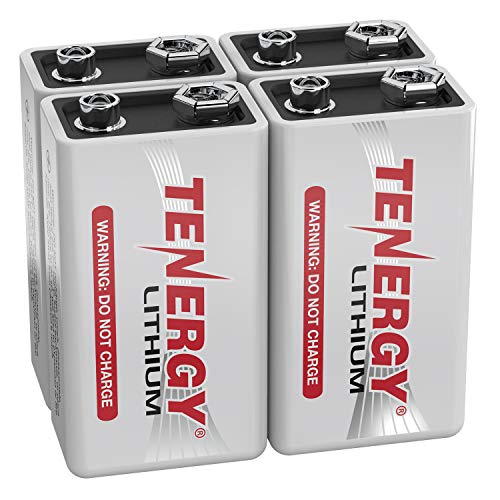
Tenergy 9V Lithium Batteries 1200mAh 4 Pack

Energizer Ultimate Lithium 9V Batteries 1 Pack

Enegitech 9V Lithium Battery 1200mAh 4 Pack

Blinkspower 9V Lithium Batteries 8 Pack

Batteriol 9V Lithium Batteries 1200mAh 4 Pack
The Details Behind The Selections
Tenergy’s four-pack is the most flexible option on this list for households running multiple detectors. Each cell carries a 1200mAh rating (a measure of how much charge a battery can hold) and a stamped manufacture date, so you know the cell in your drawer has not been quietly aging for years.
For most homeowners replacing detectors on a rotating schedule, this pack fits neatly. You get four cells, which covers a typical single-family home with extras on hand for the next swap.
The Helpful Details
- Date-stamped cells help confirm freshness at the moment of purchase.
- Four-pack covers an average home’s detectors in one buy.
- 1200mAh rating supports years of low-draw detector use.
- Low self-discharge rate (the speed at which a battery loses charge sitting idle) means spares stay ready.
Things To Consider
- Only four cells, so larger homes with eight or more detectors may need a second pack.
- Performance in unheated attics can vary depending on how extreme the swing gets.
Key Product Details
Who Should Grab It
Homeowners with three to five hardwired smoke detectors who want a balanced mix of runtime, shelf life, and value.
Look Elsewhere When
Blinkspower 9V Lithium Batteries 8 Pack suits larger homes or rental properties where one trip should stock every unit for years.
Energizer Ultimate Lithium is the option most people reach for when the detector lives somewhere punishing. The cells are rated to operate from roughly -40°F up to 140°F, which matters more than spec sheets suggest in an unheated garage or a sweltering attic.
You get a single cell here, so the cost-per-battery is higher than the four-packs below. The trade-off is brand familiarity and a track record of holding voltage as the cell drains.
The Good Stuff
- Wide operating range handles unconditioned spaces.
- Leak-resistant construction helps protect detector contacts.
- Long storage life keeps backup cells ready for years.
- Lighter weight than alkaline, helpful for ceiling installs.
Worth Noting
- Single-pack format means a higher per-cell cost.
- Buying several at once can stretch the budget compared to bulk options.
Made For
Detectors mounted in garages, attics, or workshops where temperature swings would shorten an alkaline cell’s life.
Consider Something Else When
Tenergy 9V Lithium Batteries 1200mAh 4 Pack suits indoor-only installs where you want more cells for the same spend.
Enegitech targets more than just smoke detectors with its lithium cell. The same 9V format powers keyless entry locks, multimeters, and infrared thermometers around the house, which is the real reason this pack earns a spot.
You may find the 1200mAh capacity runs noticeably longer in a high-drain device than a standard alkaline, but the focus here is steady, predictable output across mixed gear.
Features That Help
- Higher capacity than entry-level lithium 9V cells.
- Works in smoke detectors, locks, and test gear.
- Four-pack spreads cost across multiple devices.
Points To Note
- Brand recognition trails the bigger names on this list.
- Performance in extreme cold is less documented than Energizer’s range.
Feature Snapshot
Right Fit For
Households running a mix of detectors and other 9V devices who want one battery type to standardize across the board.
A Better Fit Elsewhere
Energizer Ultimate Lithium 9V is a stronger match if your detector sits in an unheated space where extreme temps matter more.
Blinkspower doubles down on volume. Eight cells in one pack drops the per-battery cost enough that landlords, multi-unit property owners, or anyone with a sprawling detector setup can stock up once.
Each cell shares the same 1200mAh rating you’ll see elsewhere on this list, so there is no sacrifice in capacity, just a more efficient buy.
What Works In Its Favor
- Lower cost per cell than four-packs.
- Eight cells suit large homes or multiple rental units.
- 1200mAh capacity matches premium single-pack options.
- Factory-fresh production dates printed on each cell.
Small Caveats
- Five-year shelf life is shorter than some competitors.
- Larger pack size takes more drawer or closet space.
Best Suited To
Property managers, landlords, or homeowners with eight or more detectors who want one order to last several replacement cycles.
Not Your Match When
Batteriol 9V Lithium Batteries 1200mAh 4 Pack fits smaller households where a half-dozen spares feel like overkill.
Batteriol closes out the list with a straightforward, no-fuss lithium 9V cell aimed at the most common scenario: a smoke detector on an annual or biannual replacement cycle. The 1200mAh rating holds steady voltage across the cell’s working life.
You also get the same broad device compatibility that Enegitech offers, so a spare cell can step into a microphone or walkie talkie without complaint.
Everyday Perks
- Consistent 9V output through the cell’s life.
- Works in detectors, mics, and two-way radios.
- Four-pack fits typical single-family replacement needs.
- Non-rechargeable design avoids accidental charger damage.
- Long storage window keeps spares viable between swaps.
Honest Caveats
- Less widely reviewed than Energizer or Tenergy cells.
- Per-cell cost sits between Tenergy and the bulk Blinkspower pack.
Quick Facts
Whose Shelf It Belongs On
Routine maintainers who replace detector batteries on a calendar and want a steady, predictable cell to keep on hand.
Swap It Out When
Energizer Ultimate Lithium 9V suits installs where the detector lives through harsh seasonal temperatures.
Picking The Right 9V Lithium For Your Detectors
A 9V battery’s job in a smoke detector is deceptively simple: sit quietly for years, then deliver a sharp wake-up chirp the moment voltage drops. Lithium chemistry handles that better than alkaline because the voltage stays flat through most of the cell’s life, then drops off quickly at the end. Alkaline cells sag gradually, which is why detectors often start chirping a year or two sooner on alkaline than on lithium.
Capacity matters, but context matters more. The mAh rating tells you how much energy the cell holds, but a detector sipping microamps barely notices the difference between 800mAh and 1200mAh. What you feel instead is how many years pass between battery nights. A higher capacity generally means a longer interval, but storage conditions, temperature swings, and the detector’s self-test frequency all play a part.
Match The Pack Size To Your Detector Count
Count your detectors before you buy. A two-bedroom apartment might run four, a single-family home often runs six to ten, and a duplex or rental can climb past twelve. Buying a four-pack for a ten-detector home means an extra trip to the store in six months. Buying an eight-pack for a four-detector apartment means cells aging in a drawer longer than they need to. Match the count and you match the cost without leaving spares to expire.
Think About Where The Detector Lives
Most detectors sit in climate-controlled hallways and bedrooms, where any modern lithium 9V will outlast alkaline. Detectors in attics, garages, or unheated basements push cells through wider temperature swings, and that is where the wide operating range of premium lithium cells earns its keep. For ceiling-height rooms with stable indoor temps, a standard 1200mAh cell handles the work comfortably.
Check The Expiration Or Production Date
A lithium 9V sitting on a shelf slowly loses a small percentage of charge every year. The longer a cell has been in distribution before you buy it, the shorter its useful life becomes in your detector. Production-date stamps let you confirm the cell was made recently, and a longer rated shelf life gives you more flexibility if you tend to buy ahead.
Key Considerations Across These Picks
Mistakes Worth Dodging
The most common slip-up is grabbing whatever 9V sits in the grocery aisle without checking the chemistry. Alkaline 9V cells work, but they sag faster and chirp sooner. The second pitfall is buying the cheapest multi-pack without checking production dates; a deeply discounted bulk pack with old stock leaves you replacing batteries again within months. Finally, mixing chemistries across detectors in the same home makes it harder to track which unit is due next.
Where The Extra Money Goes
Paying more per cell typically buys three things: a wider operating temperature range, a longer rated shelf life, and tighter manufacturing tolerances that reduce the chance of a premature failure. For detectors in mild indoor locations, the base tier handles the job. For attics, garages, or vacation homes where the cell sits through summer heat or winter cold, the upgrade to a premium cell pays off in fewer late-night chirps and longer stretches between swaps.
Frequently Asked Questions
How long does a 9V lithium battery actually last in a smoke detector?
Most hardwired detectors with a backup 9V cell run five to ten years on a single lithium battery, depending on how often the detector performs its self-test and the ambient temperature around the unit.
Can I use rechargeable 9V batteries in a smoke detector?
Standard NiMH rechargeable 9V cells often discharge faster in standby than lithium, and their voltage drops gradually rather than holding steady, which can trigger low-battery chirps sooner. Non-rechargeable lithium cells remain the more predictable option for safety devices.
Is it worth replacing all detector batteries at the same time?
Yes. Swapping every detector on the same day keeps the replacement cycle predictable, so the next round of chirps hits in one focused window rather than trickling in across several months.
Do lithium 9V batteries expire if I do not use them?
They lose charge slowly while stored, but a fresh lithium 9V with a 10-year shelf rating still holds most of its capacity years after purchase, especially when kept in a cool, dry drawer.
Will any 9V lithium fit my smoke detector?
The standard 9V form factor fits virtually every smoke detector on the market. The chemistry choice matters far more than the brand, so pick the cell that matches your environment and replacement rhythm.
Closing Remarks
Picking the right 9V lithium comes down to matching capacity, pack size, and operating range to the spot your detector lives. For most indoor installs, a 1200mAh four-pack covers the job for years. For harsher spots or larger properties, stepping up to a wider-range cell or a bulk pack pays off the first time you avoid a middle-of-the-night chirp.