A reliable 6 volt battery quietly runs the lights, water pump, and small electronics that make a camper feel like home on a weekend trip. Whether you dry-camp in a pop-up, run a solar shed, or just want a sealed backup for your ride-on toy, the right cell matters more than the sticker. This roundup walks through ten sealed lead-acid and AGM options that cover the common 6V roles, from deep-cycle GC2 house banks down to compact lantern cells.
A Fast Comparison Of The Options

Energizer EN7-6 6V 7Ah AGM Rechargeable Battery

US Battery US2200 XC2 GC2 4 Pack

Battery Hawk 10 Pack 6V 5AH SLA UB650
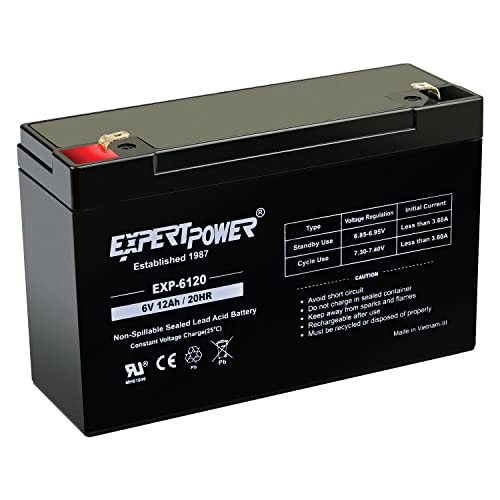
ExpertPower EXP6120 6V 12Ah AGM

Mighty Max ML4-6 6V 4.5Ah SLA

ExpertPower EXP6120 6V 12Ah (2 Pack)
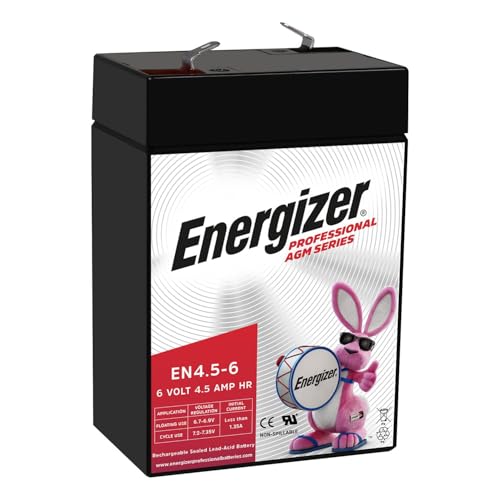
Energizer EN4.5-6 6V 4.5Ah AGM Battery

Battery Hawk 6V 5AH UB650 Lantern Battery

Battery Hawk 2 Pack Hunter 6V 5AH SLA

Battery Hawk 4 Pack 6V 5AH SLA
The Energizer EN7-6 sits in the middle of the small sealed lead-acid range, and that middle ground is exactly where most casual 6V needs land. At 7 amp hours, it carries enough reserve for a few nights of LED lighting in a small camper, a backup feed for a basic alarm panel, or a swap-in for a larger kid ride-on toy.
AGM stands for Absorbent Glass Mat, a sealed construction that holds electrolyte in fiberglass sheets instead of free liquid, which means no spills and no water top-offs. Compare that to a flooded golf-cart cell like the U.S. Battery US2200 reviewed below, which trades sealed convenience for much higher capacity at the cost of routine maintenance.
Real-World Strengths
- Sealed AGM build means you can mount it on its side in tight battery compartments without leaks.
- Calcium-tin grid construction helps the cell hold up under repeated charge cycles, useful for seasonal camper storage.
- Shock and vibration resistance matters when a battery rides in a towable rig down rough forest roads.
- 7Ah capacity is the practical sweet spot between tiny 4.5Ah lantern cells and full-size GC2 house batteries.
Things To Consider
- 7Ah is modest for any serious off-grid solar house bank; owners commonly run several in parallel for longer stays.
- AGM cells prefer a proper three-stage charger; a basic wall wart can shorten service life over months.
Who It Suits Best
This battery fits a weekend camper with modest loads and a rider-on toy owner looking for a sealed drop-in replacement.
Look Elsewhere When
Step up to the U.S. Battery US2200 XC2 pack if you need a true deep-cycle house bank that runs a fridge and lights for days.
This is the pack you reach for when a single 7Ah cell simply will not carry the load. Four flooded deep-cycle GC2 cells at 232Ah each give a serious camper a real house bank, and wired as two series pairs you get a 12V system with massive amp-hour capacity.
The GC2 form factor is the standard golf-cart size, so you will find brackets, boxes, and trays that fit without modification. Molded-in UTL terminals keep cable routing clean, and the polypropylene case is heat-sealed to handle the bumps of long-distance towing.
The Helpful Details
- 232Ah per cell is enough capacity for a multi-day dry-camping trip with a 12V fridge and LED lights.
- GC2 group size drops into common RV battery trays and standard wiring kits.
- Flooded lead-acid chemistry tolerates deep discharges better than most sealed AGM cells of similar size.
Worth Noting
- Flooded cells need periodic water top-offs; plan to check electrolyte levels every few months in active use.
- Four units ship at a meaningful weight, so factor in shipping logistics and trailer tongue capacity.
- These want a proper flooded-rated charger and ventilation, unlike the sealed AGM options above.
Right Fit For
Full-time or extended-stay RV owners running a 12V fridge, lights, and water pump off a solar-charged house bank.
Skip It When
Stick with the Energizer EN7-6 if your power needs are limited to a small camper’s lights and phone charging.
Most lantern swaps need one cell, but anyone who camps with a group or lives in storm-prone areas knows how fast that one cell becomes a problem. This 10-pack of Battery Hawk 6V 5Ah sealed lead-acid units turns a single purchase into a full emergency and camp kit.
Spring terminals snap on without tools, which is a small detail that matters when you are replacing cells by lantern light in the rain. SLA, or sealed lead-acid, refers to the same maintenance-free construction as AGM, with the electrolyte held in absorbent mats inside the case.
What Pays Off
- Ten cells at once drops the per-unit cost compared to buying singles from the same line.
- Spring terminals make swaps faster in the field, no screwdriver or wrench needed.
- Works as a direct UB650 replacement across a wide list of camping lanterns.
- Compact 2.58 x 2.58 x 4.50 inch footprint stores neatly in a drawer or bin.
Trade Offs
- 5Ah capacity is small; these run camping lanterns, not house loads.
- Ten units take up space, so they only make sense for groups, guides, or a multi-season stockpile.
Made For
Camp hosts, scout leaders, and emergency-prep households that rotate lanterns through heavy seasonal use.
Reach For A Different Pick When
The Mighty Max ML4-6 is a better fit if you only need one small 6V cell for a game feeder or single lantern.
The EXP6120 sits in that comfortable middle ground where 6V batteries do a lot of different jobs well. At 12Ah, it has roughly twice the reserve of the Energizer EN4.5-6 reviewed later, yet still fits the small-battery footprint that fits in toy compartments, deer feeders, and small UPS boxes.
ExpertPower built this as a general-purpose cell for both standby and cyclic use, which means it accepts the daily drain of a solar shed and the occasional backup duty of an emergency-light cabinet. F1 terminals are the small spade-style tabs that match a wide range of off-the-shelf wiring harnesses.
Bright Spots
- 12Ah doubles the runtime of typical 5Ah lantern cells without jumping to GC2 size.
- Valve-regulated AGM design holds charge well between uses, useful for seasonal gear.
- Works across emergency lighting, feeders, scooters, and small solar storage.
Points To Note
- For a true camper house bank you still want multiple cells in series or a GC2 jump up to the US Battery US2200.
- Owners commonly report better life when paired with a smart charger rather than a trickle charger.
Best Suited To
Anyone who needs one versatile 6V cell for backup, feeder, scooter, or small solar applications.
Swap It Out When
The US Battery US2200 XC2 four-pack is the right call for a serious camper house bank with fridge loads.
The ML4-6 is the small, dependable cell you forget about until your deer feeder goes silent in October. At 4.5Ah in a compact 2.76 x 1.89 x 4.21 inch case, it slips into tight feeder boxes, kid ride-on compartments, and alarm panels without fuss.
Its sealed AGM construction handles wide temperature swings, which matters in a tree stand feeder that bakes in summer and freezes in winter. The spill-proof rating means you can mount it in any orientation, a small but real convenience in cramped enclosures.
A Favorable Mix
- Compact footprint fits tight feeder and toy battery trays.
- SLA/AGM construction resists shocks, vibration, and wide operating temperatures.
- Mountable in any position thanks to spill-proof internal construction.
- F1 terminal matches the common harness style in most small 6V gear.
Small Caveats
- 4.5Ah is on the small side; runtime between charges is short for anything beyond light cyclic duty.
- The listing ships the battery only, so plan on reusing the existing wiring harness.
Who Will Love This
Landowners running a solar deer feeder or parents replacing a worn ride-on toy battery on a budget.
Consider Something Else When
The Battery Hawk UB650 single cell is a closer match if your primary need is a camping lantern replacement.
The single-unit EXP6120 reviewed above is a versatile cell, but a lot of small electric scooters and ride-on toys want a 12V source. This two-pack ships two of the same 12Ah AGM units, ready to wire in series for that common 12V configuration.
Buying matched cells from the same production run helps keep capacity balanced over time, which extends service life in series use. VRLA, or valve-regulated lead-acid, is the broader category that includes AGM, and it means these are sealed and maintenance-free.
Practical Advantages
- Pre-matched pair simplifies series wiring for 12V scooter and ride-on applications.
- Sealed VRLA construction means no electrolyte checks once installed.
- Same 12Ah rating gives meaningful runtime between charges in typical scooter duty.
A Few Limitations
- Two units double the cost versus the single EXP6120, so it only makes sense if you genuinely need 12V.
- Series wiring mistakes can damage cells; double-check polarity before first charge.
Perfect Match For
Scooter owners and 12V ride-on toy households replacing a worn original pair in one purchase.
Another Choice May Suit
The single Energizer EN7-6 makes more sense if your project only requires a standalone 6V supply.
The EN4.5-6 is the smaller sibling of the EN7-6 reviewed first, and it targets the same sealed AGM chemistry at a more modest capacity. That makes it a useful pick for kid ride-on cars, emergency exit lights, and small alarm panels where size and weight matter more than long runtime.
Like its larger EN7-6 brother, this cell uses calcium-tin grid construction that holds up to repeated discharge cycles better than generic off-brand cells in the same size class. The non-spillable design also means parents do not have to worry about leaks if a toy tips over on the driveway.
Notable Gains
- Compact 4.5Ah form factor fits stock ride-on toy battery trays without modification.
- Sealed AGM build is safer around kids and indoor backup gear.
- Calcium-tin grids help the cell survive seasonal charge cycles in stored toys.
Honest Caveats
- Runtime is limited; heavy-use ride-on toys may need a recharge after short play sessions.
- For larger backup loads, the Energizer EN7-6 or ExpertPower EXP6120 give more headroom.
Built With In Mind
Parents replacing a worn 6V battery in a kid’s ride-on toy or stocking small emergency-light backups.
Where A Sibling Pick Shines
The Mighty Max ML4-6 is a strong alternative if you want a slightly different footprint for a deer feeder.
If the 10-pack reviewed earlier feels like overkill, this single Battery Hawk cell delivers the same lantern-friendly form factor one unit at a time. The UB650 compatibility is the key phrase, since that part number covers a long list of common camping and emergency lanterns.
Spring terminals snap straight onto most lantern contacts without adapters or extra tools. For occasional campers, that single-cell simplicity beats wrestling with a multi-pack you do not need.
Features That Help
- Direct UB650 replacement covers most common lantern models in one listing.
- Spring terminal design keeps swaps simple in low-light conditions.
- 5Ah capacity matches the typical stock cell, so no rewiring is required.
Points To Keep In Mind
- Single-unit pricing is higher per cell than the Battery Hawk multi-pack options.
- 5Ah is still small for anything heavier than lantern or backup-light duty.
The Right Fit
Casual campers replacing one worn lantern cell who do not need a stockpile of spares.
Where Another Pick Suits Better
The Battery Hawk 4-pack is the better value for families that go through multiple cells each season.
Two cells hit a sweet spot that one unit undershoots and a 10-pack overshoots. This Battery Hawk pair gives weekend campers a primary cell and a tested spare, which is the right ratio for a typical trip into the woods.
The UB650 compatibility applies here too, so these slot into the same Hunter, DE650-S, and similar lanterns that the single-unit and multi-pack listings cover. The two-pack format also works for households with two lanterns stored in different rooms for power outage duty.
The Value In It
- Two-cell format gives a working spare without buying a full multi-pack.
- Spring terminals accept standard lantern contacts without extra hardware.
- Direct fit for Hunter and other UB650-class lanterns.
Factors To Consider
- 5Ah cells are still small; runtime depends heavily on bulb type in your lantern.
- Long-term storage requires occasional top-up charging to prevent sulfation in SLA cells.
Whose Shelf It Belongs On
Couples and small households that keep one lantern in use and one in storage for emergencies.
Not Your Match When
The 10-pack is a better fit for scout troops or large families running multiple lanterns per trip.
This four-pack lands between the 2-pack and 10-pack options in the Battery Hawk family, and that middle sizing is often the right call for a family cabin or a busy seasonal camp. Four cells rotate through active lanterns while keeping tested spares on hand.
Each unit still uses the same UB650-compatible spring-terminal design that makes swaps fast. Compared to the 10-pack, the four-pack is easier to store and easier to actually use up before SLA self-discharge eats into shelf life.
Key Advantages
- Mid-size pack balances cost savings against realistic shelf-life windows.
- Spring terminals match a long list of common lantern models.
- 5Ah capacity per cell matches the original spec on most UB650 lanterns.
Small Caveats
- Lead-acid cells self-discharge over months, so unused spares still need periodic charging.
- Heavier than alkaline lantern replacements if weight matters for backpackers.
Who Should Grab It
Family campers and cabin owners who want a practical reserve without buying more cells than they will use.
A Better Fit Elsewhere
The single Battery Hawk cell suits casual campers who only replace one worn lantern battery at a time.
## Choosing The Right Capacity For Your SetupBefore picking a battery, the cleanest starting point is matching amp-hour capacity to the load you actually run. A small camping lantern or a deer feeder timer pulls almost nothing, so a 4.5Ah or 5Ah cell is plenty. A small camper with LED lights and a phone-charging routine can usually get by on a 7Ah to 12Ah cell or two in series. Full camper solar banks with a 12V fridge and water pump demand GC2 deep-cycle cells in the 200Ah range per unit.### Match Terminal And Physical Size FirstA battery that does not physically fit or wire up cleanly is the wrong battery, no matter how good its specs look on paper. Measure the tray or compartment before ordering, and check whether the device uses F1 spade terminals, F2 wider tabs, or spring-style contacts. The EXP6120 and ML4-6 both use F1 terminals, while the UB650 lantern cells use spring contacts, so mixing them up is a common ordering mistake.### Decide Sealed Versus FloodedSealed AGM and SLA cells cost a bit more per amp-hour, but they skip the routine of checking electrolyte levels and venting hydrogen gas. Flooded deep-cycle cells like the US2200 XC2 give you more capacity per dollar and tolerate deep discharge, but they need a ventilated box and occasional water top-offs. For most casual camper setups, sealed AGM is the easier choice; for serious off-grid solar banks, flooded GC2 cells still earn their place.### Plan Your Charging SetupNo 6V battery lives up to its potential on the wrong charger. A smart three-stage charger matched to AGM or flooded chemistry extends cycle life noticeably. Basic trickle chargers work in a pinch but can shorten service life over many seasons, especially for the smaller sealed cells used in toys and feeders.## Key Considerations Across These Picks### Pitfalls Shoppers HitThe most common mistake is matching voltage without checking amp-hour capacity, ending up with a 6V battery that fits but dies before the camping trip is half over. Another is assuming any 6V sealed cell works in any 6V device, when in reality terminals, dimensions, and discharge ratings vary widely between lantern, feeder, and scooter cells.### Where The Extra Money GoesHigher-tier options like the US Battery US2200 XC2 pack command more per amp-hour because of thicker plates, deeper-cycle ratings, and longer service life under heavy discharge. For a once-a-year camper, the premium may not pay back, but for a full-time rig running a fridge, the longer cycle life and proven deep-cycle chemistry justify the step up from a sealed AGM cell of similar voltage.